Sometimes a gap in history or the lack of full knowledge to connect the dots leaves you with a very long pause in writing blogs about your trips. And as you go back into the annals of history, it takes you to Ctesiphon on Tigris river, the capital city of Sasanian Empire that was the last Persian empire before Arab conquest of Iraq and Persia. Ctesiphon was also the birthplace of the Persian Church or the Church of the East.
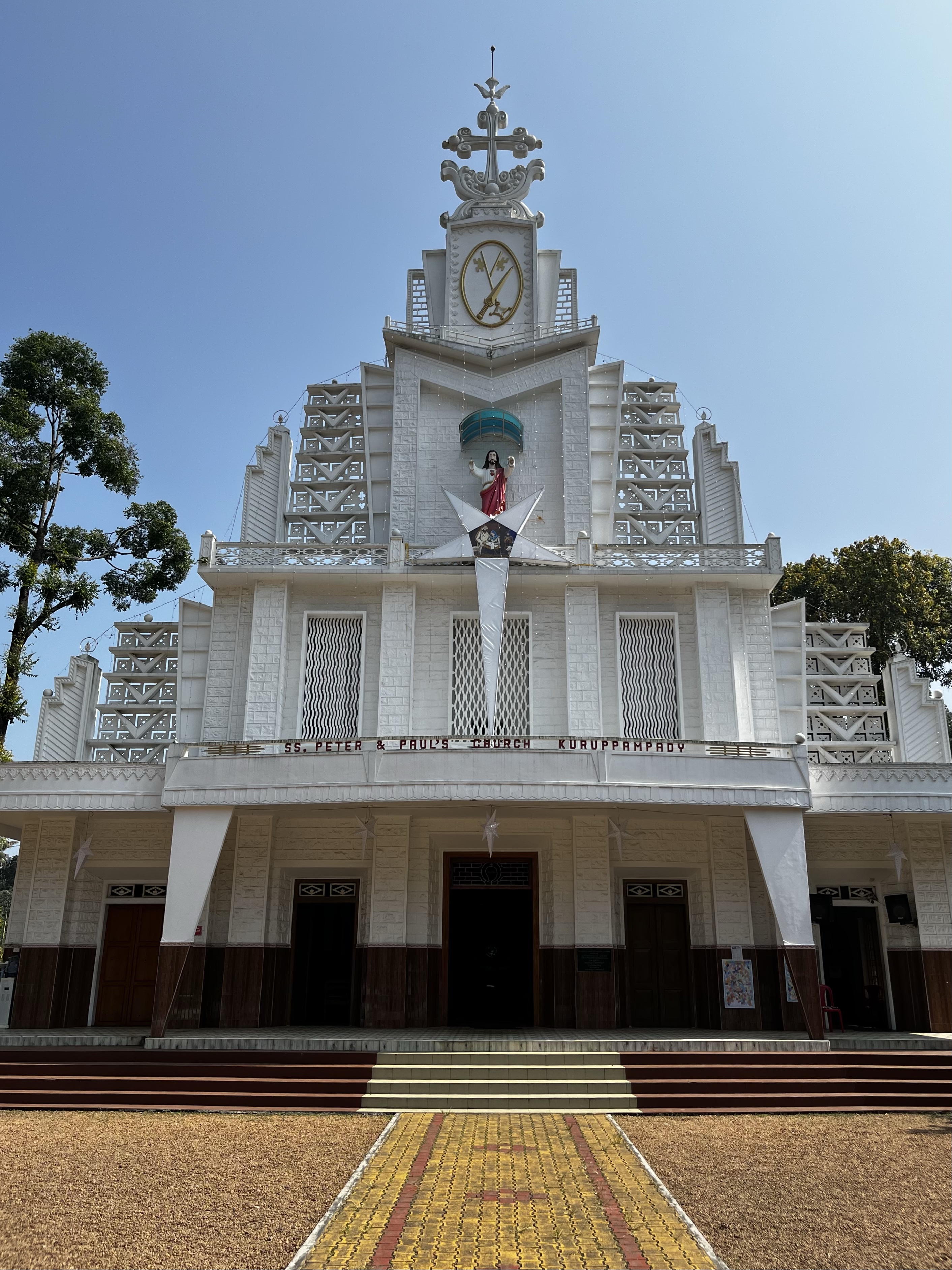
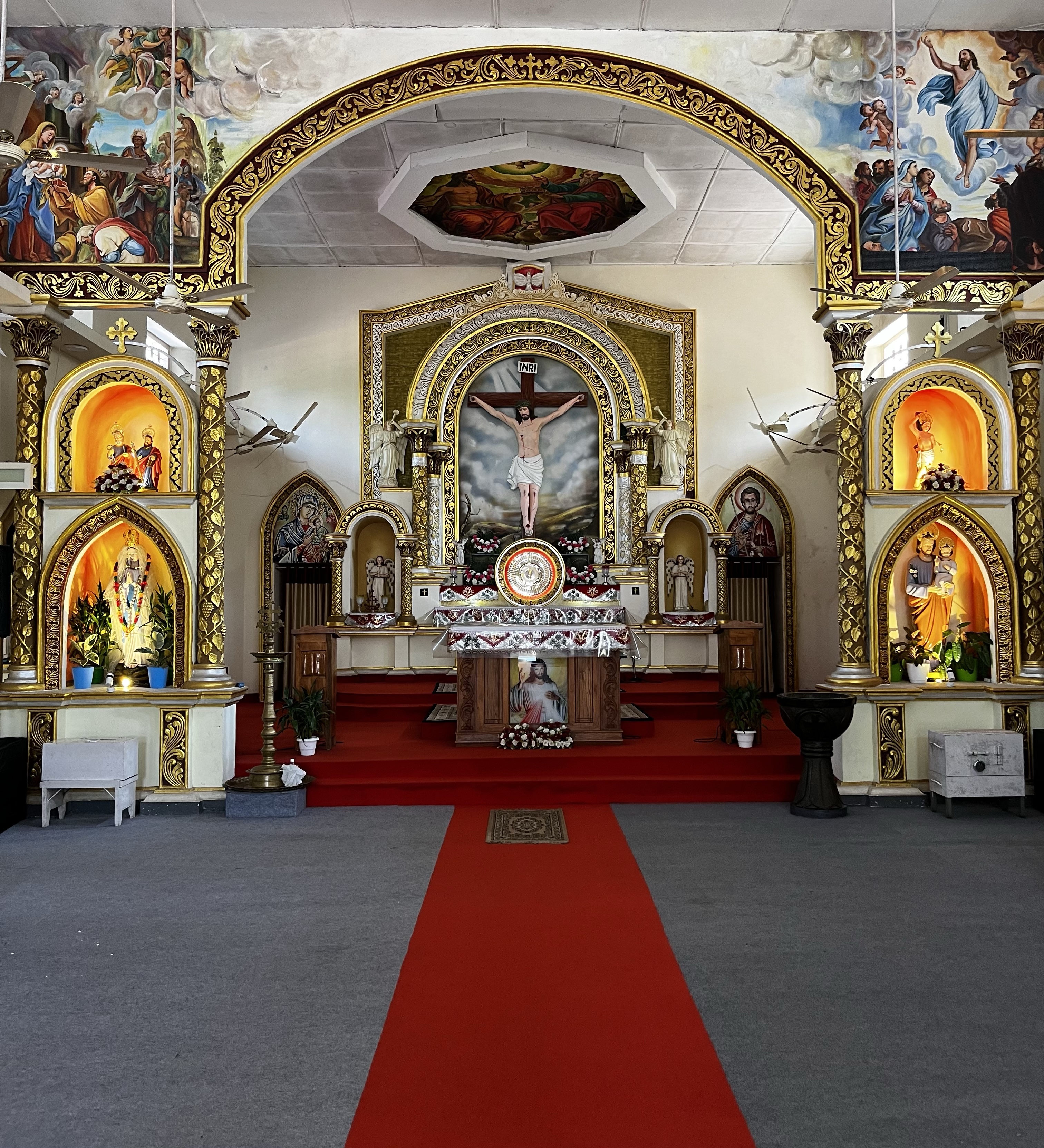
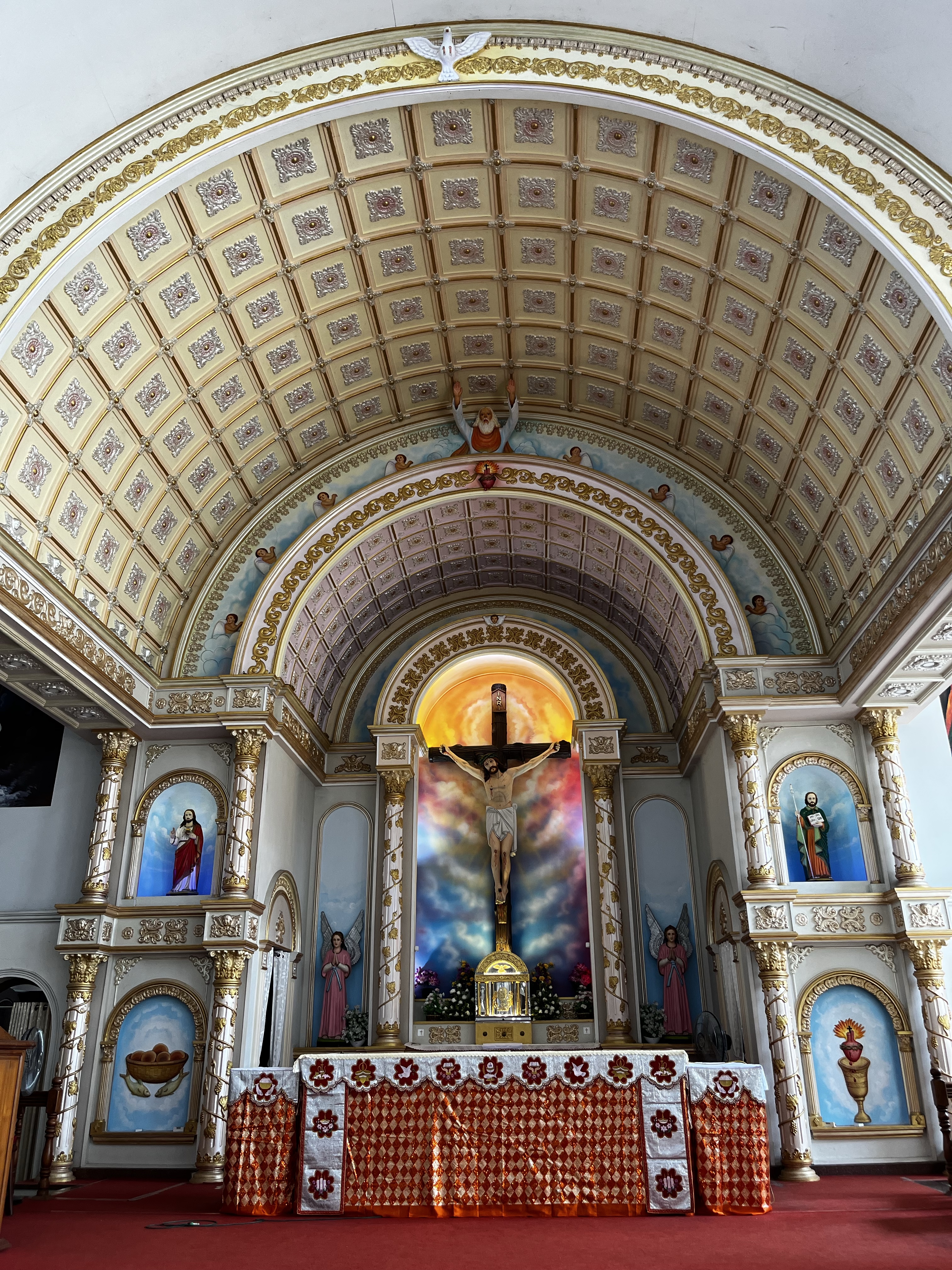
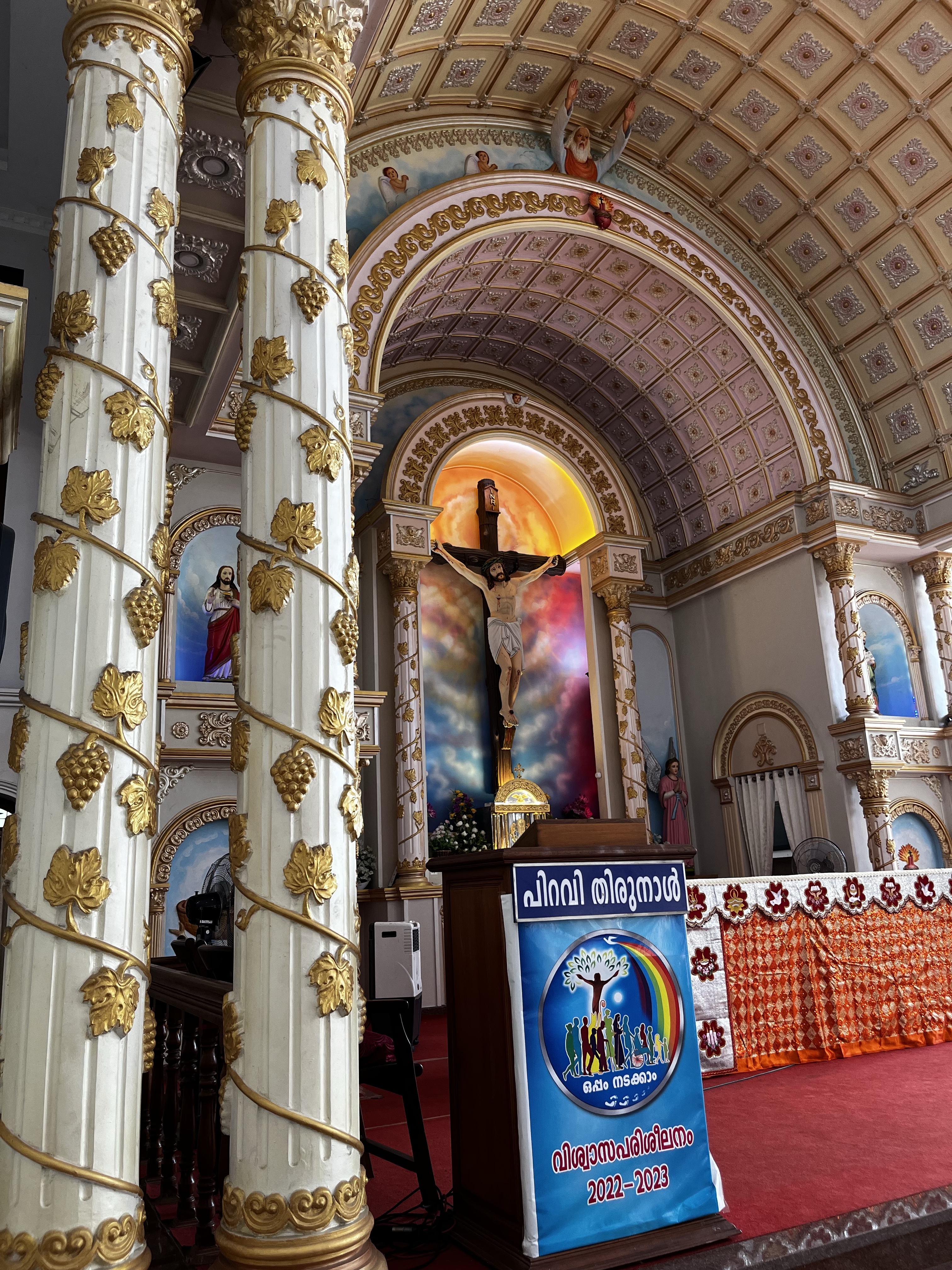
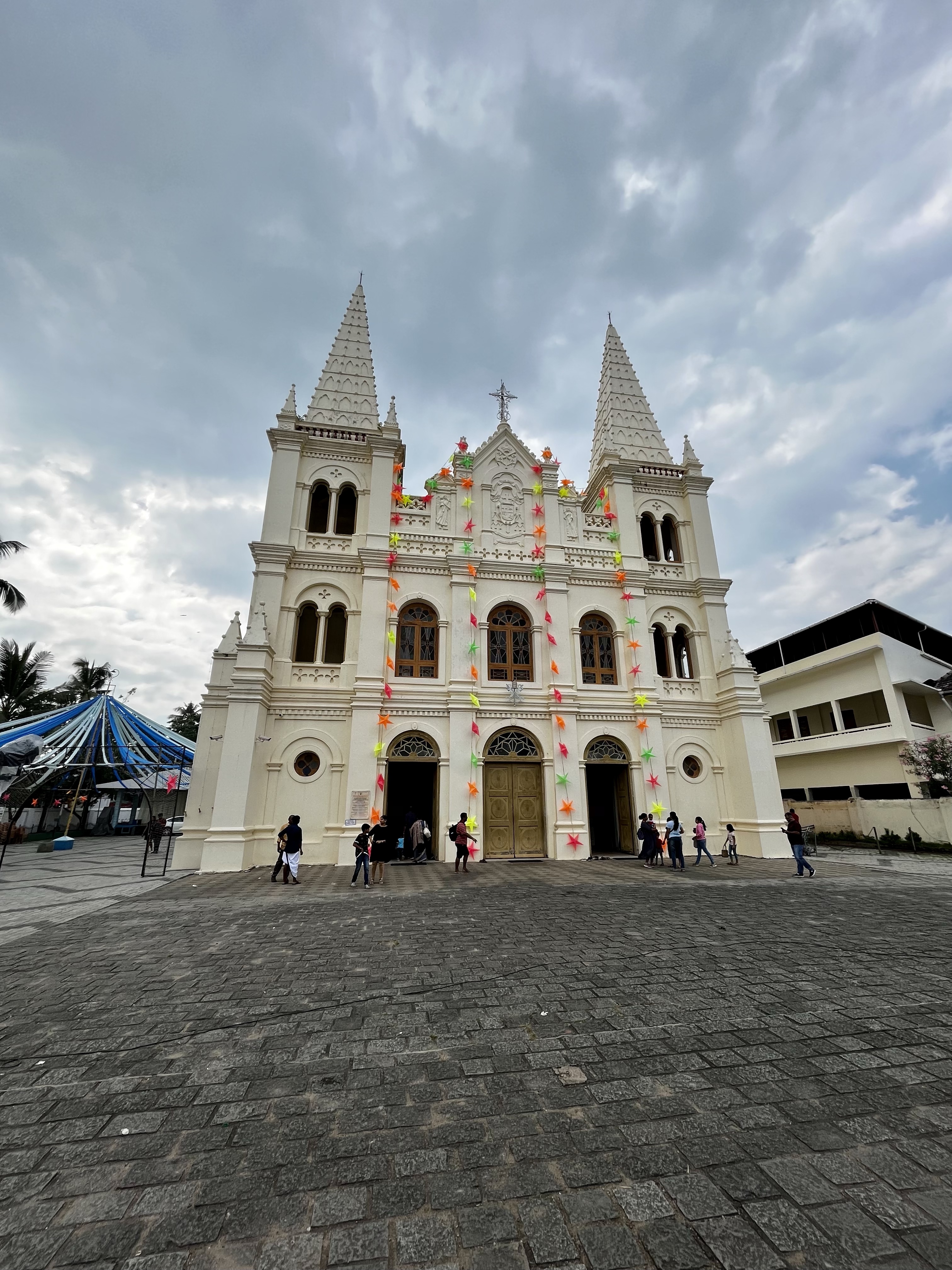
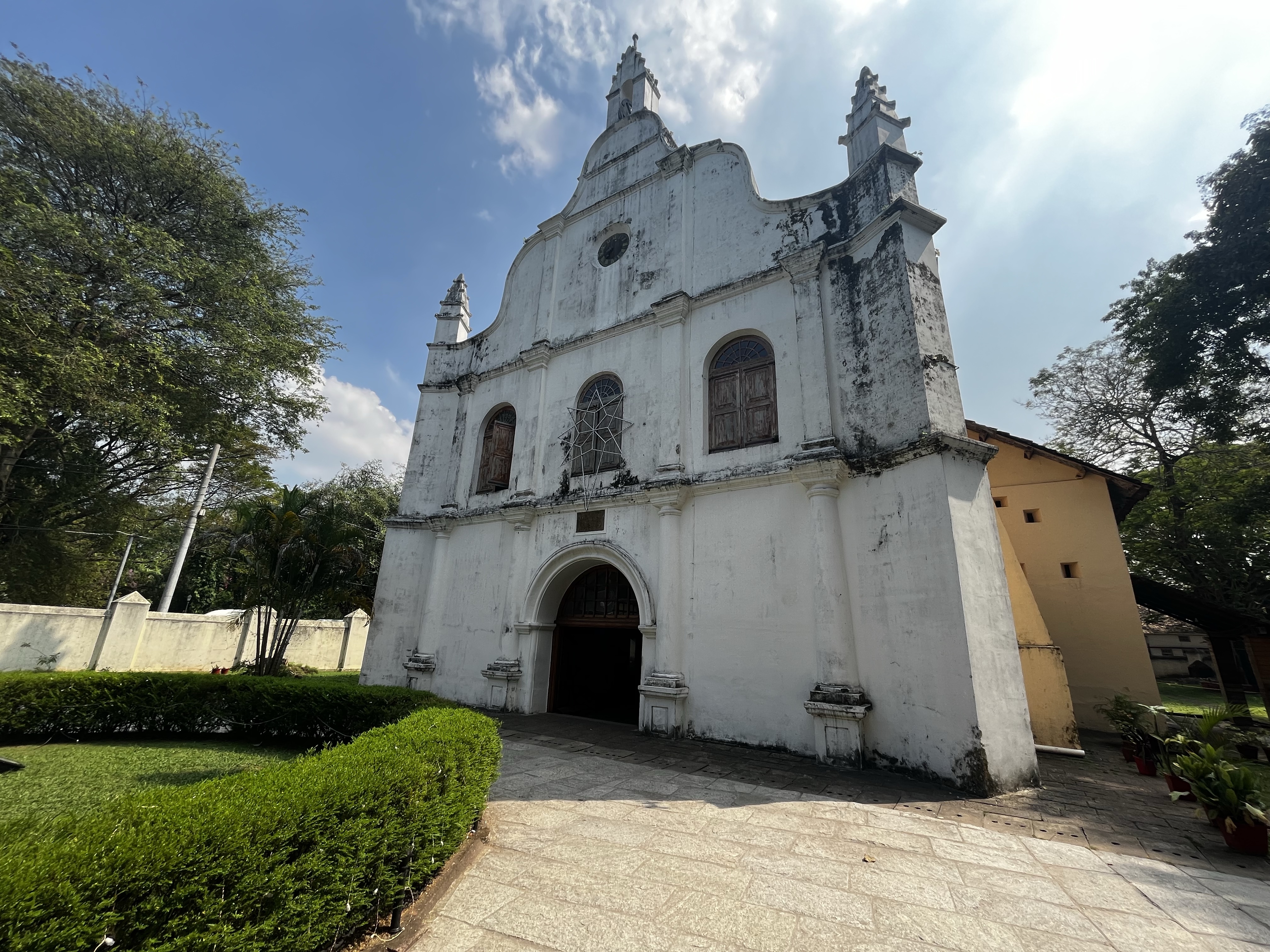
I visited Cochin in the south of India in December, 2022, and was mesmerised by its church architecture. Everywhere in Cochin, you notice domes over spires. Domes are typically Byzantine in design while spires are more Gothic. With its Portuguese connection, I assumed that similar to many other outposts like Malacca, Bombay and Macau, Cochin too will have its church architecture resembling the others with Roman Catholic ancestry.
In Cochin, now called Kochi, I learned about the Syrian Christian sect that forms more than 70% of Christian community in the state of Kerala, but remained intrigued about how this sect of Christianity made its way to India. Along the way, I discovered some unexplored connections with Mesopotamia that is perhaps lost to the modern world.
This post is dedicated to a fellow blogger, Anna of https://fromperthtoperu.wordpress.com whose readership and encouragement makes every blog worth writing. Thank you Anna.
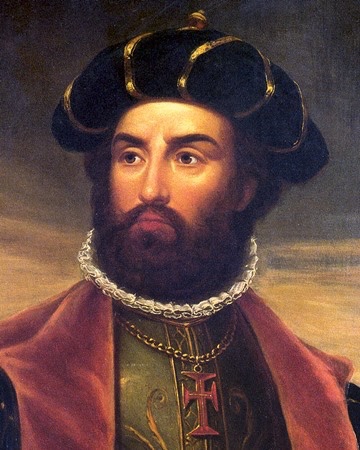
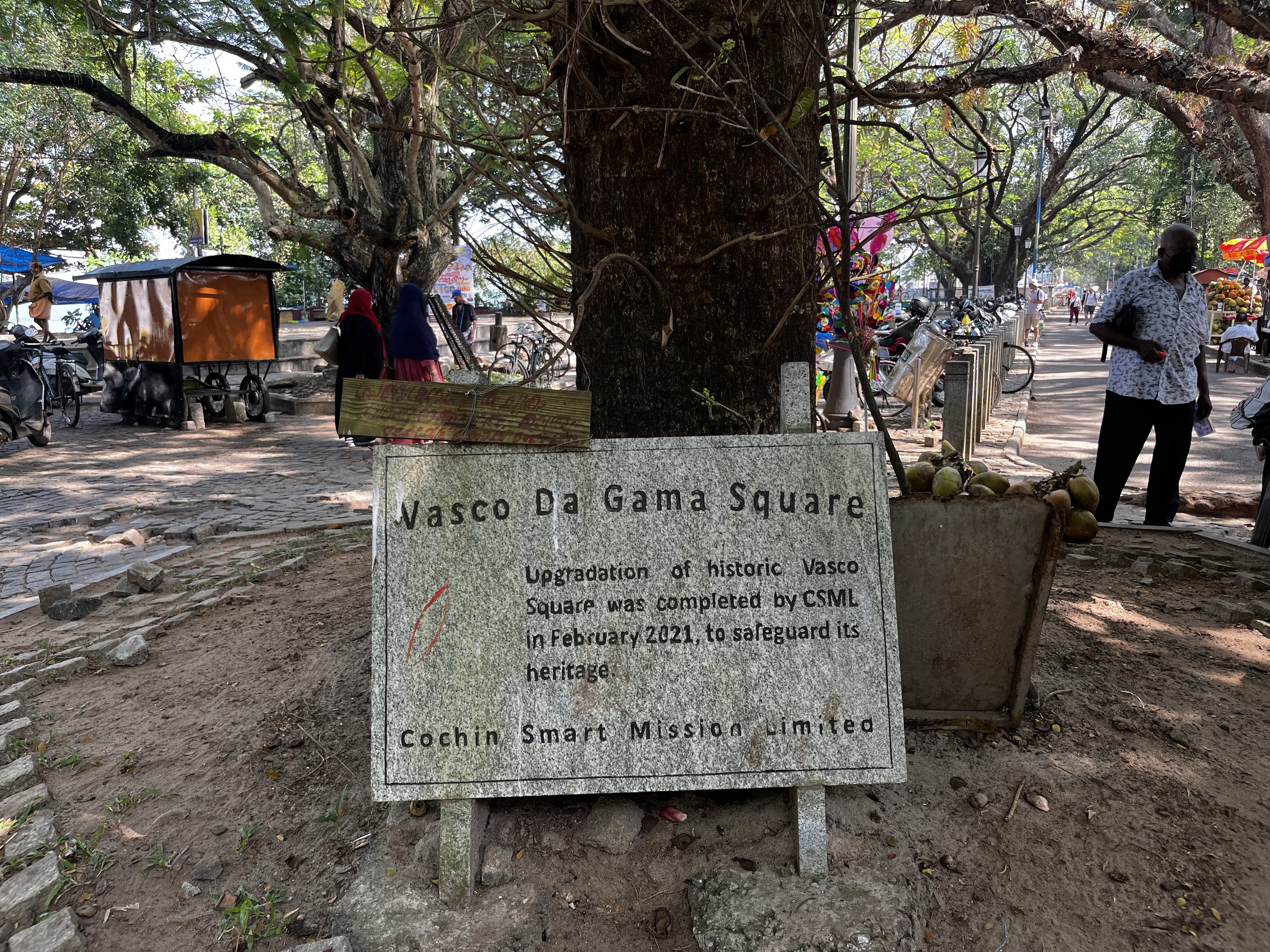
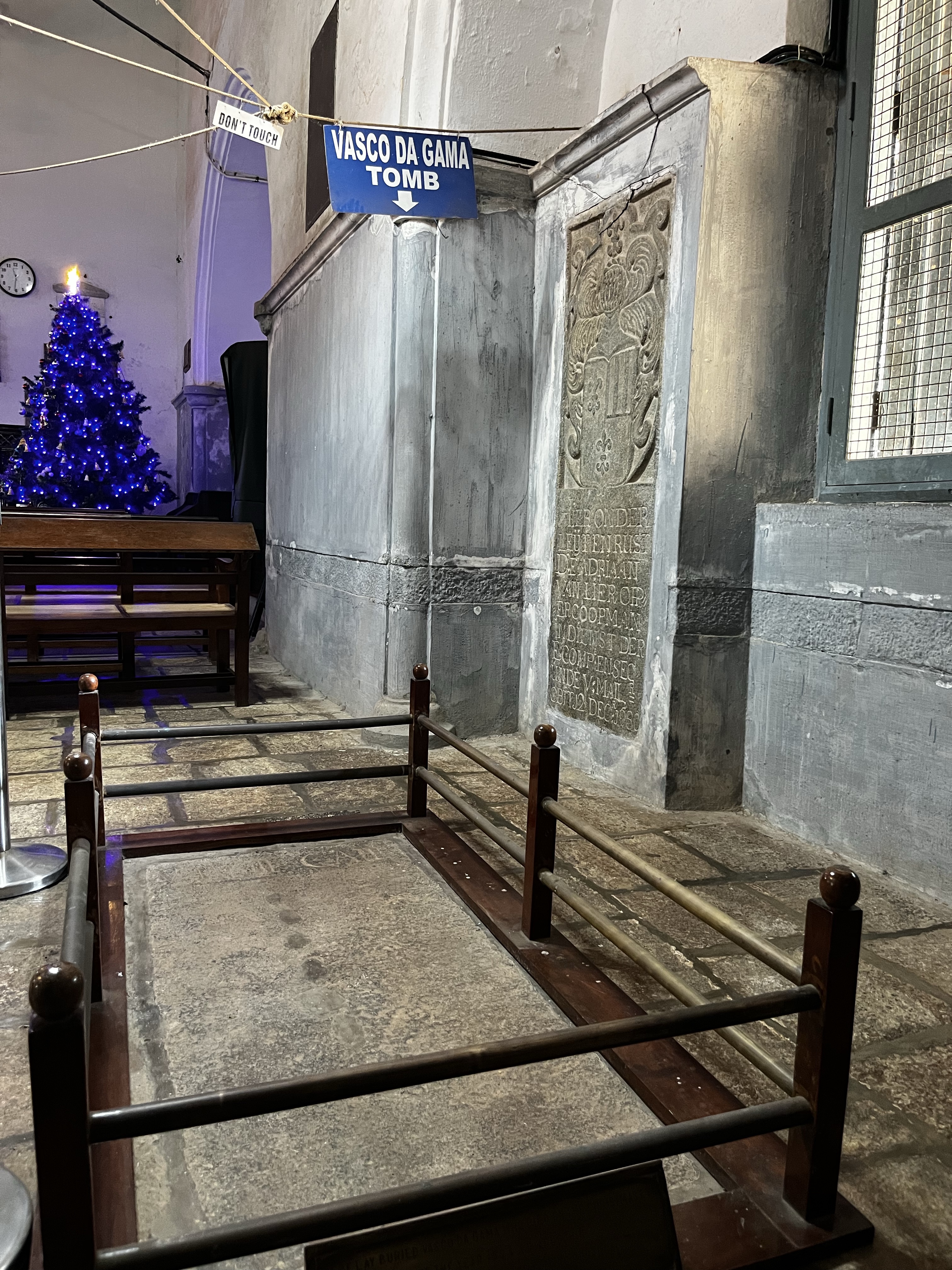
The journey to India by Western world starts with Vasco da Gama who discovered the spice route to India. Da Gama also brought with him Roman Catholicism; however, he and his successors remained unsuccessful converting the southern part of India from Chaldean or Nestorian form of Christianity. Instead, da Gama found more success further north in Goa which remains a hub of Roman Catholic community.
Cochin’s alignment with Syrian Christianity has roots Mesopotamia. Emperor Ardashir founded the Sasanid empire which extended across present-day Iraq and Iran and established Ctesiphon along Tigris river, as its capital while incorporating the Hellenistic city of Seleucia within his empire. He reasserted Zoroastrianism as the main religion and made Aramaic the lingua franca.
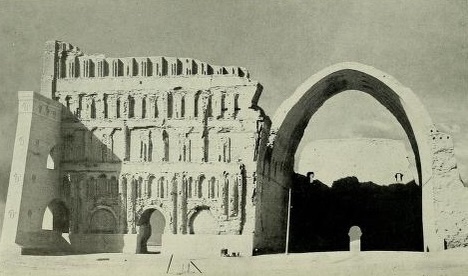
At the entranceway of Ctesiphon was a large archway to the capital city called the Arch of Ctesiphon or Taq Kasra.
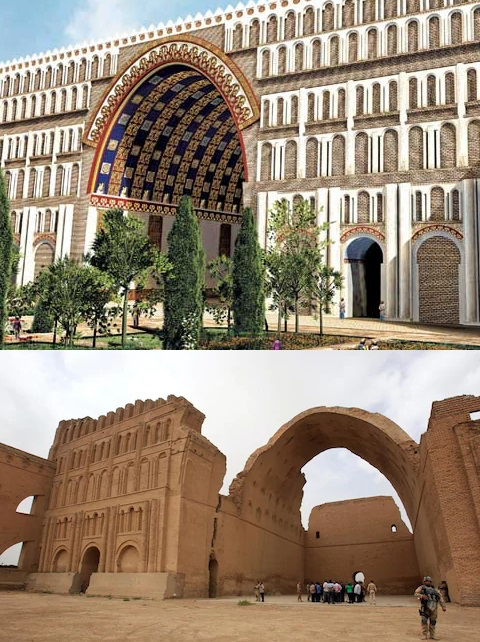
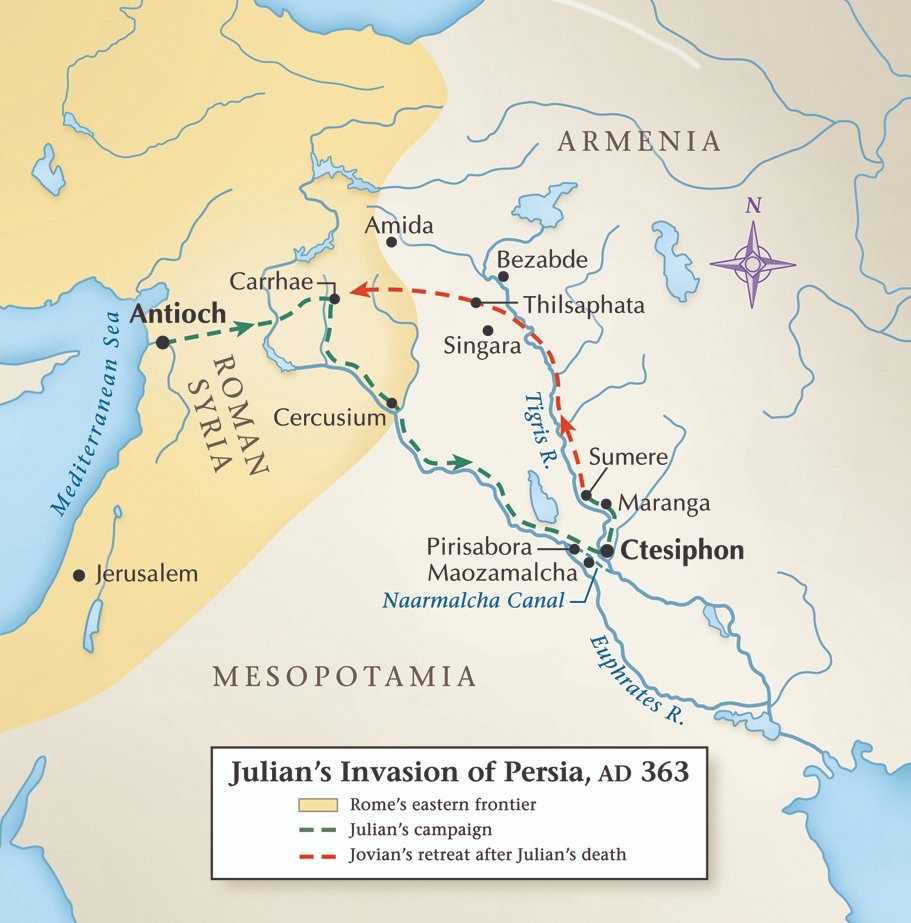
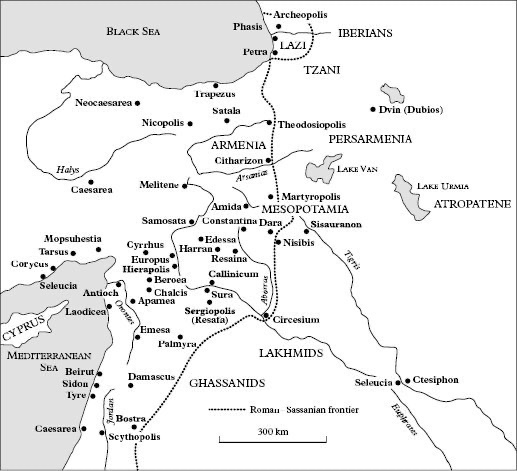
Persia and Greece have for long had a tumultuous past – formerly owing to Alexander’s conquest of Persepolis and later became embroiled in wars over establishing religious dominance.
In 430 AD, the archbishop of Constantinople, Nestorius, rankled up the religious divide further by going against the edicts of the church. Rejected by the Byzantine Empire, Nestorious went on to create the Church of the East that has influenced China, India and many parts of Central Asia.
The Sasanians who followed Zoroastrianism, were traditionally more tolerant of other religions and sheltered Judaism, Christianity, as well as minority communities from Greece (Seleucid), Akkadian (Semitic speaking people) and Assyria. The Nestorians who defected Byzantine were also given refuge as a sign of defiance to the empire that was associated with the Roman Catholicism.
In fact, Mesopotamia has been the most frequent battleground – whether it was between Macedonia (Alexander) and Achamanid (Darius) or Rome (Byzantine) and Persia (Sasanian), or later crusades between the Arab world and Rome. The land that was once Mesopotamia remains contested by so many rulers to this day – a story for another day.
Given the nature of its own origins of being rejected and seen as heretics, the Syrian Church continued to rebel against Roman Catholicism. This is starkly apparent in Cochin and remains the case in the wider Kerala state to which Cochin belongs, whose over 70% Syrian Christian community did not allow da Gama to establish Roman Catholicism.
Anyway, under the Sasanian Empire, the Church of East became the Persian Church and later came to be know as the Syrian Church owing to its roots in Aramaic speaking community who lived in Mesopotamia. It is believed Thomas the Apostle is believed to be the first evangelist to establish the Assyrian Church of the East and travelled to India to teach its gospel though this belief is contested.
How then did Syrian Christianity come to India? How did Nestorian spread his theology? Who were his missionaries and how did they come to south of India and not the north of India which was how many conquests, including Alexander, came? Did the spice route play a role then? Many of these questions I have not found answers to, though the church architecture and rebellions against Roman Catholicism indicate strong belief in the Church of the East.
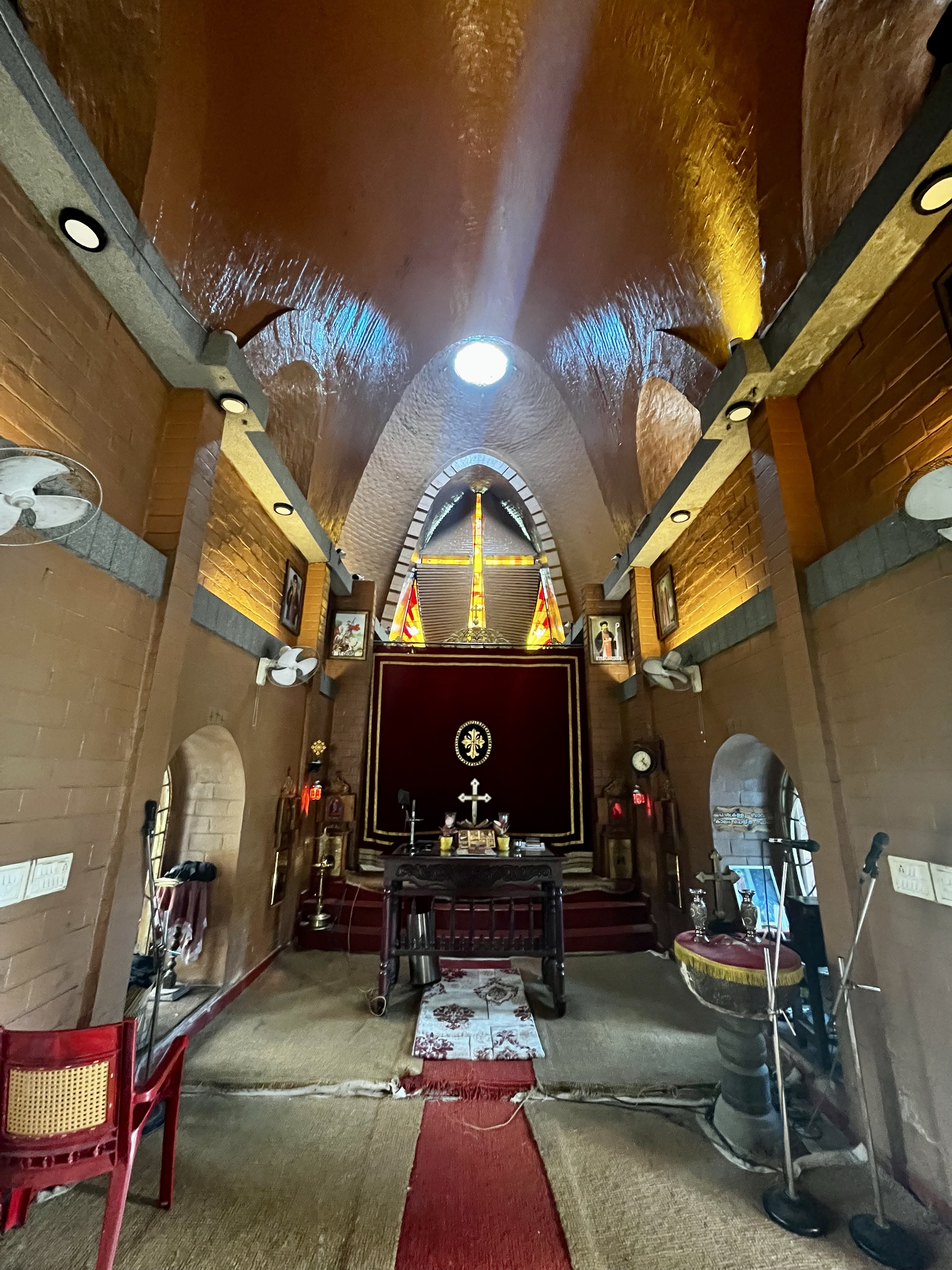
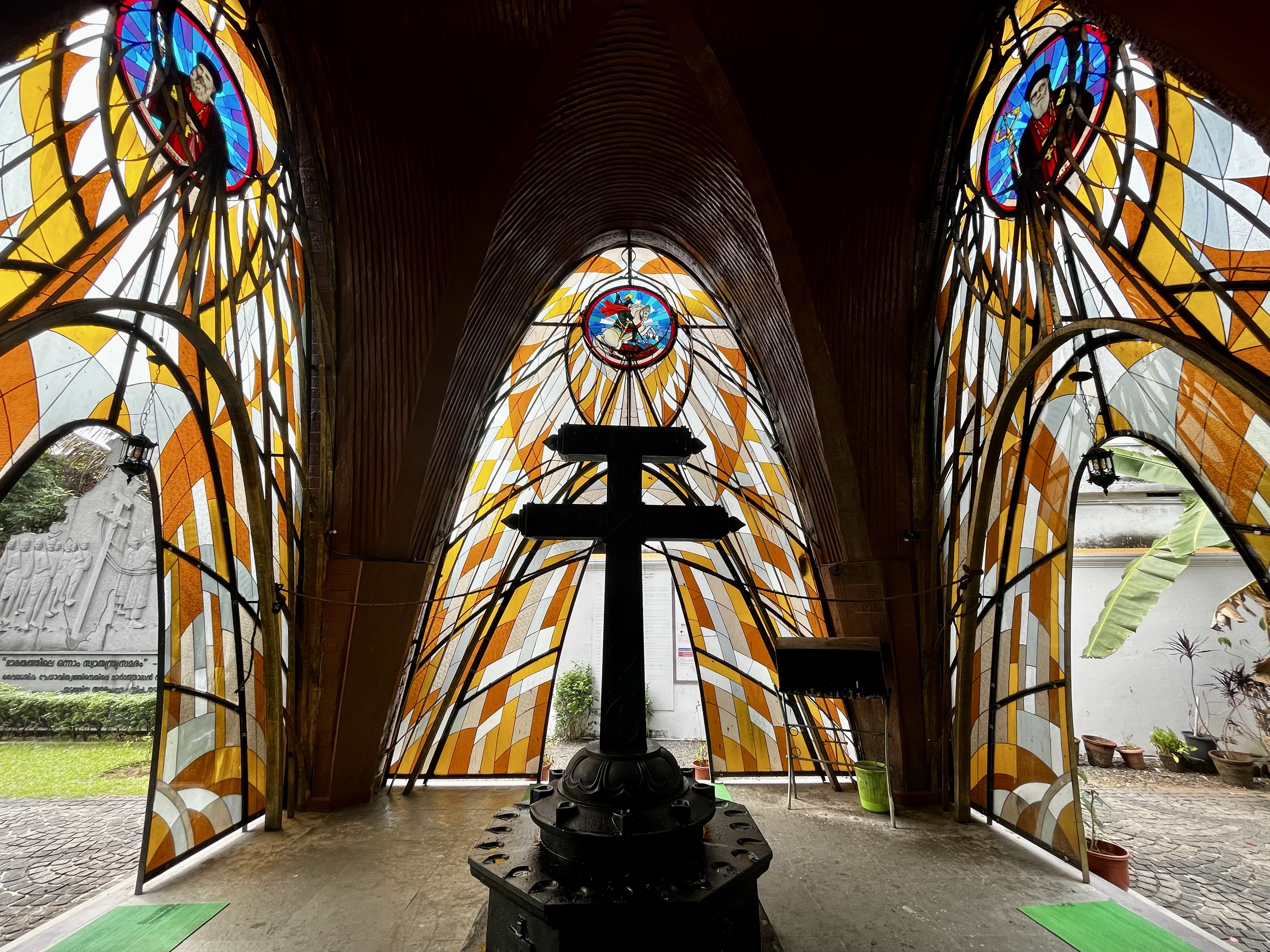
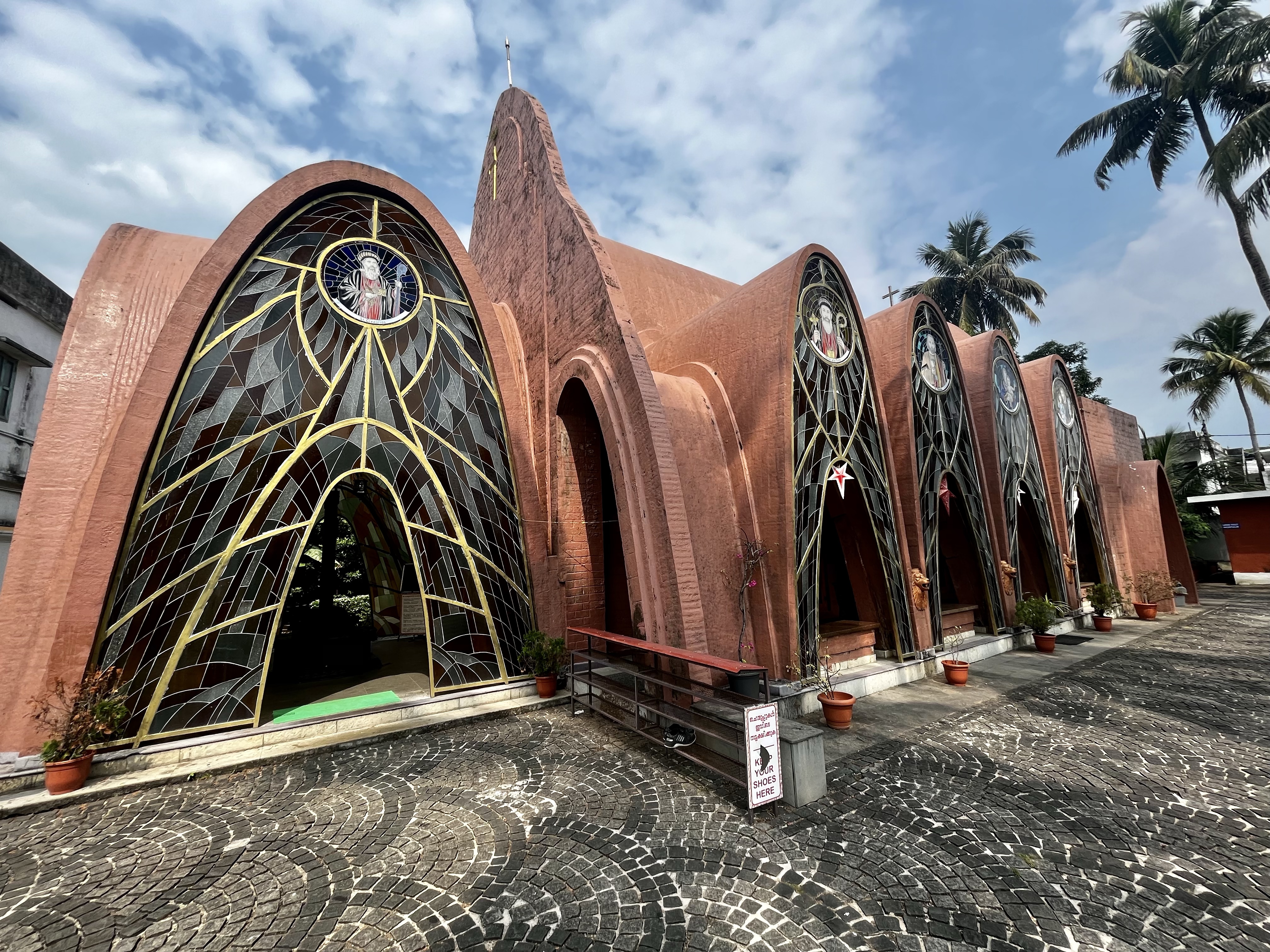
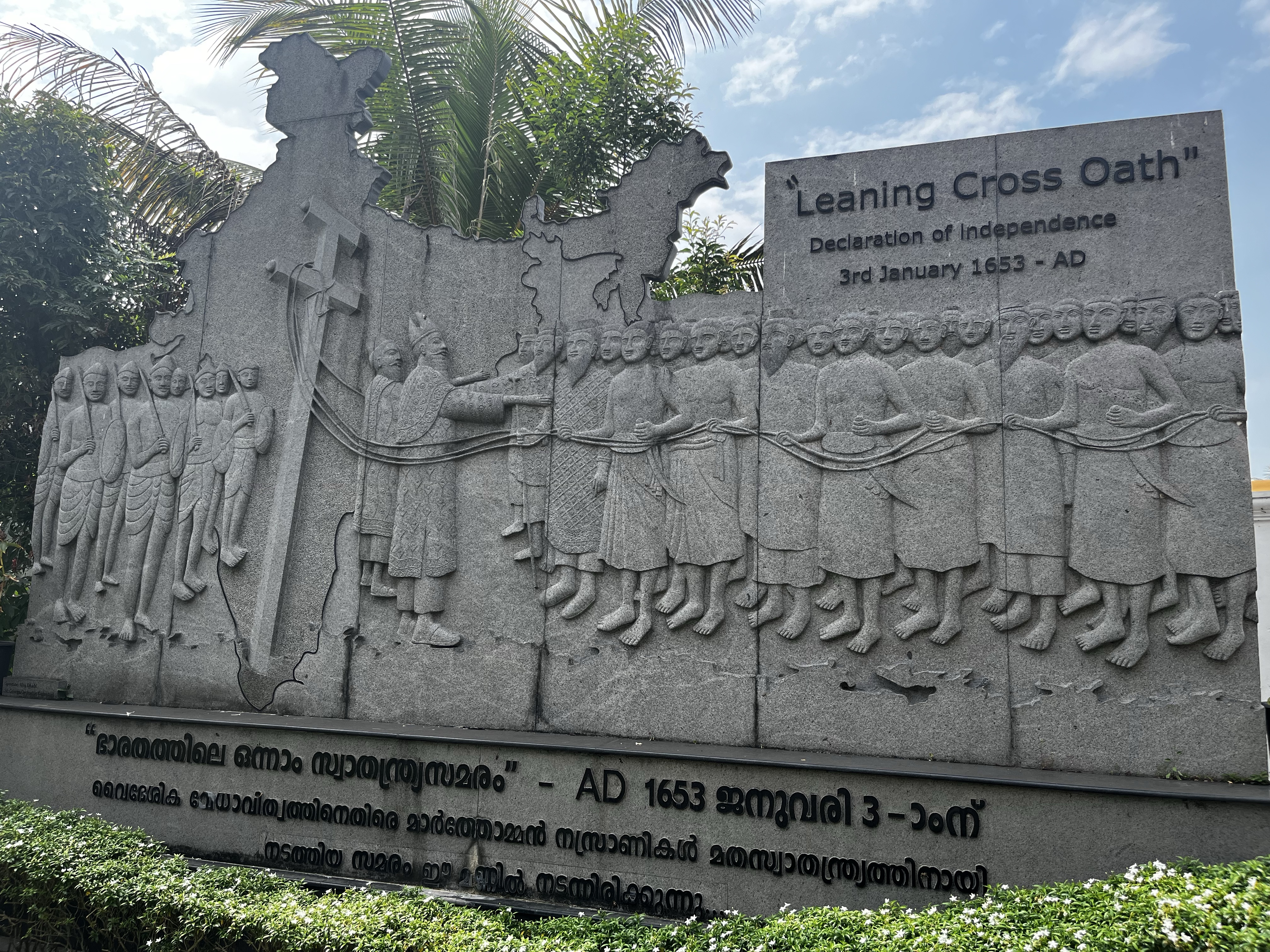
The Coonan Cross Church in Cochin represents an oath taken by the members of the Saint Thomas Christians that they would not submit to the Latin Catholic hierarchy, nor accept Portuguese authority of Catholic Church. Saint Thomas Christians were originally in communion with the Church of the East, that practiced East Syriac Rite liturgy. However, the Portuguese did not accept the legitimacy of local ecclesiastical traditions, and began to impose Latin usages upon the local Christians. In 1653, after half a century of the increasing influence of the Latin Church, the majority of the Saint Thomas Christians resisted Padroado Jesuits, and took the Coonan Cross Oath pledging to liberate themselves from latinisation and Portuguese domination. [Source: Wikipedia]
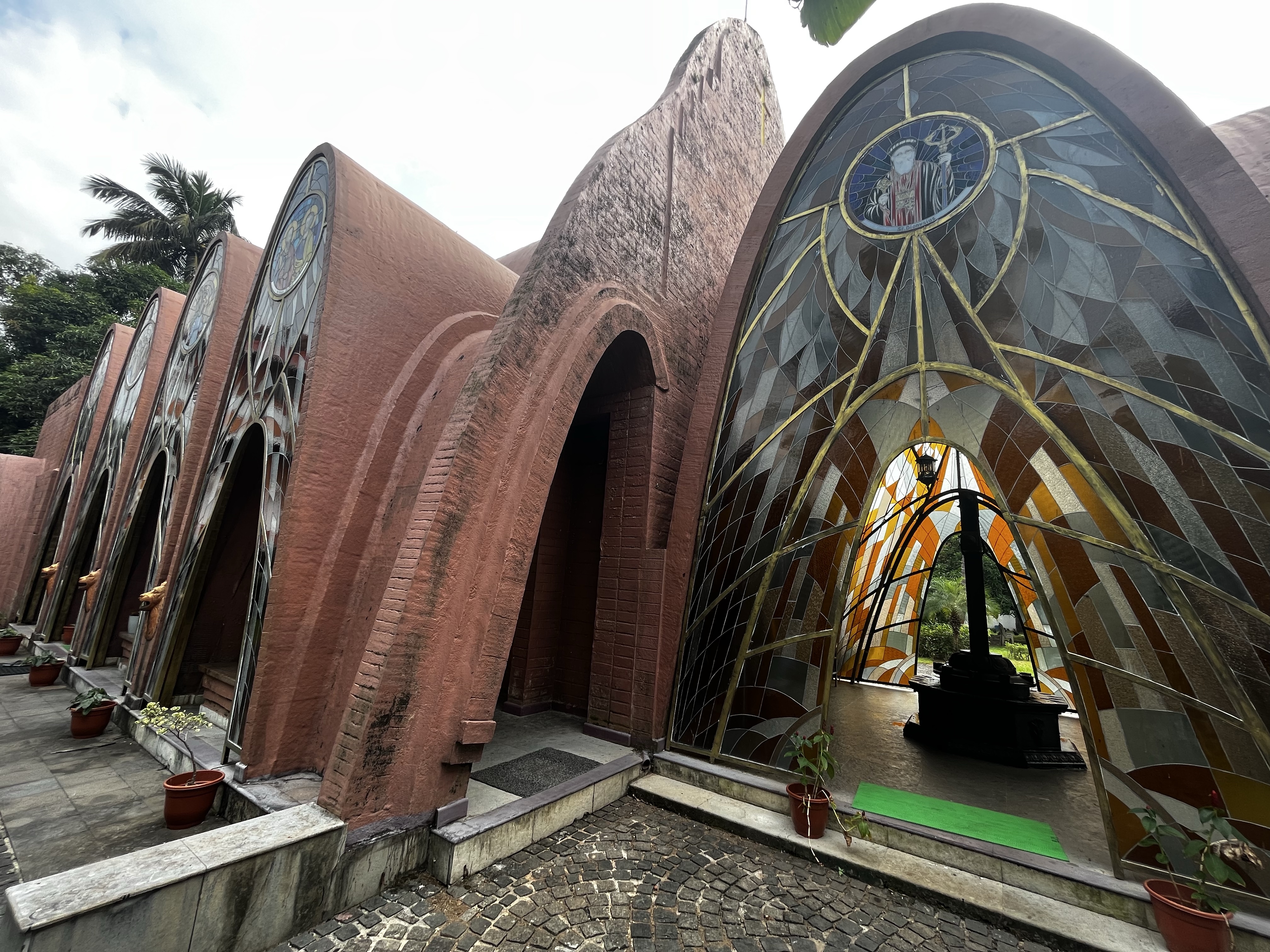
When it came to religious architecture – and that is where my keen sense of curiosity comes from – the Church of the East may have looked to the classical Greek world for artistic inspiration and probably employed Greek masons living in Mesopotamia for construction. The only clue I could find was the design of the domes that connect with the Arch of Ctesiphon though I am no historian, only an observer. (I welcome anyone with more information about the architecture to share their thoughts via comments.)
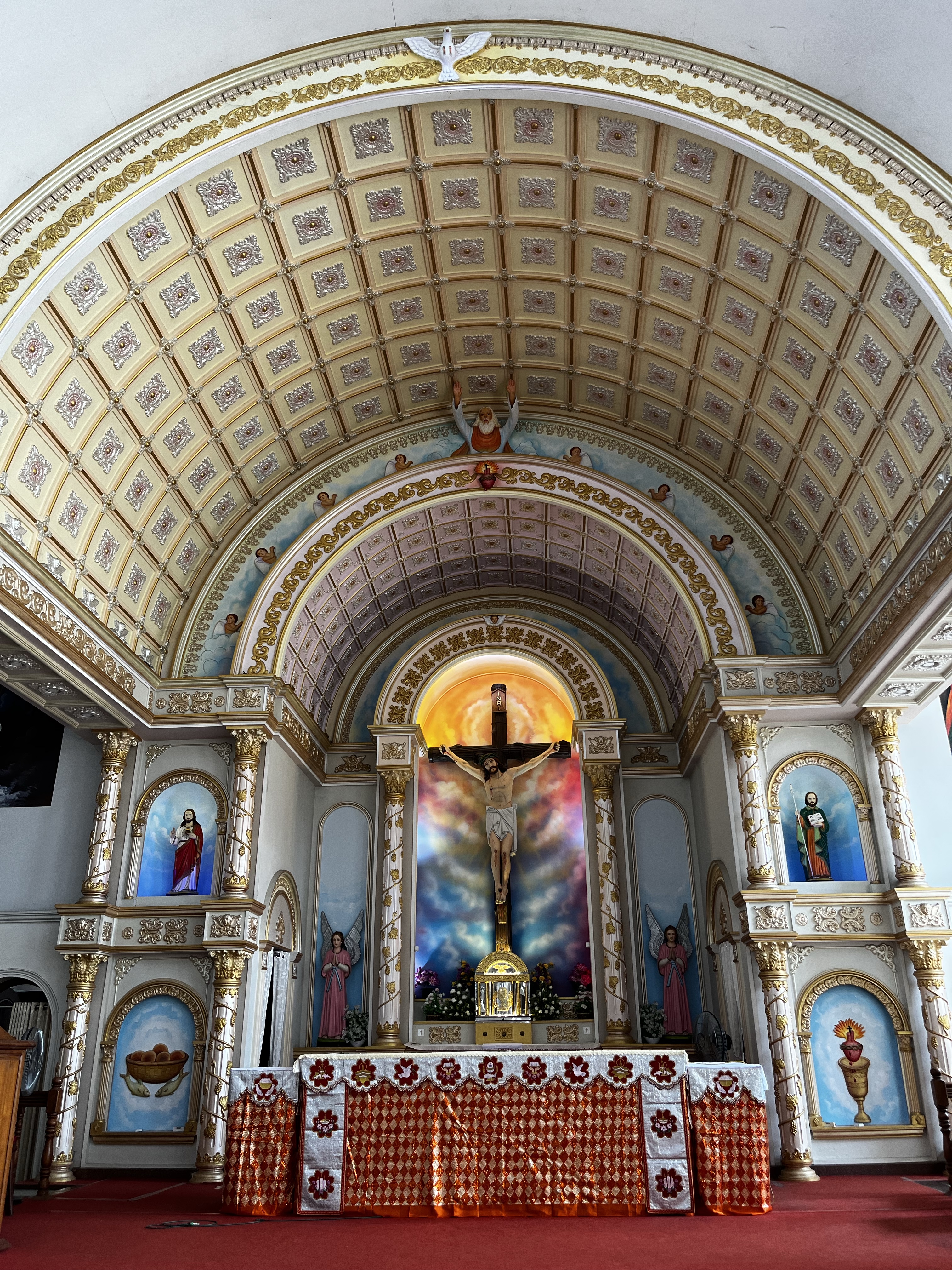
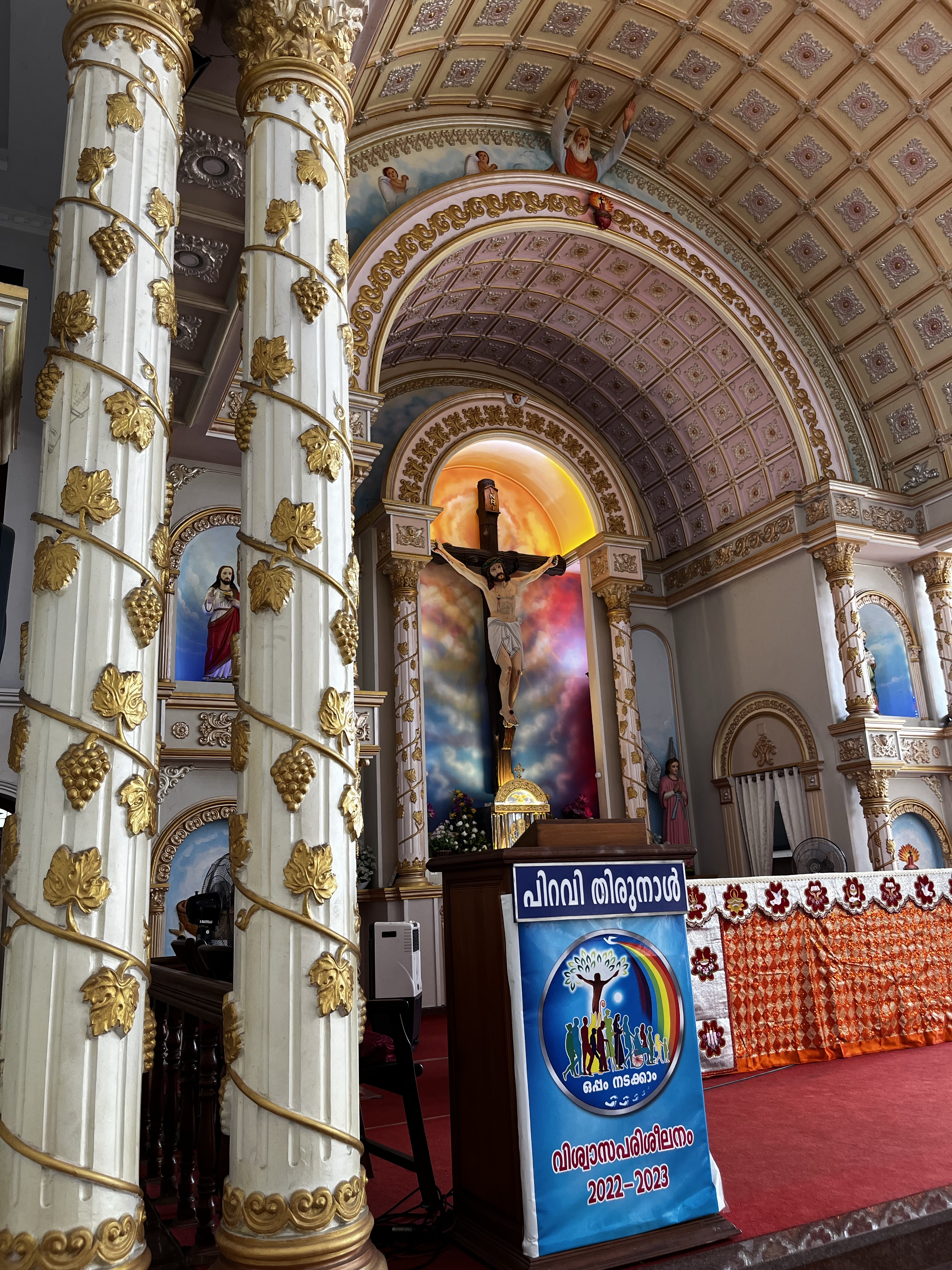
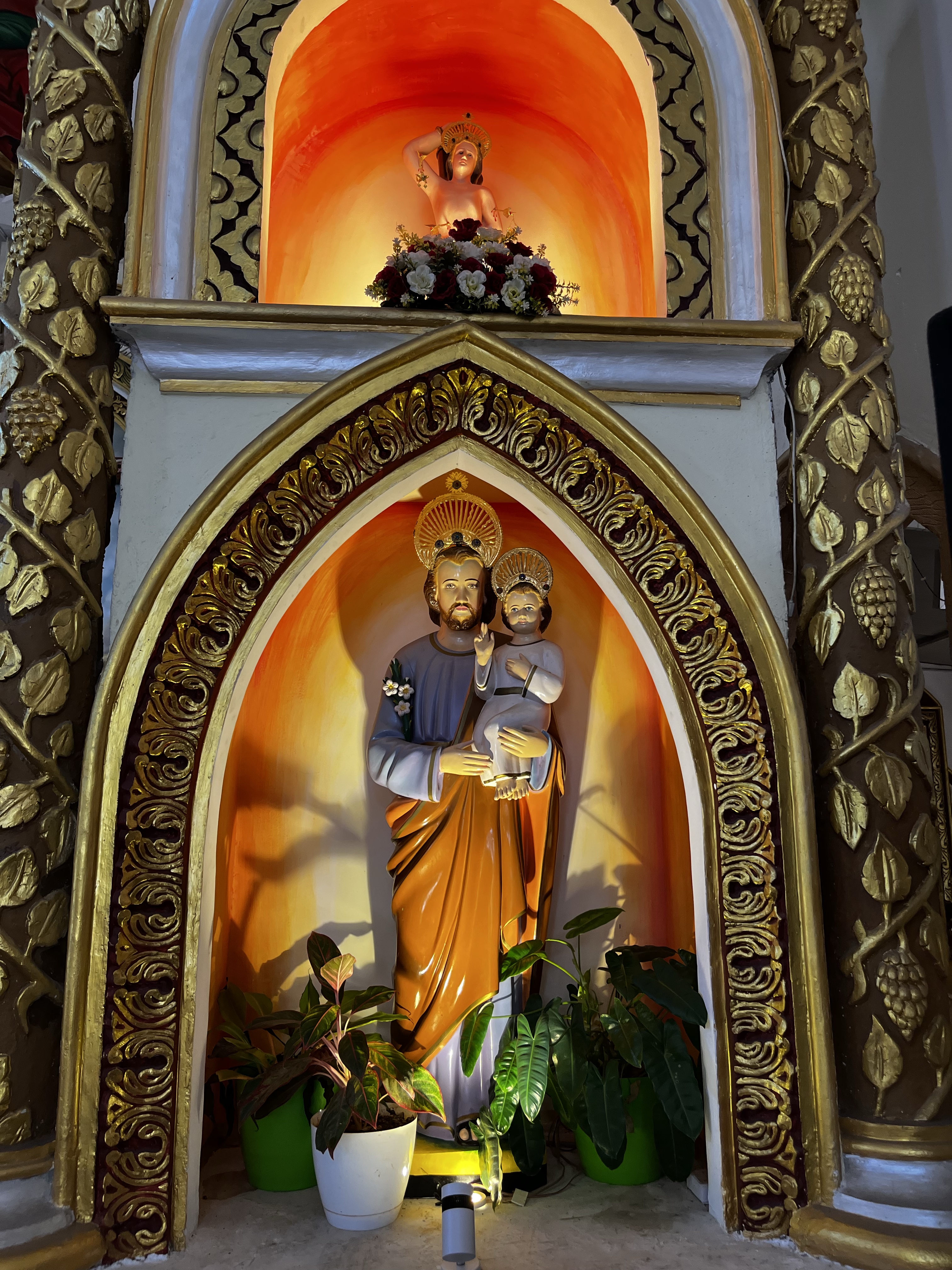
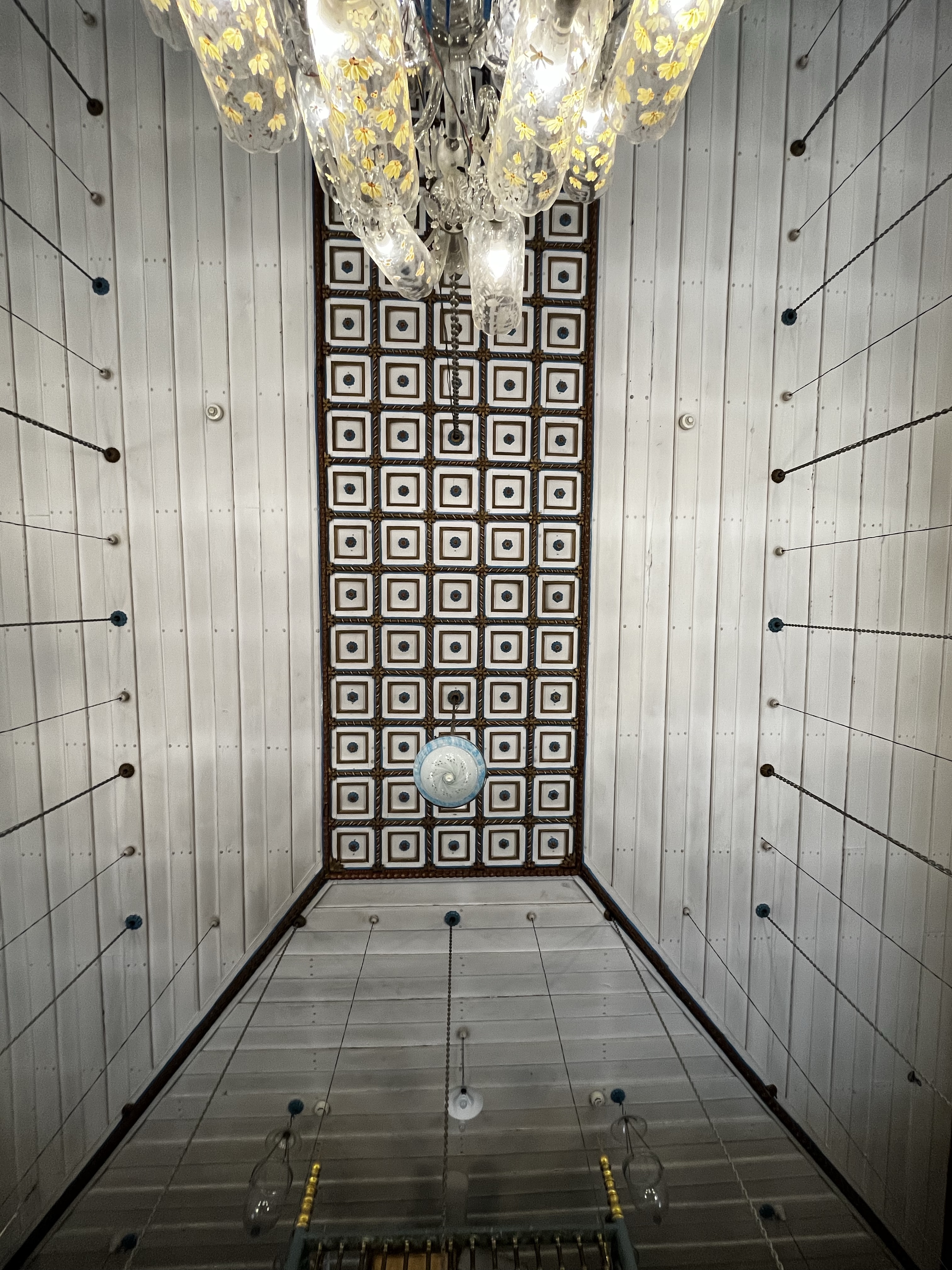
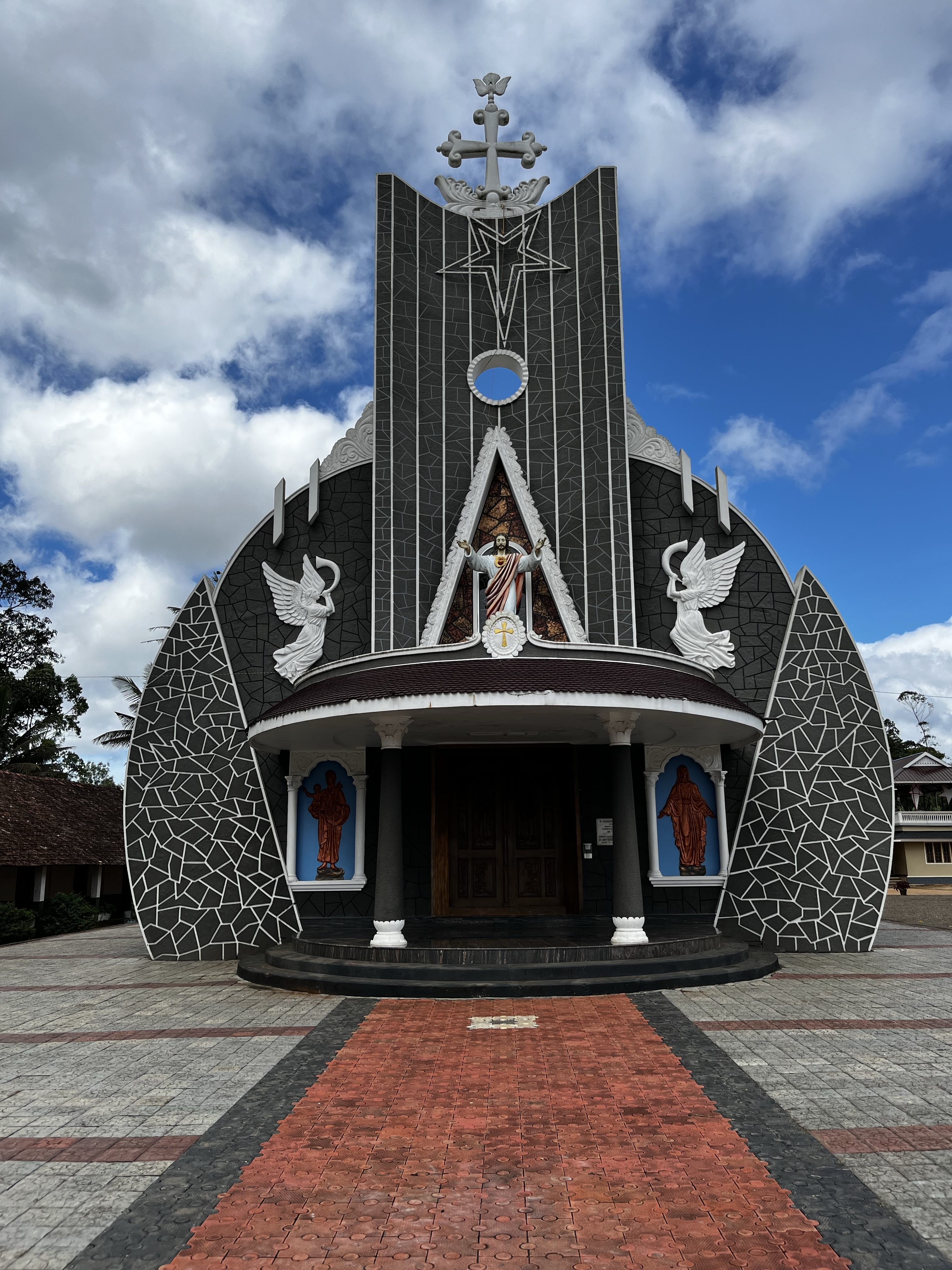
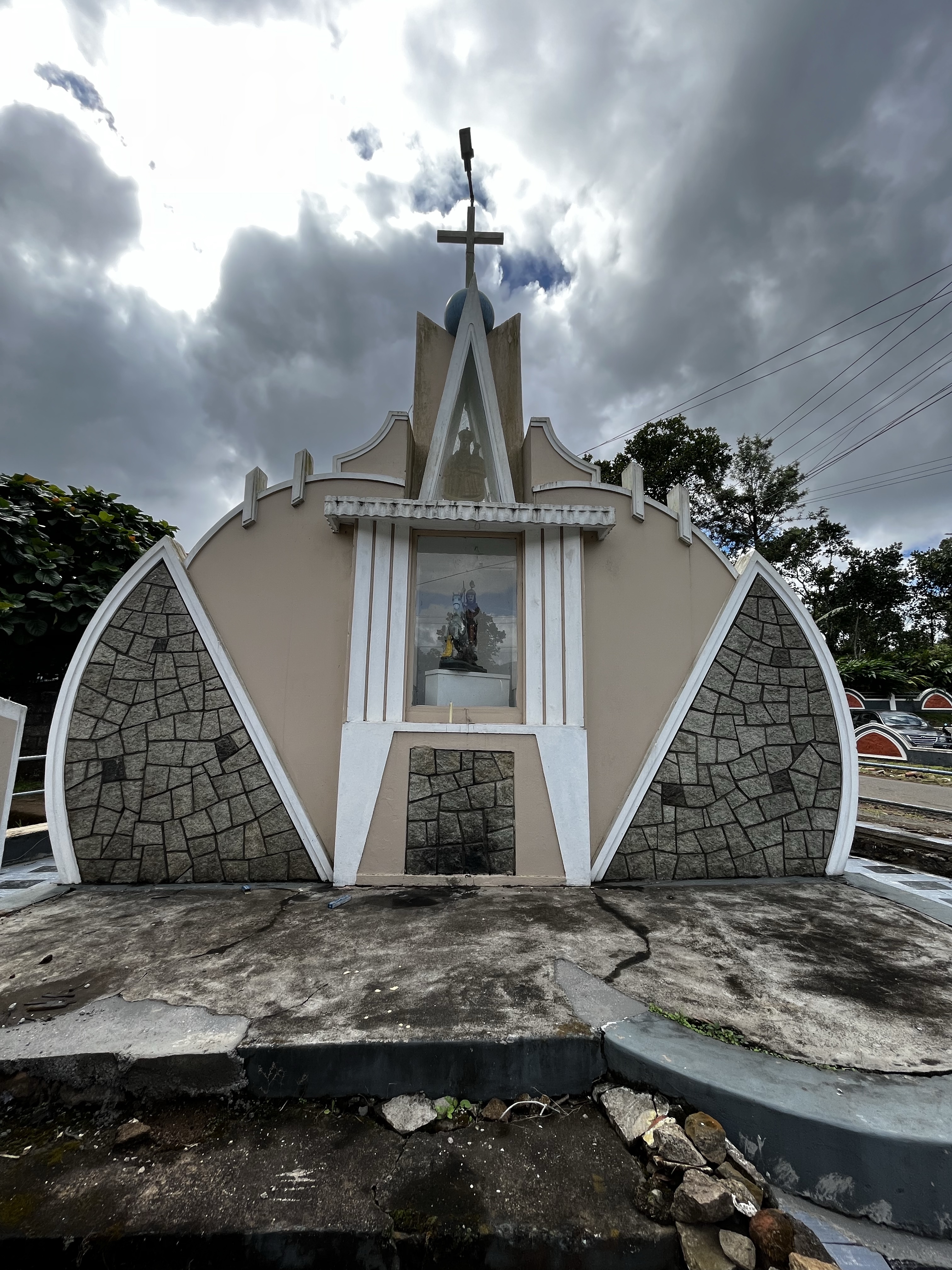
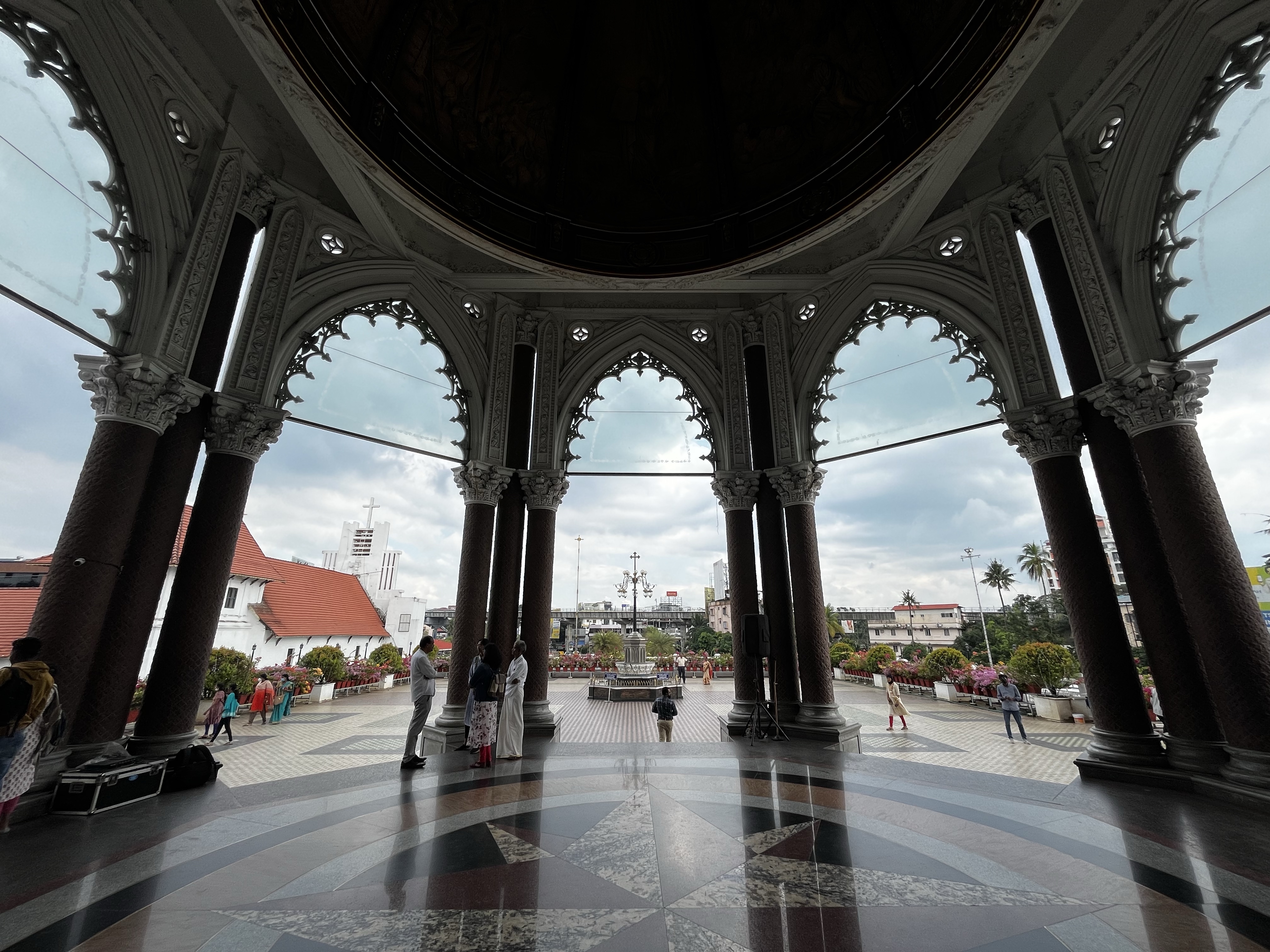
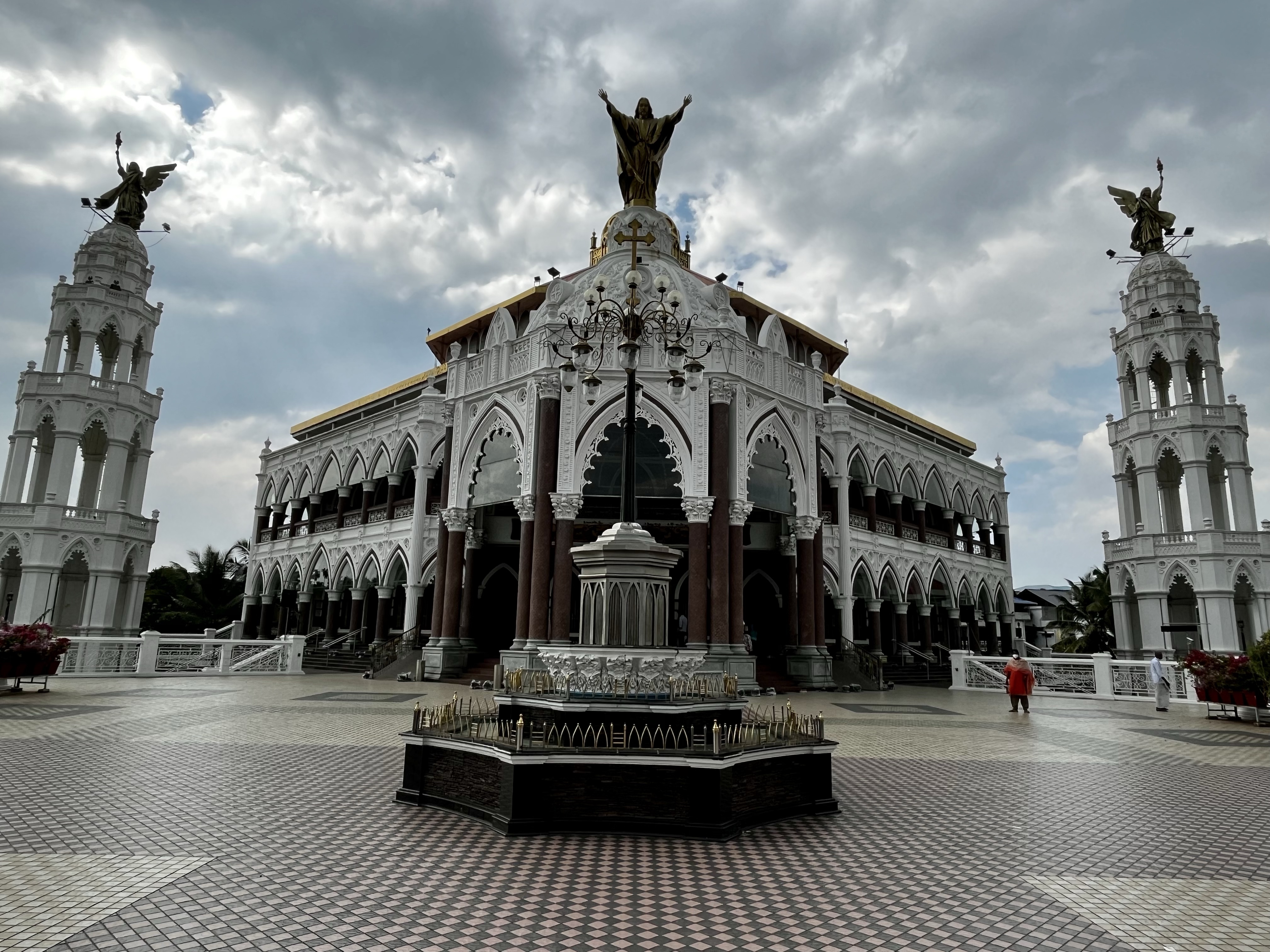
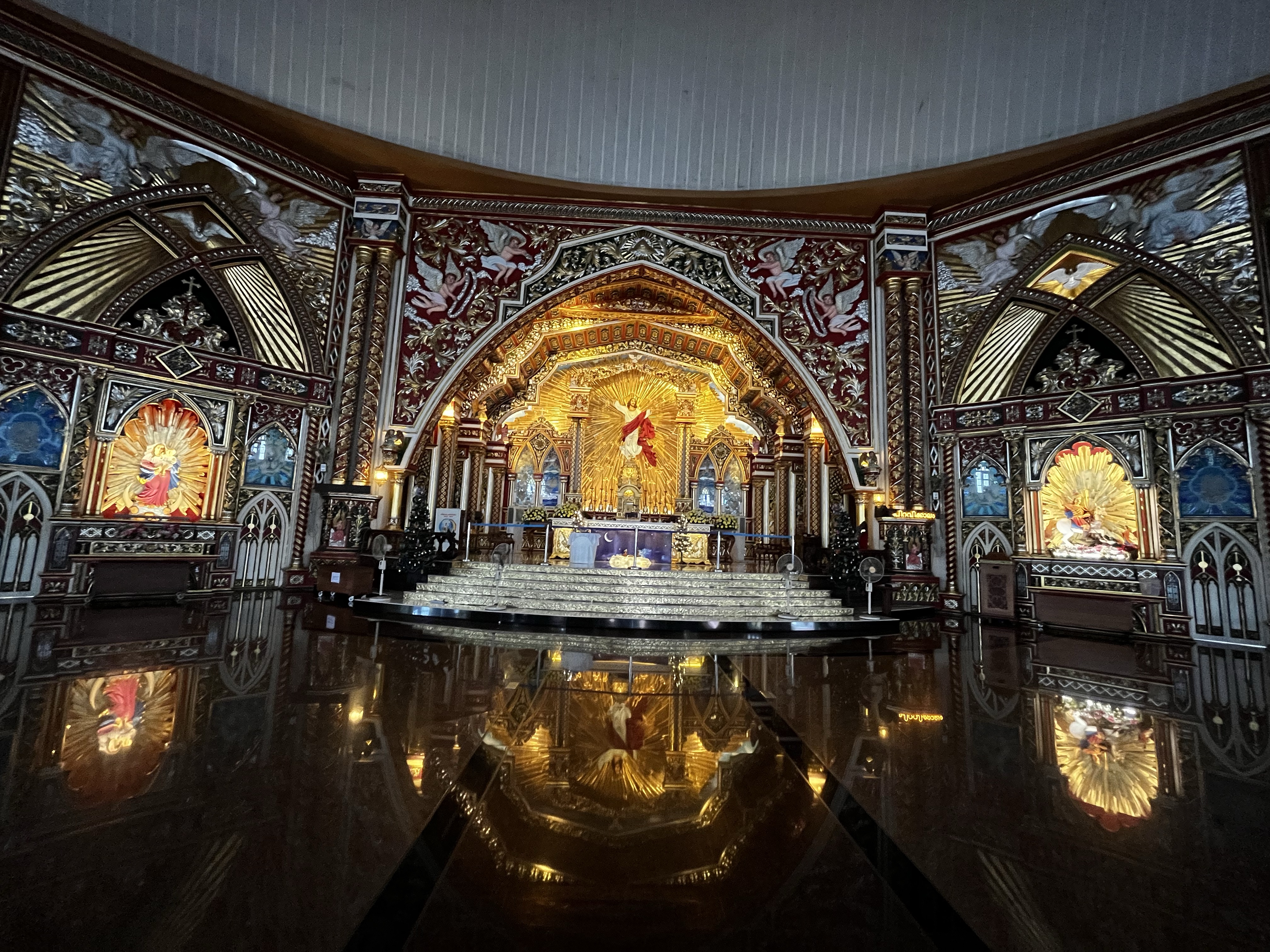
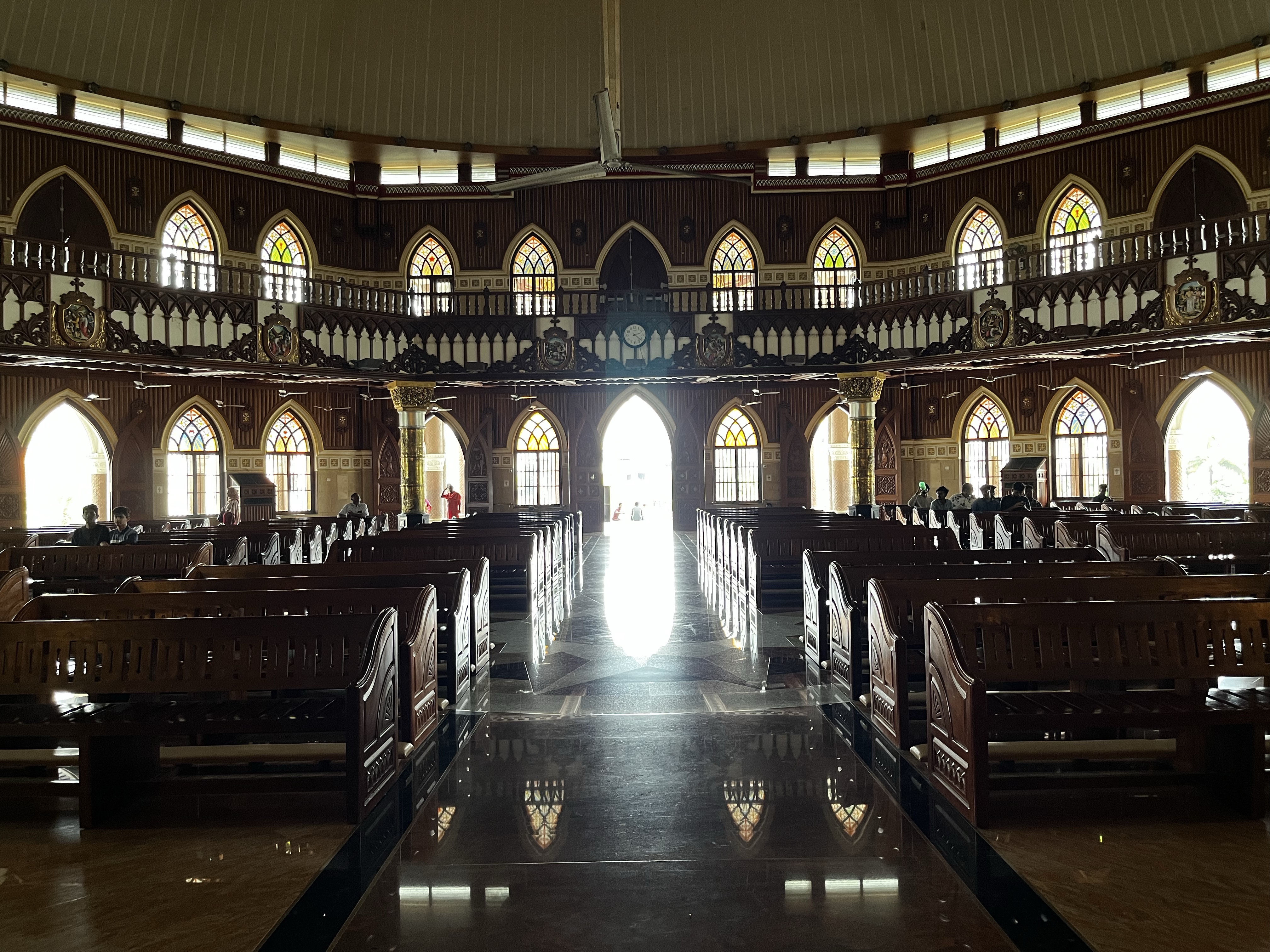
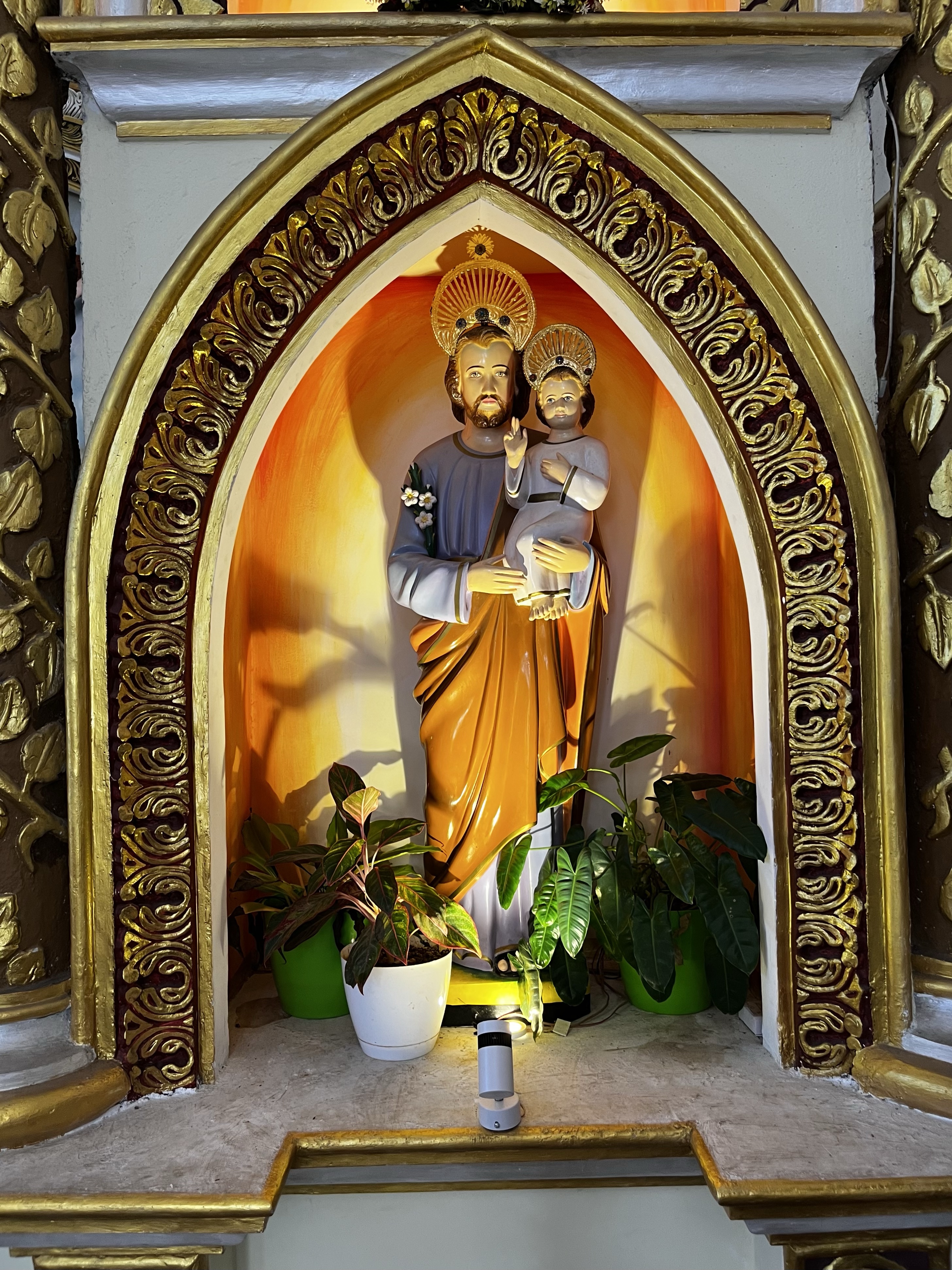
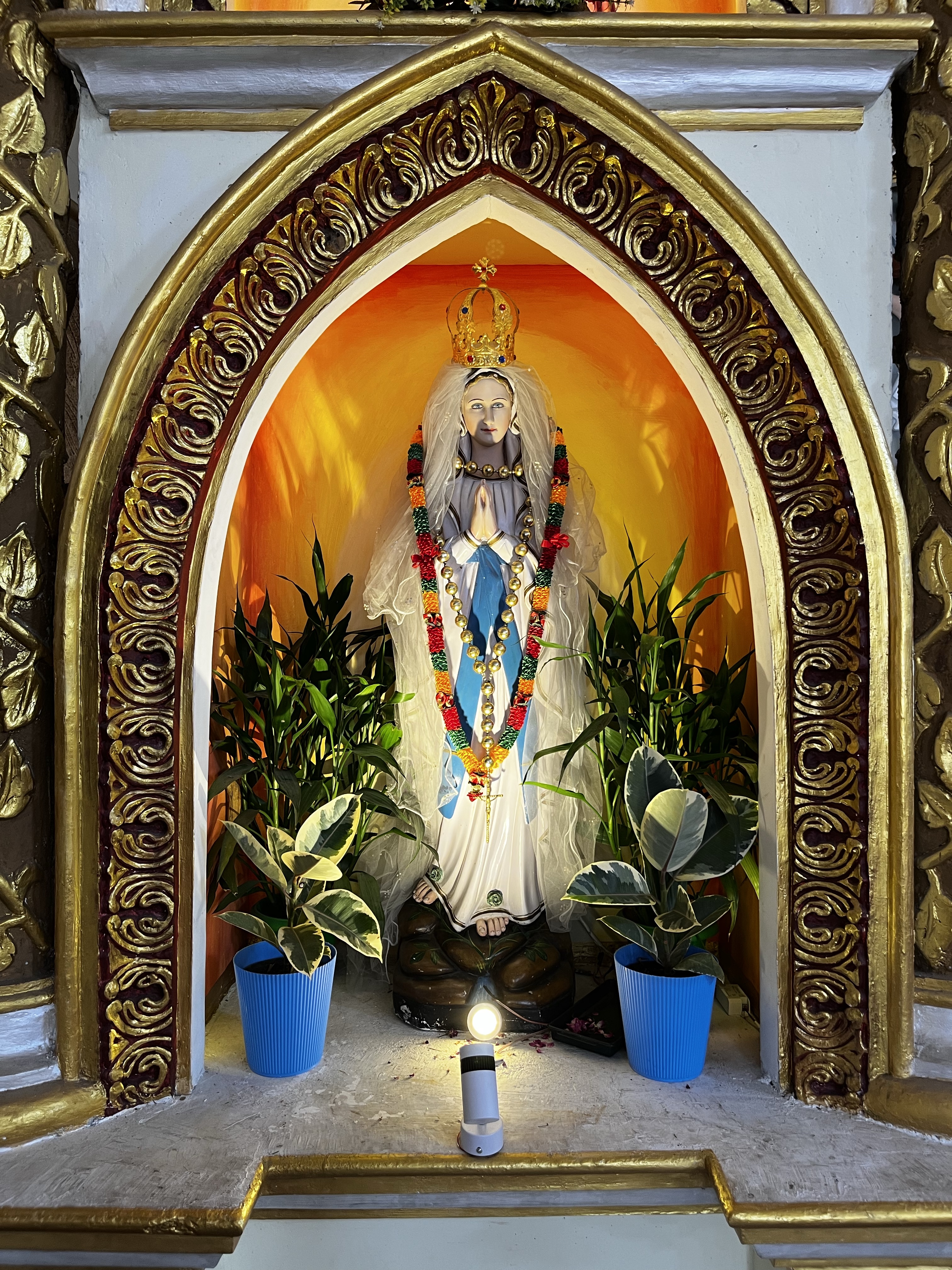
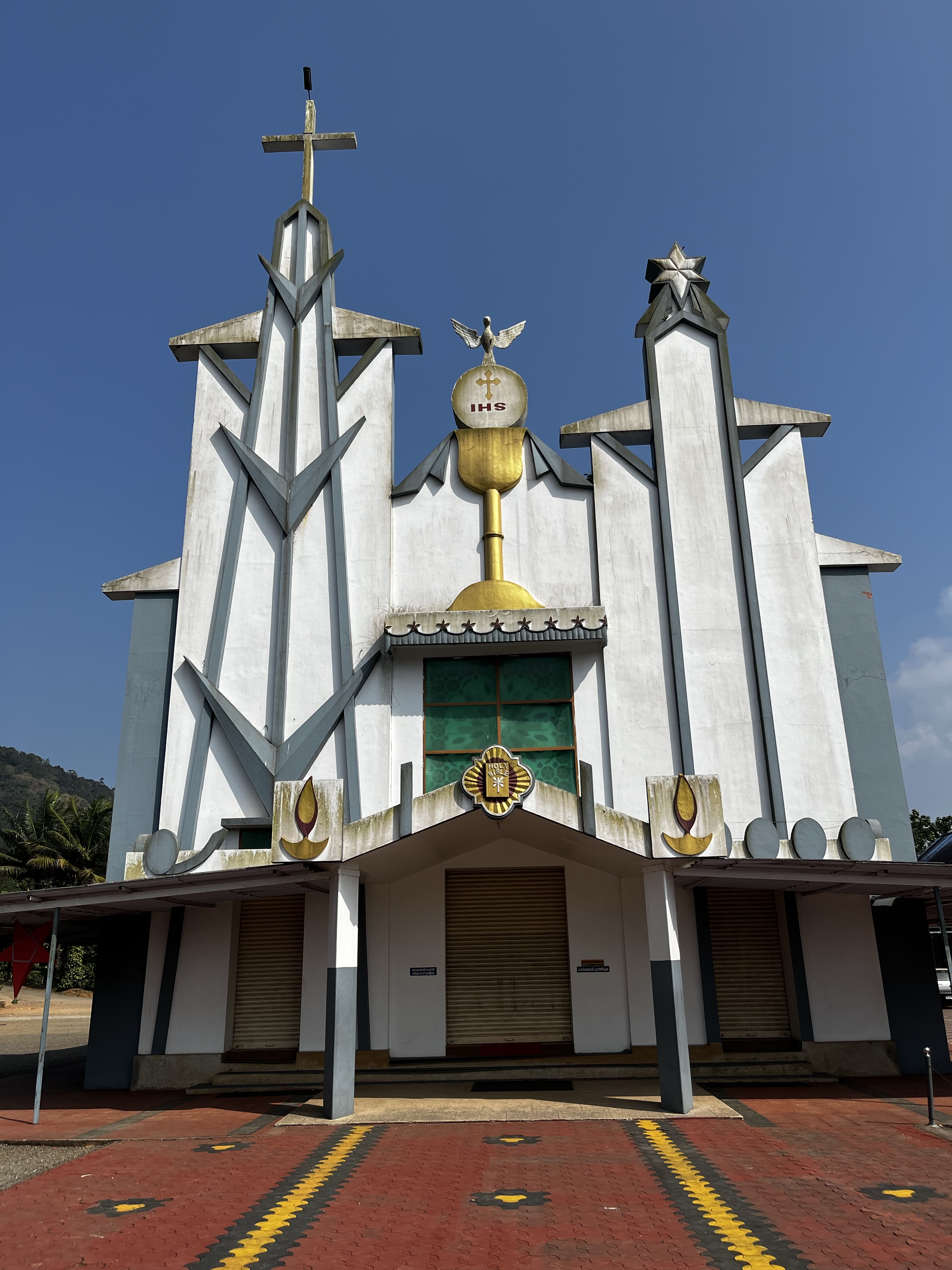
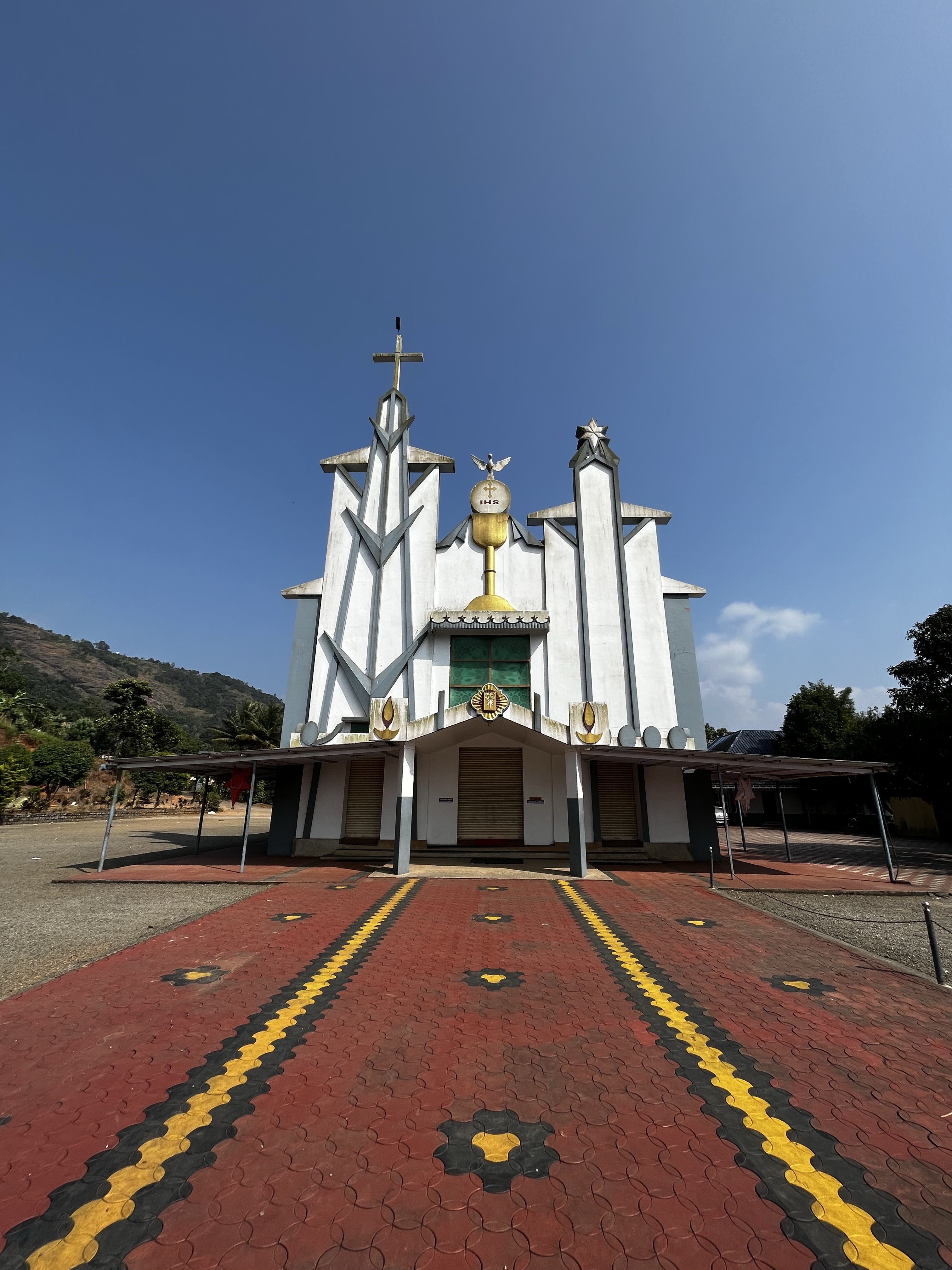
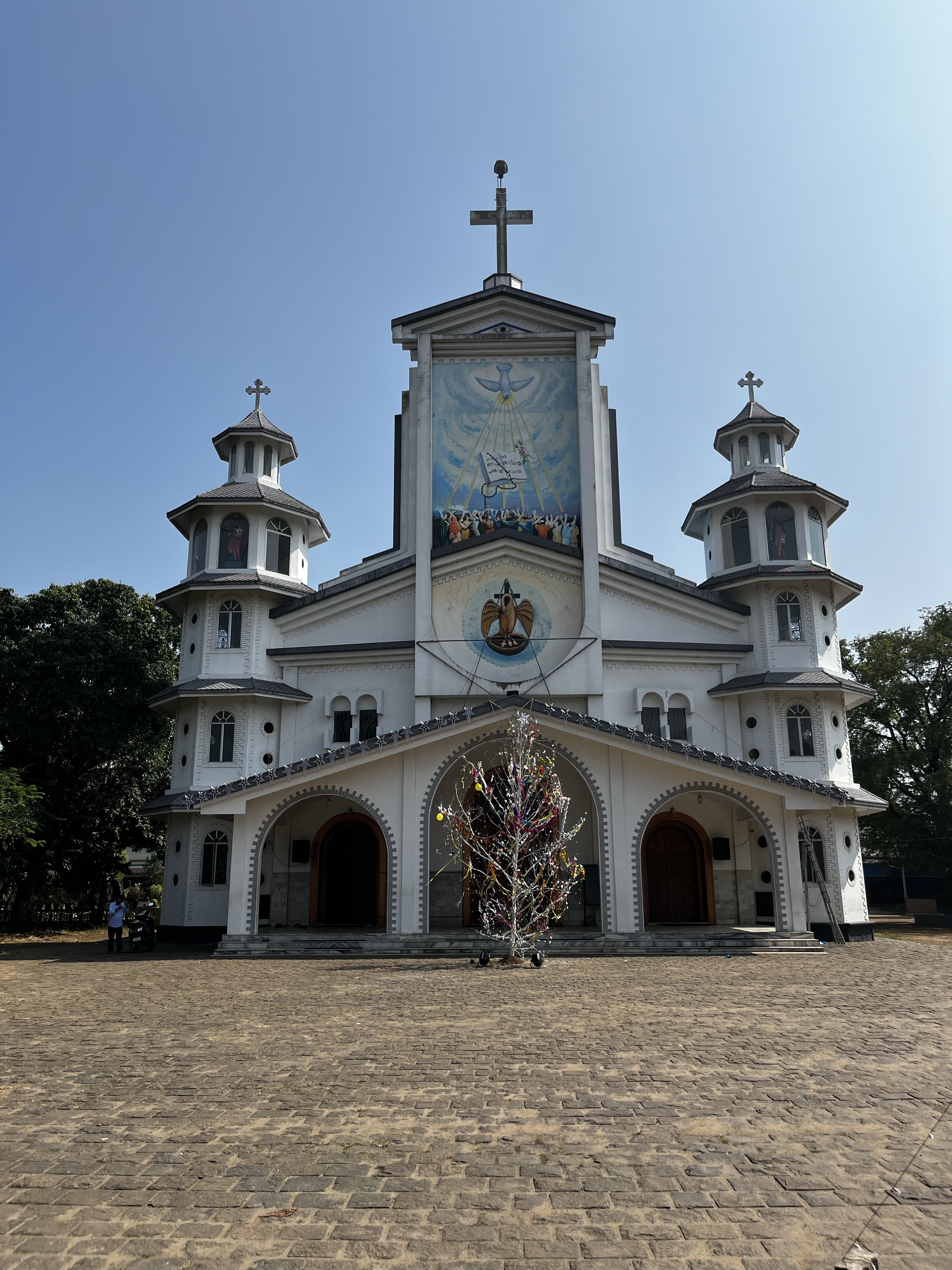
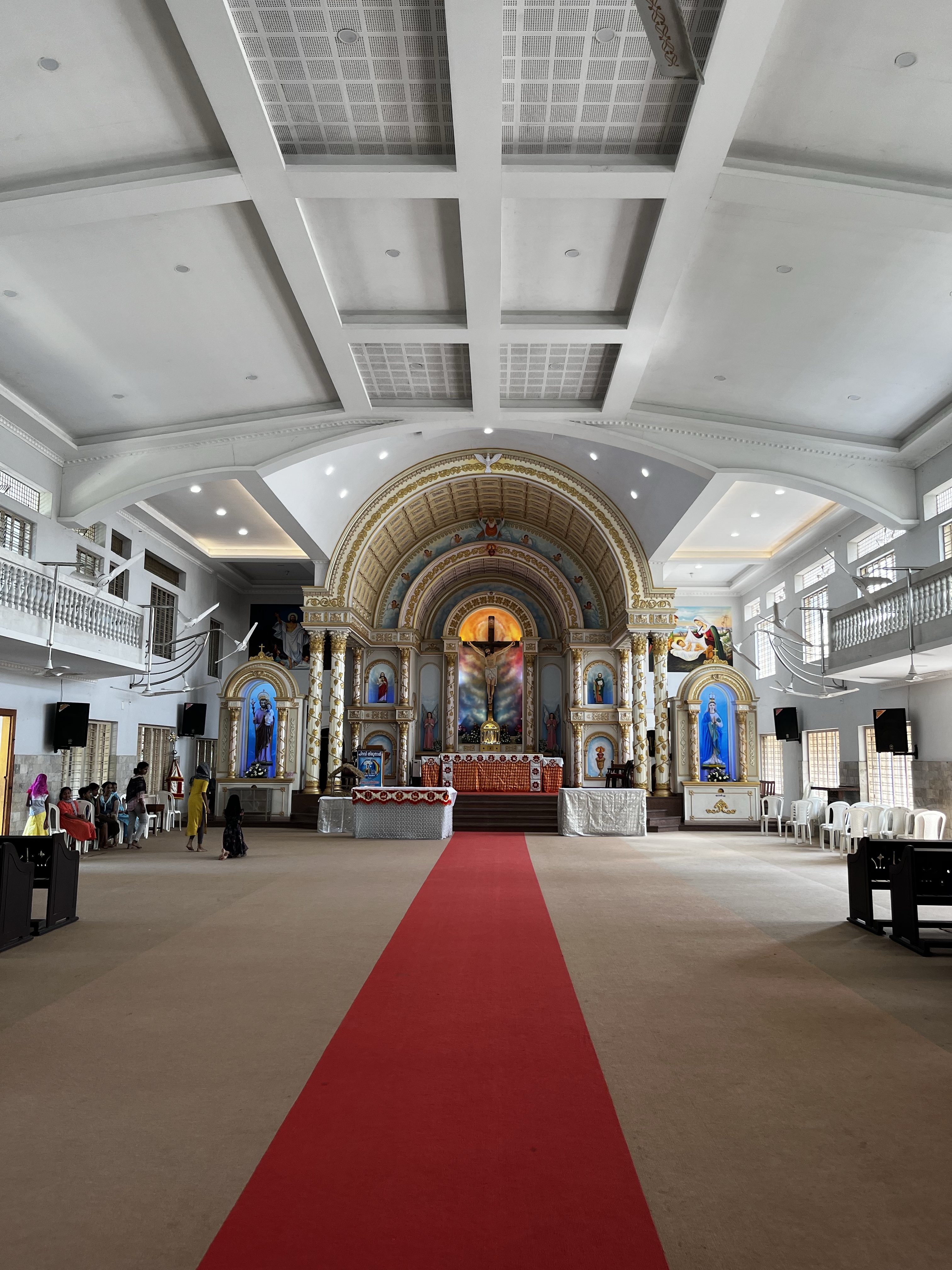
Here are some of the unique church architecture I came across in Cochin and I am barely scratching the surface. The entire state of Kerala will have so many more unique architectural designs with many more historical references.
Well firstly what a joy to see you post! And secondly thanks for giving me a shout out! Your blog is fantastic and definitely deserves more readership! Anyway what an interesting article, and quite timely as I had just finished Tamim Ansary’s “Destiny Disrupted, A History of the World Through Islamic Eyes.” While obviously mostly centred on the middle east it does go into India and it does touch on the various religions, sects etc. What a fascinating place, the architecture and the history is so interesting!
Btw i have decided to make next year “the year of Uzbekistan”. No matter what I need to get there! I’ll be trawling through your pages and if ok to will ask you for some tips too!
Good to have you back!! Xxx
Also will you write a review of the book you read? Must be fascinating and I’d love to read your thoughts.
So many people ask me for book reviews and I would love to, but I can barely write about my travels once a year let alone books! I’m also not much of a writer like you are!!! I’m much more comfortable reading than trying to express my thoughts!!!
Oh no Anna. I ain’t much of a writer. I just love history. You have a very engaging style of writing, very personal. I love reading your blogs but I do understand it takes a bit to get yourself going. Book reviews are hard. But hey high five to another lover of history.
Yes I think with blog writing you have to be in the “right frame of mind” … and while I adore history and literature and books in general, to try and write about them is a whole different story! I’ll just stick to my travels, but if you hadn’t noticed I did recently make a “books” tab on my page. This lists the types of books you might catch me reading!!! X
Ah I hadn’t noticed. Nice. Will have a look. Another reason to exchange thoughts with you.
Anna – you will love love love UZ. It is a country that wants to be explored. Very hospitable people and I can share loads of info with you including the name of the travel agency. It’s called Advantour. Has been around for nearly 20 years and very professional. In terms of where you gotta go, oh! You’ll be spoiled for choice and I sure would love to contribute to your plans. Thanks for being on the other end of my love for travel and my blogs, Anna.
Oh I have heard of advantour! They look really good! I don’t really want to do a package tour with others… that’s great sometimes but I feel like with my passion and dreams for UZ I need to do it more “independent”. Is that what you did, using advantour just for transfer, help etc? I look forward to many chats about UZ in the coming months! X
Highly recommend using advantour. Their guides took Russian delegations during Soviet Union times. They organise everything and you will need a tour guide to give you an understanding of history. If you are going to Aral Sea, you will need a driver. That would be my recco. And yes I did use them. Two other travellers didn’t and they were quite happy travelling on their own but the info you get from the guides is unmatched.
Thank you. Definitely something I will consider! X