There are some people who come in your life and you ask yourself: “why didn’t I meet you before?” Then there are places you discover and you ask yourself: “why didn’t I know of you before?”
That is how I feel about Cape Town. It is easily the most beautiful city in the world. The lovers of Paris – come at me. Its closest competitor is perhaps Vancouver but Cape Town is Vancouver ++. It’s historic relevance being a “midway point” between Europe and Asia, its wealth from gold and diamond mines, and agriculture, brought the city its riches. But what makes it richer is its melting pot of culture represented through its architecture.
Nestled between Table Mountains to the east and the Atlantic Ocean to its west, Cape Town has the best of both worlds. The mountains have many hikes and vantage points. And along the beach, runs a 11km promenade that attracts joggers, sun lovers, cyclists, families, youngsters and couples.
But Cape Town is rich – in history, in culture, in nature and in wealth. And all this is reflected in its architecture.
Perhaps Nobel laureate, Abdulrazak Gurnah has best captured the influence of the ocean on its coastal towns calling it an “amphibious aesthetic”. Cape Town is no exception. Over the years, it has become a melting pot of traders, sailors, natives and settlers who brought their “goods and gods, their stories and their songs, their hungers and their greeds, their fantasies and their lies” to create a layered and entangled society.
Cape Town has soaked it all up and gave the architects, designers, sculptors, artists, free masons and free thinkers bountiful imagination to create a city scape that is an incredible mix of Neo-classical, Cape Dutch, Art Deco, post-colonial, Brutalist and more.
The blog does no justice to the architecture but sharing a few jewels here.
Old Mutual Building
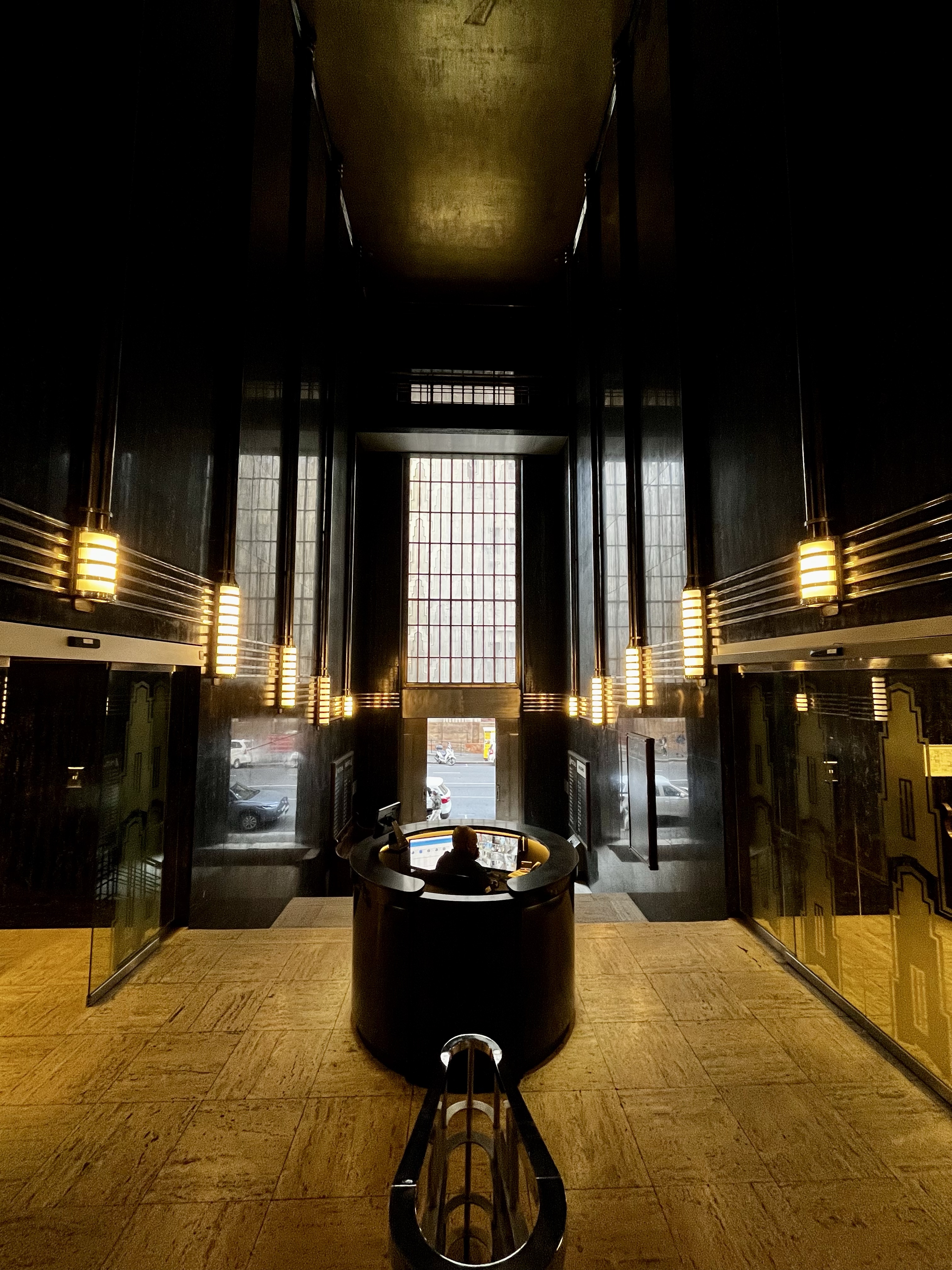
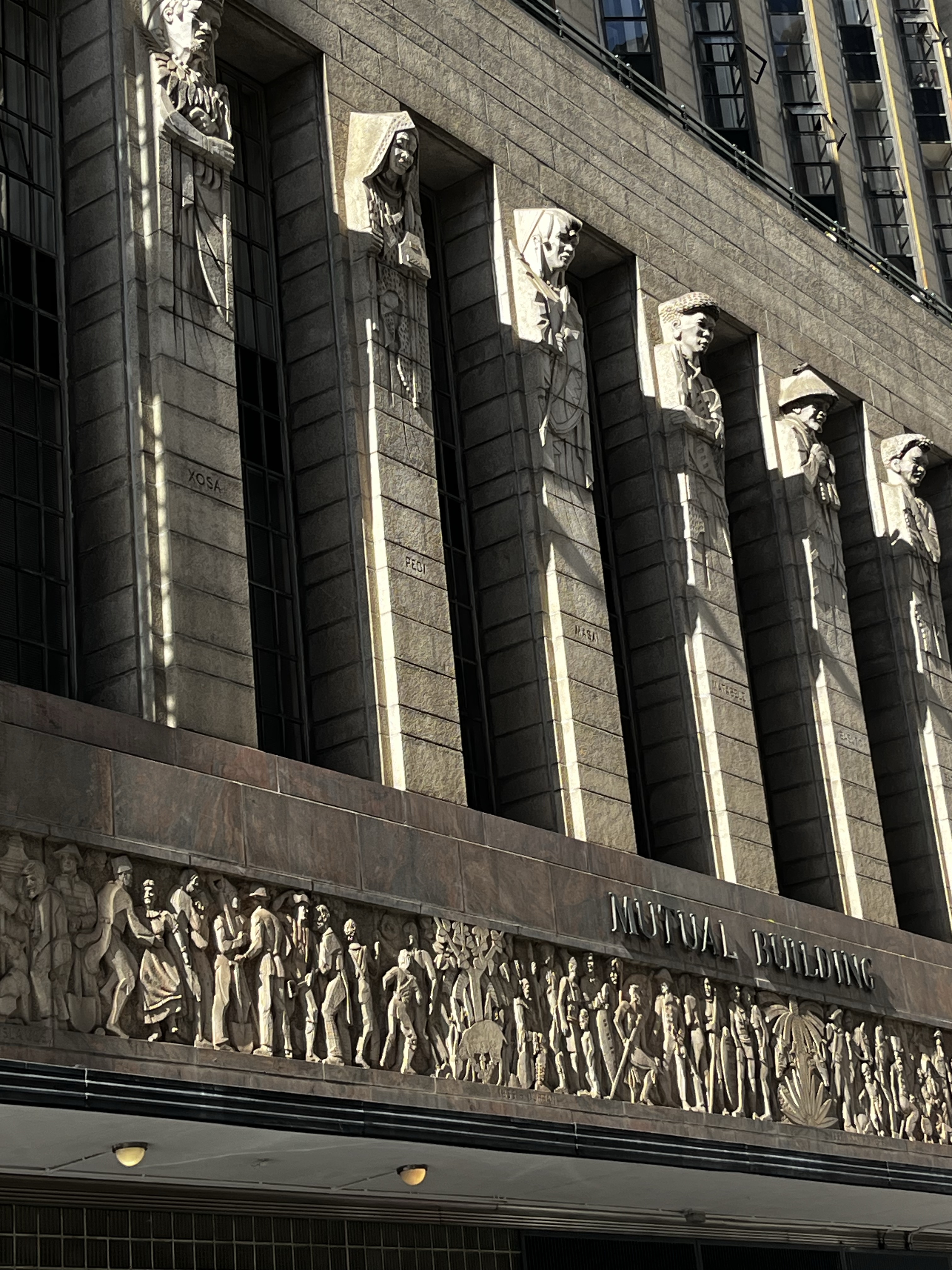
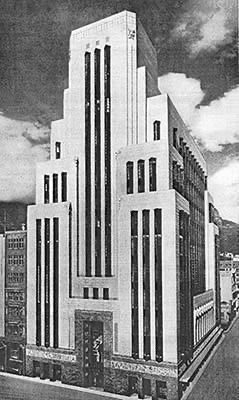
An absolute stunner of Art Deco example is the Old Mutual Building on Darling Street.
Old Mutual was established in Cape Town in 1845 as South Africa’s first mutual life insurance company offering financial security in uncertain times. It was demutualised and listed on London Stock Exchange and other stock exchanges in Jo’berg, Zimbabwe, Namibia and Botswana in 1999.
Constructed in 1940, well past the Art Deco movement, Old Mutual was inspired by the Empire State Building in the US for height and design. At 95ft, it was the tallest building in all of Africa barring the pyramids.
The lobby was built using black marble and gold leaf gilding was used to decorate its ceiling. Friezes on the exterior of the building were done by Italian architects.
In 1956, Old Mutual relocated its HQ to Pinelands, an affluent suburb in Cape Town. From 1960 onwards, the building became redundant. The architectural firm of Louis Karol Associates converted the building in 180 title apartments, and the building was renamed ‘Mutual Heights’.
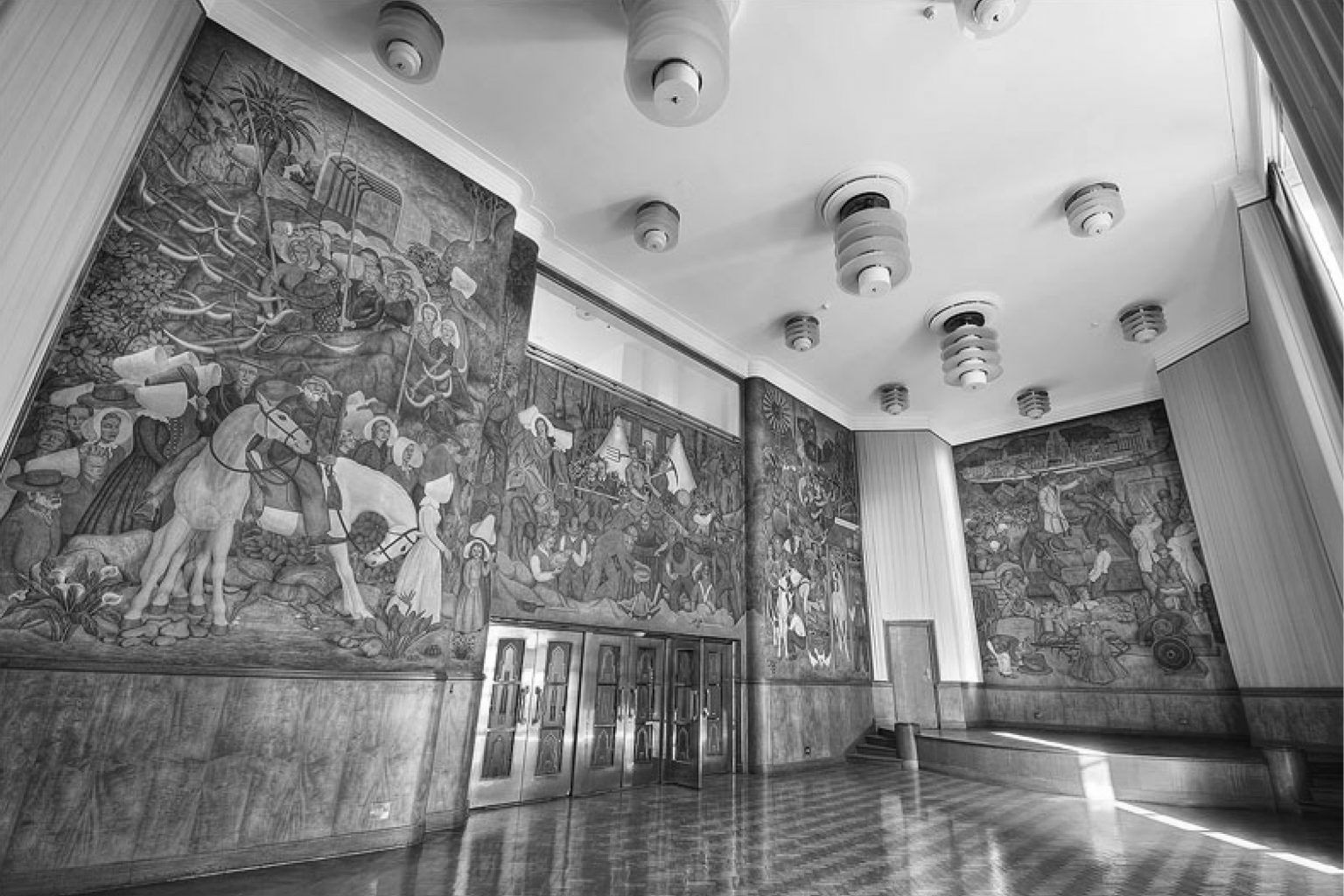
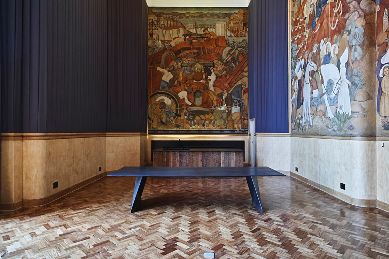
I went in a few times to the lobby and stood there awestruck, hoping someone will take pity on an architecture lover and show me the Assembly Room which was designed as the meeting room for policyholders of The Old Mutual. It is decorated with frescoes by artist Le Roux Smith Le Roux and now privately owned as an apartment. Here is a NYT article that takes peek inside this exquisite apartment with the original artwork preserved.
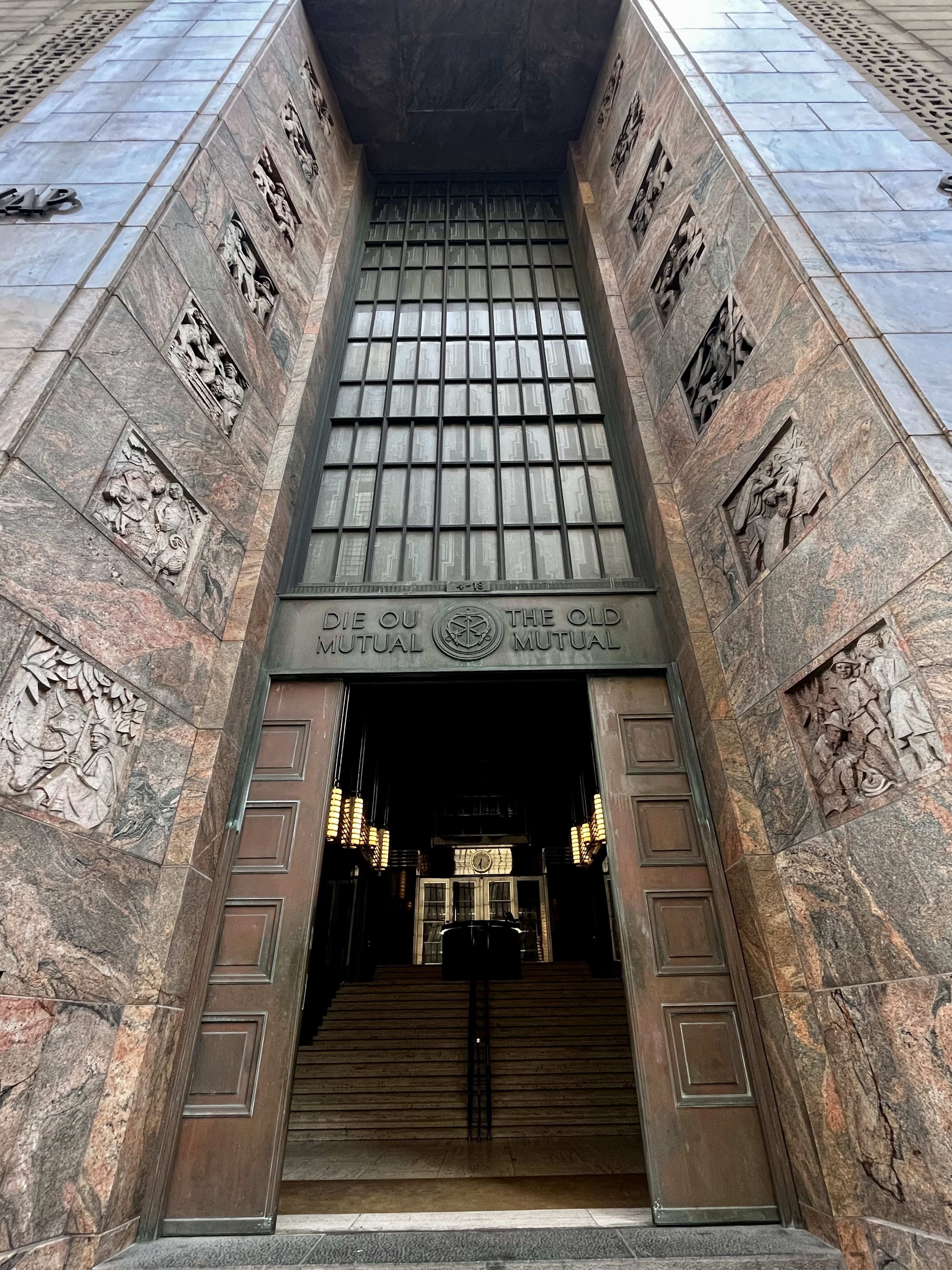
In contrast to the sinuous lines as seen in Art Nouveau, Art Deco architects applied vertical geometry to their designs inspired by Ziggurats of the ancient Mesopotamian civilisation.
Even the materials used combined traditional with industrial: limestone and granite being traditional and stainless steel and glass being modern, making it a perfect Art Deco masterpiece.


Golden Acre Shopping Centre
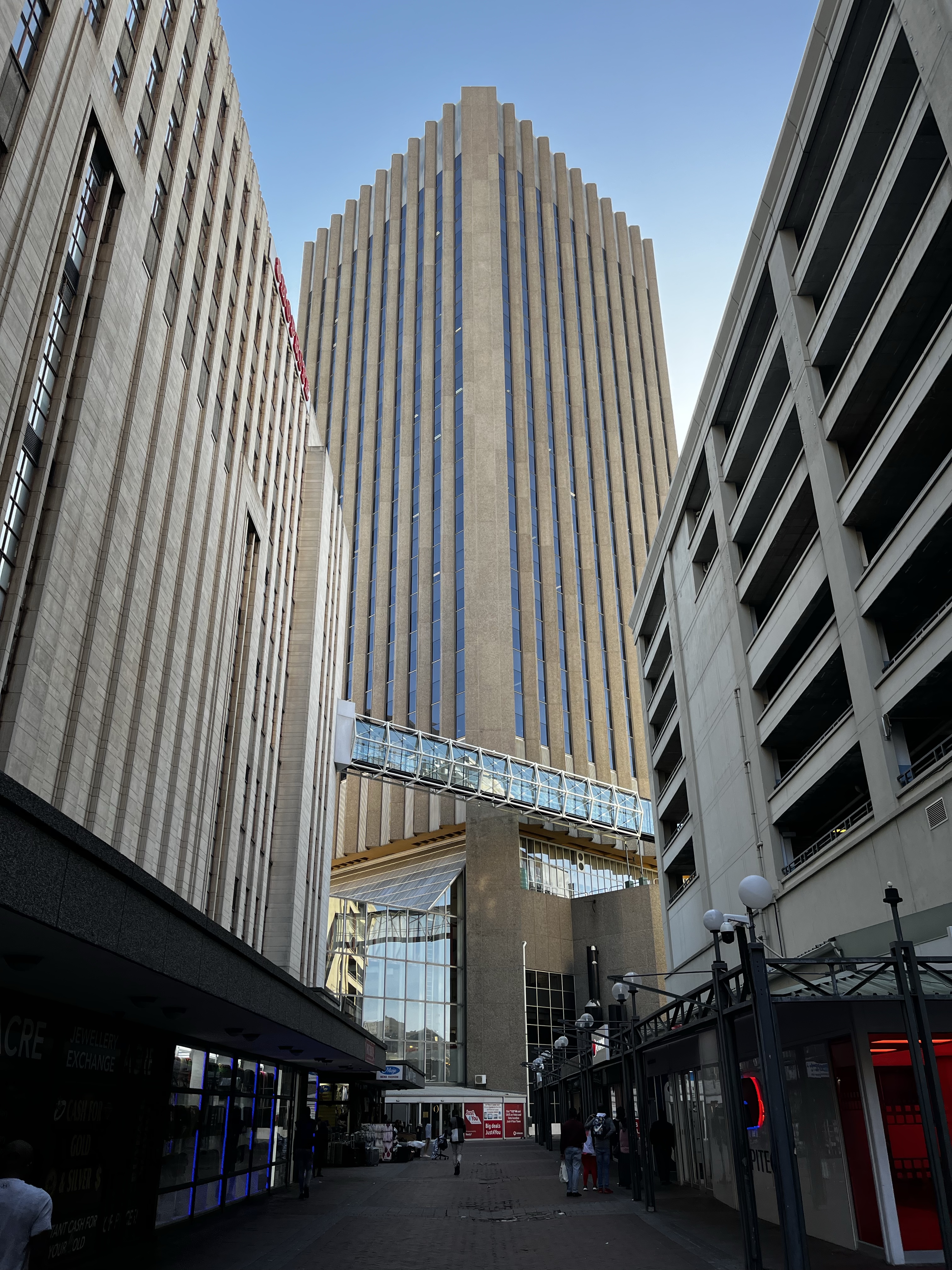
Golden Acre Shopping Centre sticks out of the urban jungle, forcing you to croon your neck up and take notice of this brutalist beauty. Built in 1979 in Cape Town on the site of the original train station, it was also a site of the original shoreline, before land was reclaimed from the sea in 1930s.
During its construction, archeologists discovered remnants of Wagenaer’s Reservoir that was built in 1663 to supply water for the ships sailing around the Cape toward the Spice Islands.
These ruins are preserved inside the shopping centre and have been declared a National Monument.
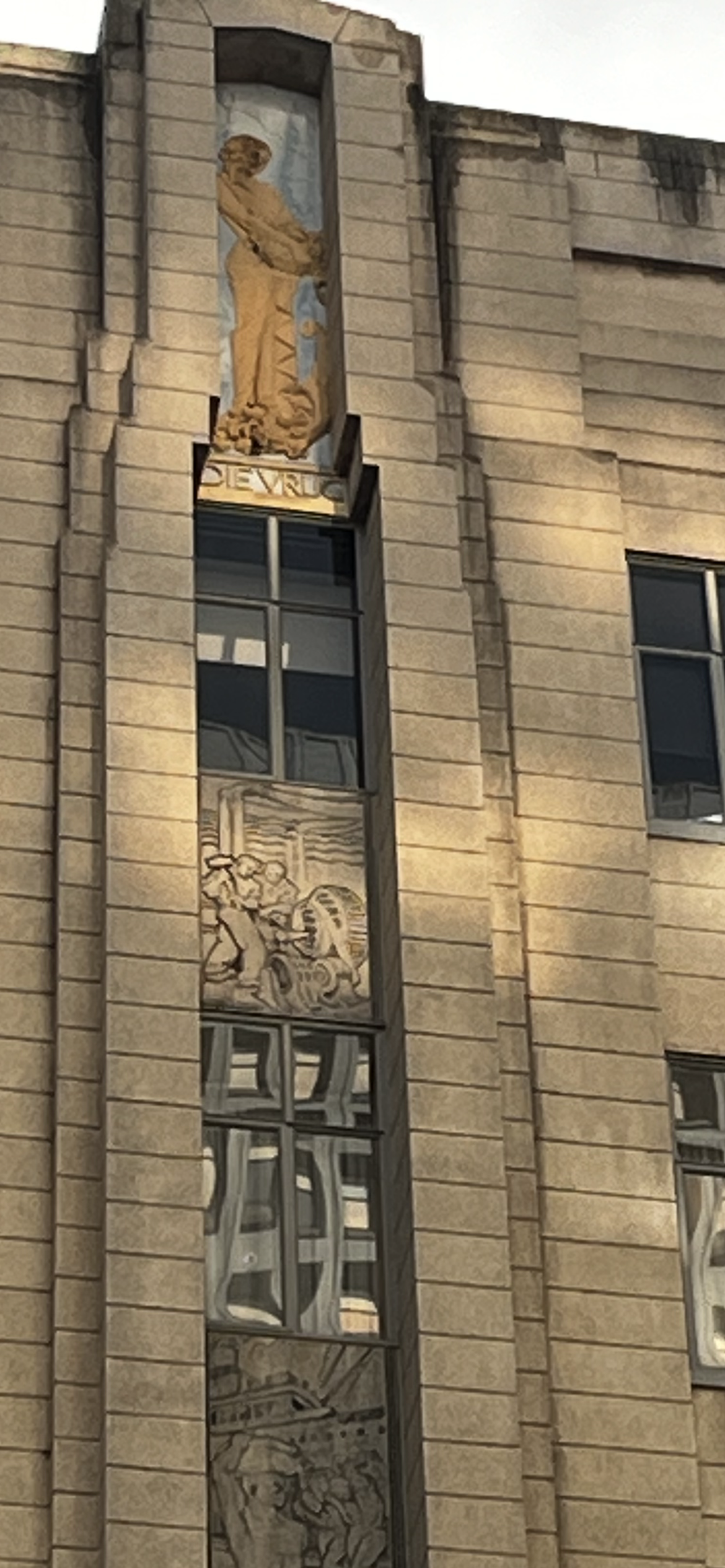
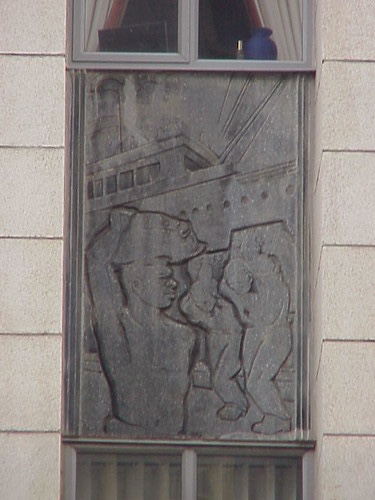
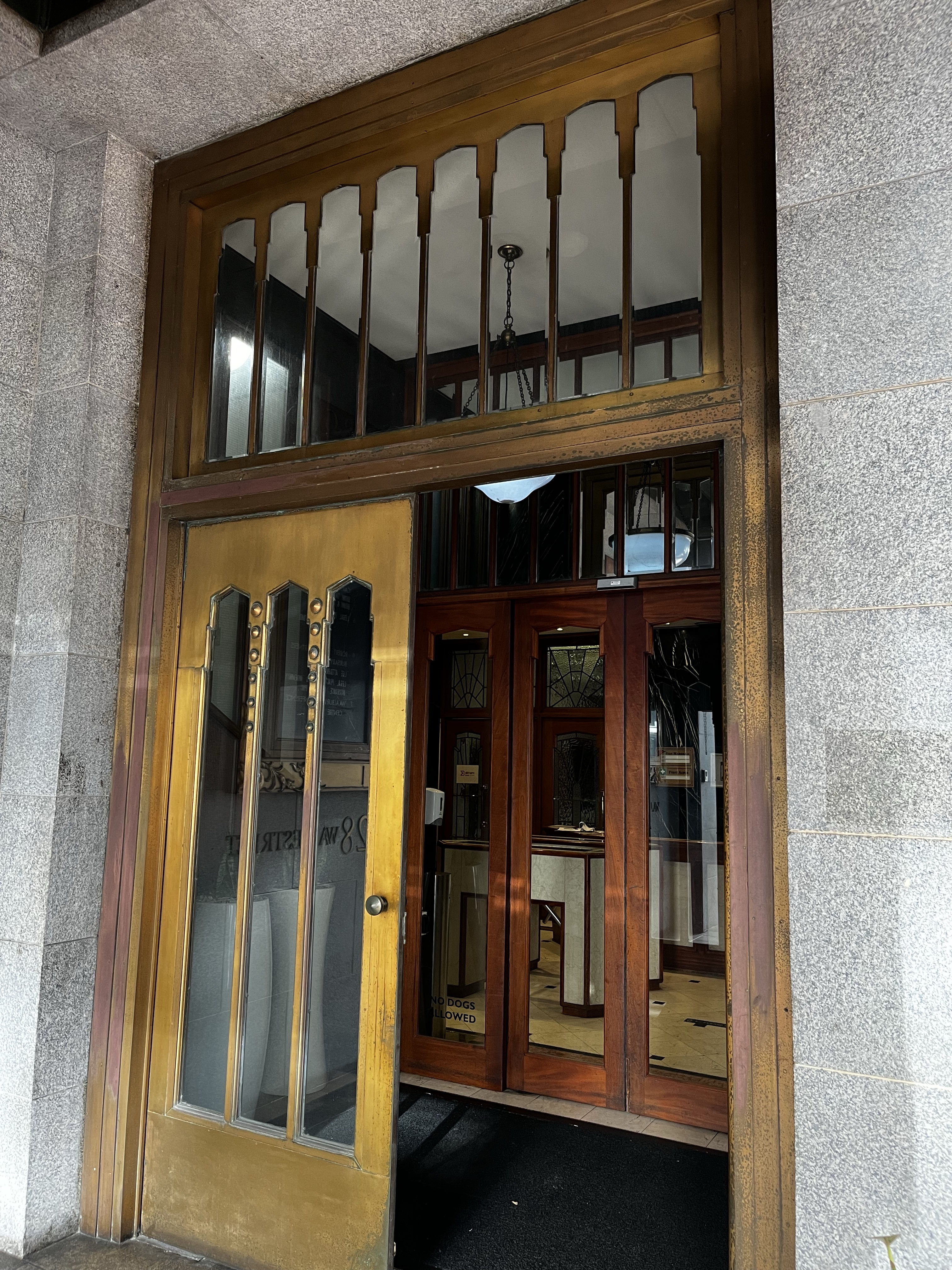
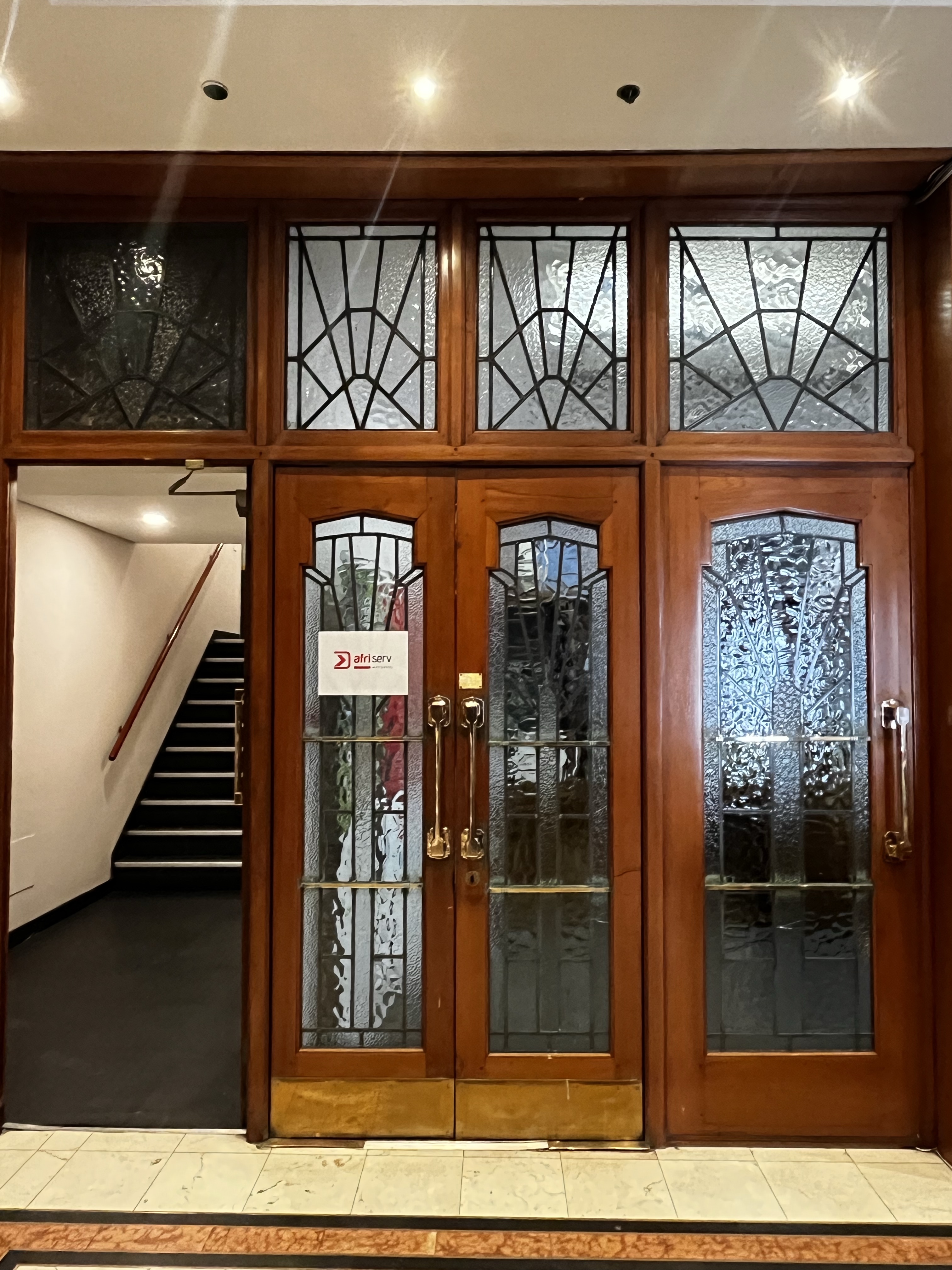
Waalburg Building

Waalburg building at the corner of Wale and Burg Streets is another ode to Art Deco.
Designed by South African architects, Louw and Louw, it was completed in 1930 and commissioned by insurance companies S.A.N.L.A.M. and S.A.N.T.A.M. who were growing rapidly even during The Great Depression.
Currently a Grade A office building, the two associated insurance companies still operate very successfully in South Africa.
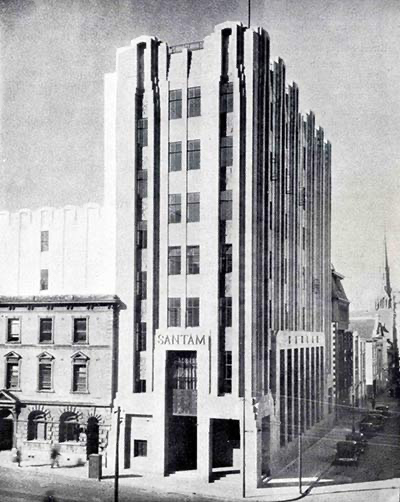
Walburg Building designed by the Paarl-based architects Louw & Louw, functioned as the headquarters of Santam Insurance.
The prevalent style of architecture in Cape Town was Cape Dutch so adoption of Art Deco architecture was intentional, implying that the new breed of Afrikaners were more American in their mindset and therefore modernists, than British or classical Edwardian.
Cecil Rhodes
British mining magnate and politician, Cecil John Rhodes served as the Prime Minister of the Cape Colony from 1890-96. He also founded the De Beers diamond firm.
While not entirely an architectural edifice, the statue’s relevance to The Cape Colony can’t be undermined. Rhodes wanted to build a rail network connecting South Africa to Egypt.
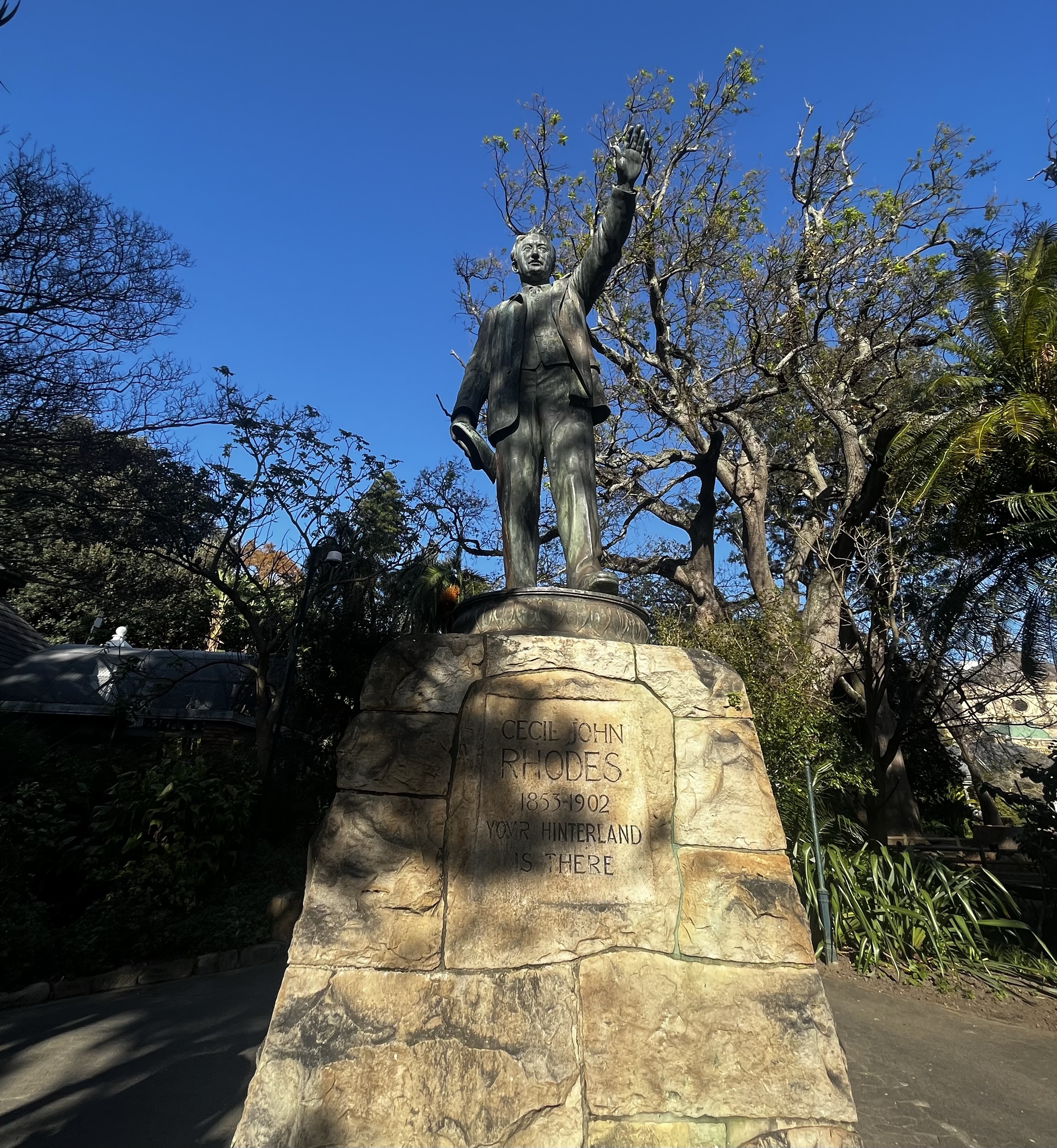
The southern African territory of Rhodesia (now Zimbabwe) and norther African territory of Rhodesia (now Zambia), were named after him; so was the Rhodes Scholarship.
Despite his contributions to the Crown, Rhodes is viewed as an imperialist by South Africans who contributed to Apartheid and protesters have called for the removal of his statue.
Helen Bowden Nurses Home
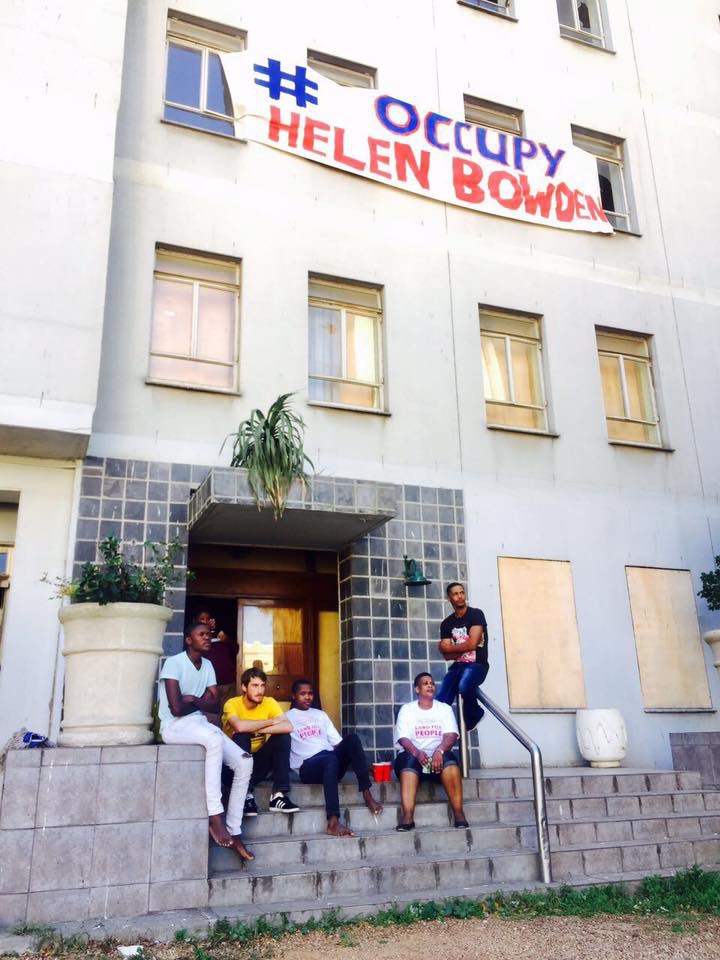
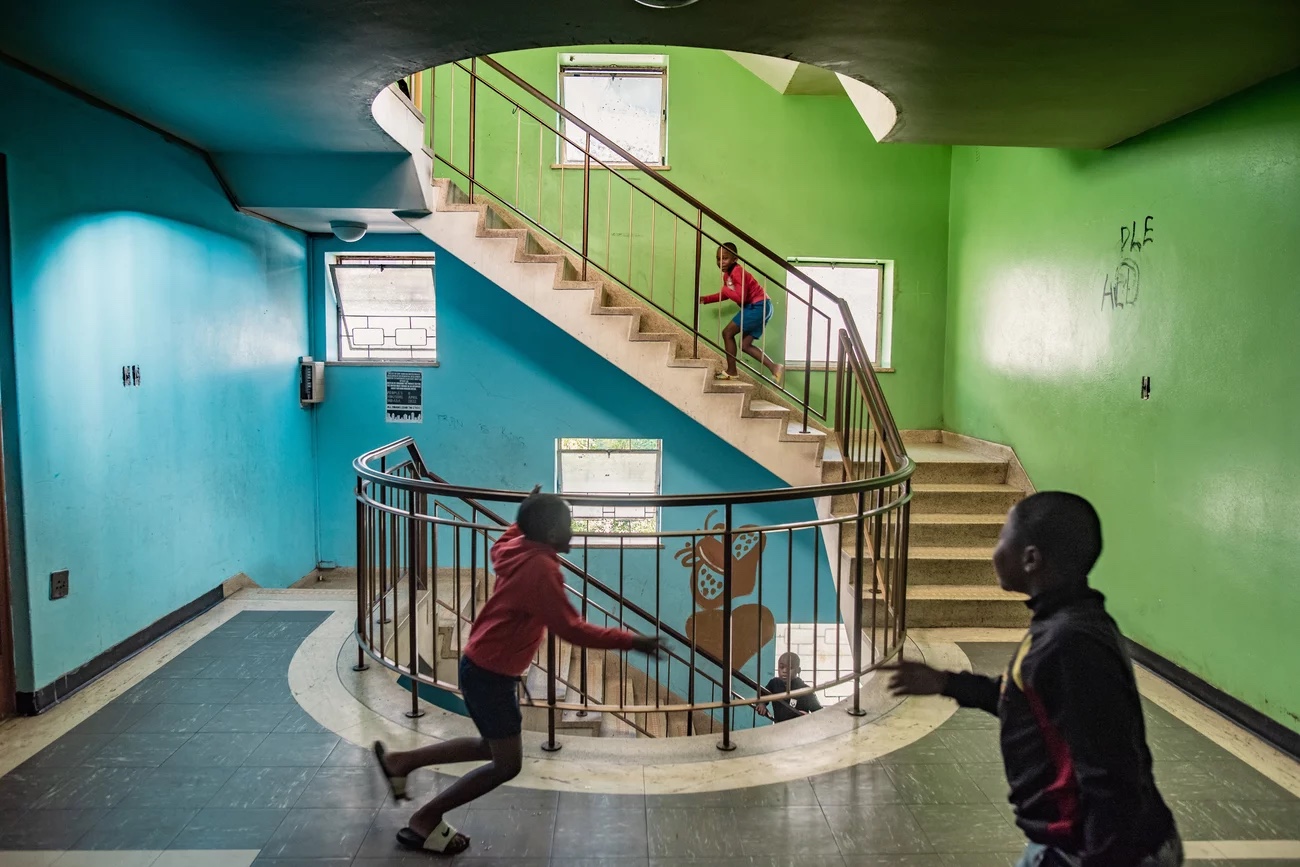
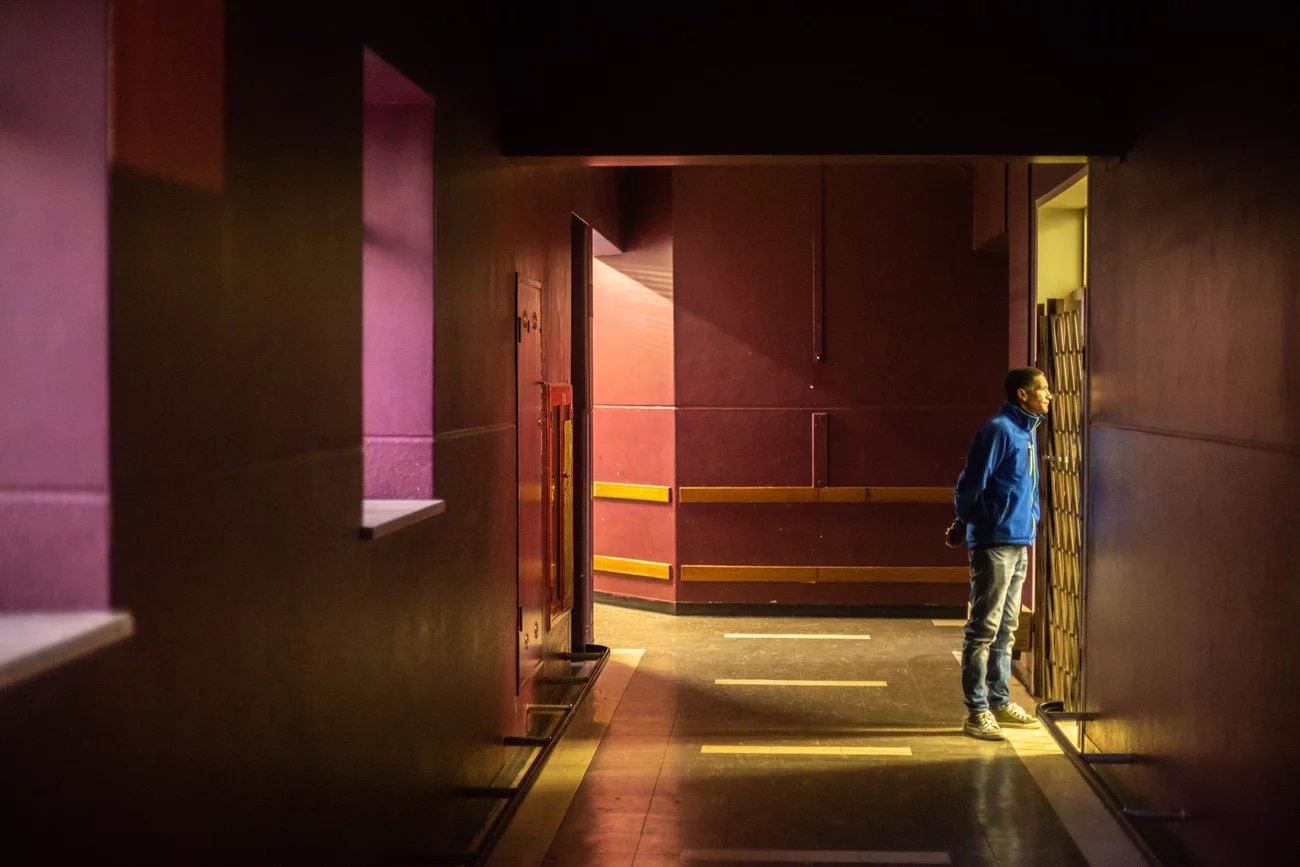
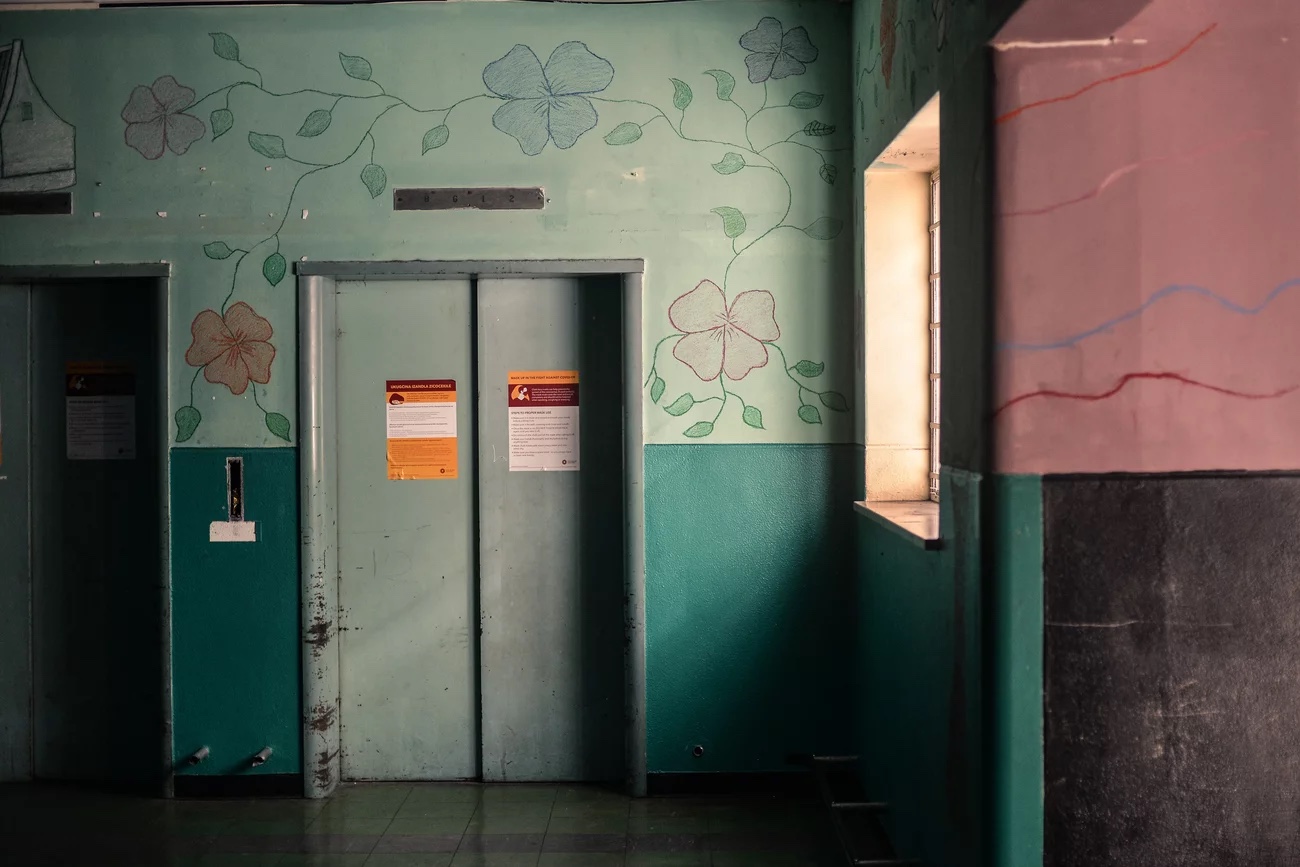
The architectural landscape of Cape Town can’t be complete without the mention of the abandoned Helen Bowden Nurses Home on Cape Town’s Waterfront, a large four-storey building with a “million dollar view”.
It has been unlawfully occupied for over a year and has come under public litigation. Nice view aside, it has no electricity and only one tap. The property is owned by the provincial government, which has condemned the occupation, but not yet taken steps to remove the occupiers.
The occupiers have renamed it as Ahmed Kathrada House.
I borrowed some pics from NPR which has a detailed article here.

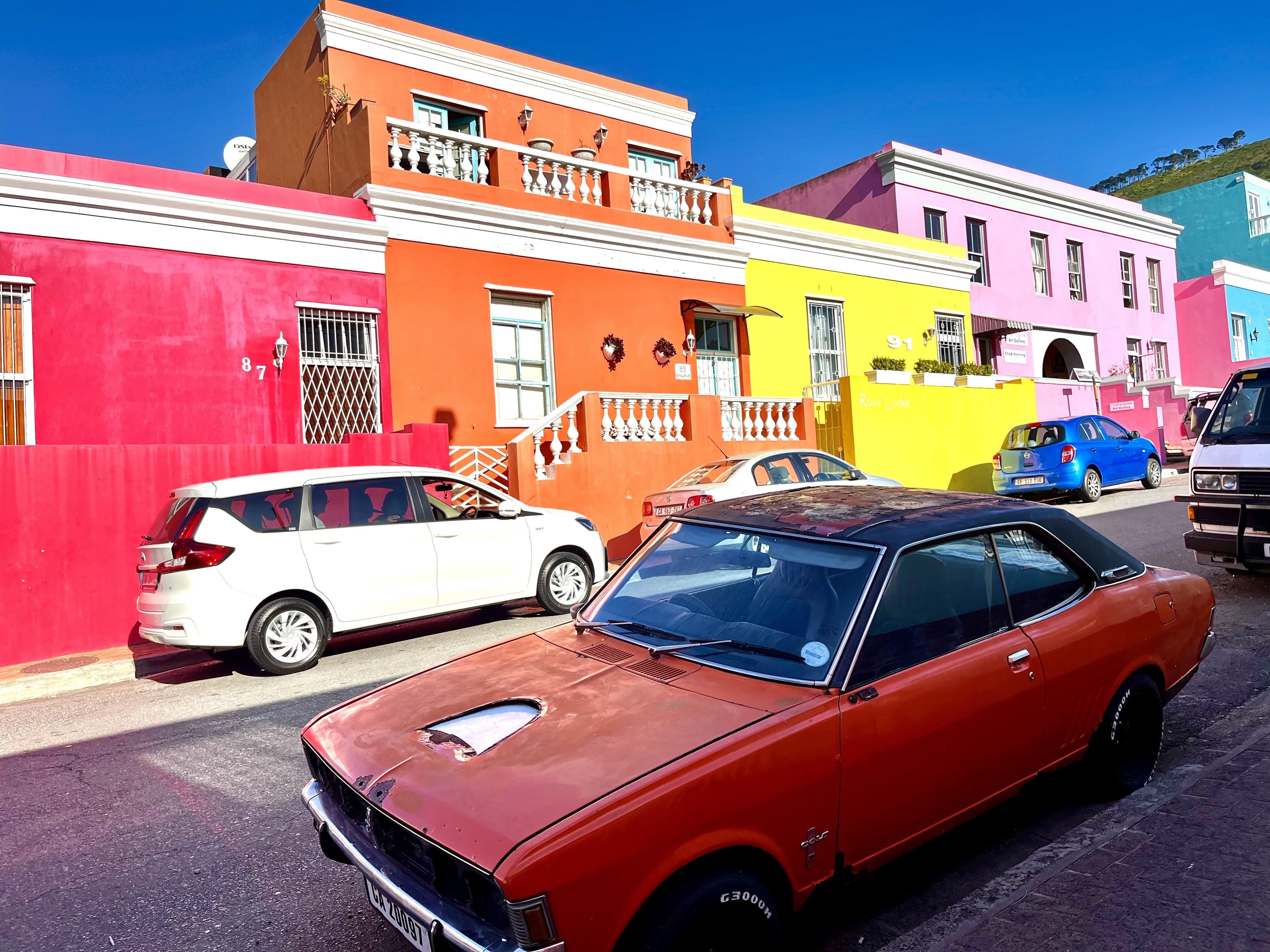
Bo Kaap
Bo Kaap meaning “above cape” is a protected area in Cape Town that is primarily Muslim. The original occupants of this area were slaves and settlers who, once freed, and able to own their home, painted them in colours as an expression of freedom. As a protected area, any changes to colours of these homes now requires special approval.
The people of Bo Kaap have strongly influenced South Africa through their cuisine and culture called Cape Malay which has its origins in Indonesia and Malaysia as well as India and Ceylon. The food is primarily spice-based curries, rotis, roasts or kebabs and Biryani.
That Colt car though…… abandoned with a perfect intent to match with its surrounds.
The Parliament Building
Cape Town is home to South Africa’s Parliament, even though the capital is in Pretoria. Cape Town is the legislative capital, whilst Pretoria is the administrative capital.

Queen Victoria granted permission to build the Parliament in 1853. The architecture was designed in Neo-Classical style influenced by Grecian and Palladian architecture with additions to the main building built later.
A fire on 2 Jan 2022 destroyed a significant number of building and its prized art collection.
Good Hope Centre
I only saw this driving from the airport and kept crooning my neck to take a full glimpse of the building which has the most unique architecture. When I asked my friend, he hardly knew much about it and called it an eyesore.
Good Hope Centre was built in 1976 by Italian engineer and architect, Peter Luigi Nervi, as an exhibition and convention centre. Made from precast concrete, it has come to be known as the ugliest building in Cape Town.
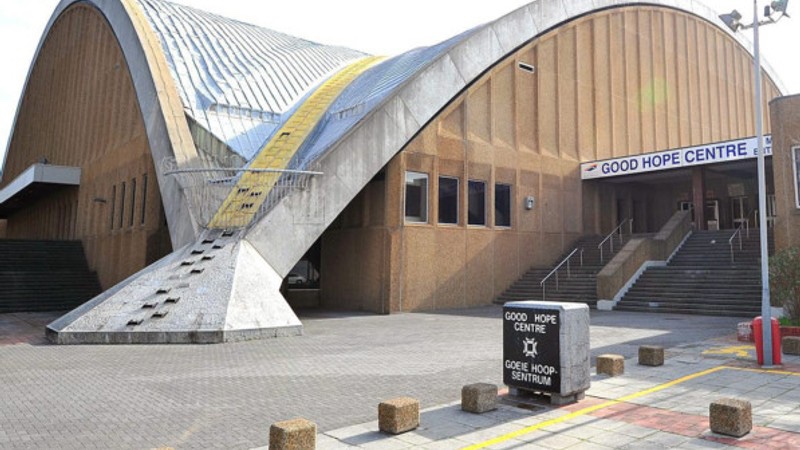
Built during Apartheid, Luigi was invited to design the building as the government then wanted to give Cape Town an international image.
Now limited for use, it has been leased to a film company, with no clear indication as to when it will be opened to the public again.
Waldorf Arcade
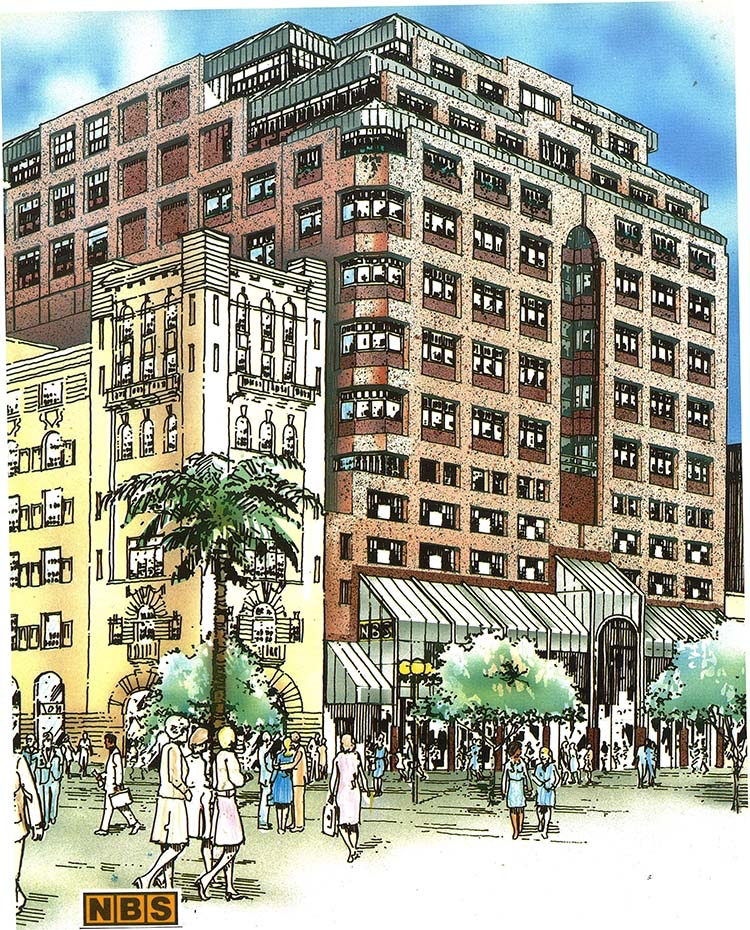
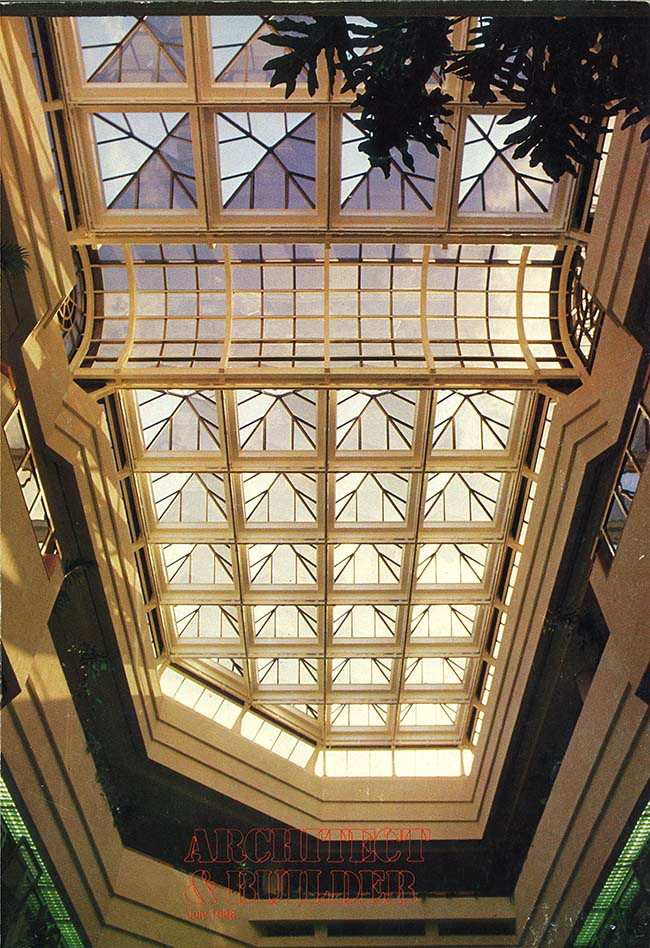
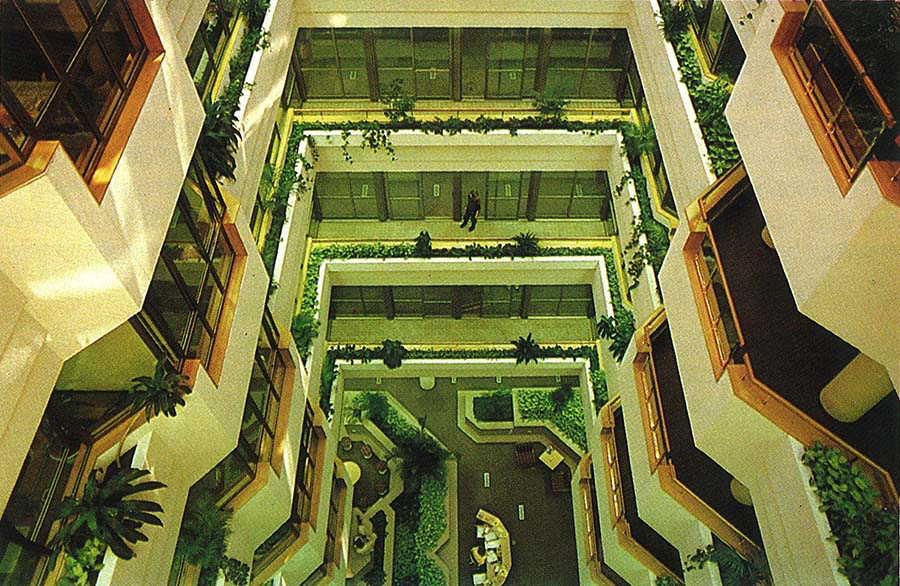
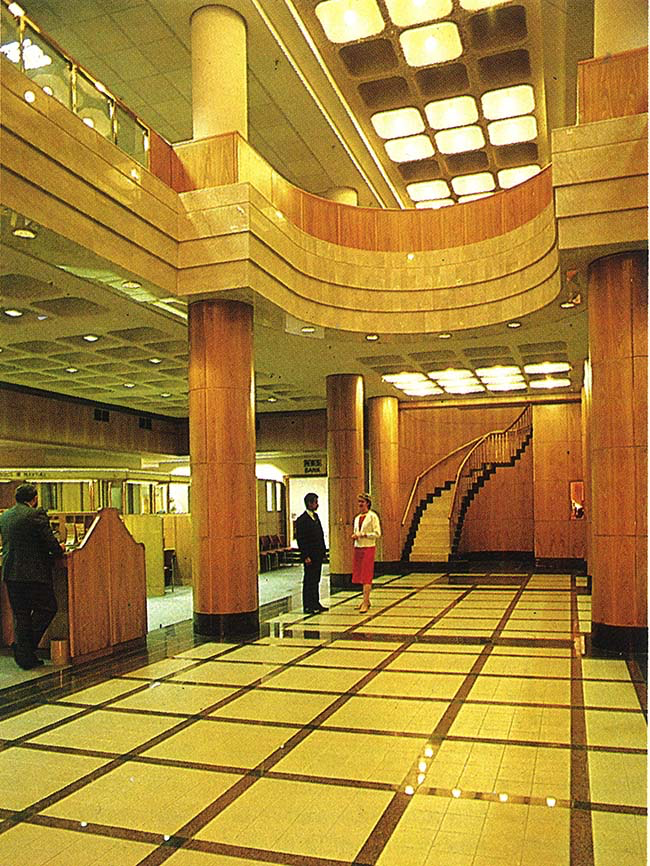
Waldorf Arcade in the heart of Cape Town’s CBD has a post-modernist style architecture with a bold facade, escalators, atrium with a central light well and large columns at the entrance, denoting economic boom of the 80s.

Built in 1988, Waldorf Arcade has commercial, office, parking & even a penthouse on its 12th floor. The property is earmarked for disposal via closed tender.
Given its modern amenities, M&E, location and views, this may well become a residential tower soon.
Market House and Protea Assurance Building
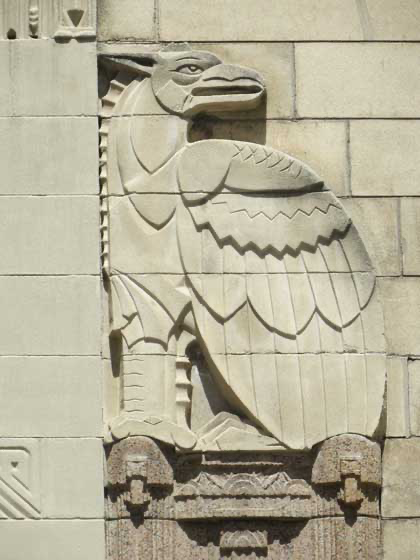
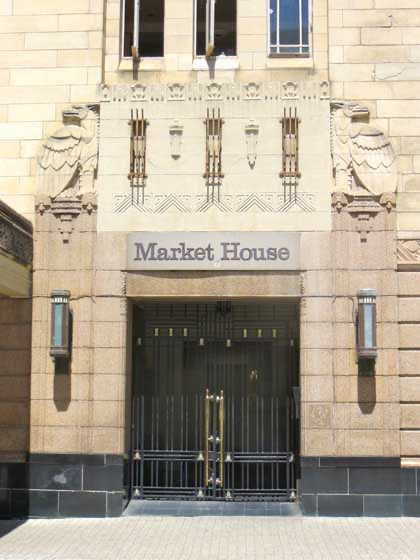
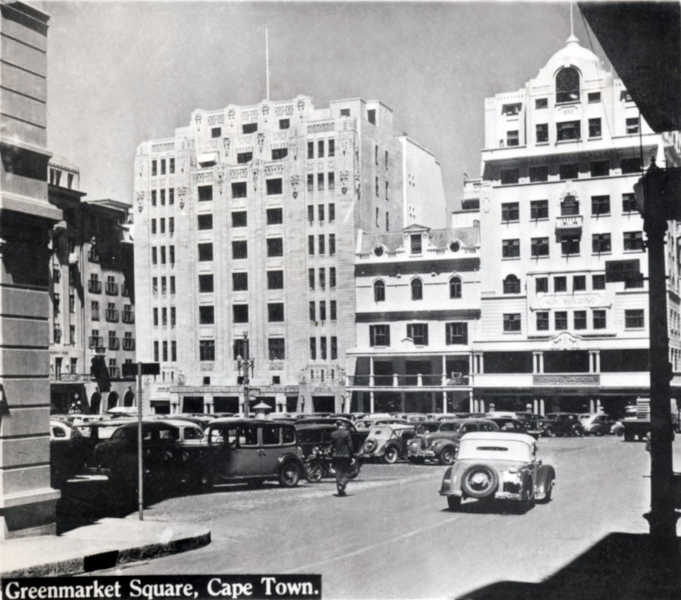
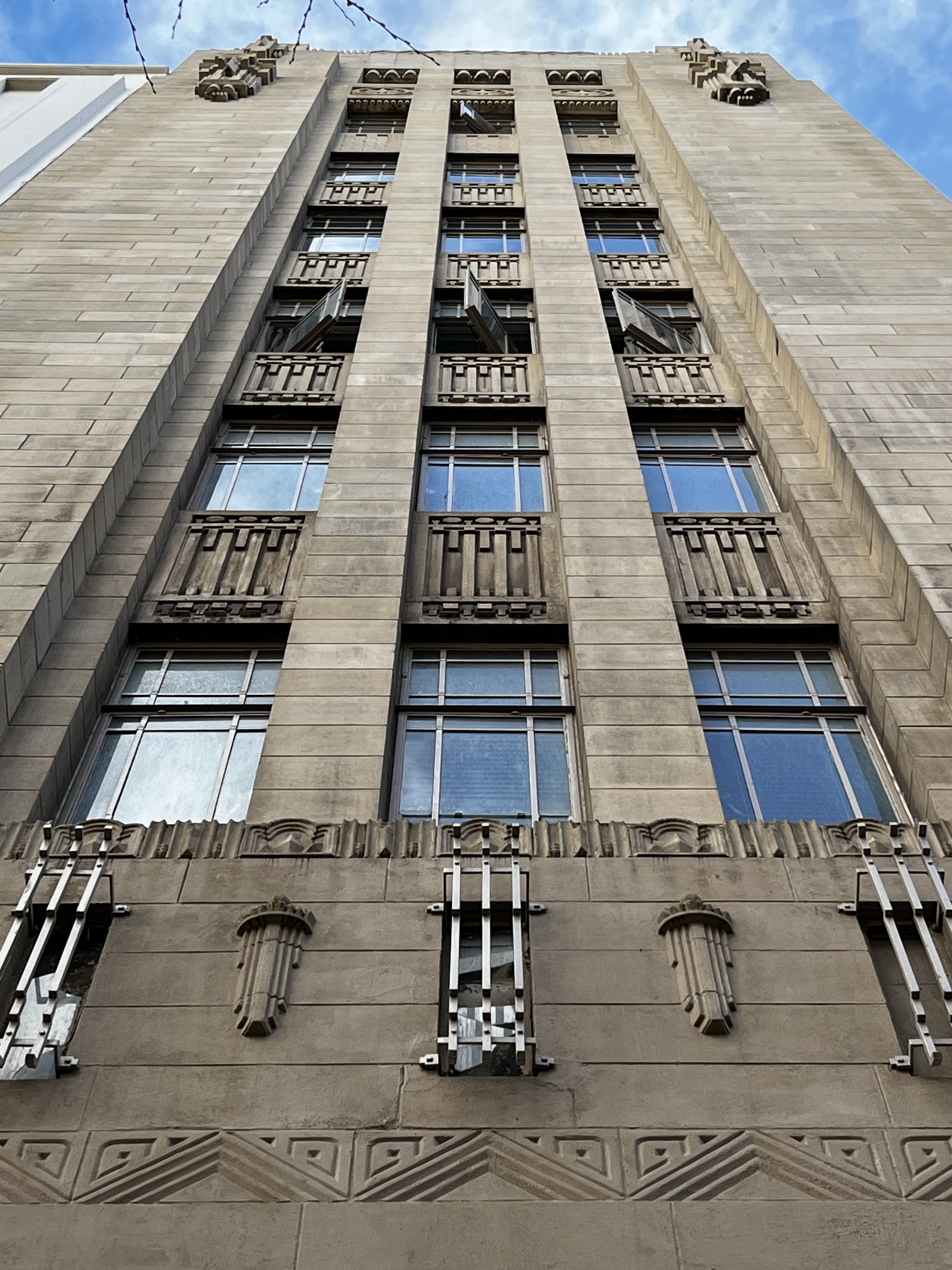
Built in 1933, the 10-storey Commercial Union Assurance building called Market House is the most elaborate example of Art Deco with griffin bird adorning its facade, stone carvings and balconies.
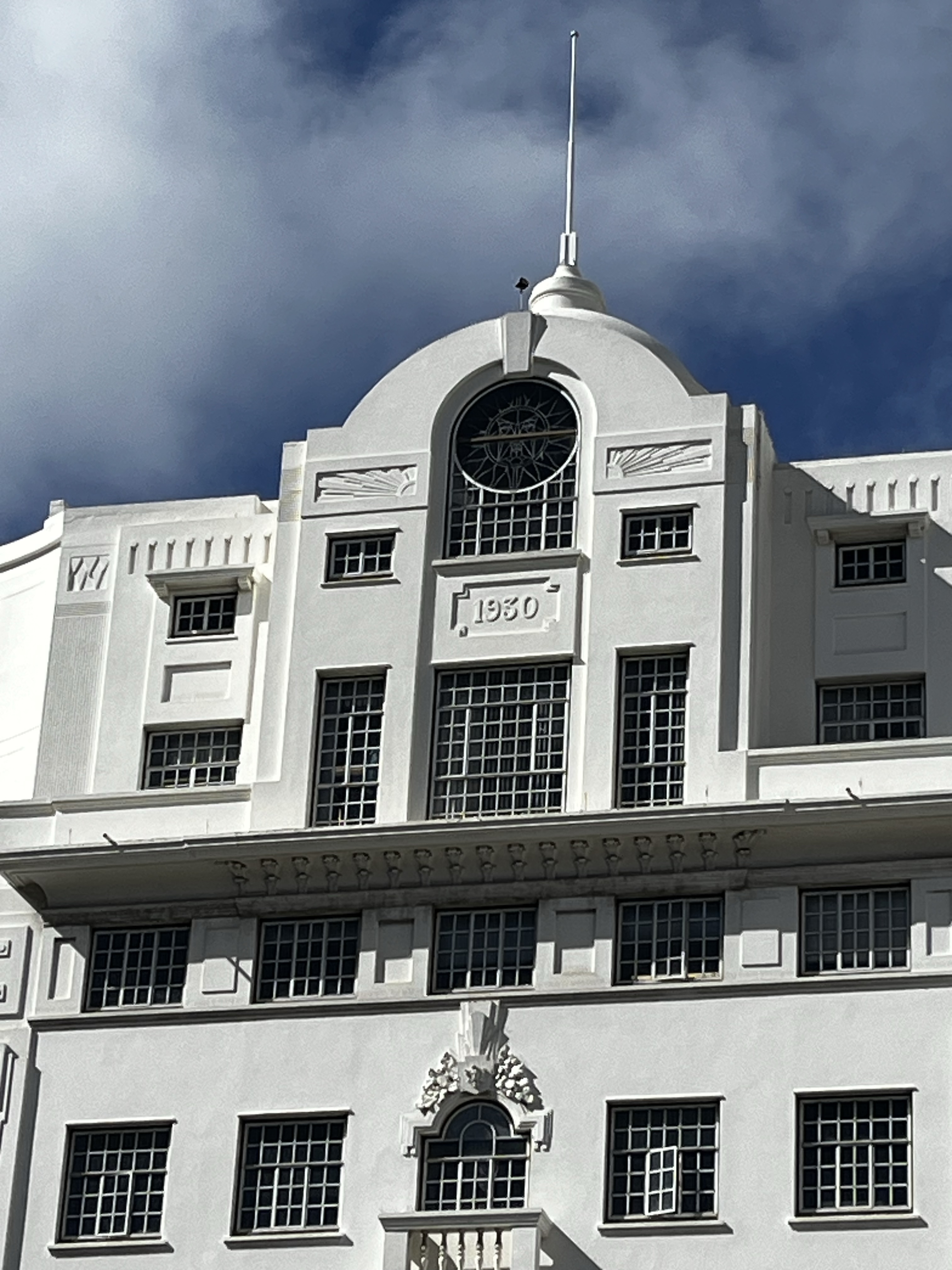
Adjacent to Market House is the sparkling white Protea Assurance Building which served as headquarters of this company for over half a century. Designed by Jones and Adams in 1928 it was renovated in 1990 by Louis Karol Associates.


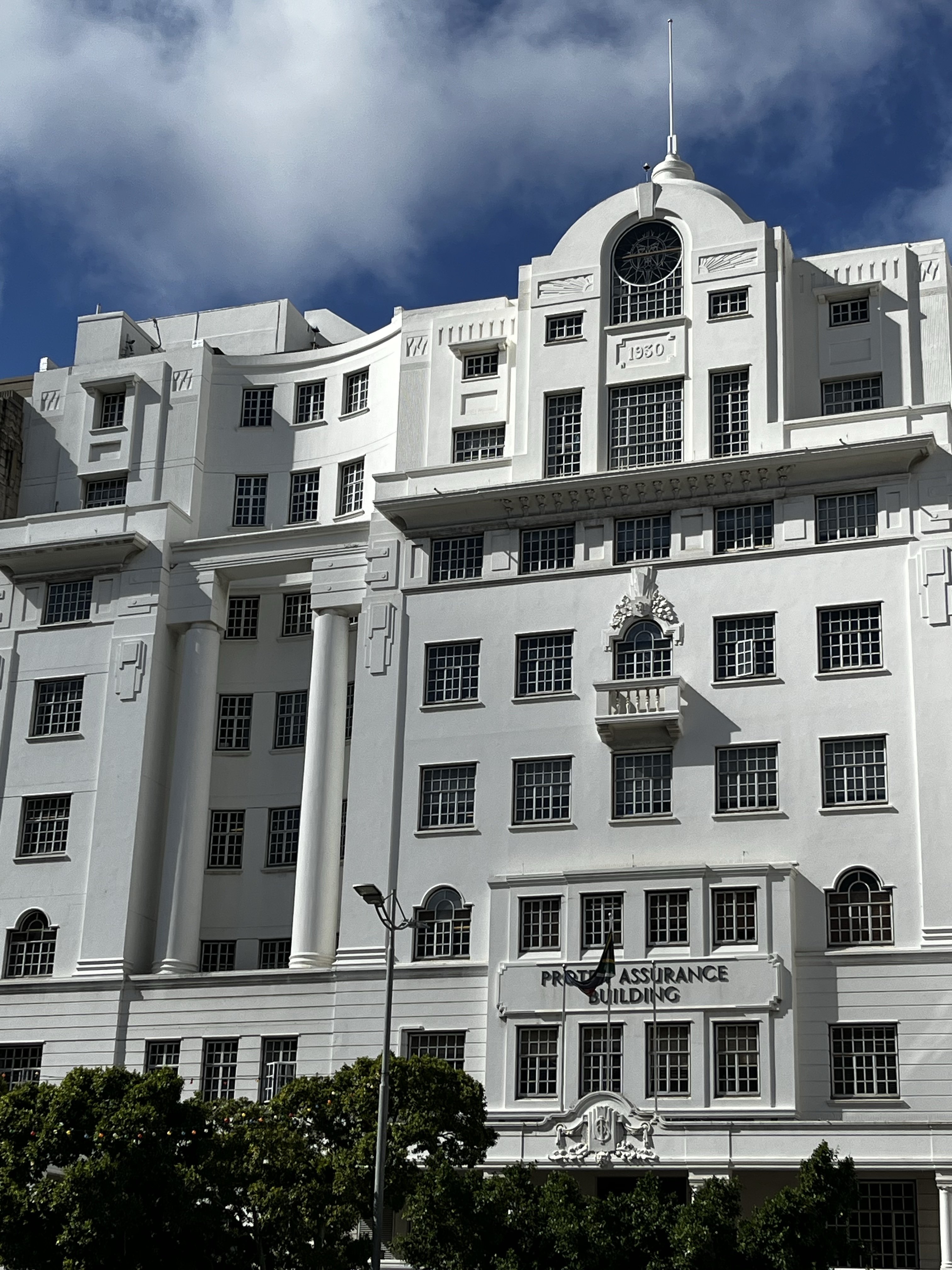
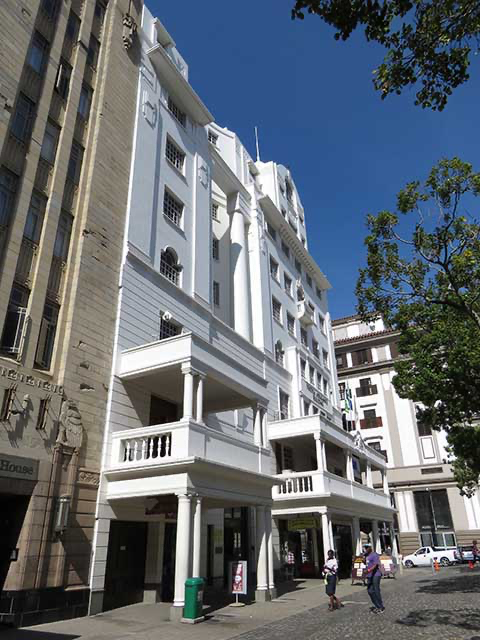
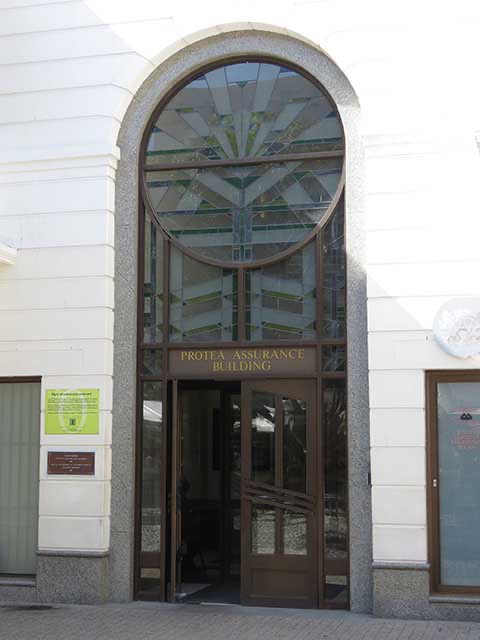
The wealth of architecture is often a representation of the wealth of a city. While the Cape was the halfway point between Europe and Asia, its real growth started in the 1880s after the discovery of diamonds in 1869 and subsequently the opening of Witwatersrand gold fields in 1886 which led to many British, American and Australian insurance companies setting up their business in Cape Town. More than 20 insurance companies operated in the Cape after minerals were discovered.
The city is strewn with architectural beauties. Some have no access, some have been remodelled as Grade A office space, some are administrative, some up for tender and some have retained just their exterior.
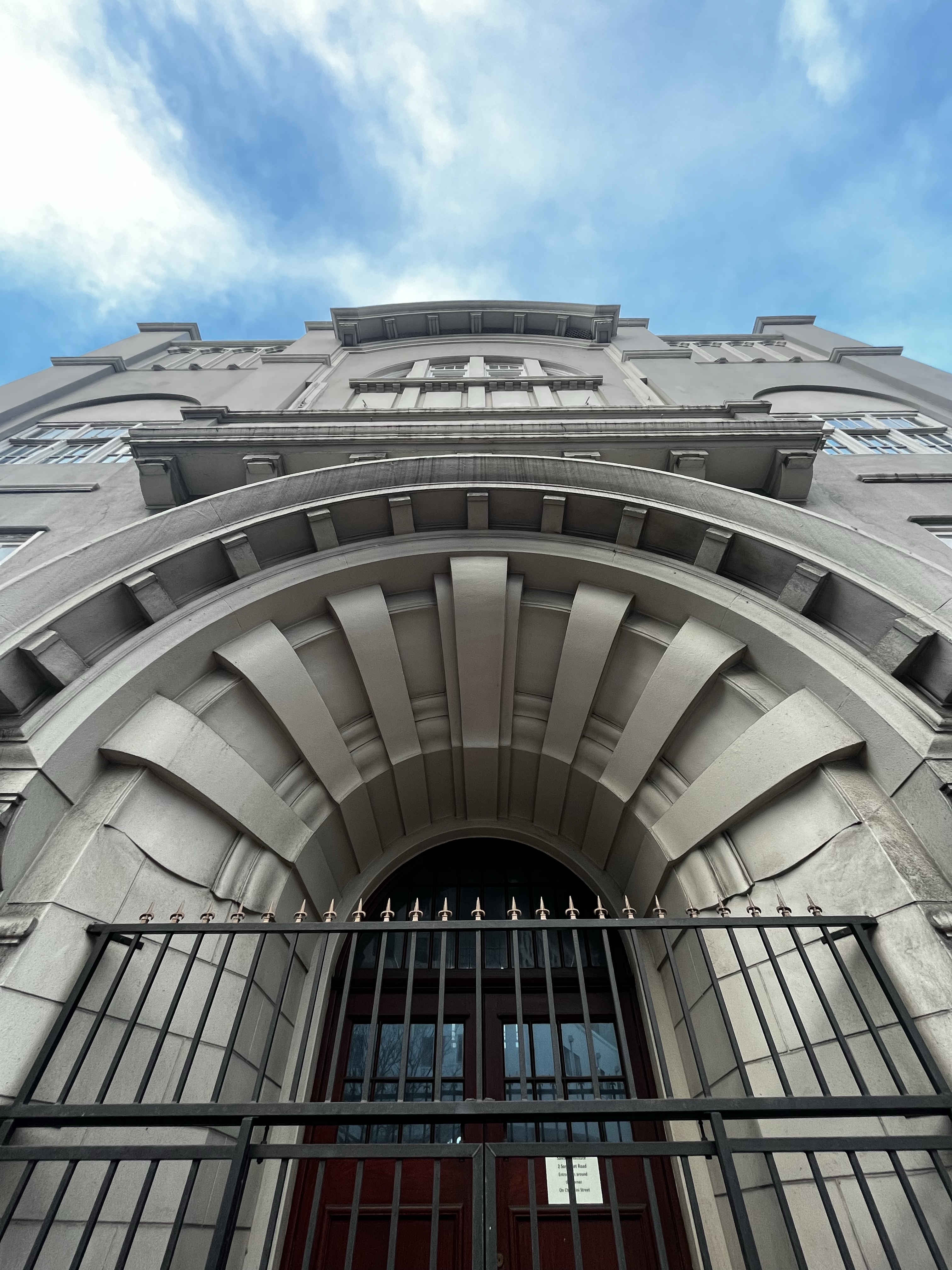
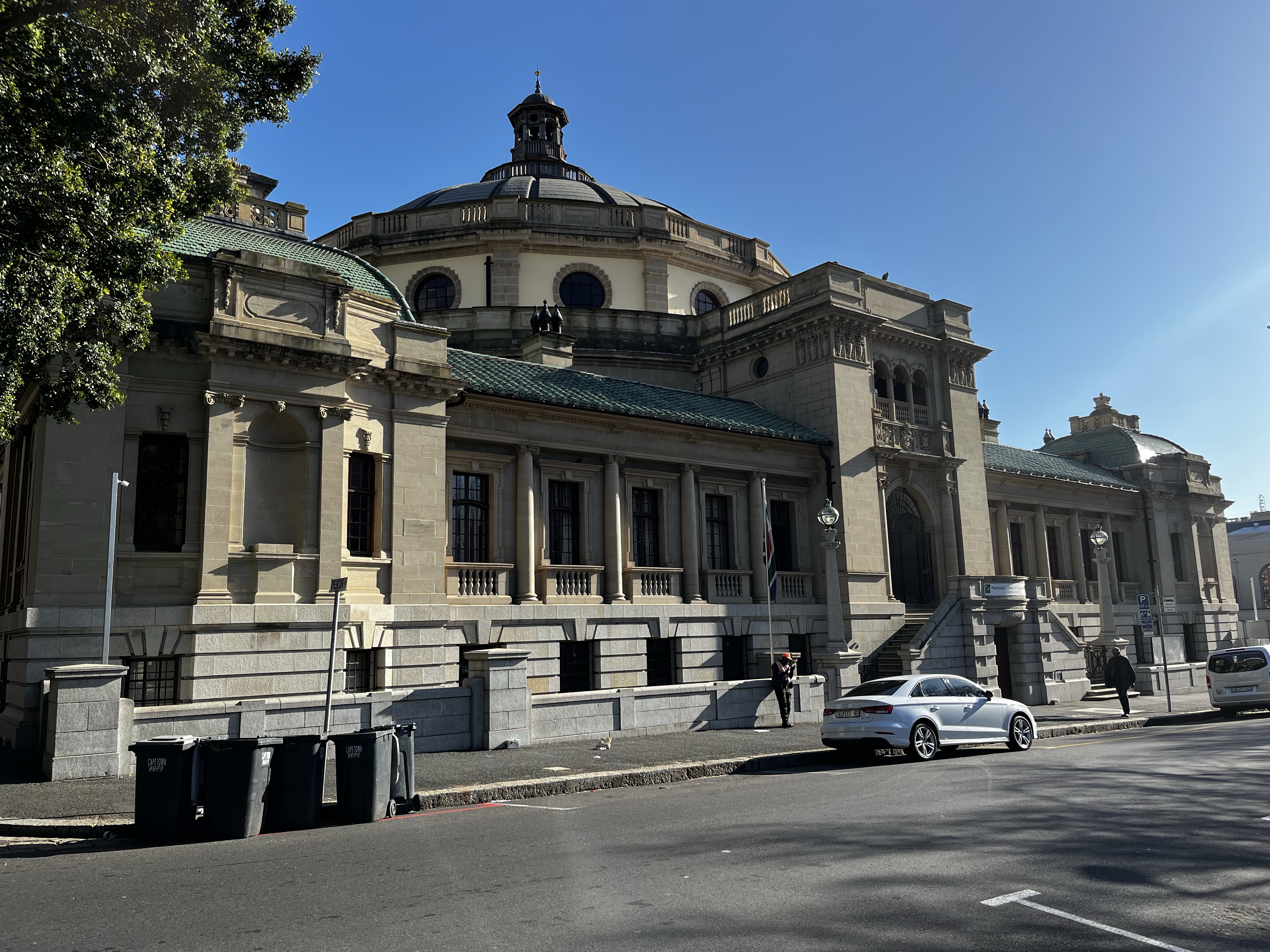
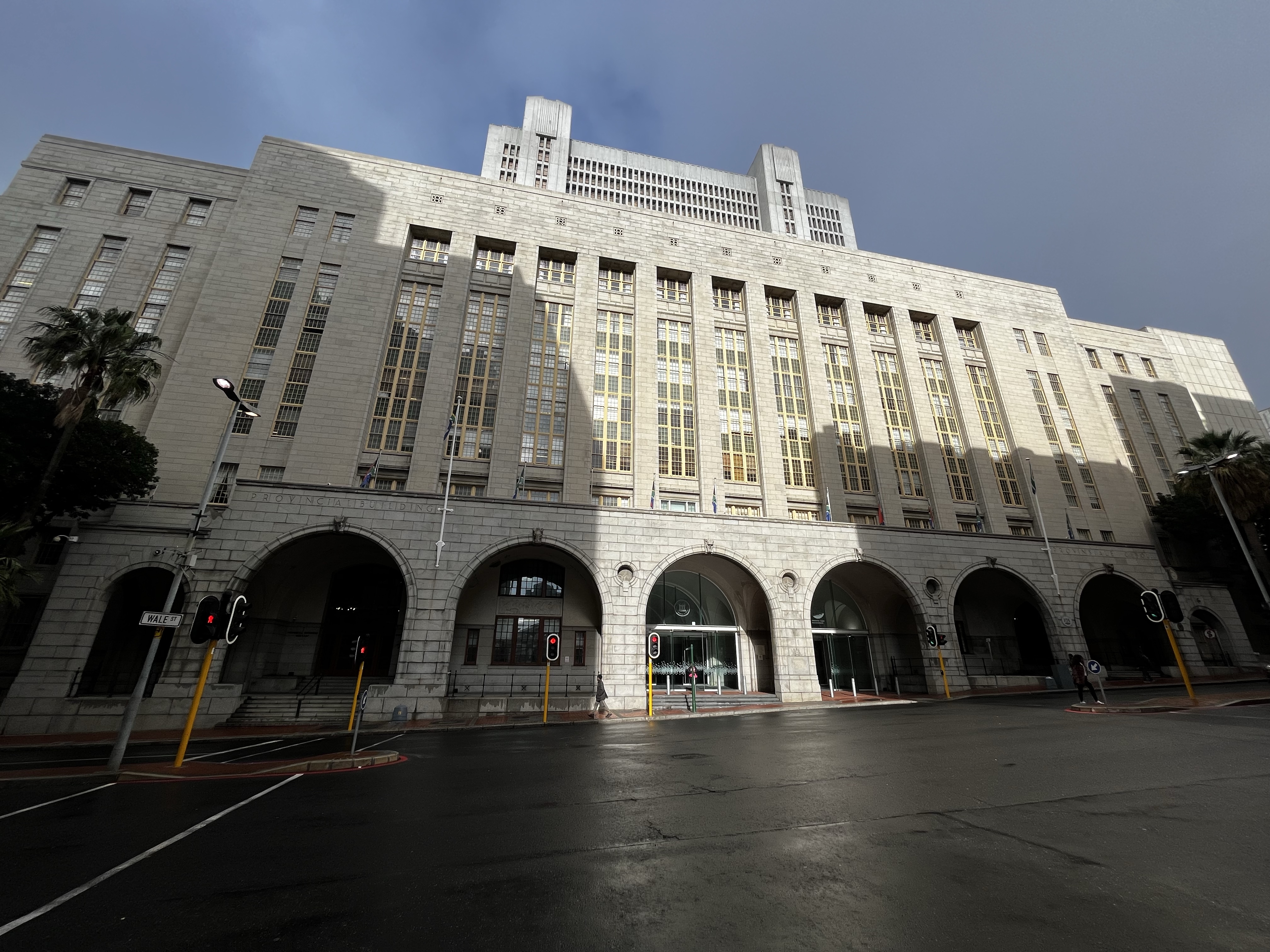
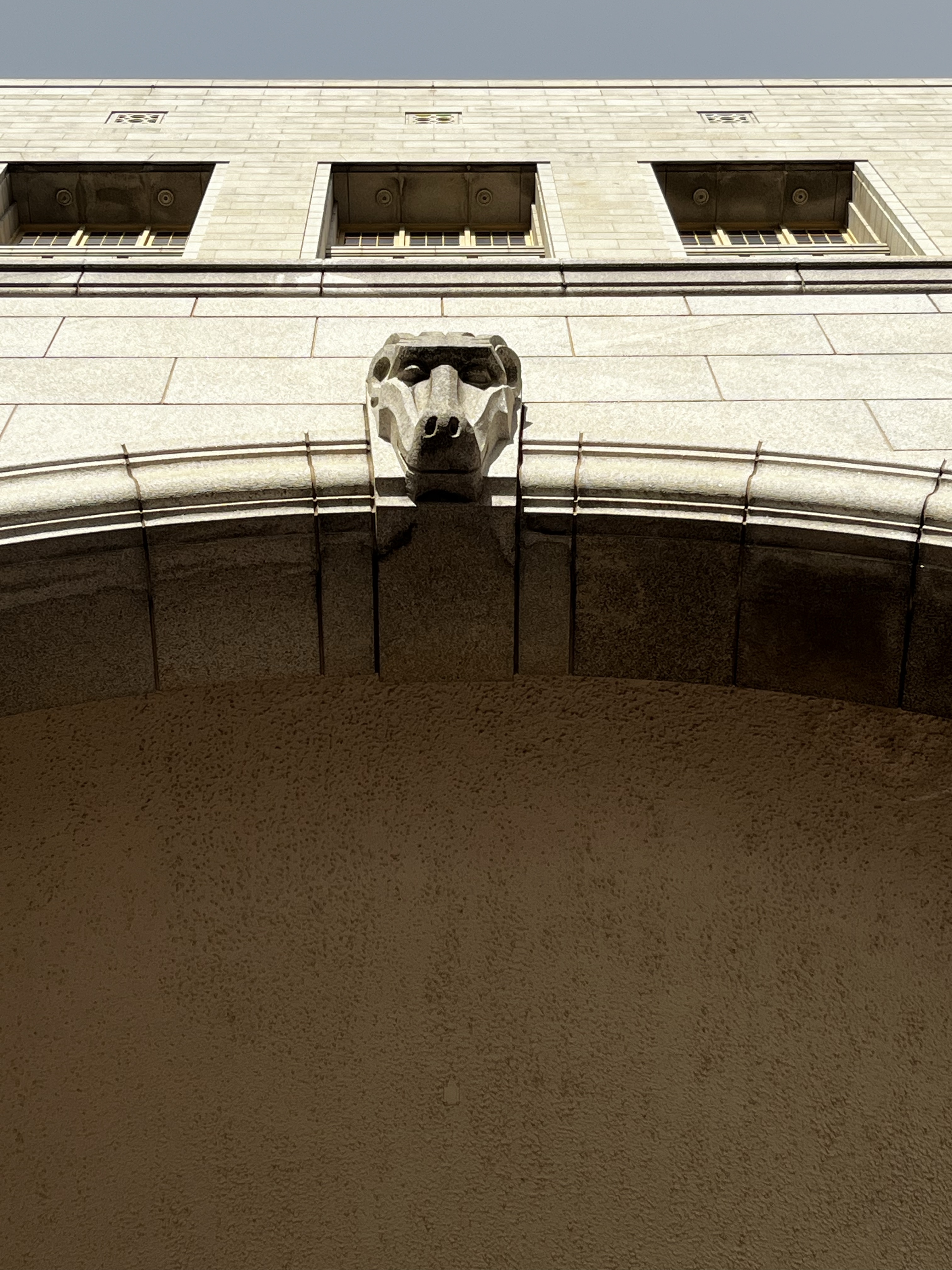
Here are some other exquisite jewels I wish could explore more.

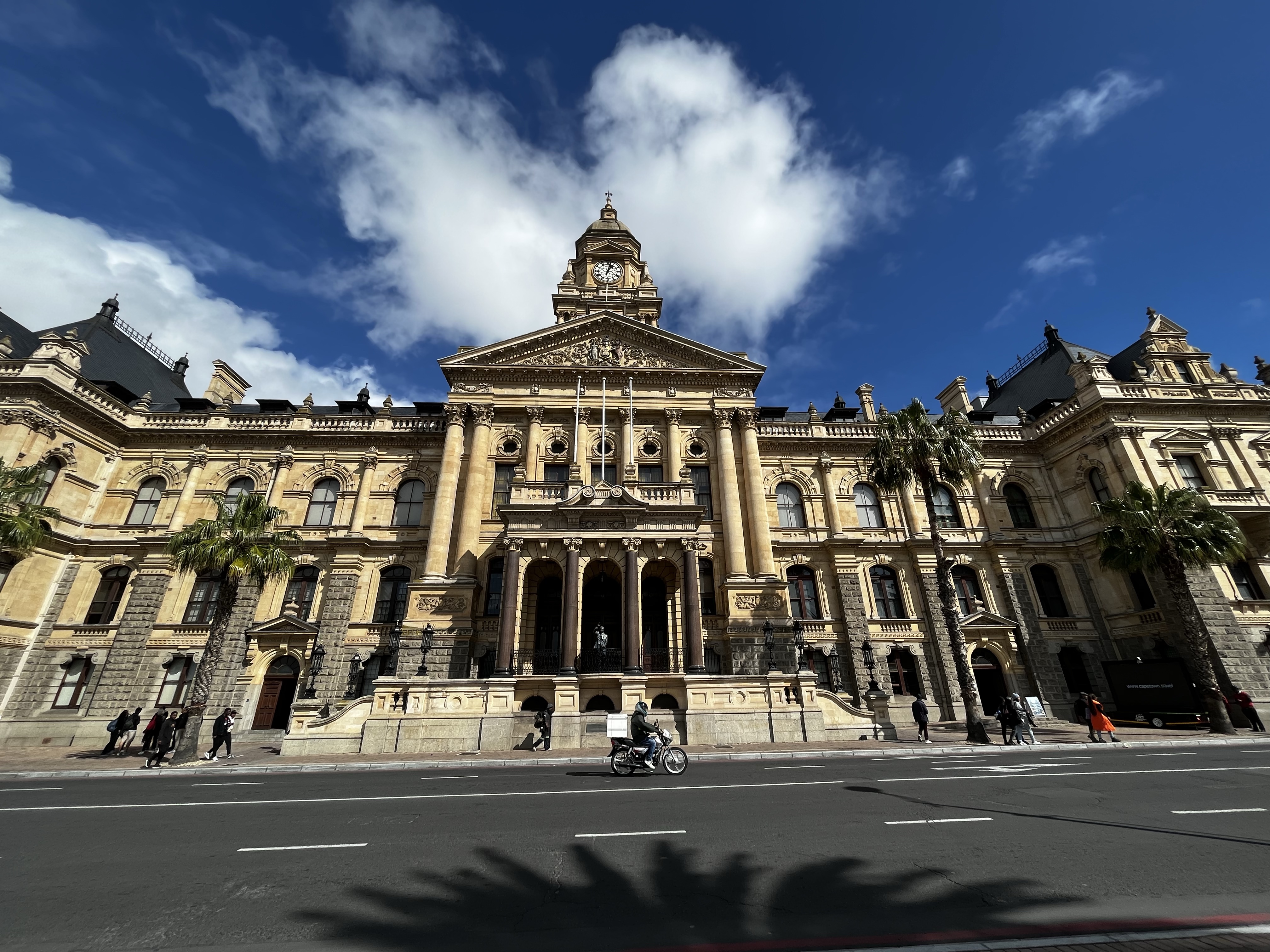




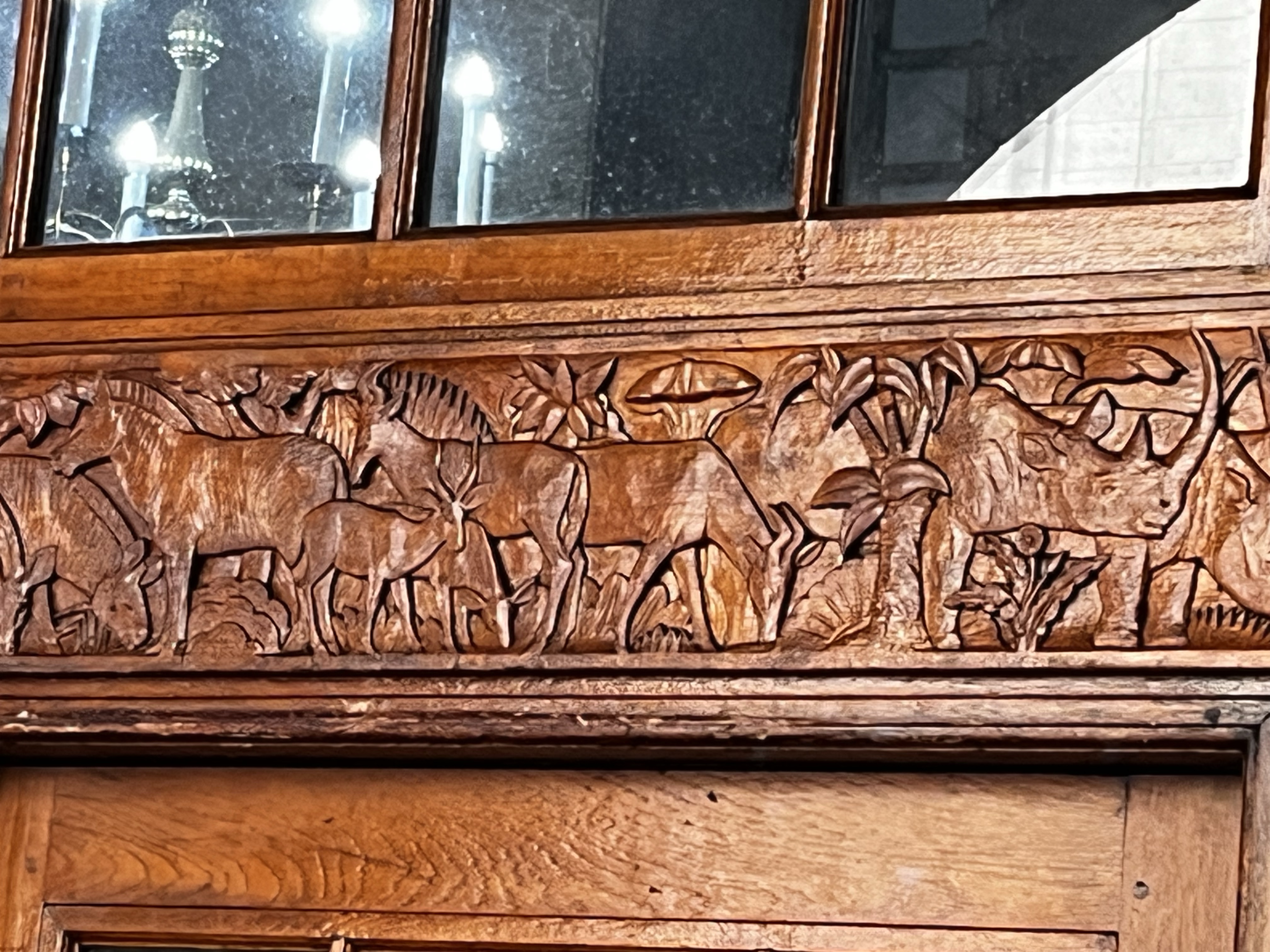

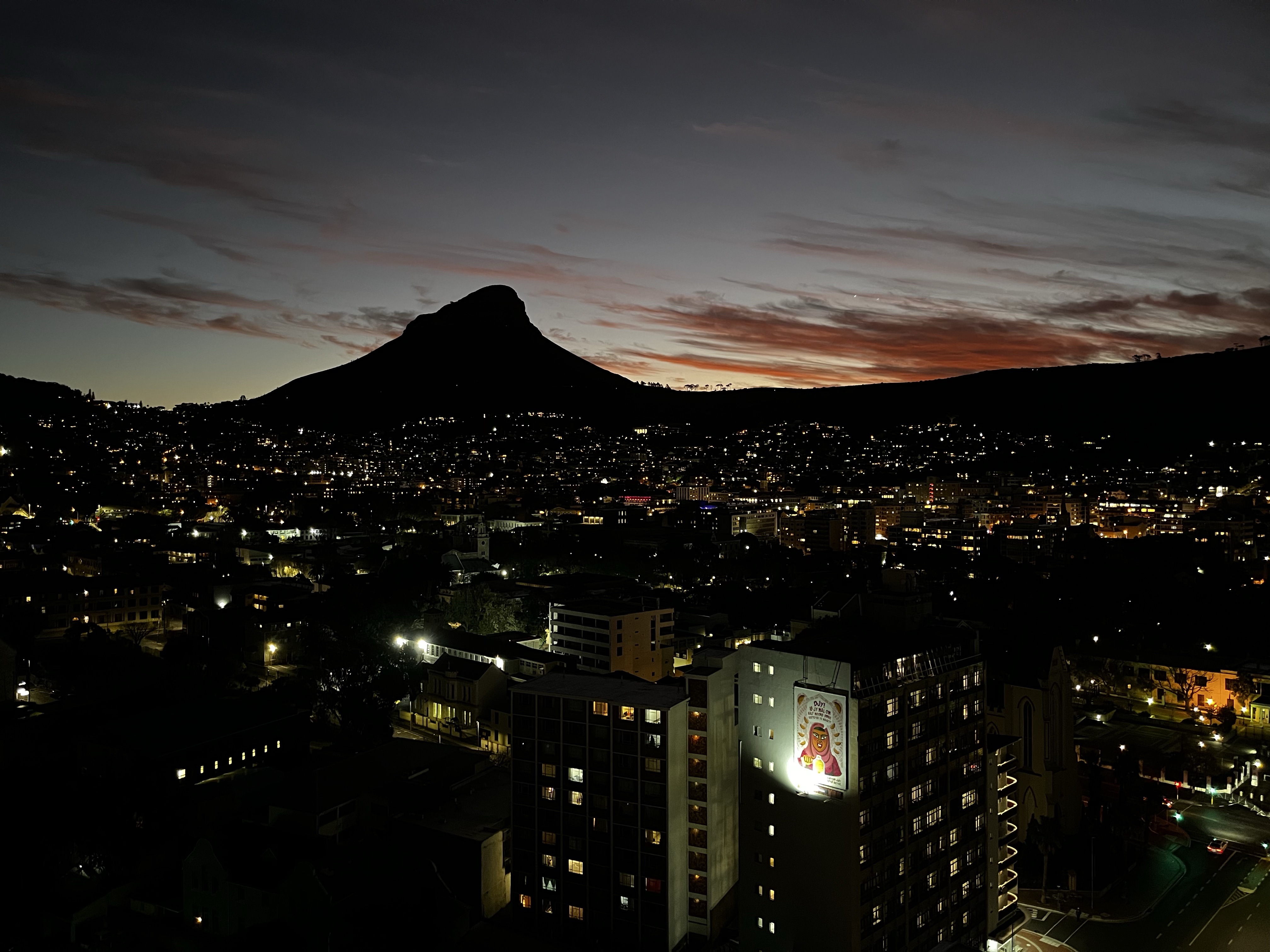
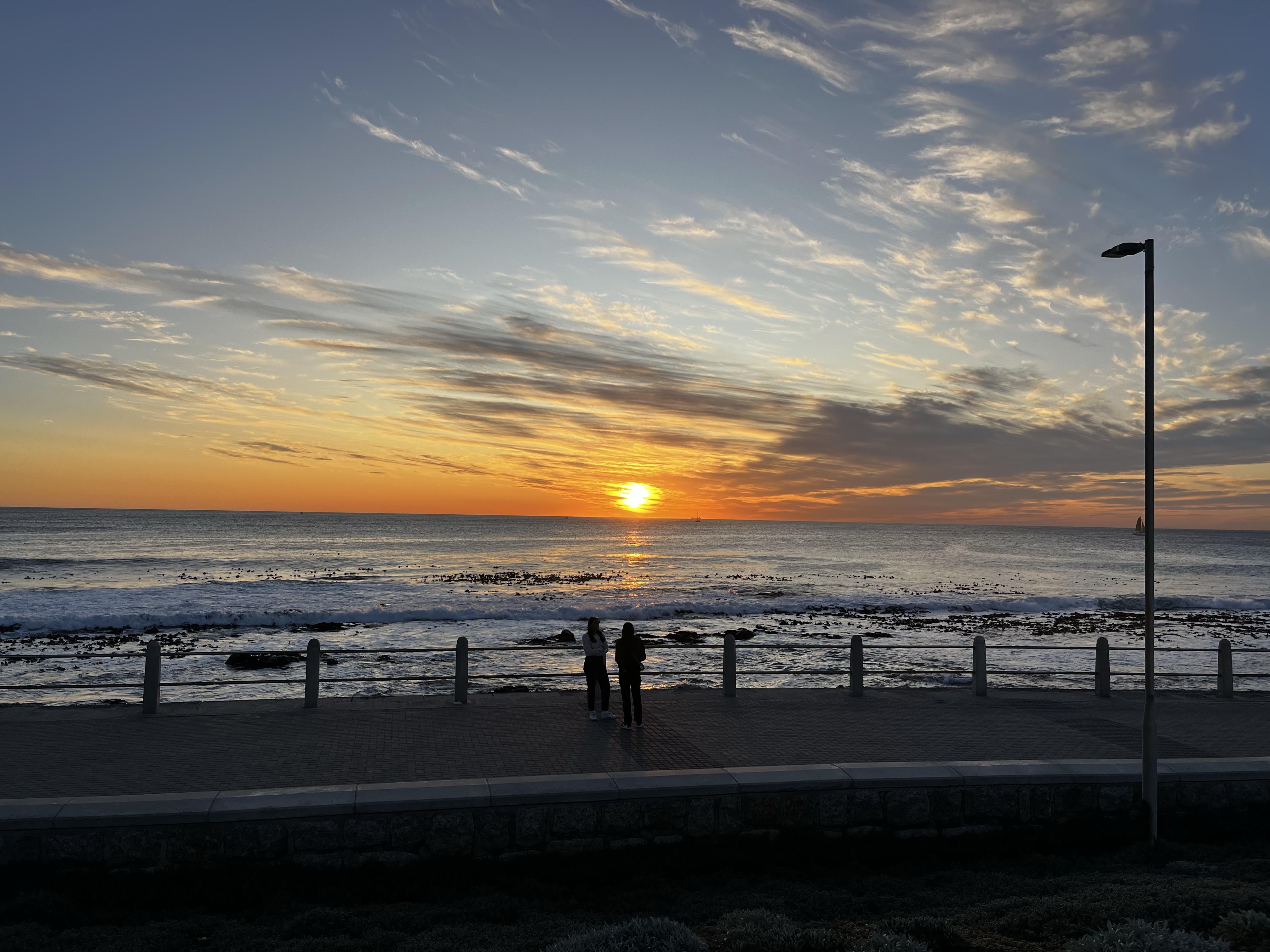
From sunrise to sunset, Cape Town has everything under the sun to keep you enamoured with the city, in perpetual love. From thrift shops to flea markets to arts and handicrafts to delectable food and wine – you just can’t get tired of the city.
I leave you with its music at the Waterfront.