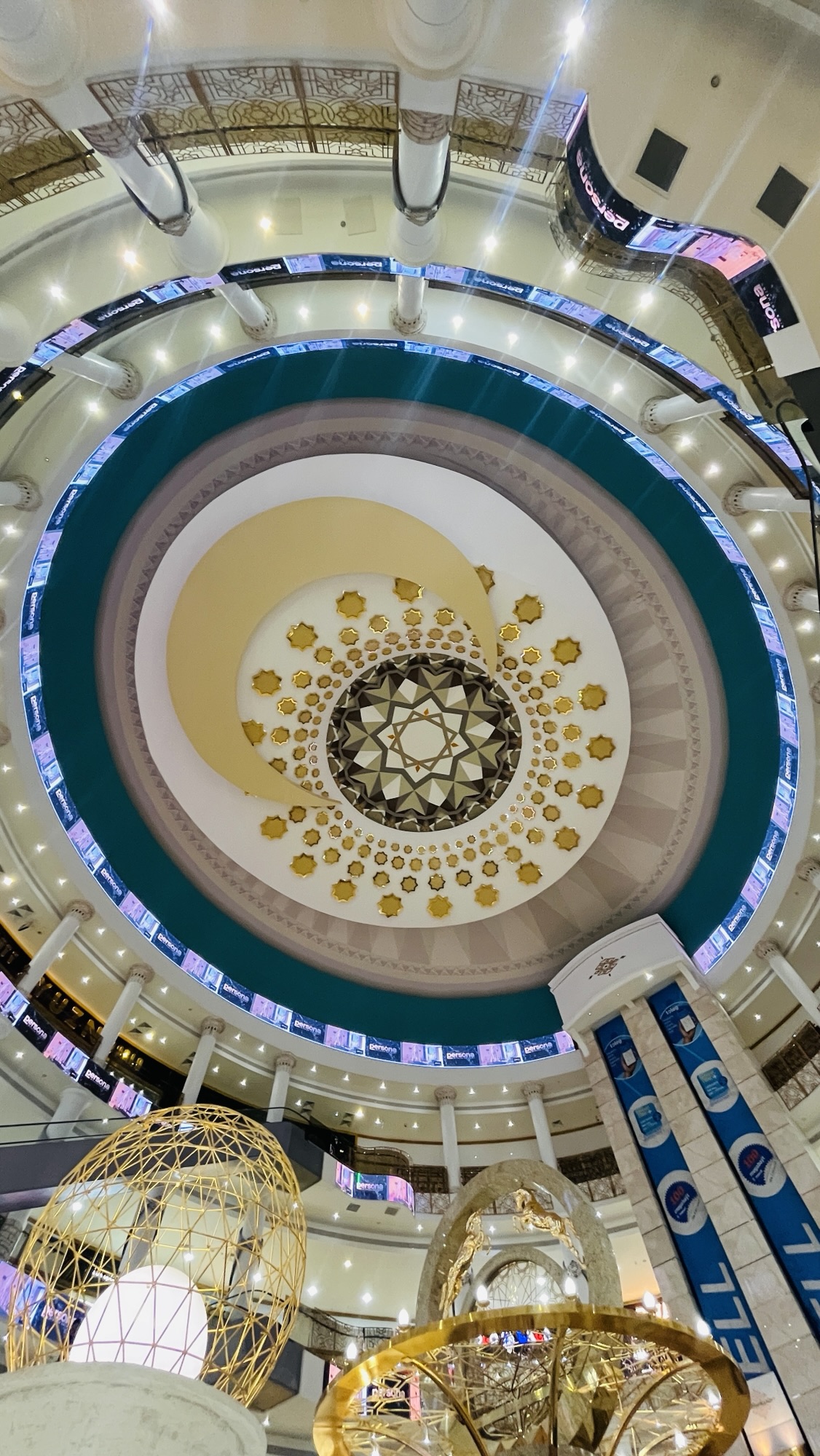
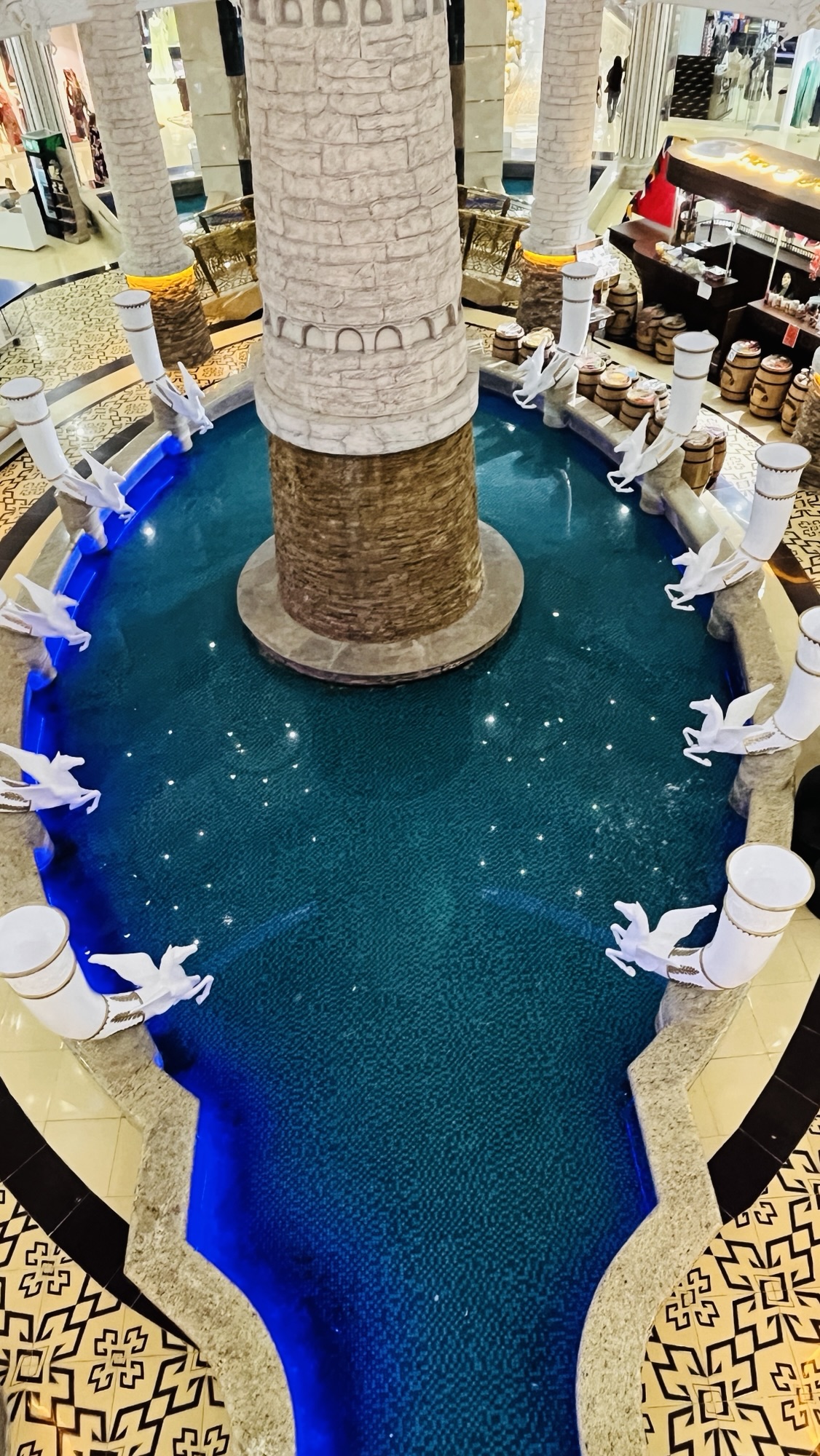
Ashgabat is perhaps the most Instagrammable city. If Alice were to find herself in this modern-day wonderland, her adventures will take her to an amusement park adorned with a ferris wheel, folklores and fairy tales; a chance to see not one, but many magical carpets; meet fantastical heroes of yore, ride golden horses, read tales of its legendary characters and ultimately fall in love with the city that is called the City of Love (ashq meaning love and abad meaning city).
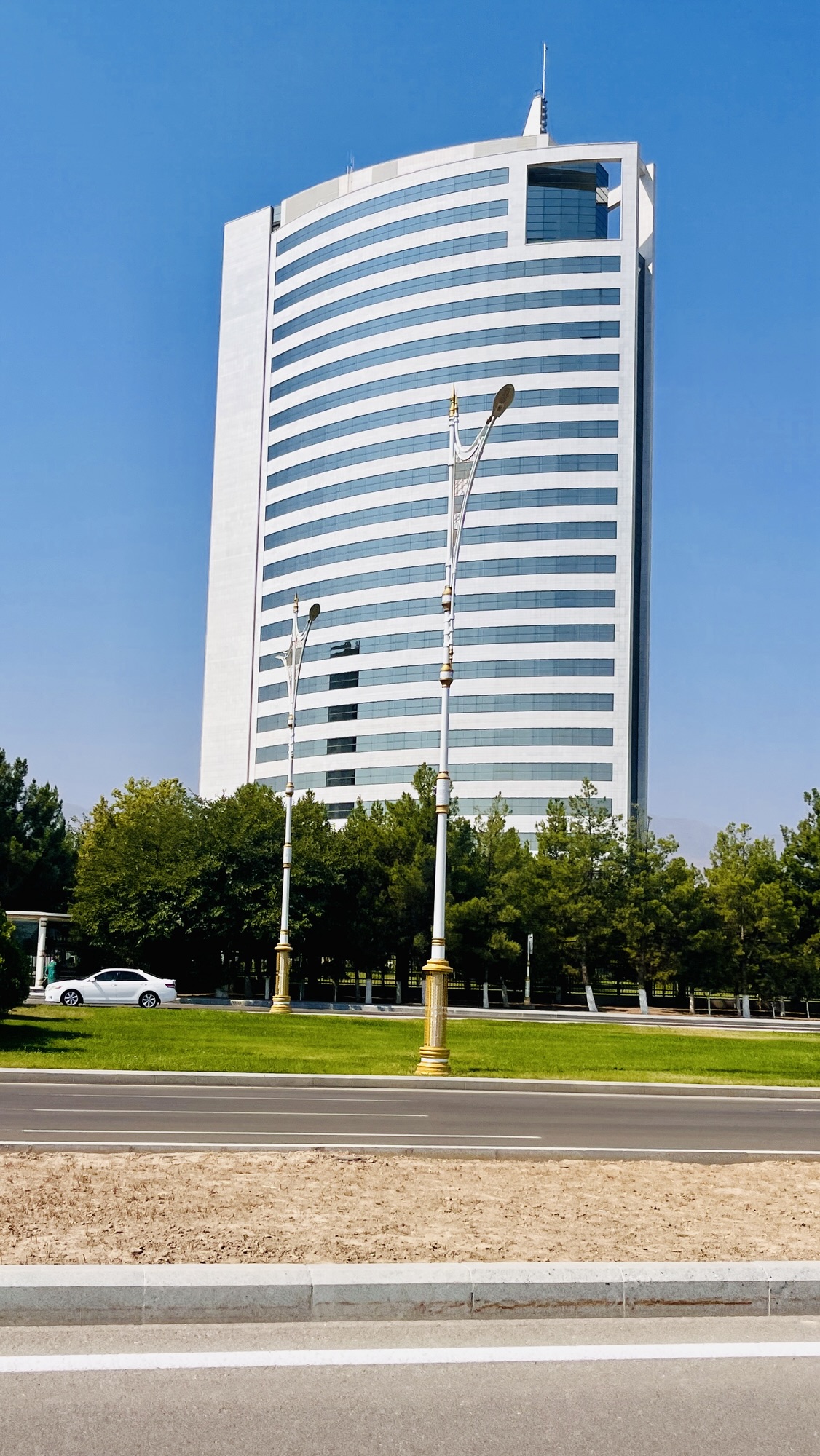
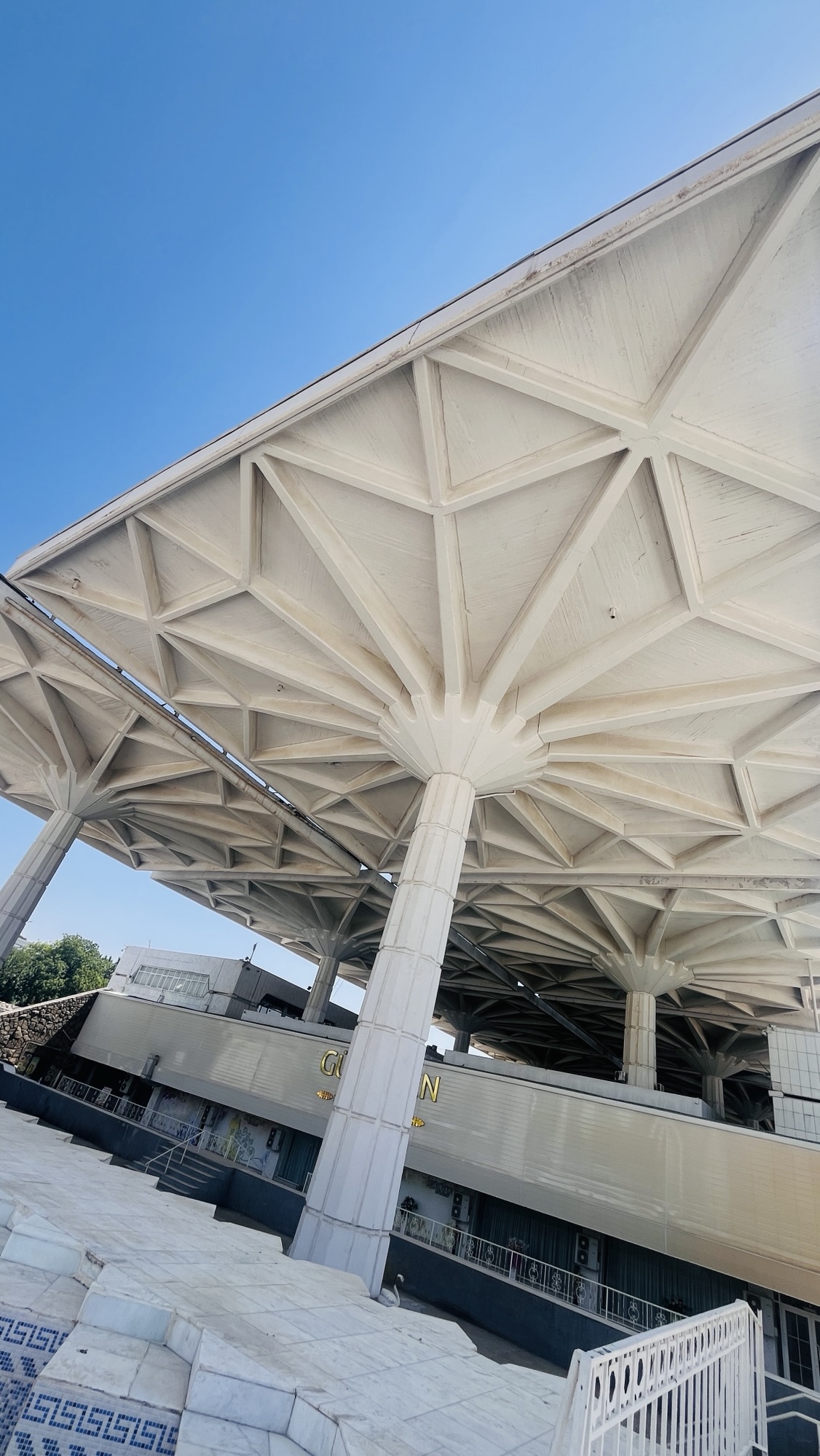
The visionary behind this fantastical city is its first President, Saparmyrat Niyazov. White Carrara marble was imported from Italy to rebuild a city with wide open roads that was filled with white cars, white buildings, white monuments, white museums, white mosques, white hotels and white stadiums. White, a sign of purity, according to Islam, became a Turkmen way of life, so much that the Turkmen even wish you a “white life” instead of a happy life and a “white trip” instead of a nice trip.
Alongside the white city lies green corridors that are constantly irrigated. Green is a colour of life and new birth – a Zoroastrian belief. The white city with its green soul is a perfect representation of Turkmenistan’s Turco-Persian heritage.
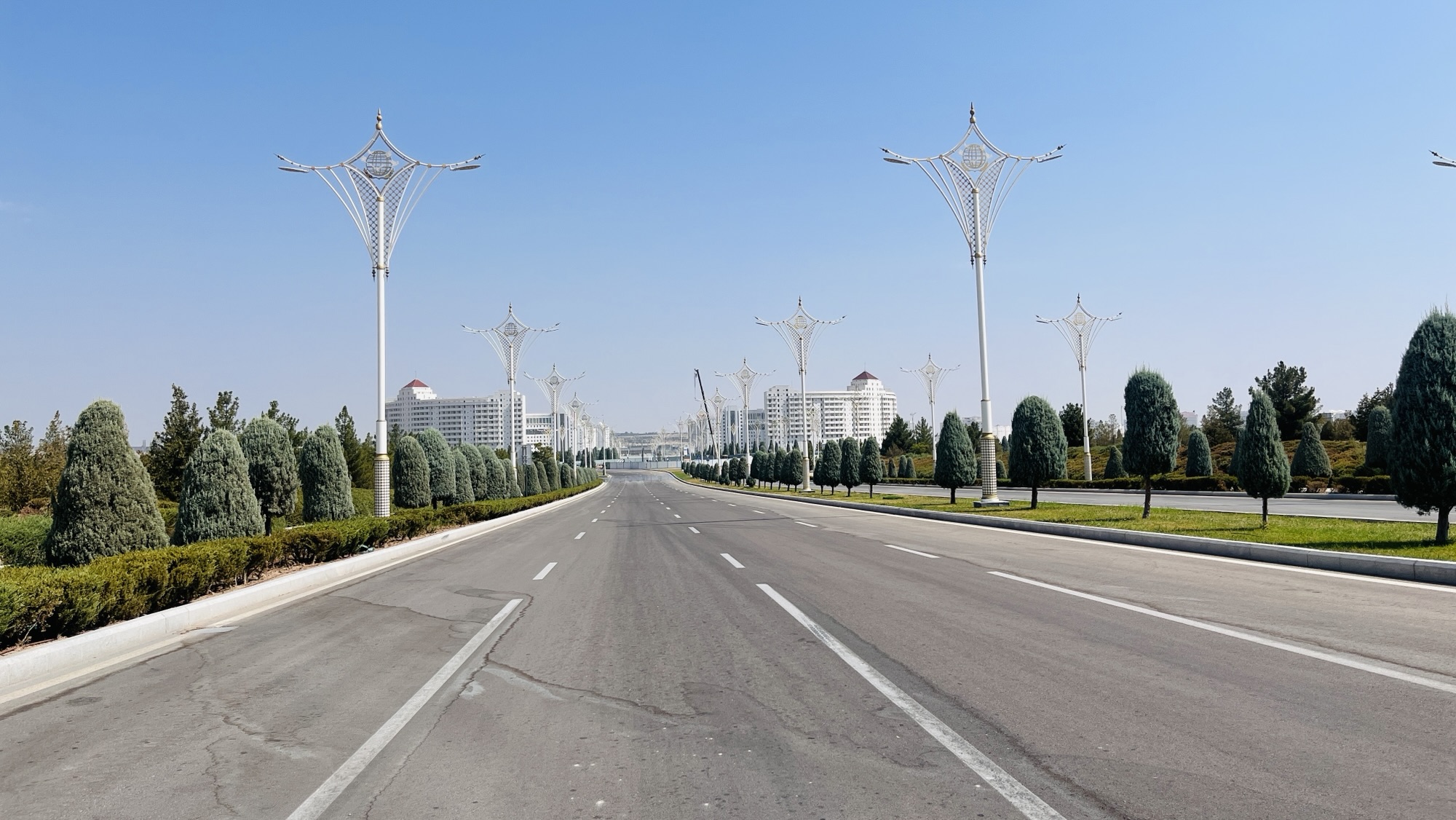
And so, for a day, I became Alice inside this hypnotic illusion of a Instagram-land that is cut off from the world, taking photos after photos of white buildings. The more photos I took, the more white the city threw at me, soothing me from its merciless heat.
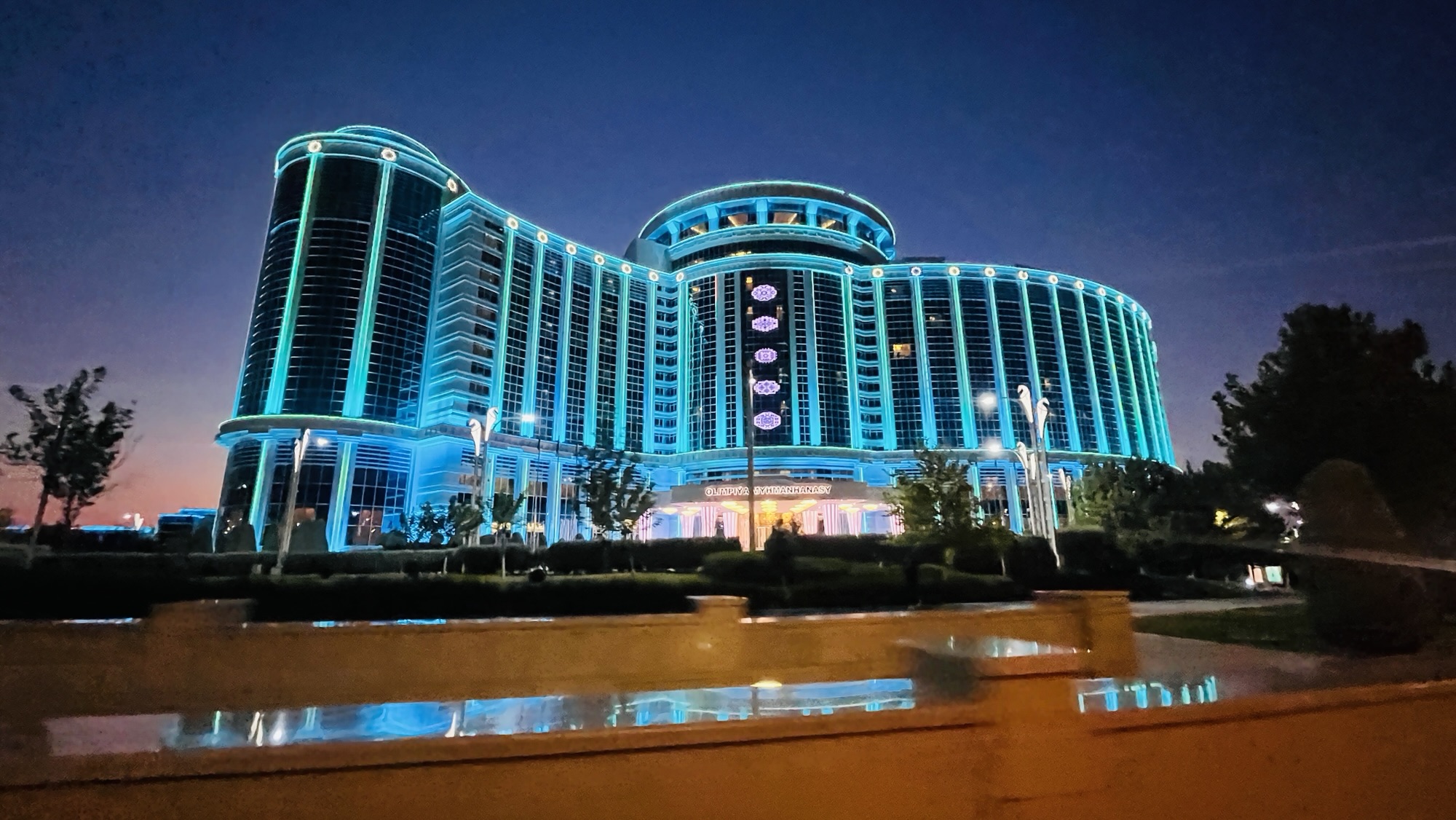
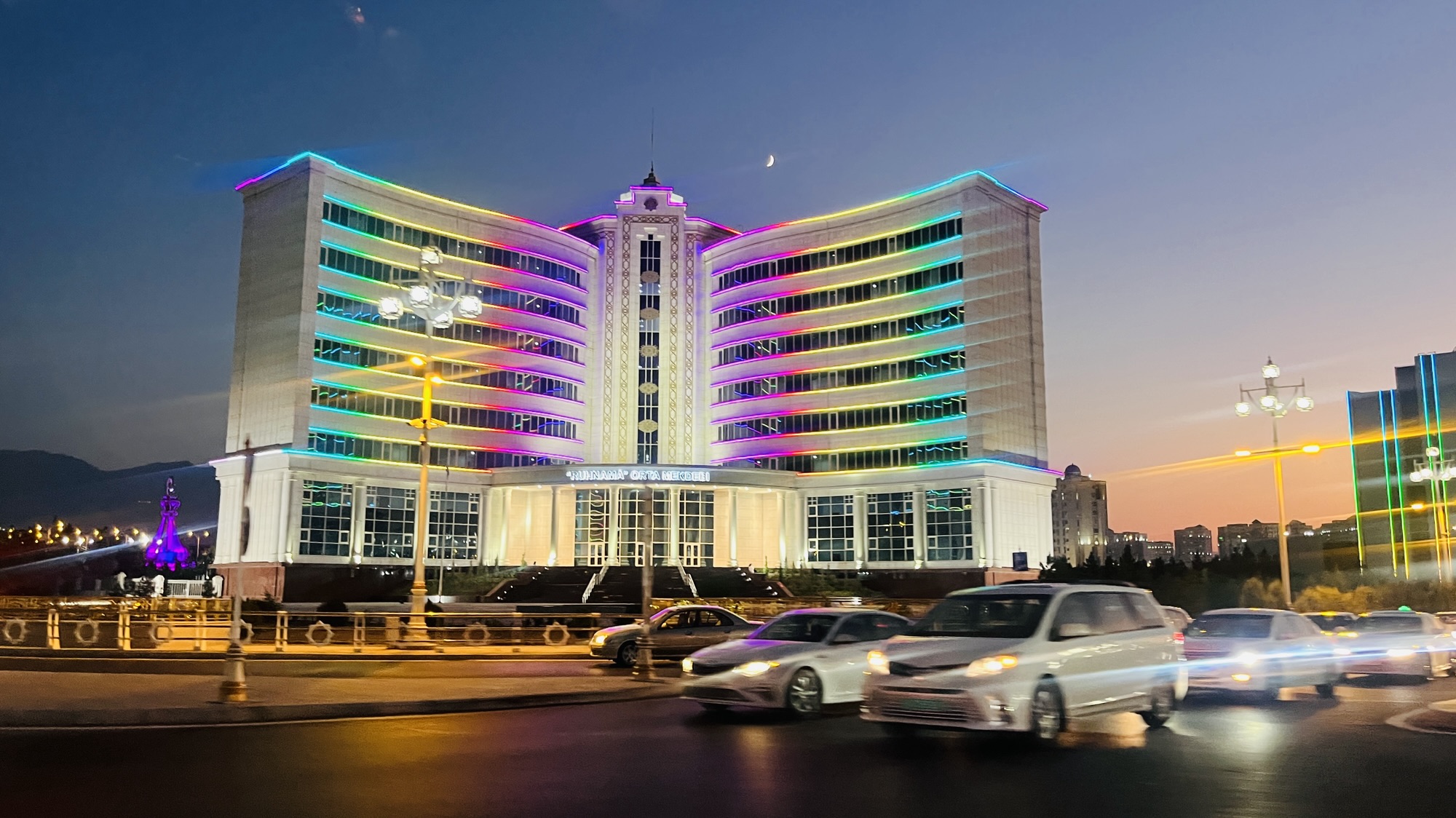
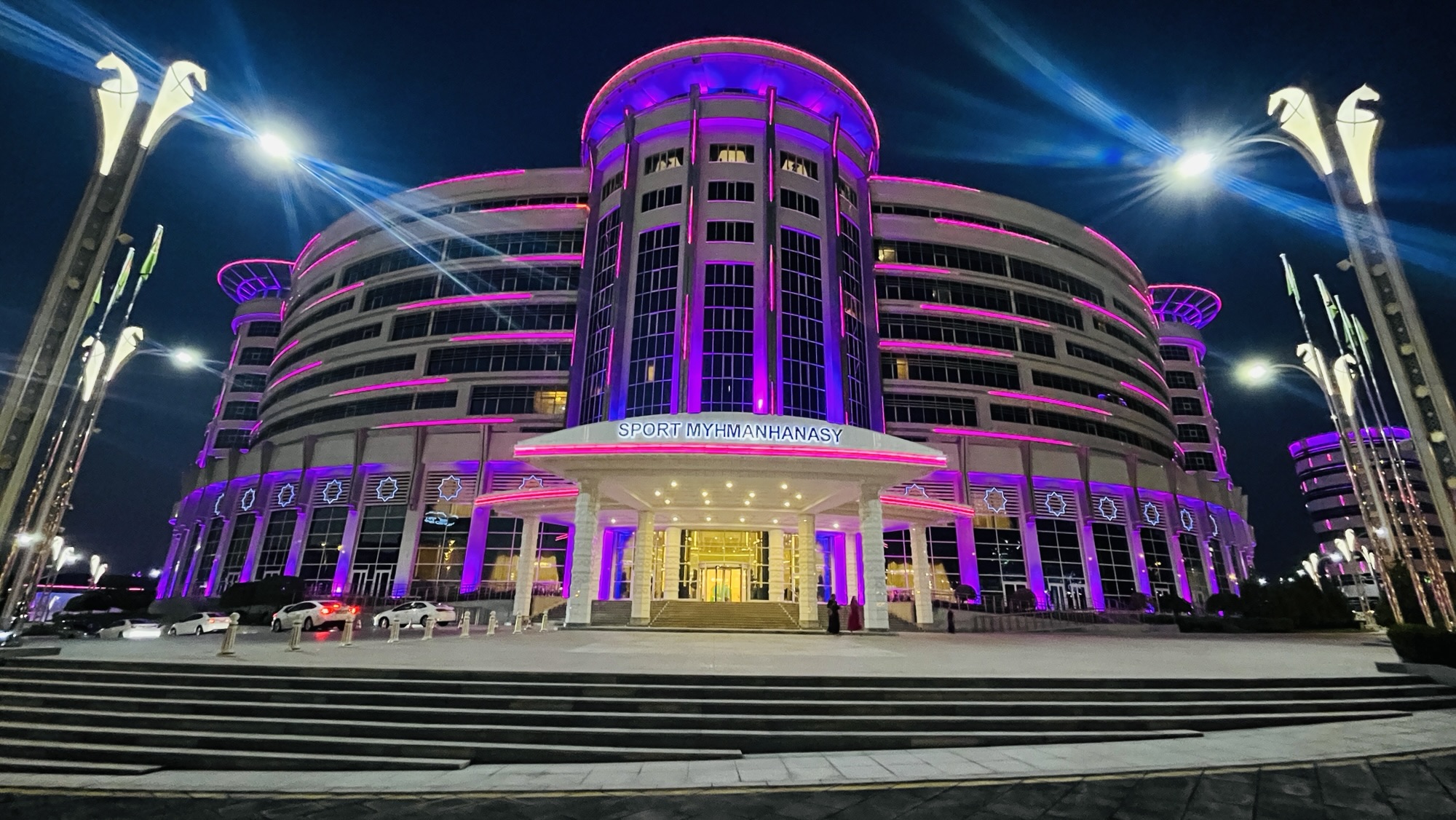
By evening, when white fatigued me, Ashgabat became a LED-lit city drenched in dancing colours.
Recreating history
The 1948 Ashgabat earthquake devastated the city. Then eight-years of age, Niyazov lost his family. This affected Niyazov greatly who invested in rebuilding the entire city after gaining independence from the former USSR in 1991. Wealth from oil and natural gas gave the city planners the riches to not only rebuild an entire city but also recreate history.
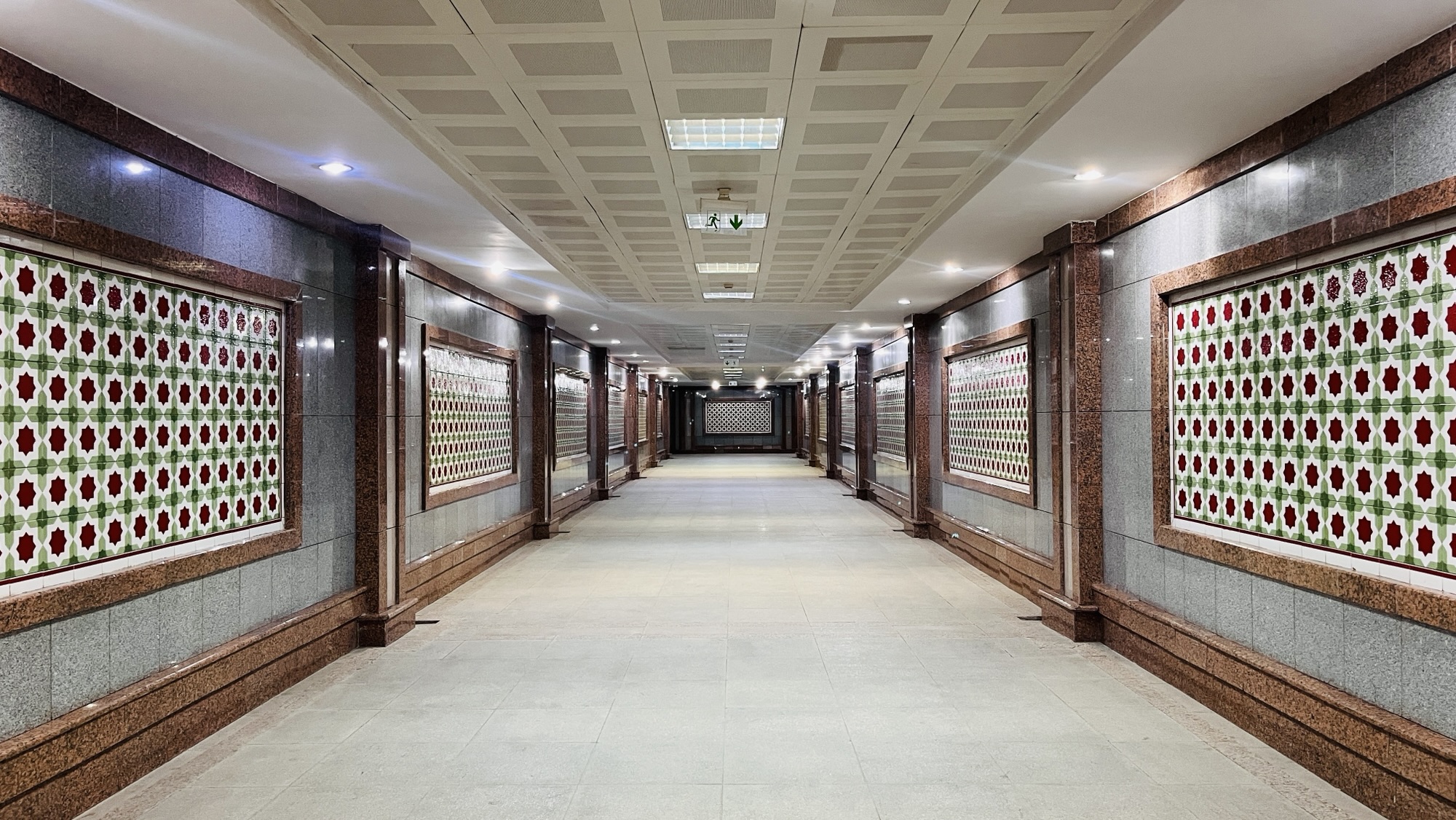
Monuments across the city pay tributes to Turkmen beliefs – to independence, to constitution, to neutrality, to carpets, to spirituality, to books, to music and even family.
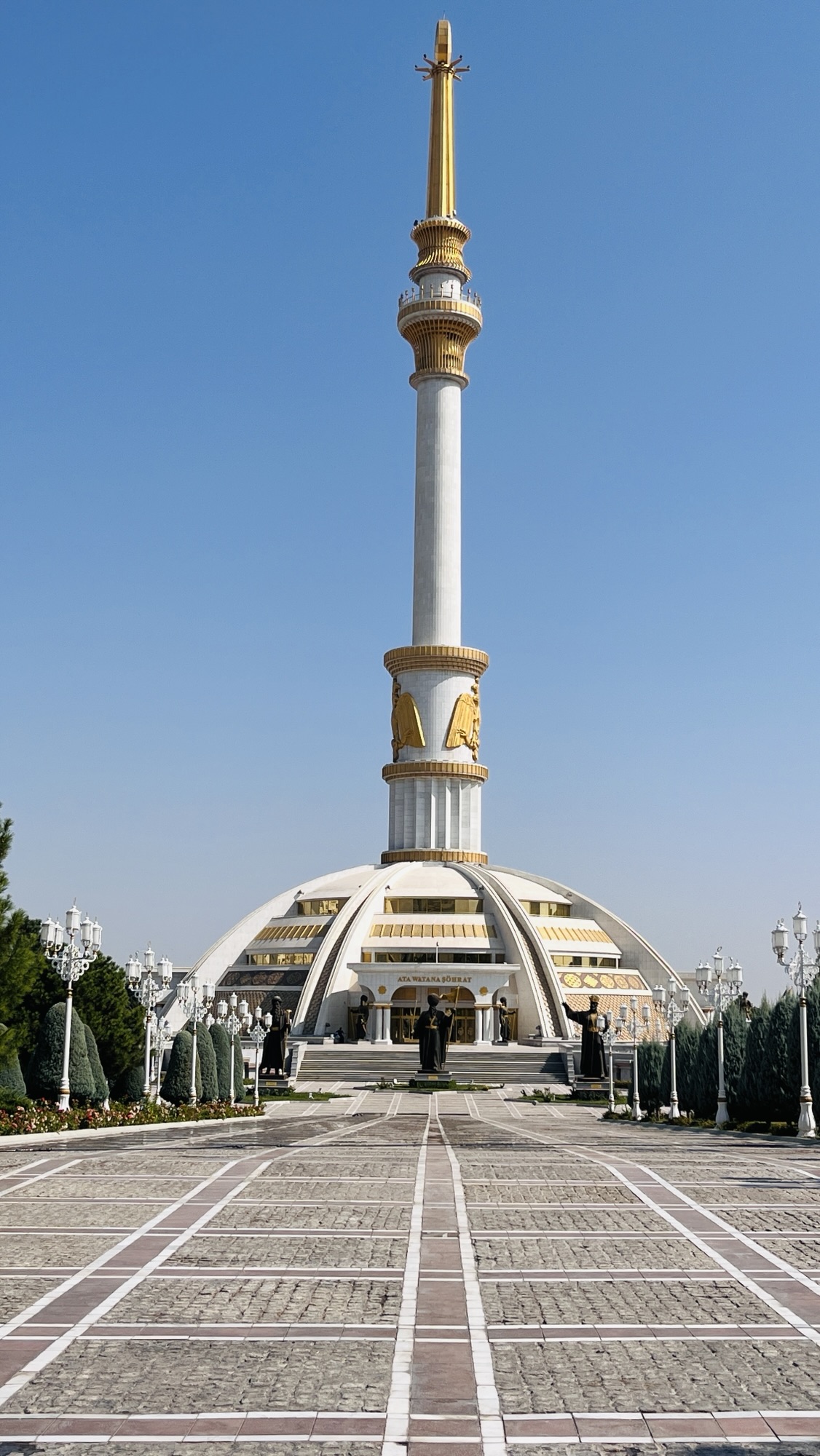

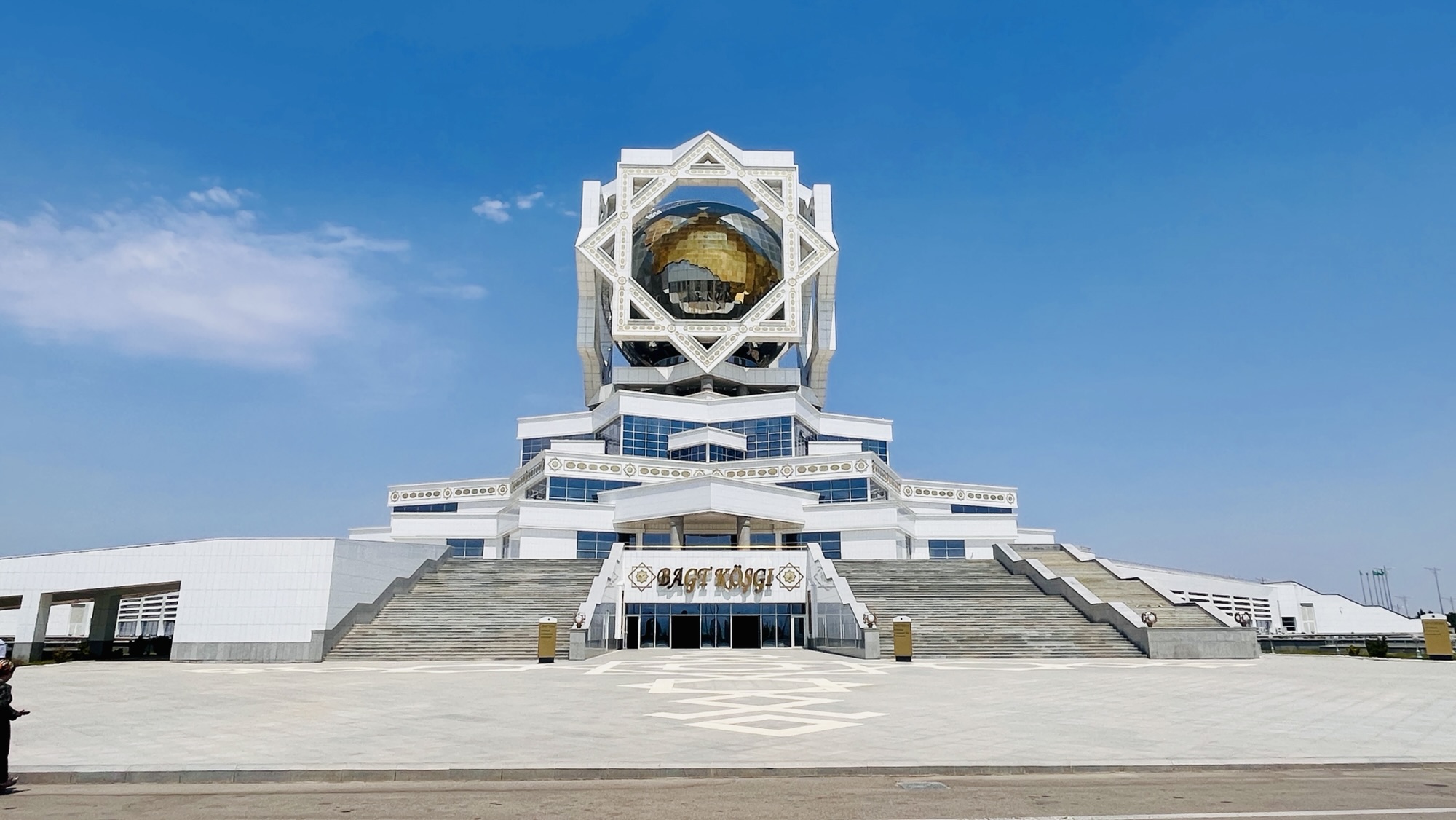

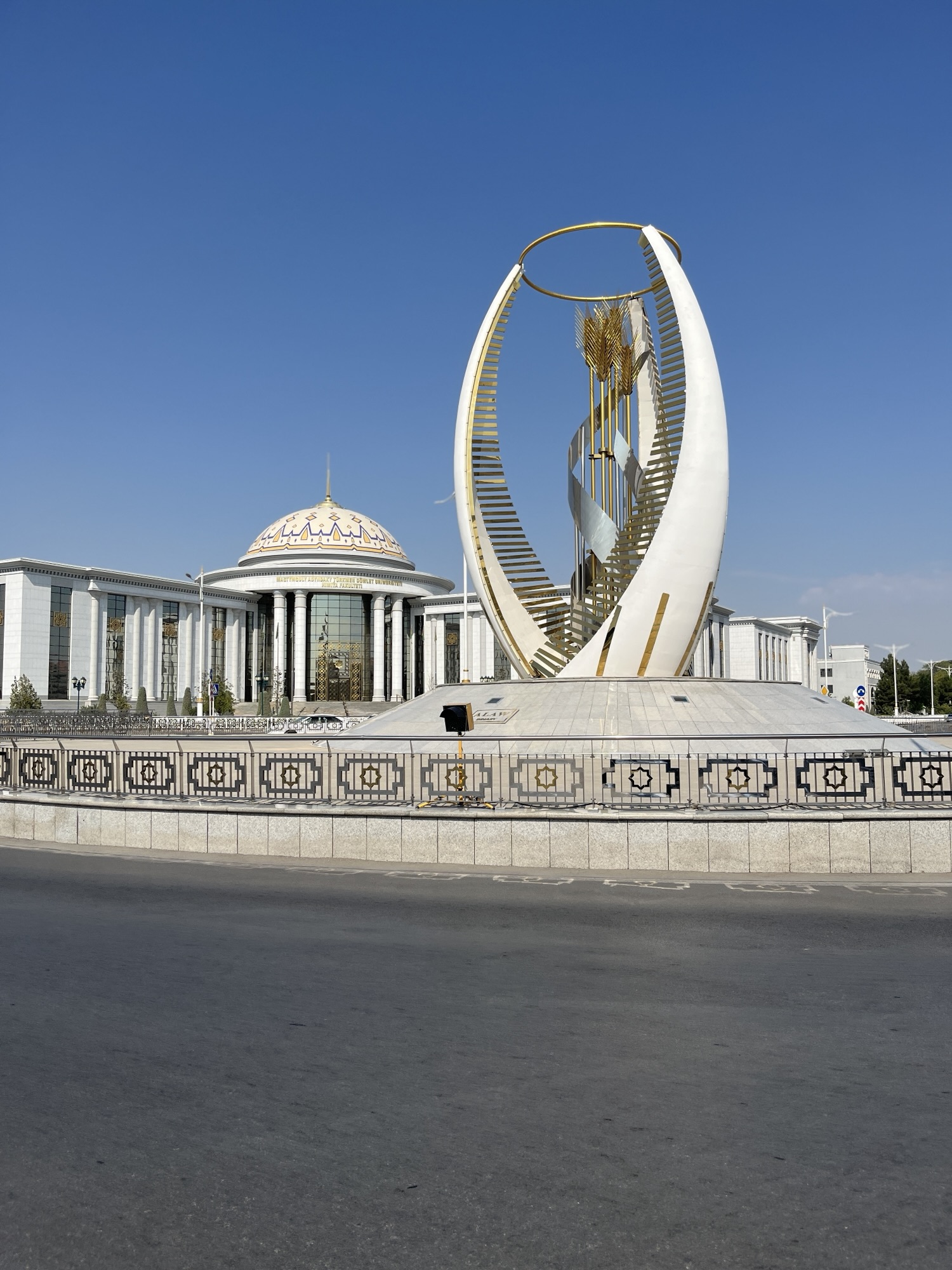
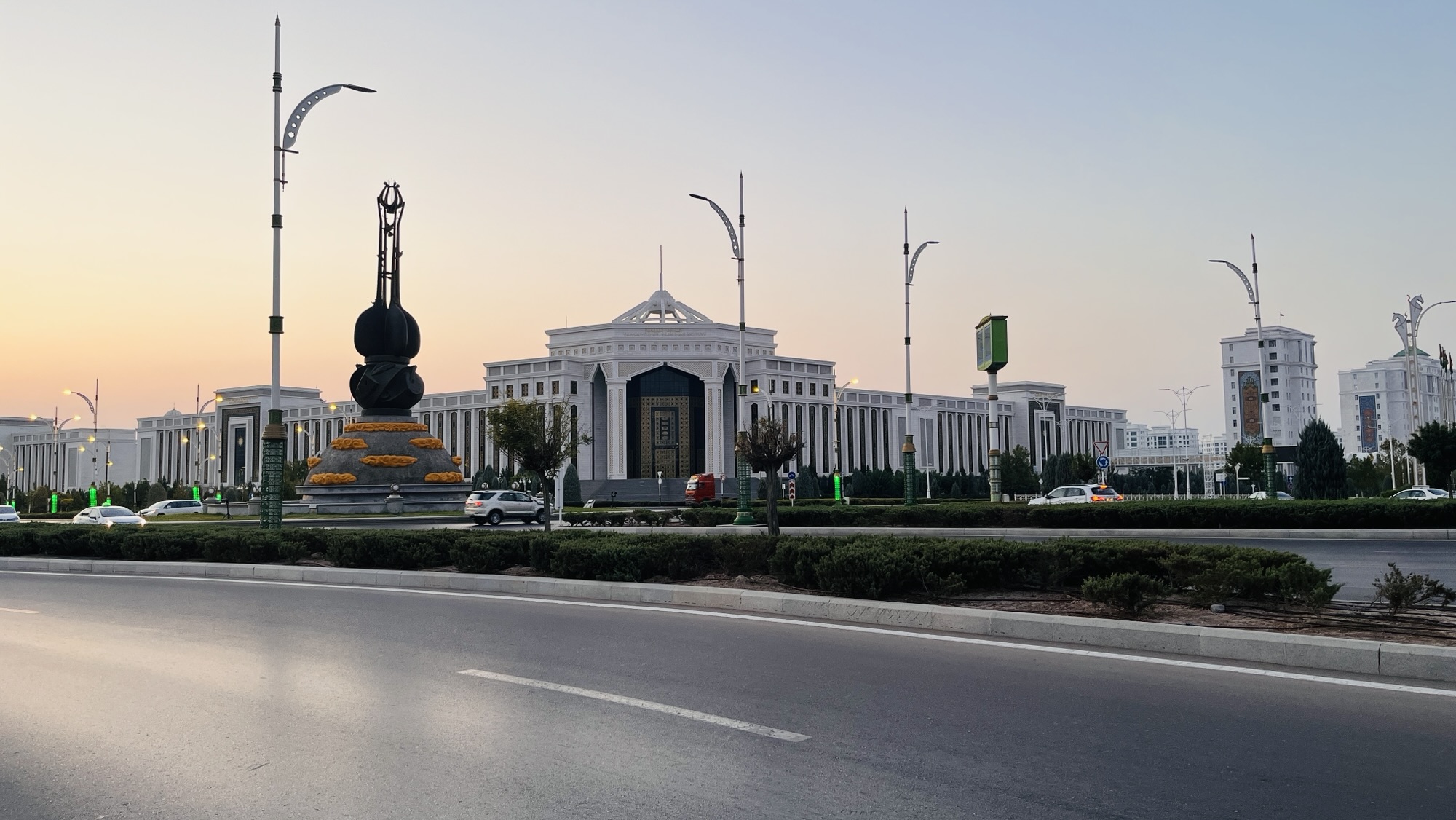
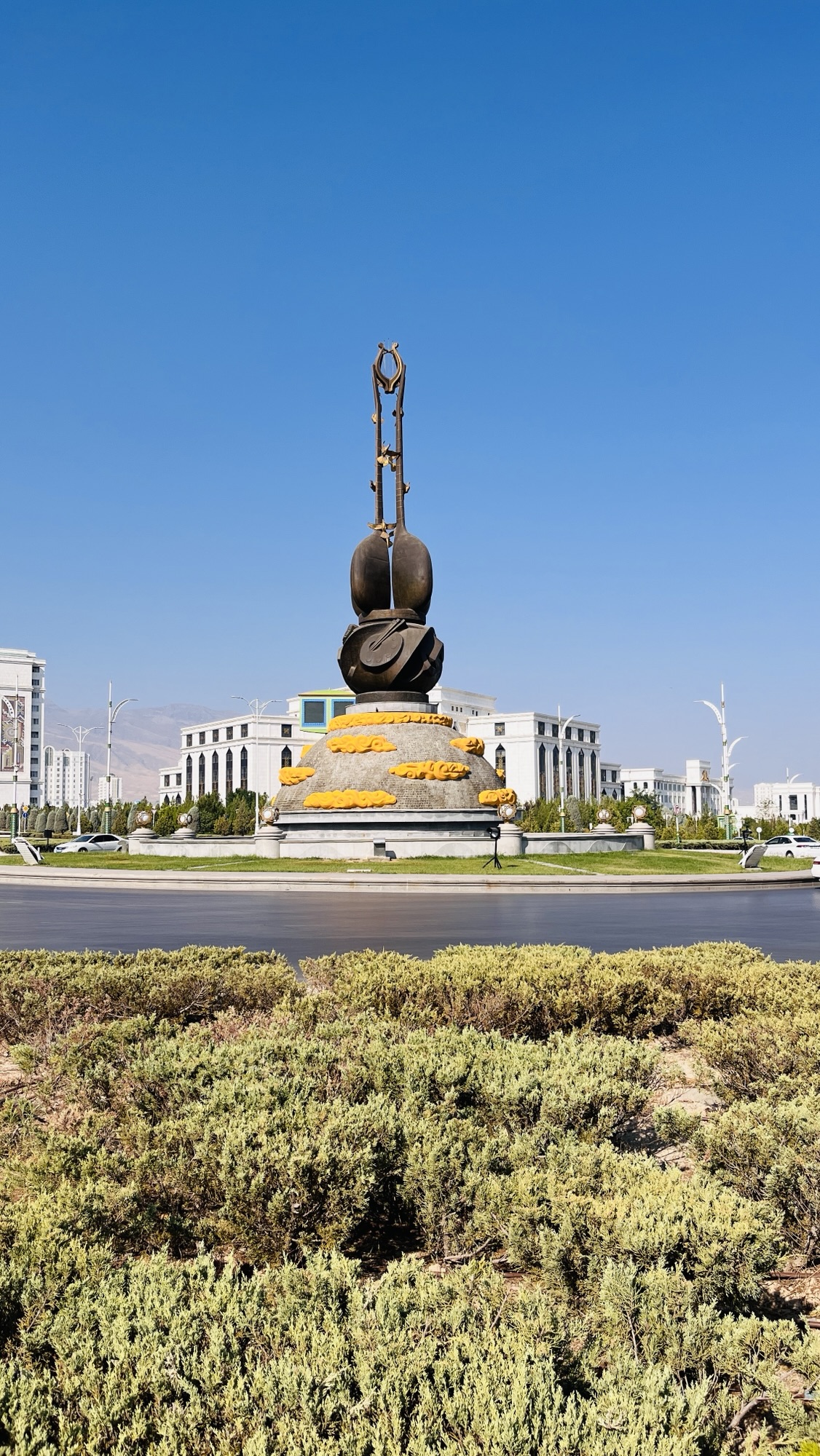
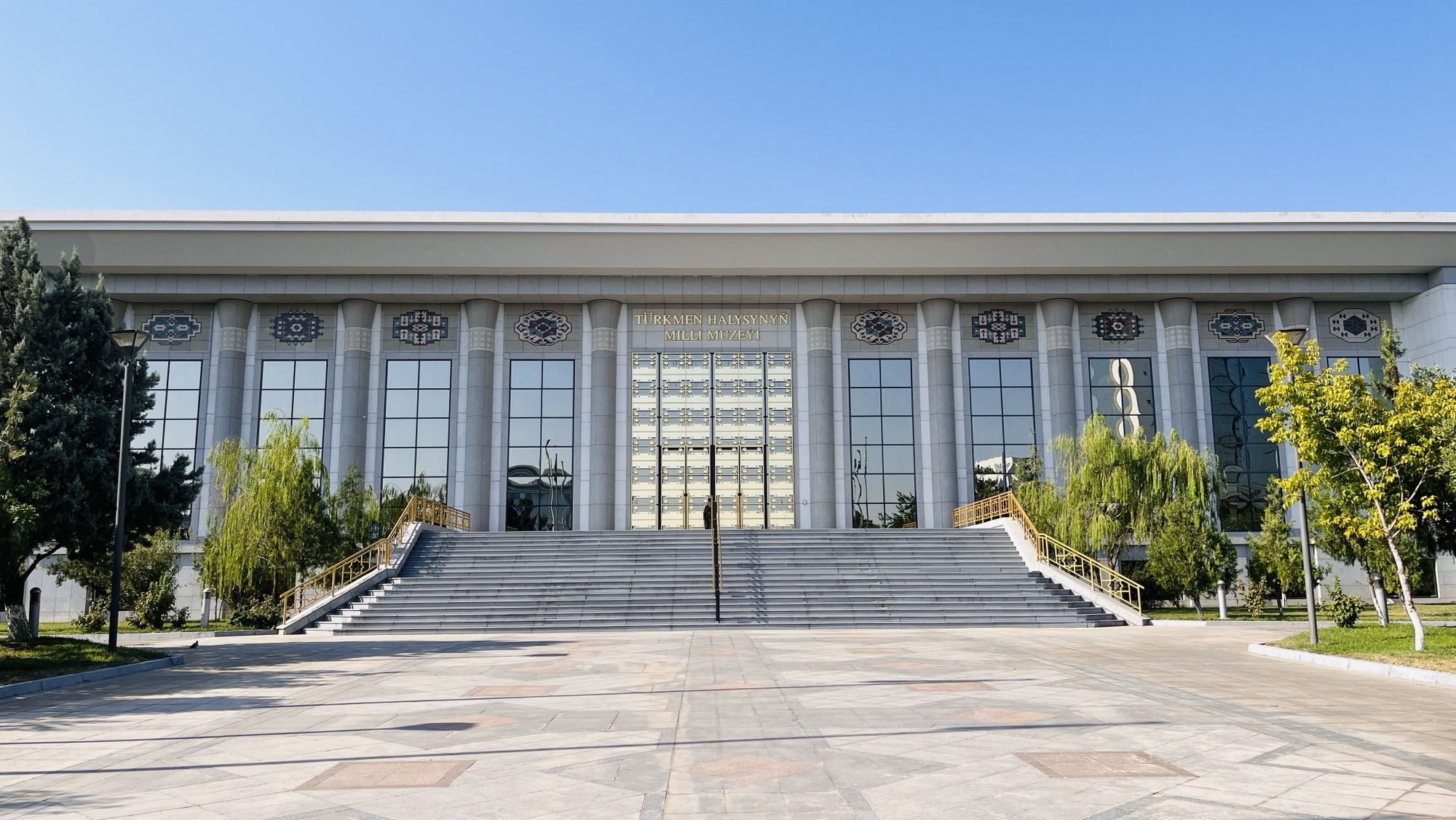
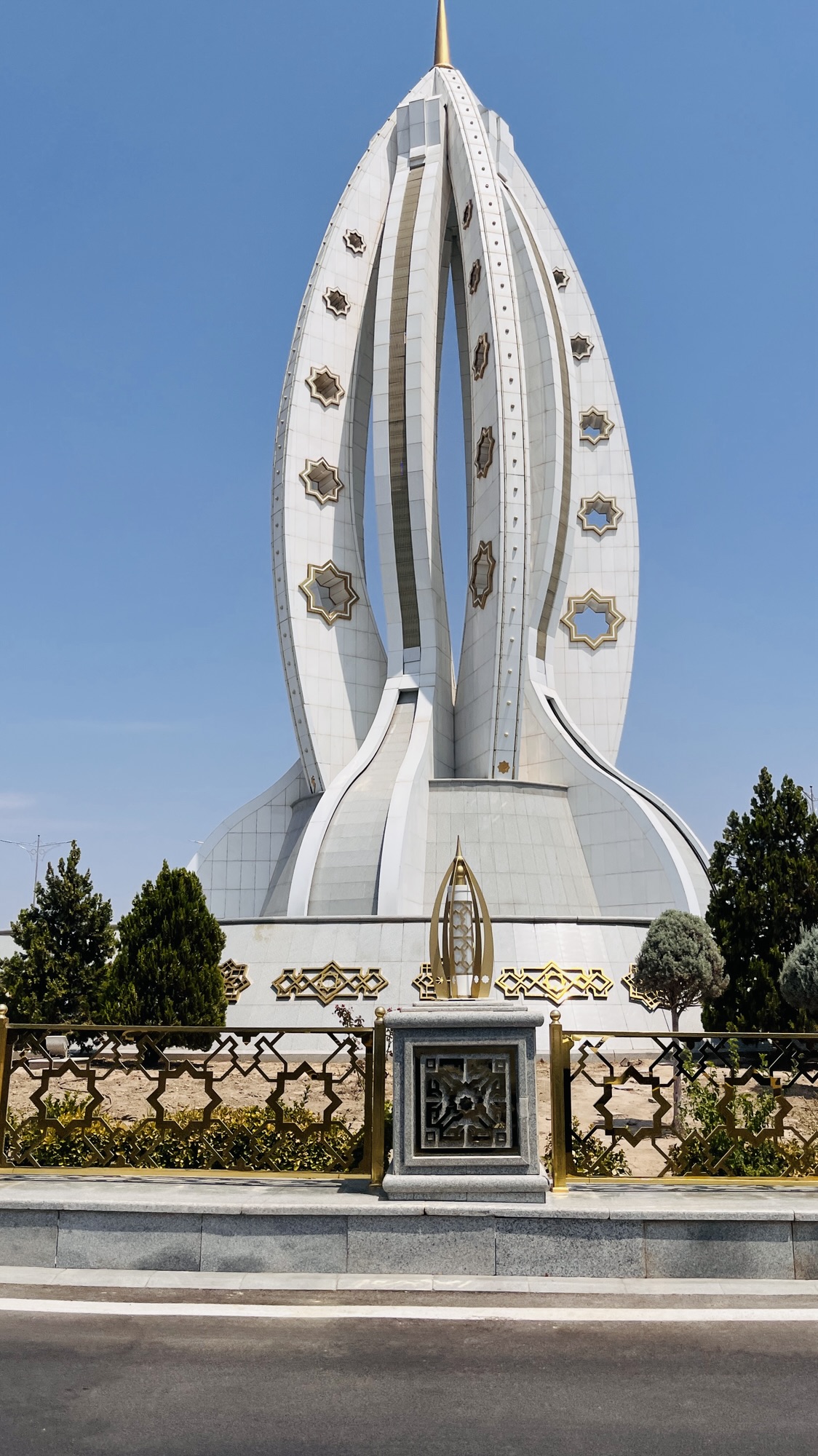
After building the city and showing his countrymen the pathway post independence, the Turkmenbashi now rests in a white mausoleum nearby a near-empty Türkmenbaşy Ruhy Mosque that is adorned with verses from his legendary “book of the soul”, the Ruhnama.
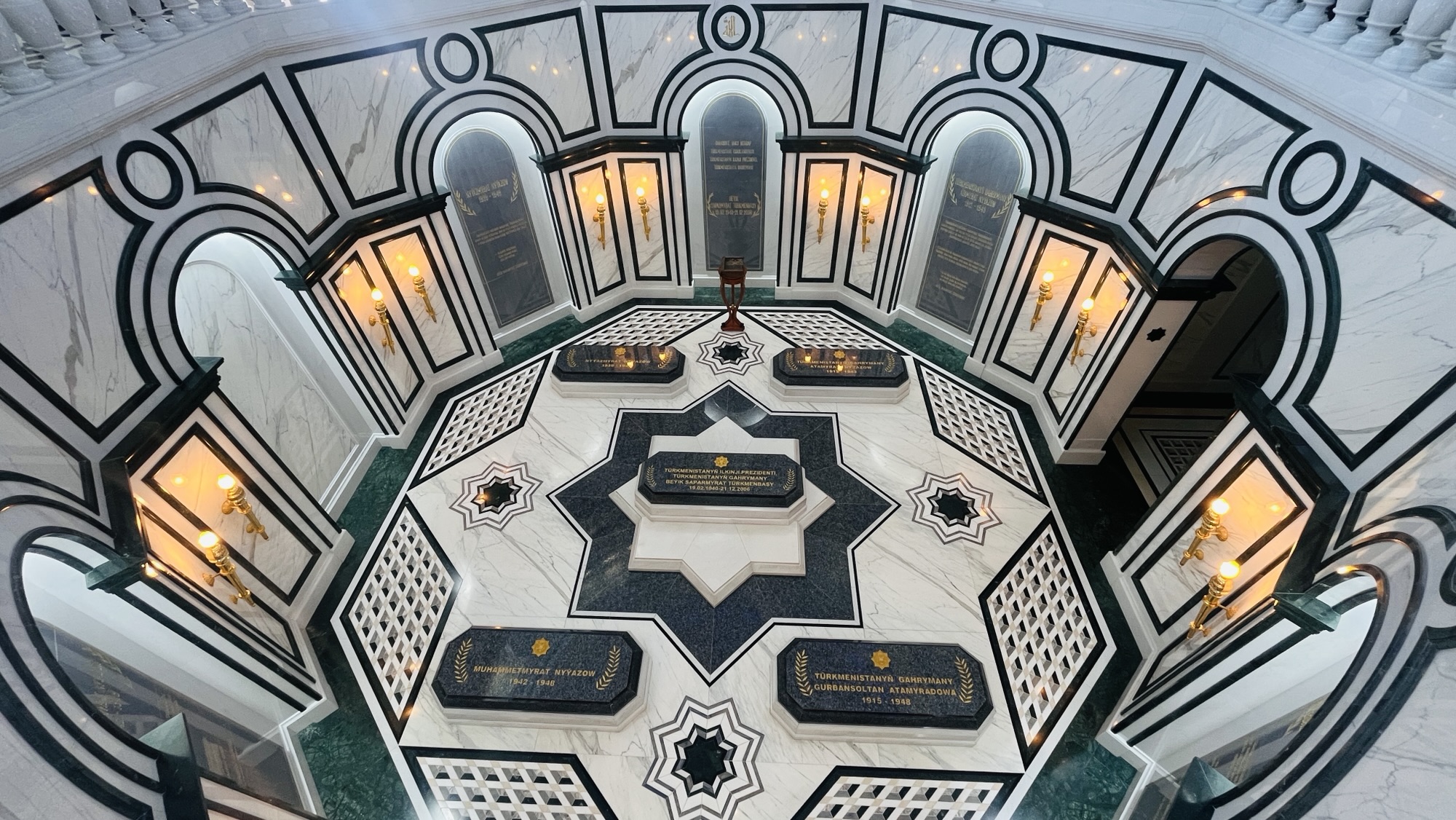
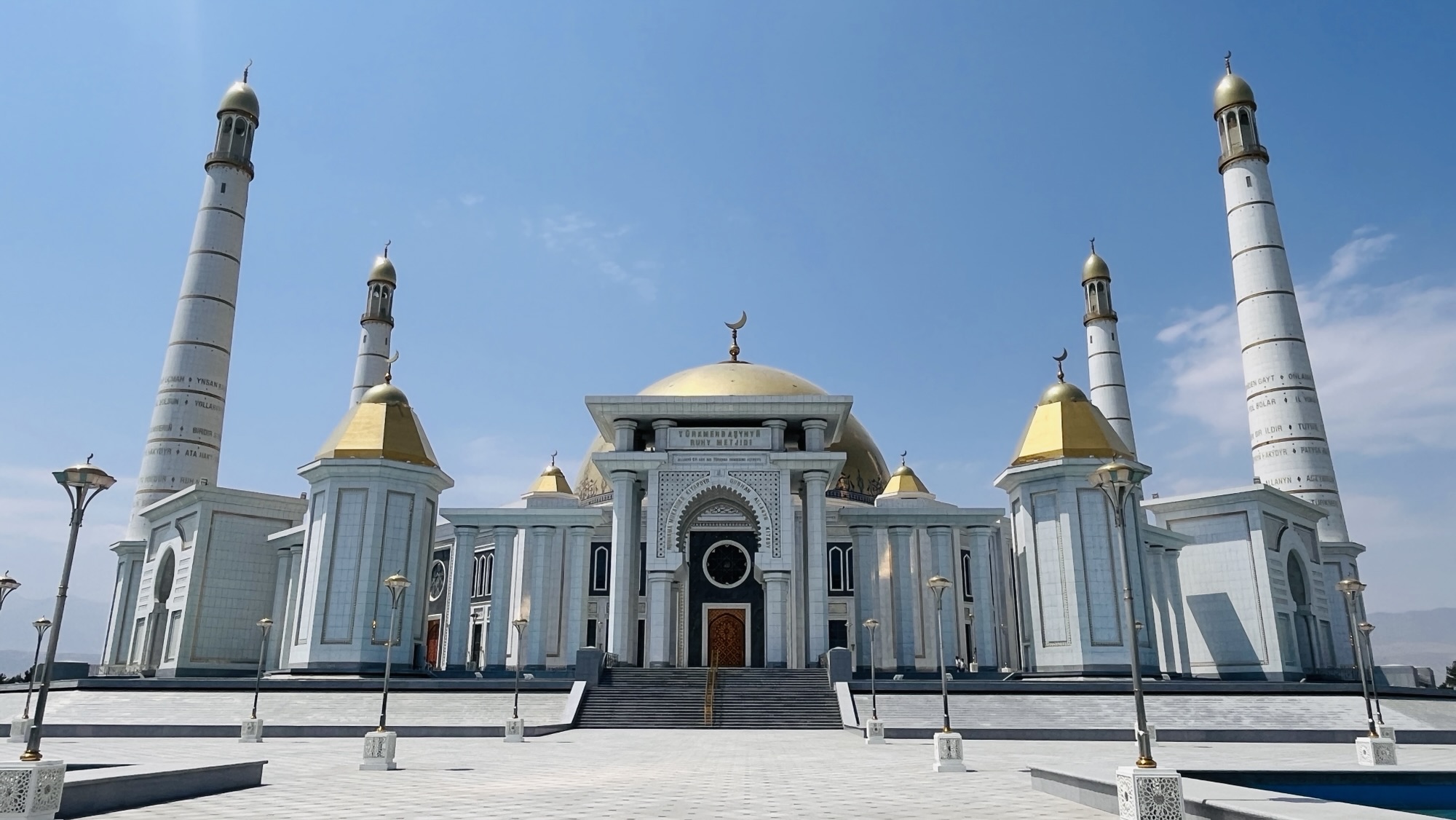
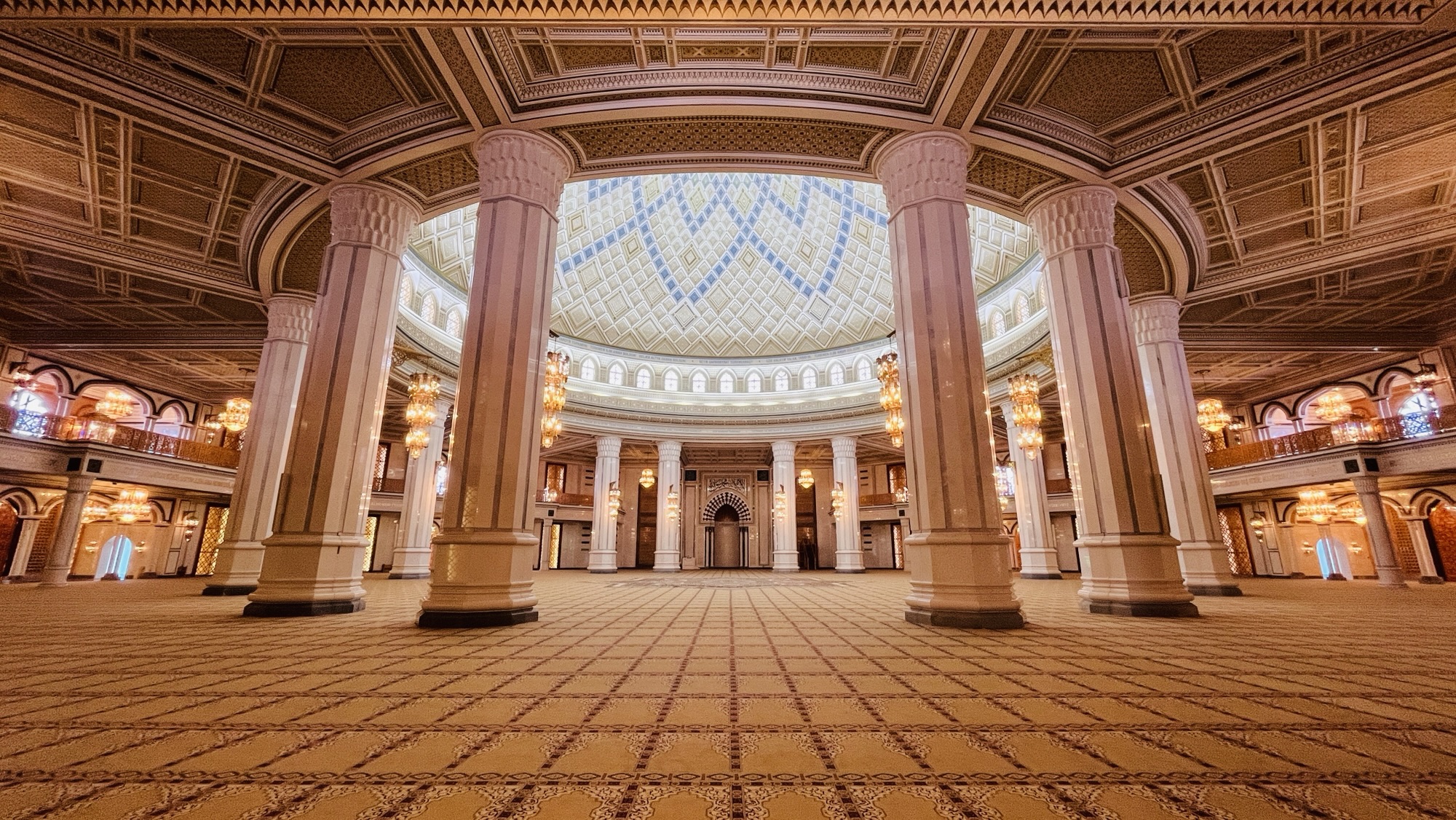
Türkmenbaşy Ruhy Mosque can house 8,000 people, but on the day I visited, it was just me, my guide and the mosque caretaker.
while 90% of Ashgabat’s buildings were destroyed during the earthquake, I did manage to find some relics from the Soviet era in the old part of town. In Lenin Park, Comrade Lenin still stands showing the Bolsheviks the path to the liberation struggle. Nearby is a striking Brutalist mural which no one knew anything about and Pushkin Square named after the eminent poet and social reformist.
Turkmenistan shares a border with Iran, Afghanistan, Kazakhstan and Uzbekistan. with Caspian Sea to the west. It erected a monument to Neutrality demonstrating its friendliness to its neighbours and peaceful coexistence.
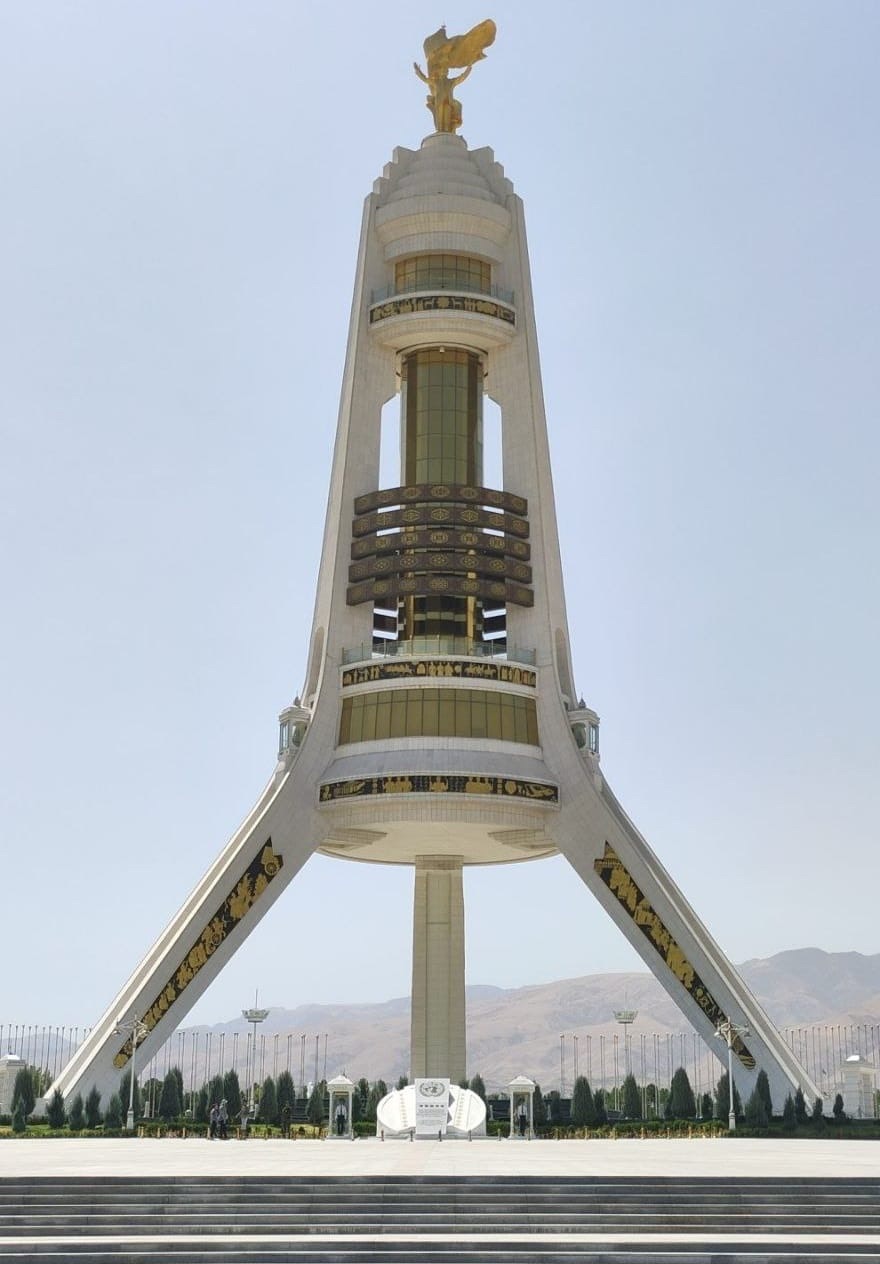
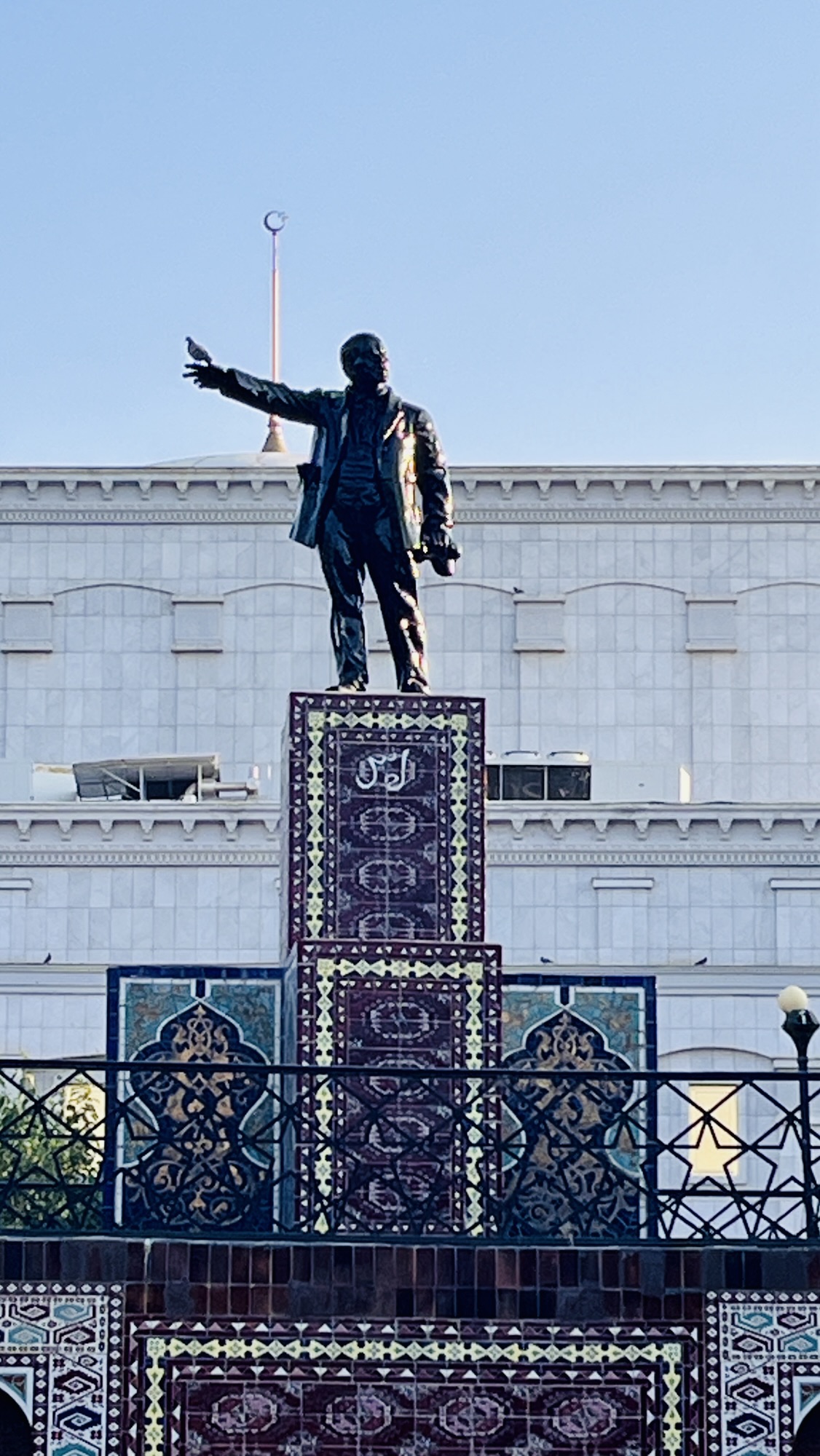
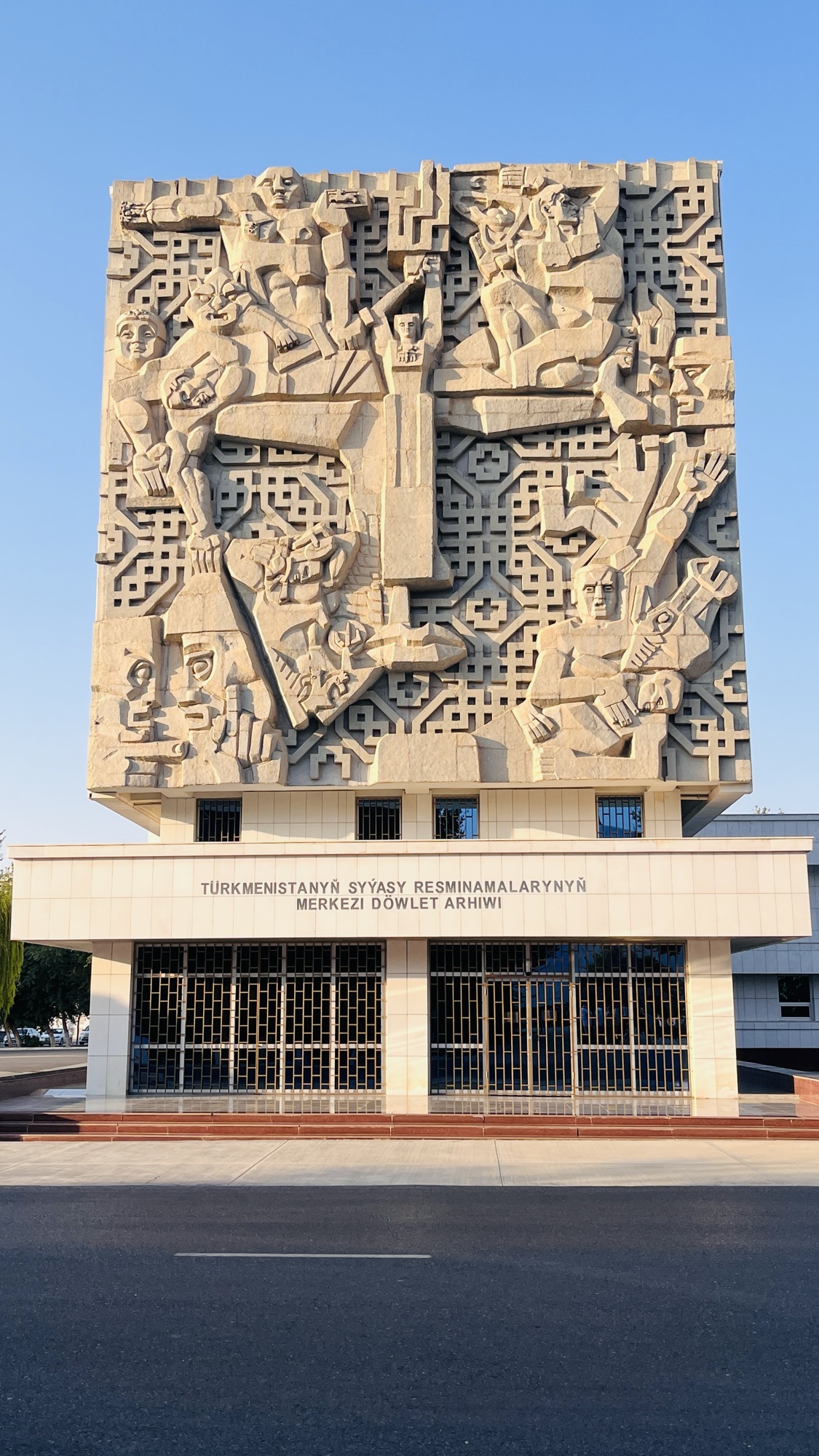

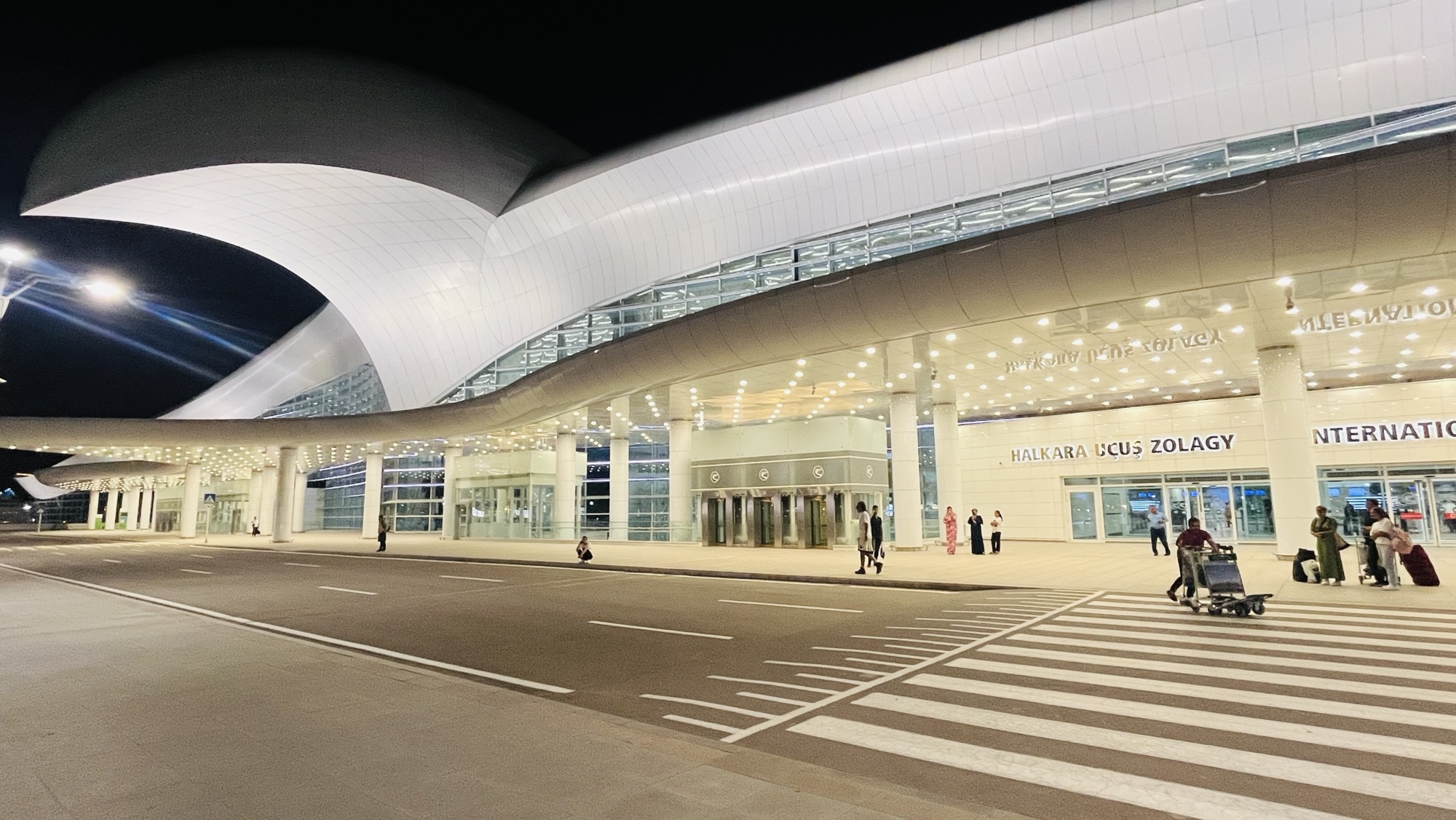
Sooner or later, Alice must wake up and leave this dreamscape. If it isn’t a magic carpet, it’s that white falcon that will fly you away to your reality.
The dream is short-lived but makes you believe in a wonderland.
Helloooooo! For some strange reason I don’t get notified about your new posts!! And I’ve been so busy but today is my first day off in a while I am sitting online and I just thought about you and came to your page and I see you have been posting! argh! Firstly, happy CNY!!! Hope its a great year for you and your loved ones!
Really enjoyed this write up about a place which I would like to get to the next time I am Stanning! Crazy unique place for sure! I will try and get to any other posts I have missed now!
I have been slow myself, Anna. I went to Kyrgyzstan, Turkmenistan and London (yah the last destination was the odd man out but was for my son to see before we made a permanent relocation to NZ). So, I am in your neighbourhood and Asia and Europe will be long way off. I can sympathise how travels from the antipodes is so, so far. Thank you for thinking of me. I have been slow putting up posts myself. Thank you always to reading. TikTok is where all the other younger ‘uns are and I can’t for the life of me do a selfie or a video or a video with me in it. This is my refuge and I am so glad I have you as my companion here. Kia Ora from NZ 👋