Nature has been bountiful to Kyrgyzstan. It hasn’t just endowed 94% of its country with mountains, streams, waterfalls, flora and fauna, but filled up these mountains with glacial lakes. Many of these lakes stretch for more than 60 km and appear almost like a sea, accompanying you alongside roads, beckoning you to its tranquil blue waters. Whether a trek, or a drive, or just a walk up to the beach, a dip in the lakes is so uniquely Kyrgyz which you won’t find in any of the other 4 Stans.
Ala Kul lake

Ala Kul lake is the most trekked by visitors to Kyrgyzstan. Located at 3,532 metres above sea level, it is one of hardest treks you can do in your lifetime. One of the trekkers I met on the trail, Jane, said, it was harder than even the Everest Base Camp. For me, both the ascent and the descent were difficult.
But it is every bit worth it.
Ala Kul lake is like a turquoise blue jewel nestled in the midst of 13.000 ft peaks, stretching 2.8 km. All treks start from the nearby town of Karakol which has many hotels – I recommend Hotel Green Yard for its sumptuous spread of breakfasts which deserves a blog in its own right.
From Karakol, the first halt is at Sirata Camp where we stopped for lunch before ascending the steep mountain top. Many halt at Sirata Camp for the night before attempting the climb to the glacial lake the next day. We camped overnight at the lake instead and ascended to Altyn Arashan peak which is at 3,000 metres the next day before descending into Altyn Arashan valley. There are yurt camps in the valley where we rested for the night, before returning to Karakol.
A full blog about Ala Kul trek can be found here.
Issyk Kul
My most favourite lake in Kyrgyzstan is the Issyk Kul Lake which stretches more than 60 km. This is a summer getaway lake that attracts locals from across Kyrgyzstan who come during summer to splash around with their families.
The lake has 11% salinity and although it is a glacial lake, it is not 100% a fresh water lake. In the middle of July, the water becomes warm and perfect for a dip. The lake can be accessed from various places. I accessed it from Bokonbayvo town where I stayed in a family guesthouse.
This is the fun lake which welcomes all ages. Beach umbrellas can be rented out for as low as 400 Som (US$5) for 6 hours. There are corn on the cob sellers, melon vendors, fish mongers, water and other beverage carts as well as changing facilities. I stayed for the whole afternoon and soaked up all the sun at this relaxing lake. It is also the reason I have no photos and had to use the tour agency’s video.
Song Kul
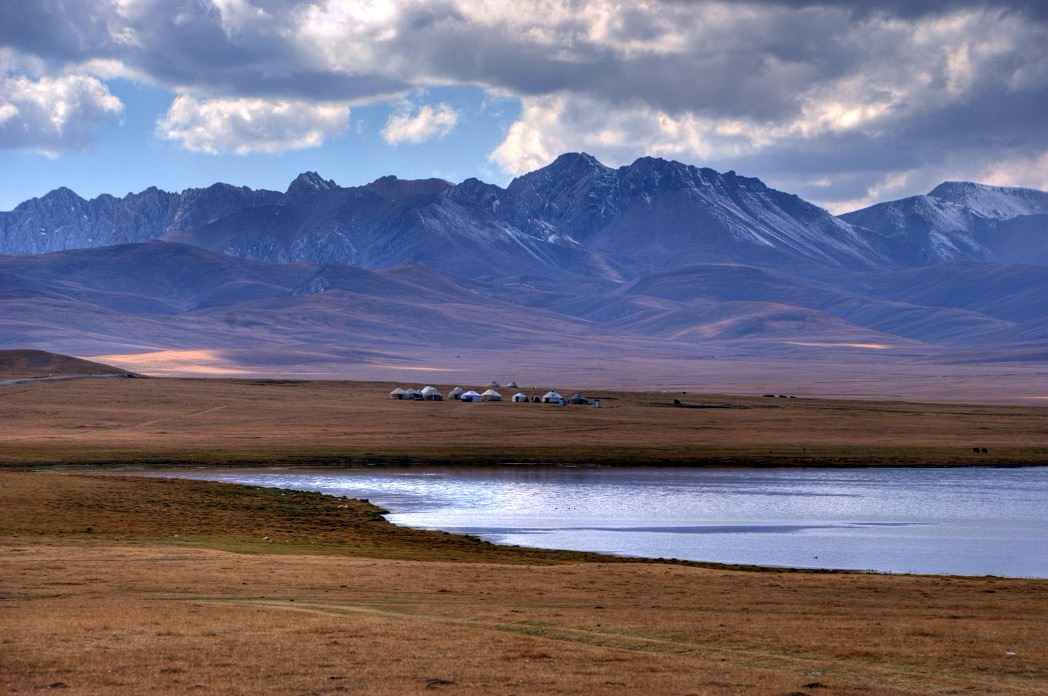
You can only drive to this lake; you can’t trek here, which is a welcome change to the hikes that you must endure to be close to heaven. But once you are at Song Kul, it feels like you are at ground level. There is only flat land around the lake and the mountains are in the distance. It is surrounded by wide open grasslands and many nomads bring their horses, sheep, yaks and cows for grazing.
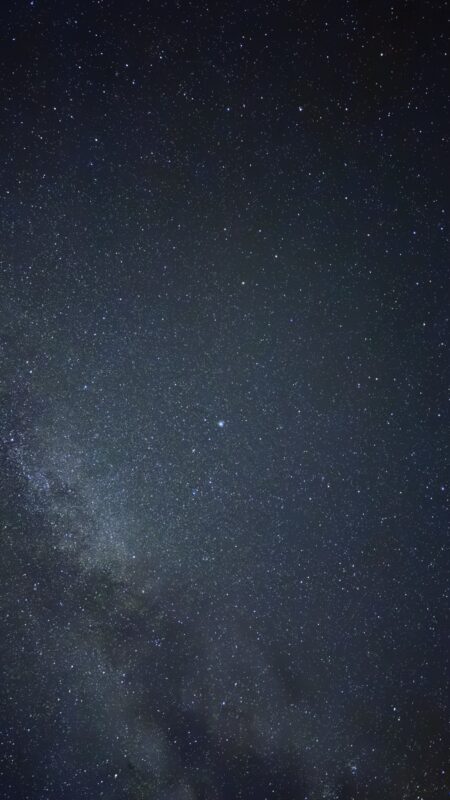
Song Kul has many activities you can do aside from swimming in the lake, like horse riding, learning how to cook Boorsok (fried bread that is a local delicacy), building a yurt with the locals, walking up to one of the hills to picnic at the peak, sitting by the bonfire in the chilly night (even in summers, temperatures fall to about 8 degrees in the night) and my most favourite – star gazing. With no light pollution, Song Kul is the place to see the stars, even shooting stars, moving satellites, planets and constellations and the Milky Way.
Kel Suu lake
Kel Suu Lake is only about 20 kms from China border and requires a permit to climb. Not as widely trekked as Ala Kul but just as pristine, this was originally a part of my plan but which I ditched after a gruelling Ala Kul trek and choosing the Issyk Kul Lake instead.
Chatyr-Kul Lake
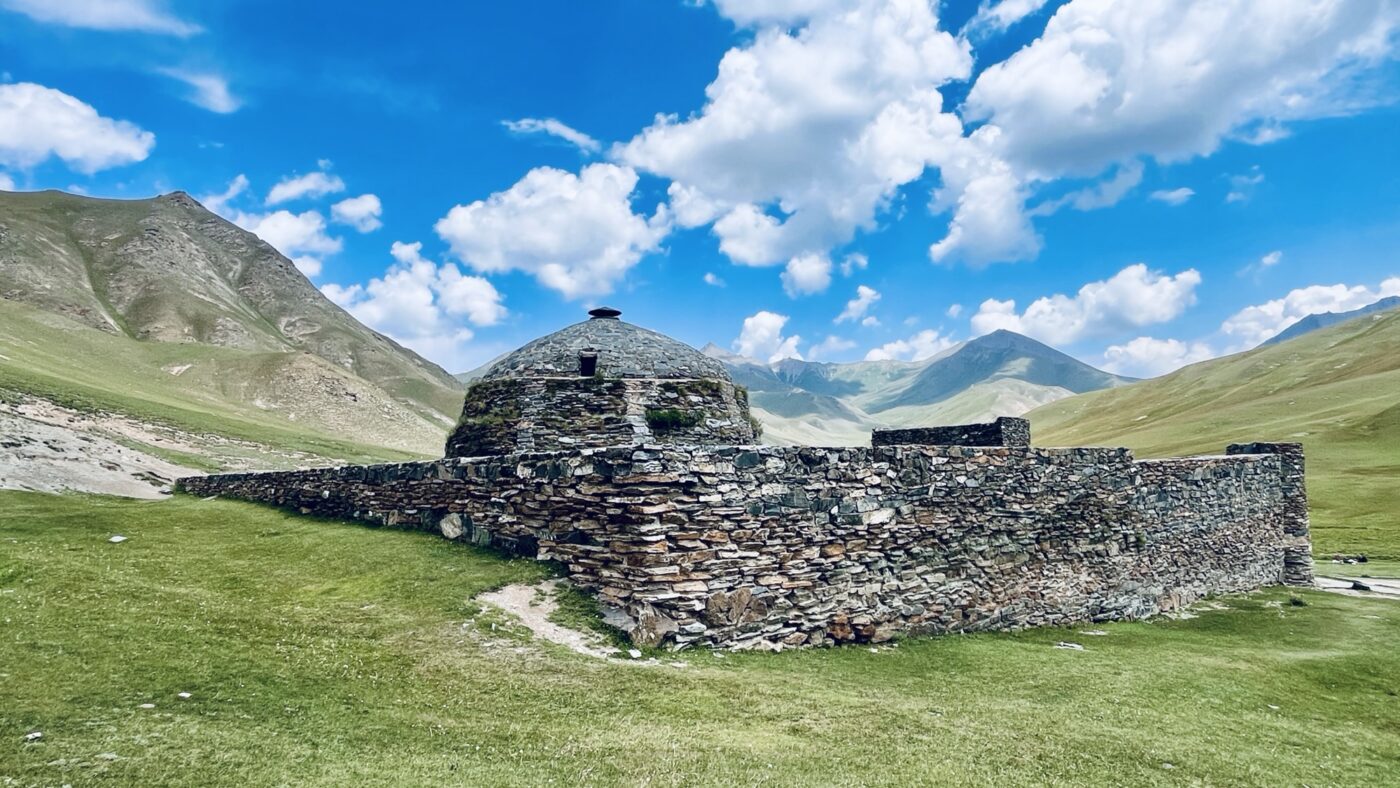
Another lake very close to China border, is the Chatyr-Kul; this too requires prior consent to climb the mountain. Spread across 160 sq km, this lake is very close to Tash Rabat, a caravan serai about 50 km from China border. Chatyr-Kul literally means “celestial lake”.
Other lakes
There are several other lakes in Kyrgyzstan and it will take you many months to cover them all. It does take a lot of willpower to climb these lakes but once at the top, there is nothing that can come between you and nature. The lake changes itself as per climate, temperature, cloud cover, wind, rain and sunshine just like our moods. You see a reflection of yourself in the lake and return a more fulfilled person.

These lakes are so beautiful, and the chance to hike to some must be impressive. These posts are really appealing to me… ideas forming! Lol
Only you can appreciate the Stans, Anna, having visited one yourself. It’s a magical region and Kyrgyzstan is unique in its own right. The mountains are definitely alpine jewels. May these ideas be fulfilled.
🗻🧗♂️🤘
Pingback: Ala-Kul Lake – World Without Compass
Pingback: Kyrgyzstan – where Lenin and Manas live together – World Without Compass
Pingback: Turkmenistan – peeking through the crack – World Without Compass