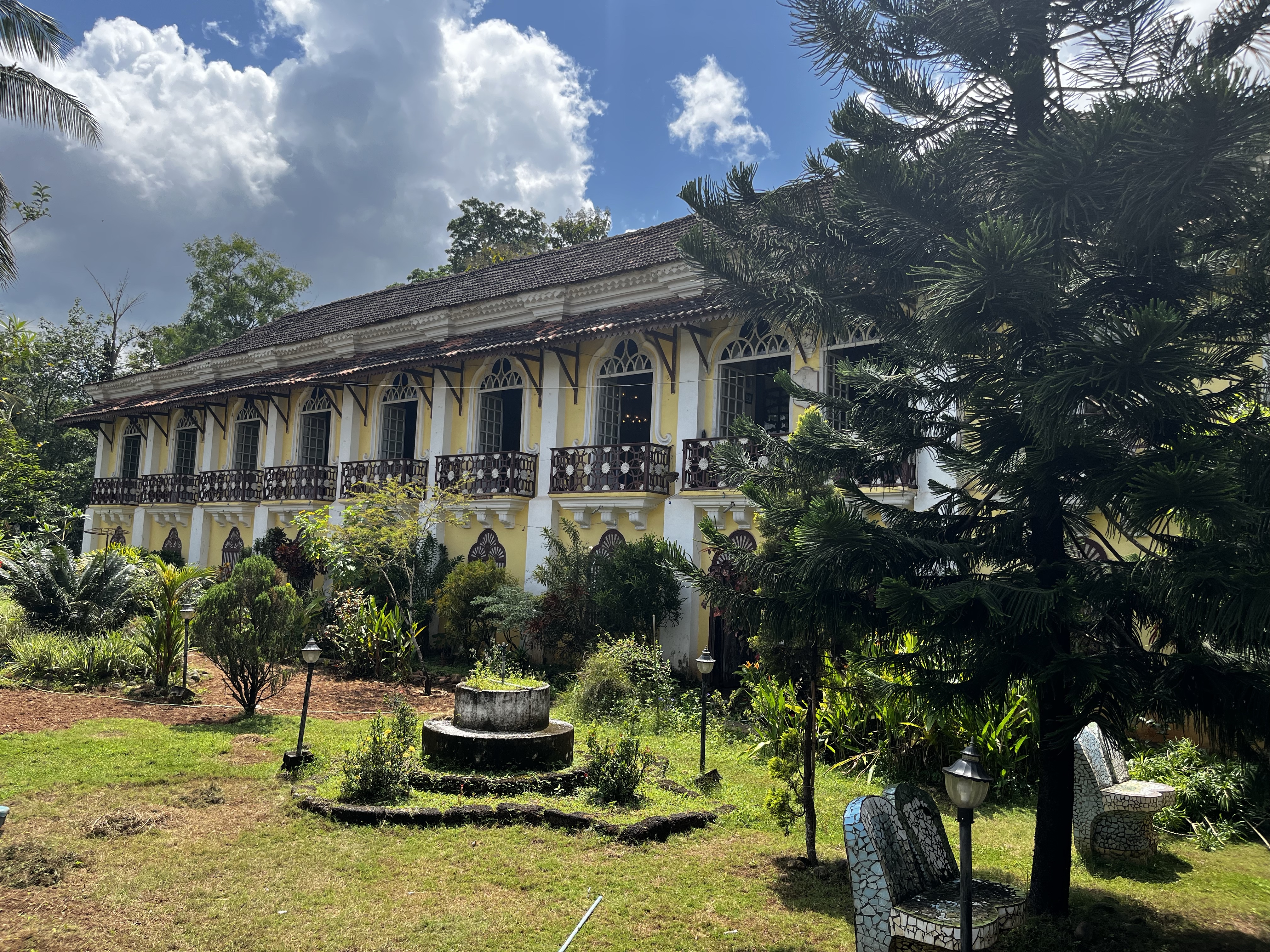
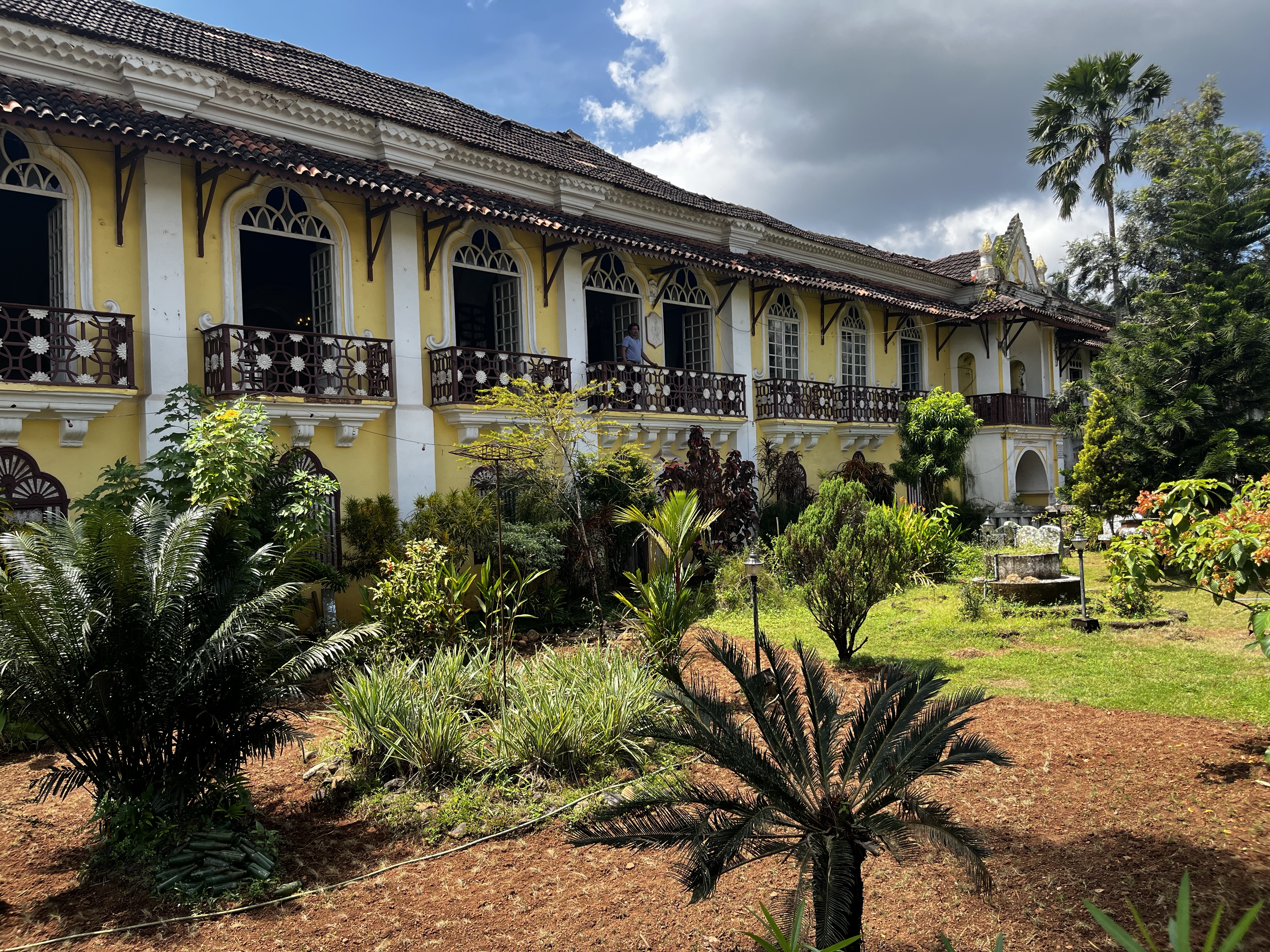
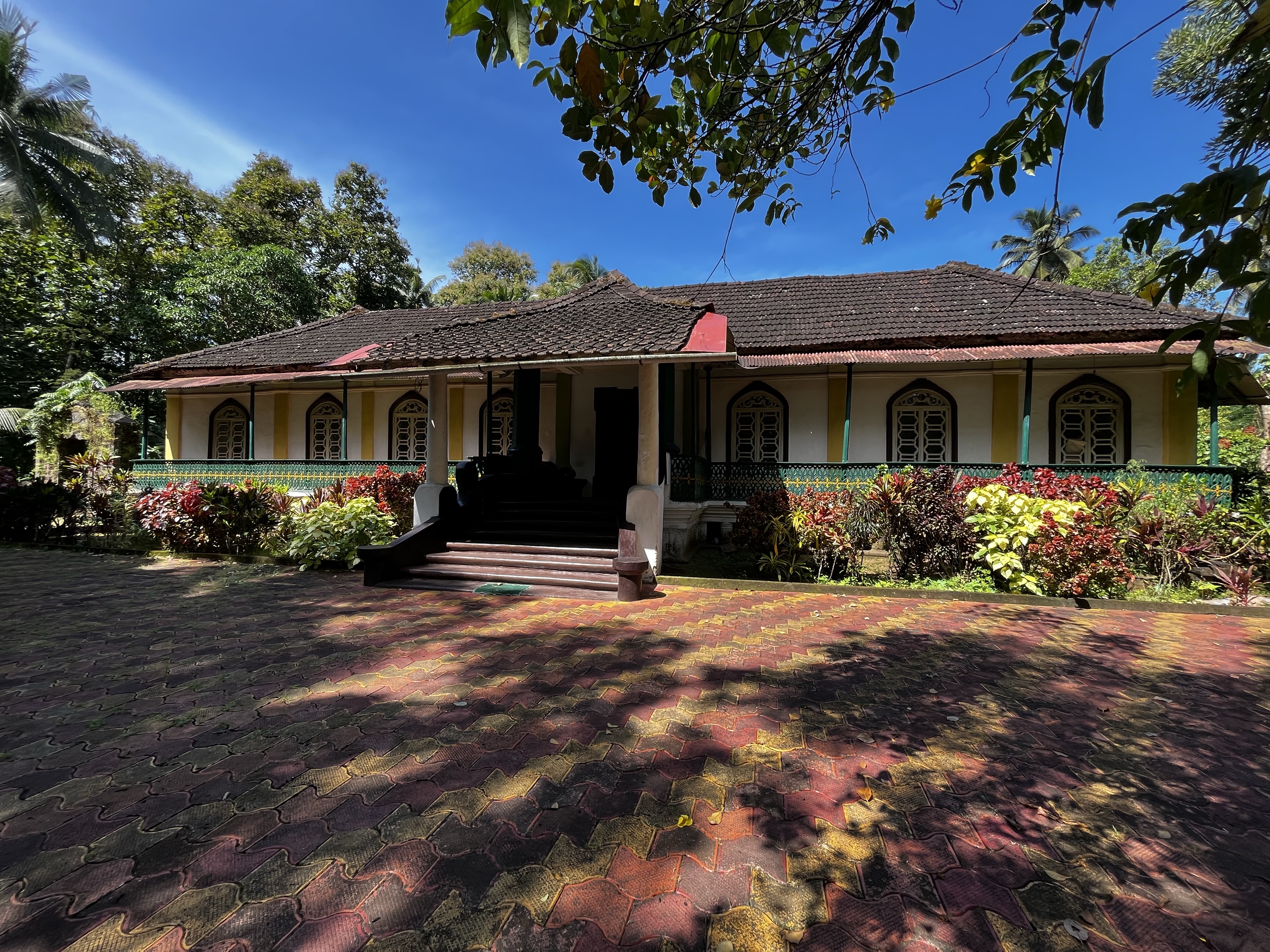
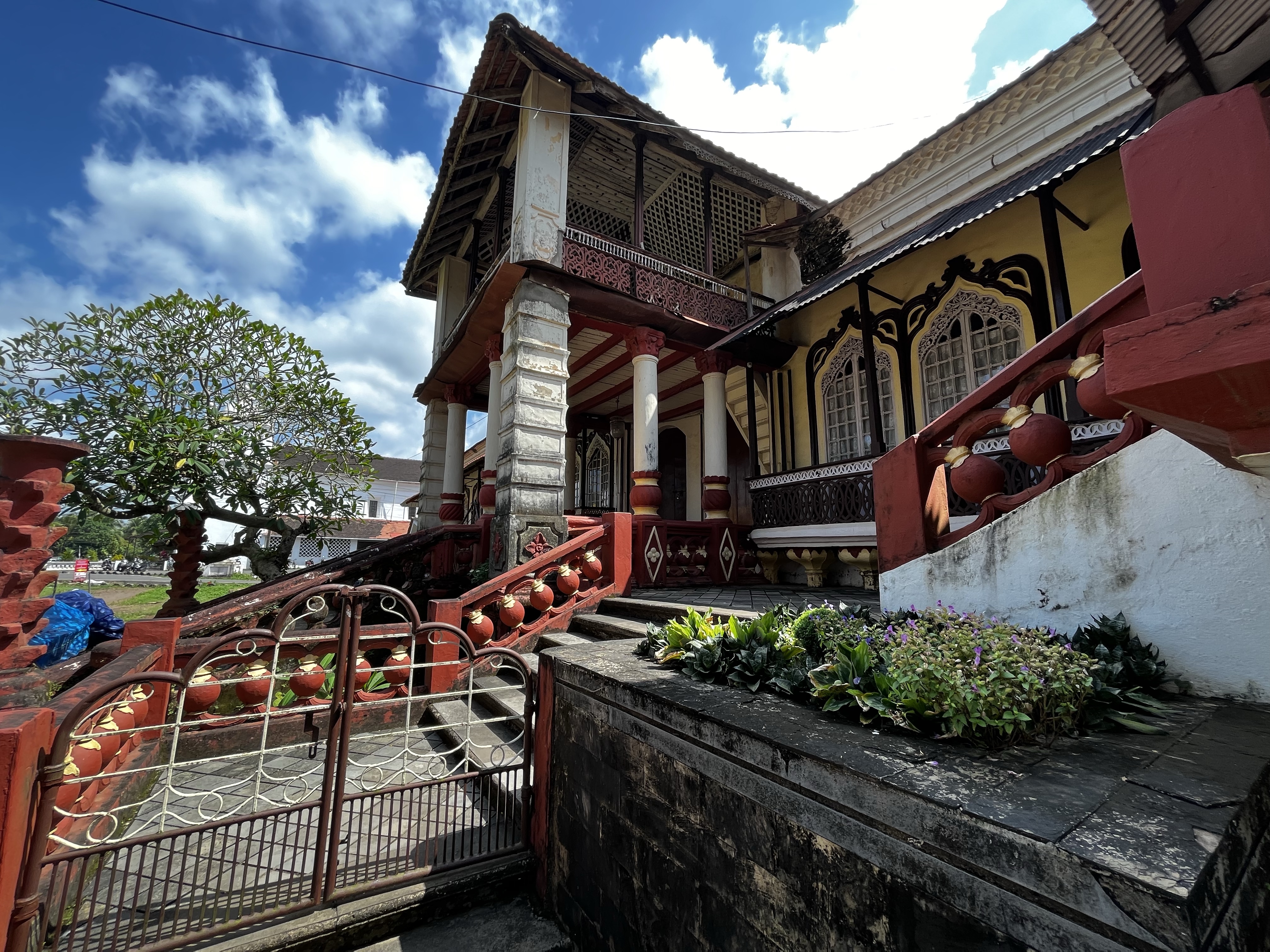
Braganza House in Chandor, Goa, is a Portuguese heritage home that is still inhabited by the 14th generation of Braganza family. Approximately 500 years old, the fortunes in this mansion are all relics of the past.
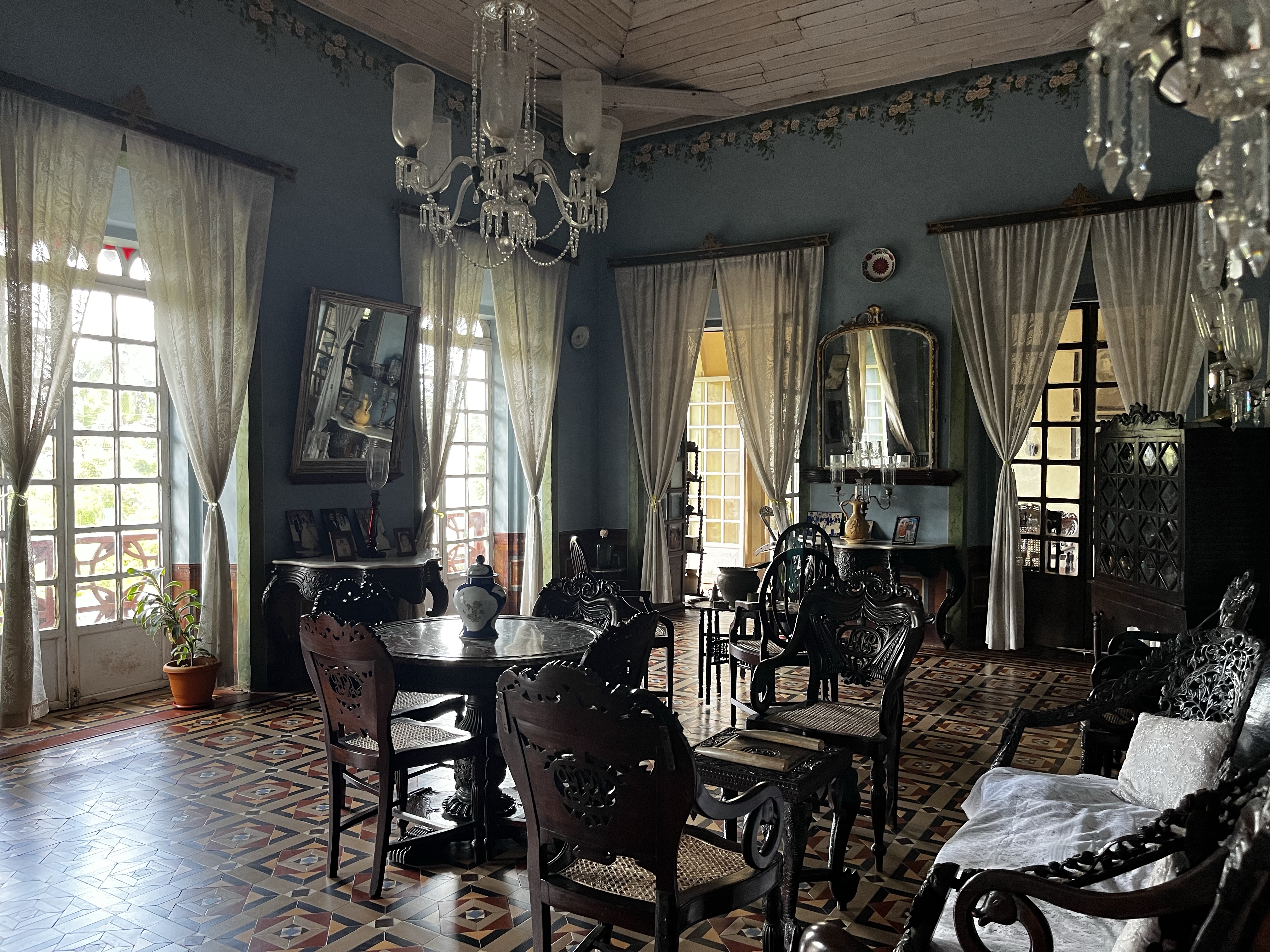
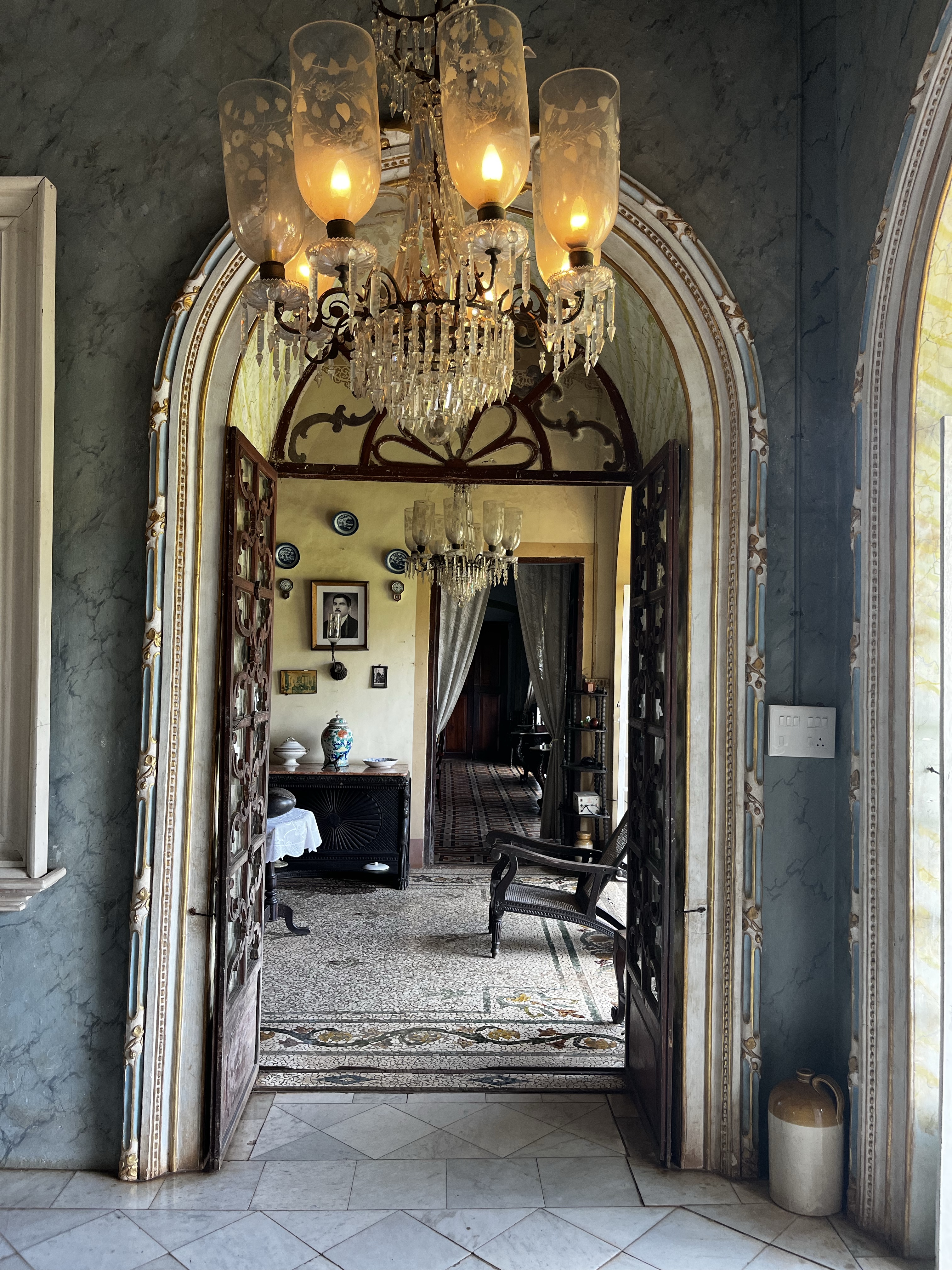
For just Rs 200 (US$ 2.50), Claudio, the resident of this house, takes you around the home and acquaints you with his inheritances, like the now-defunct kerosene fridge, pottery from Macau, Italian mosaic flooring, love seat and an old fashioned easy chair, palanquins, rosewood furniture, writing desk with sunburst design reminiscent of Art Nouveau patterns, silverware from Britain, a Wedgwood dining set and an old piano with ebony and ivory keys.
The opulence of the house is awe-inspiring and gives you a glimpse into the elite European lifestyle the Braganza family could afford once. With much of the house now in derelict state, you are left to wonder if all the inheritances and the house itself – are they still assets or a liability?
Goa was returned to India in 1961 after 450 years of Portuguese rule. Many Goan families like the Braganzas have only their possessions to remind of their glory days.
The Portuguese came to India in search of spices and partake in the wealth generated by its trade routes. Vasco da Gama set foot on the shores of Cochin in southern India in 1498 and started what will be known as the Portuguese Empire that stretched all the way to Japan in its heydays.
By the late 15th century, most of Western India was under Portuguese rule. Goa and Bombay were the jewels in the Portuguese crown. Bombay (now Mumbai), comes from Portuguese word: Bom Bahai meaning “Good Port” and was ceded to the British as a part of Catherine of Braganza’s dowry when she married King Charles II in 1662. Goa remained under Portuguese control until its independence in 1961.
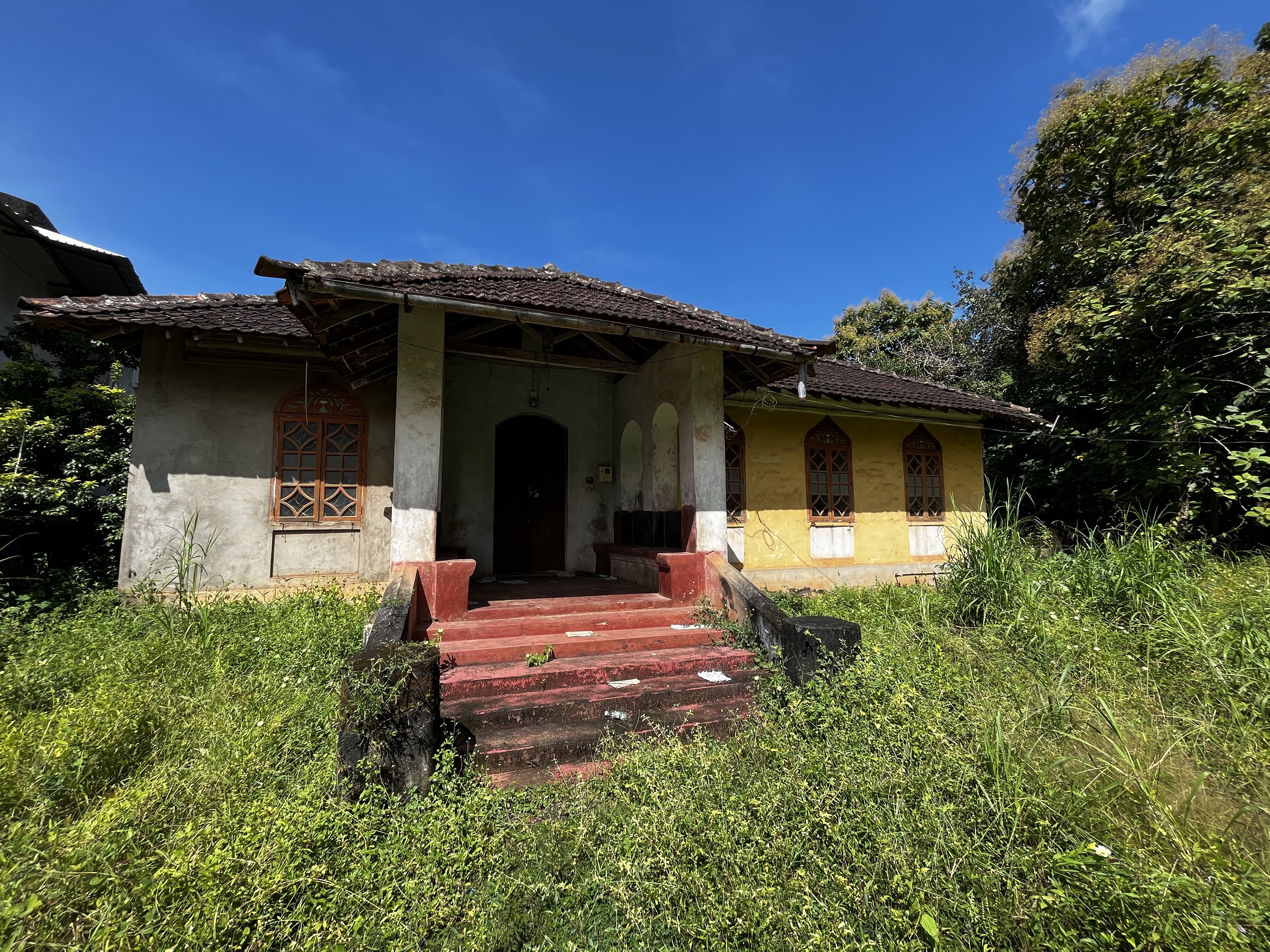
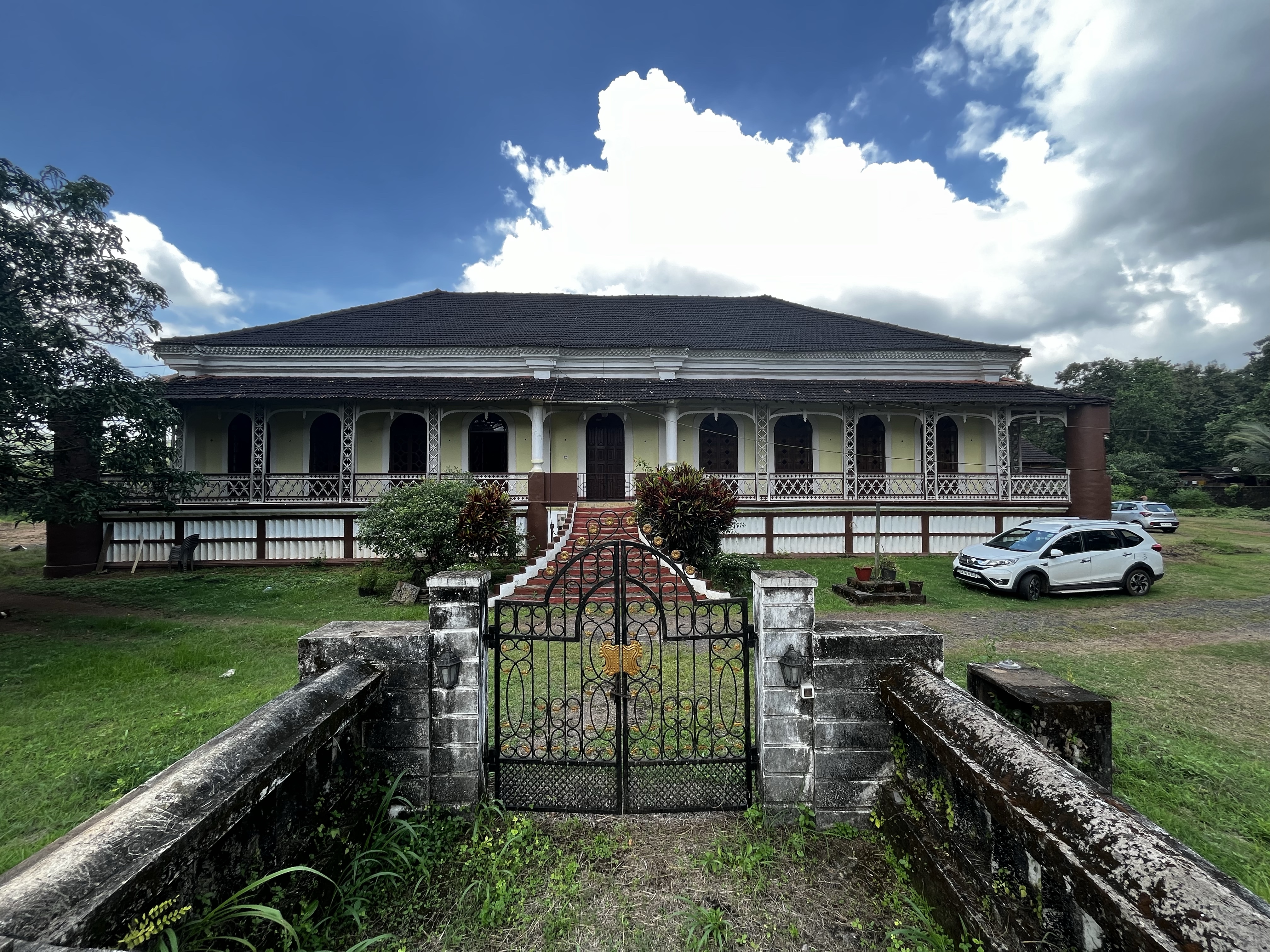
Given the recency of Goa’s independence, there are many heritage homes in various stages of disrepair. The Braganza House is among the better kept residences which reminds you of the European grandeur.
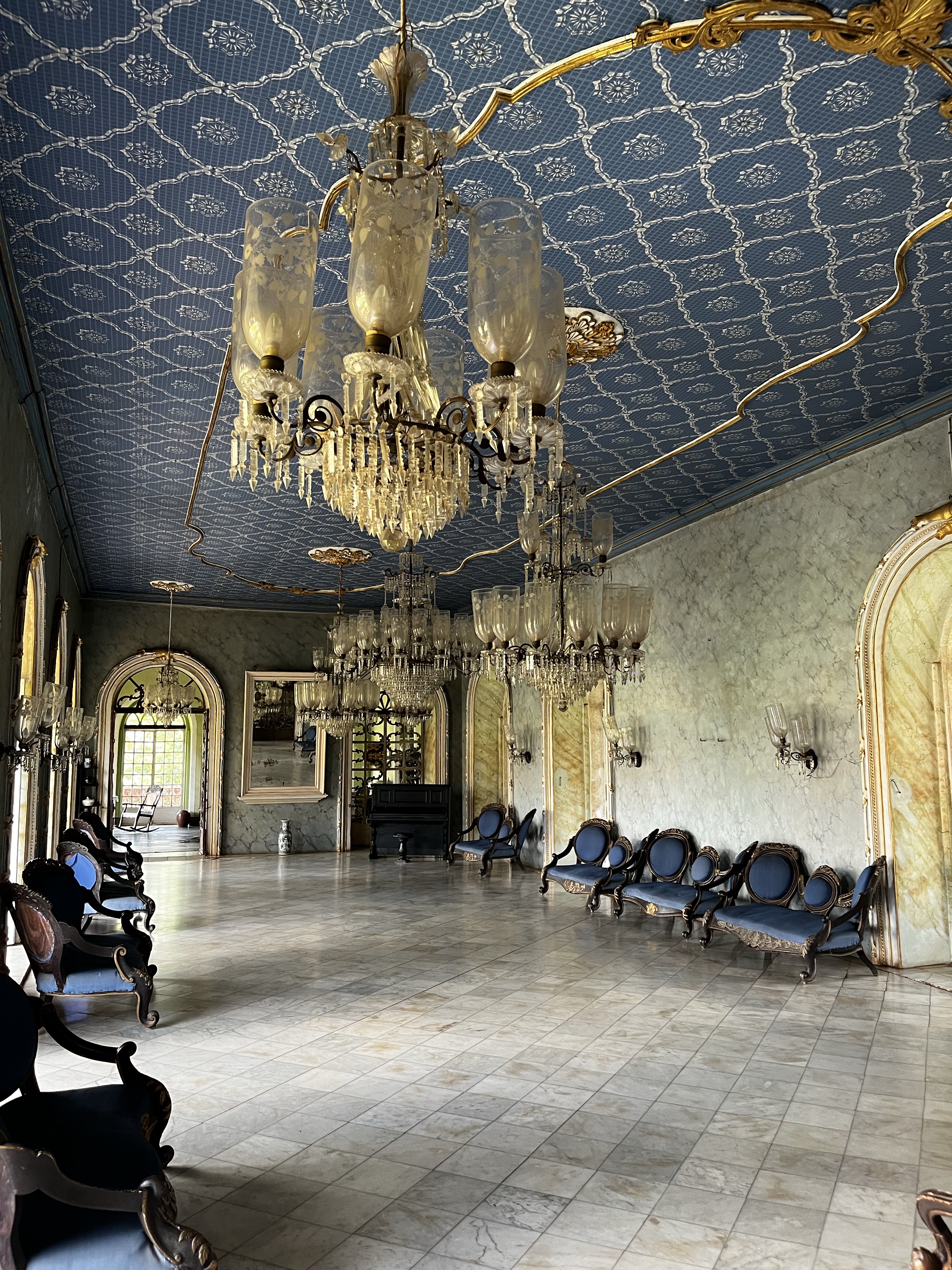
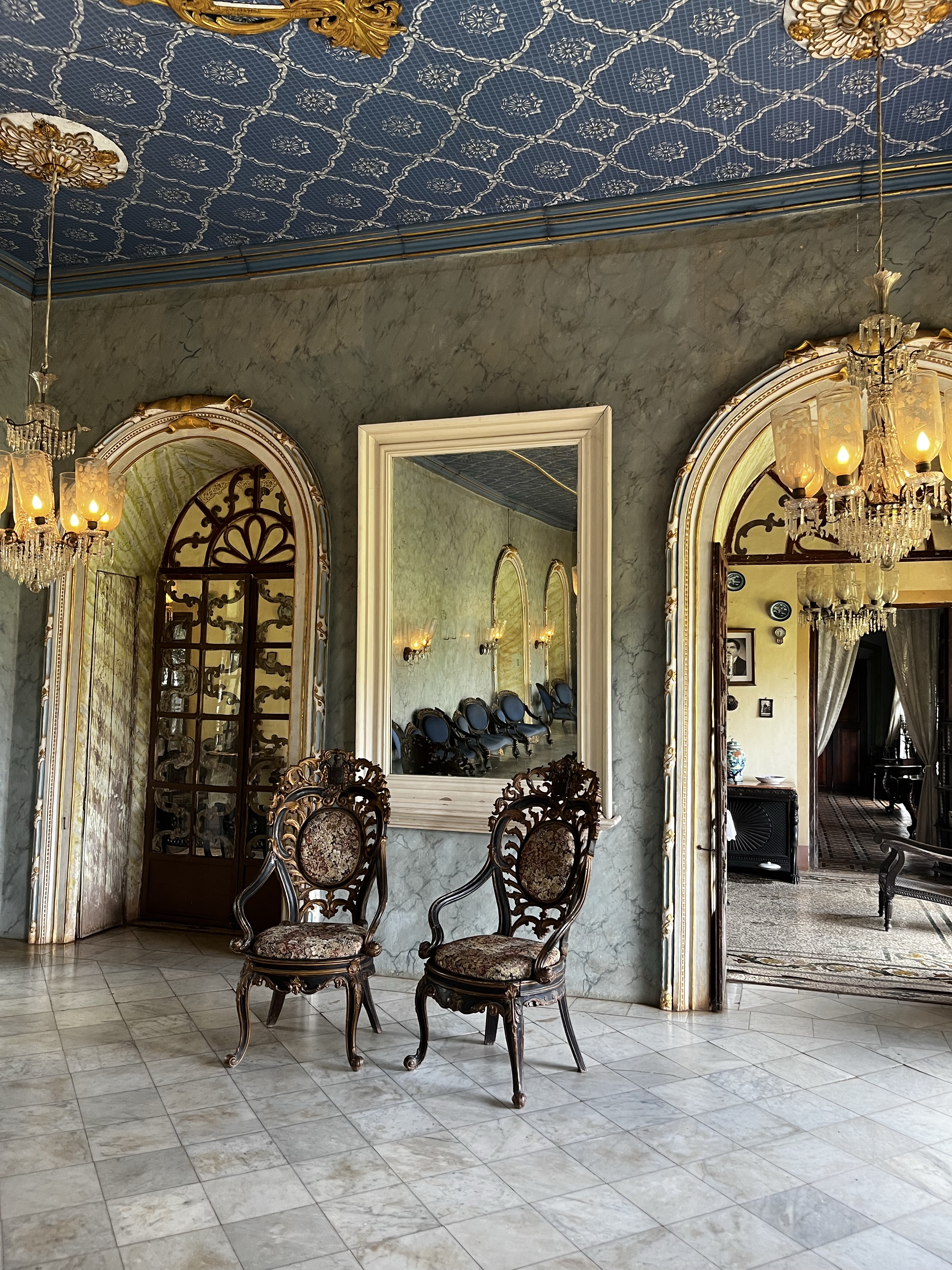
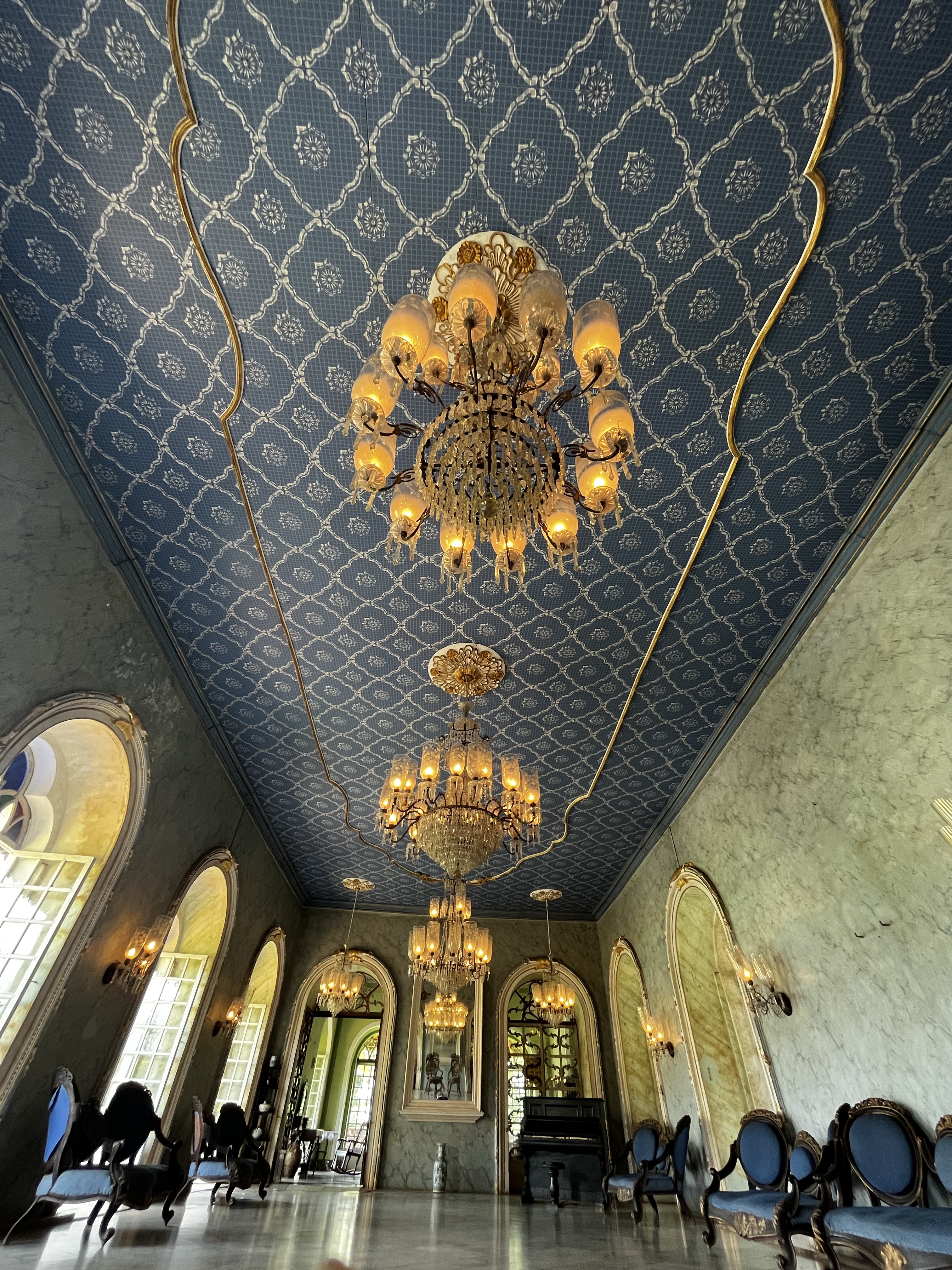
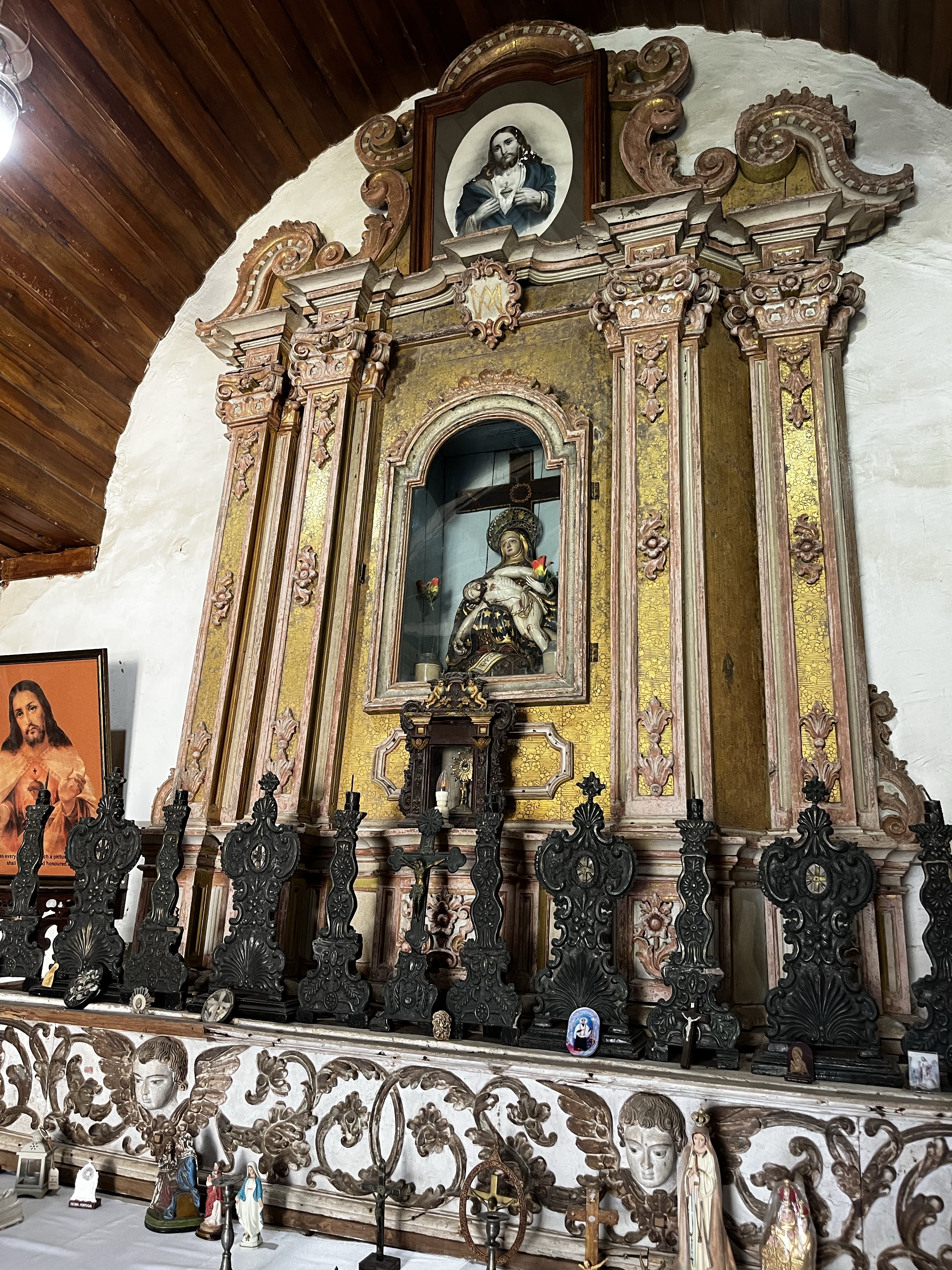
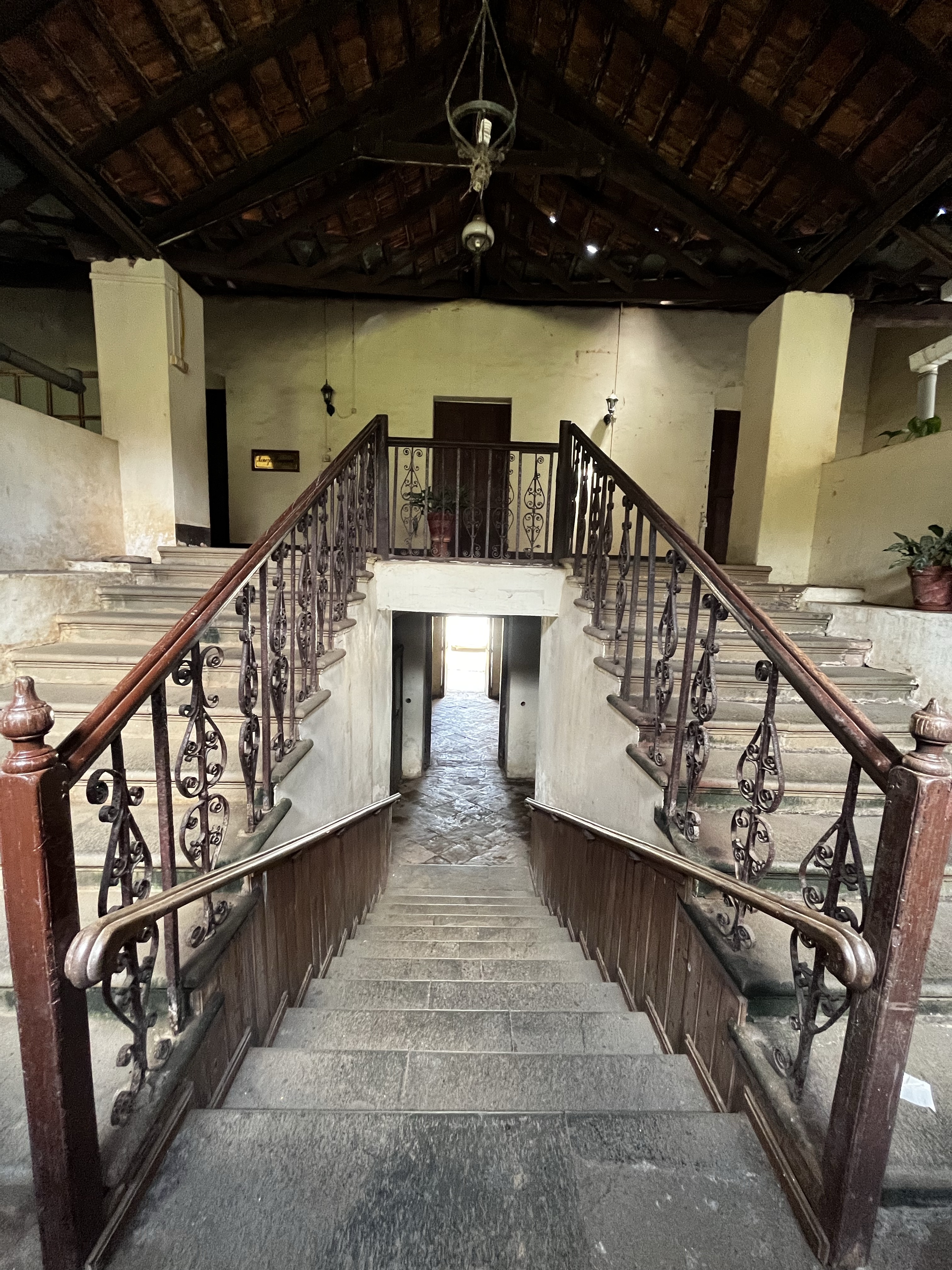
The living room has chandeliers from Belgium and rosewood furnitureThe writing desk with sunburst pattern is on the far end of the living room and the green kerosene fuelled fridge beyond Old French windows with stained glass from VeniceOriginal marble flooring in the ballroom that was fashioned after Louis XIV’s Hall of Mirrors at the Palace of VersaillesThe man and the lady of the house sat on the chairs to witness the ballPerforated zinc ceiling for better acousticsThe chandeliers were once lit by candles before electricity was introduced Private chapel in the Braganza House The altar has a relic from Saint Frances XavierThe left wing of the house is the only one available for viewing The right wing is inaccessibleThe entrance to the grand house Looking down to the entrance and a level below the main entrance to the bungalow
Heritage homes of the yore
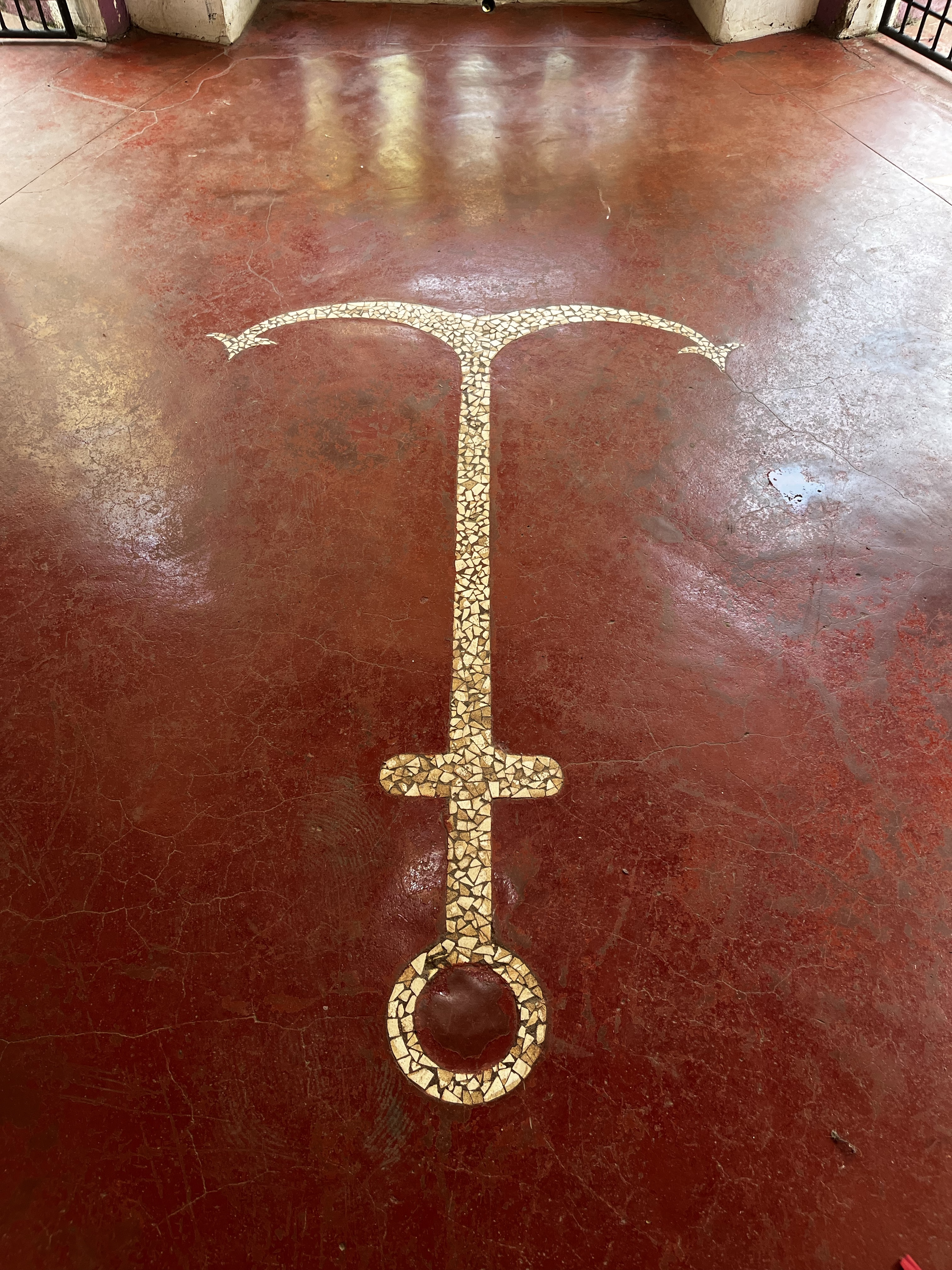
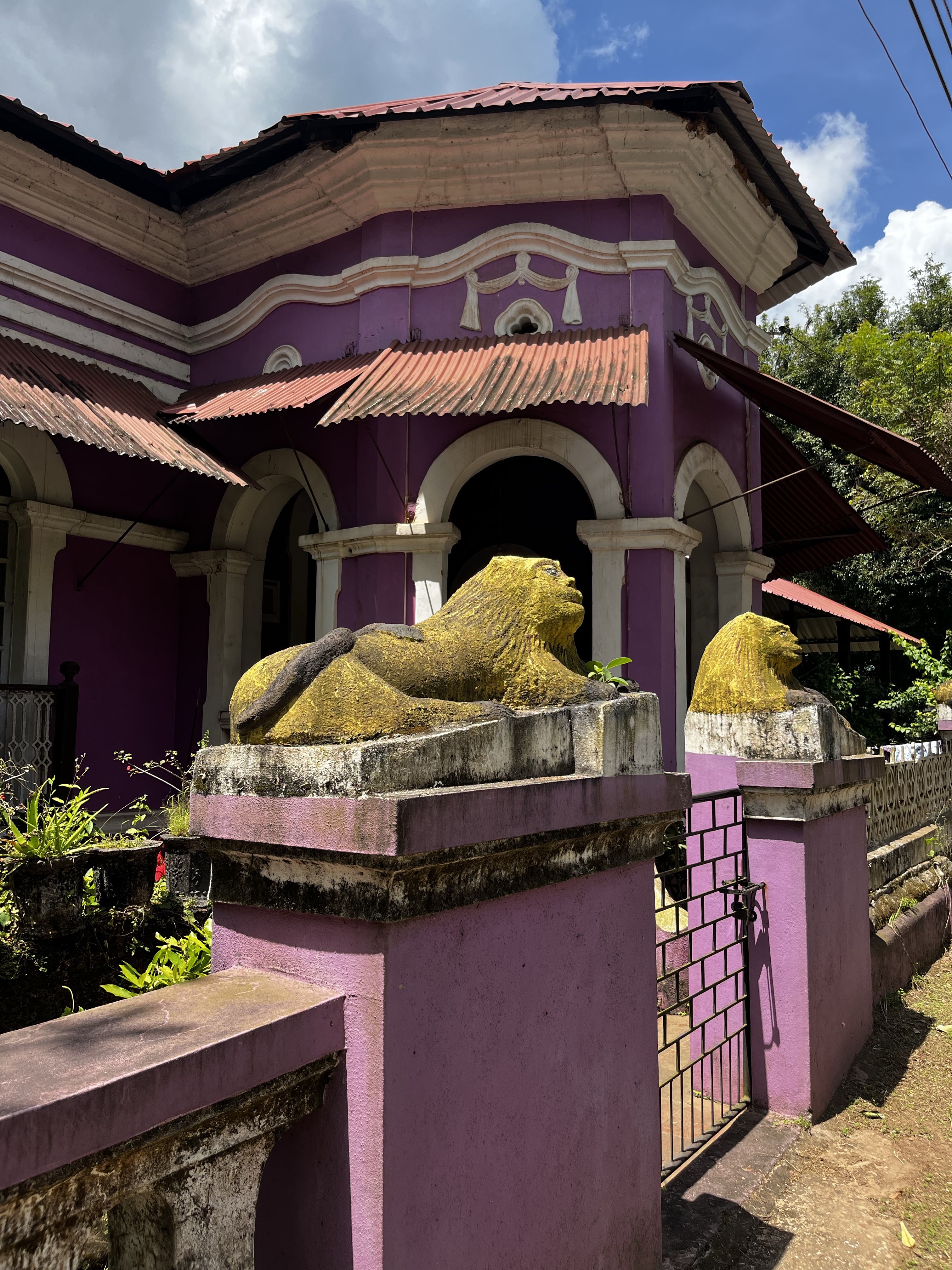
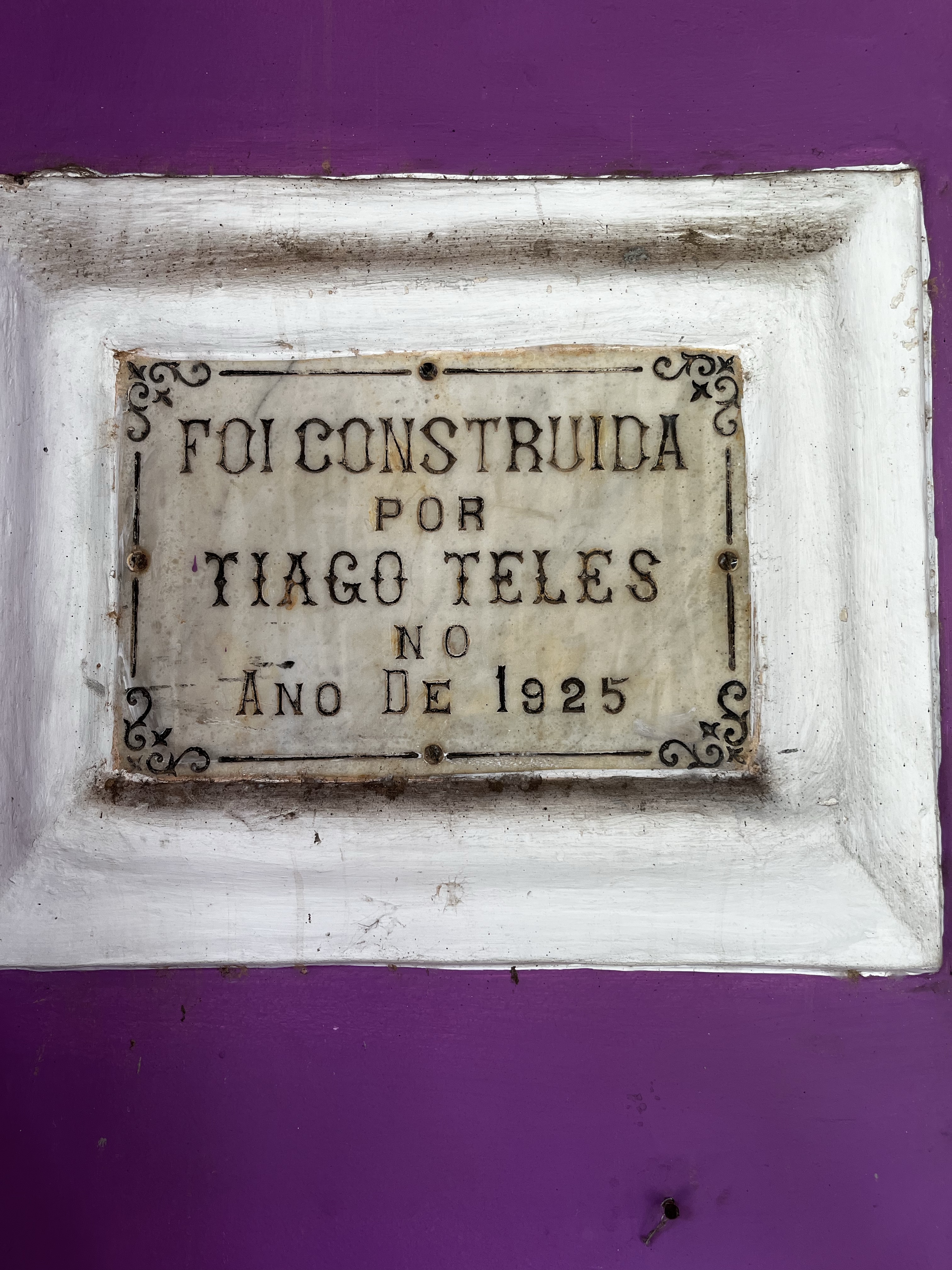
An anchor inscribed on the floor of this house that was built in 1925 with Portuguese lettering by the name of the original owner, Tiago Teles; the anchor being extremely symbolic of the maritime voyages taken by the explorers who came to India in search of spices and finding a home. The owner of the house kindly allowed me in and showed me his most prized possession – a framed picture of his mother’s painting, a frazzled work comprising flowers from 1934.
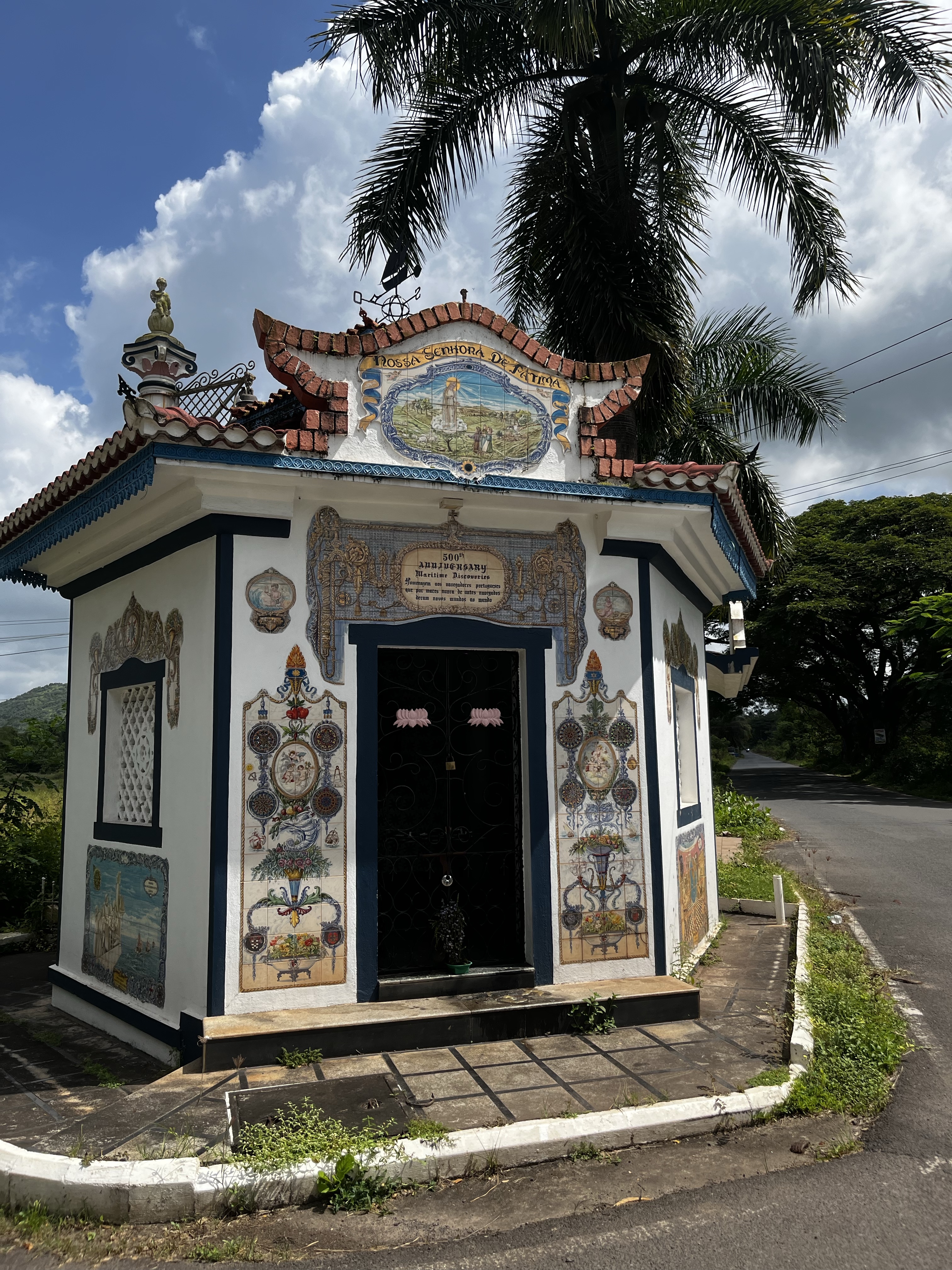
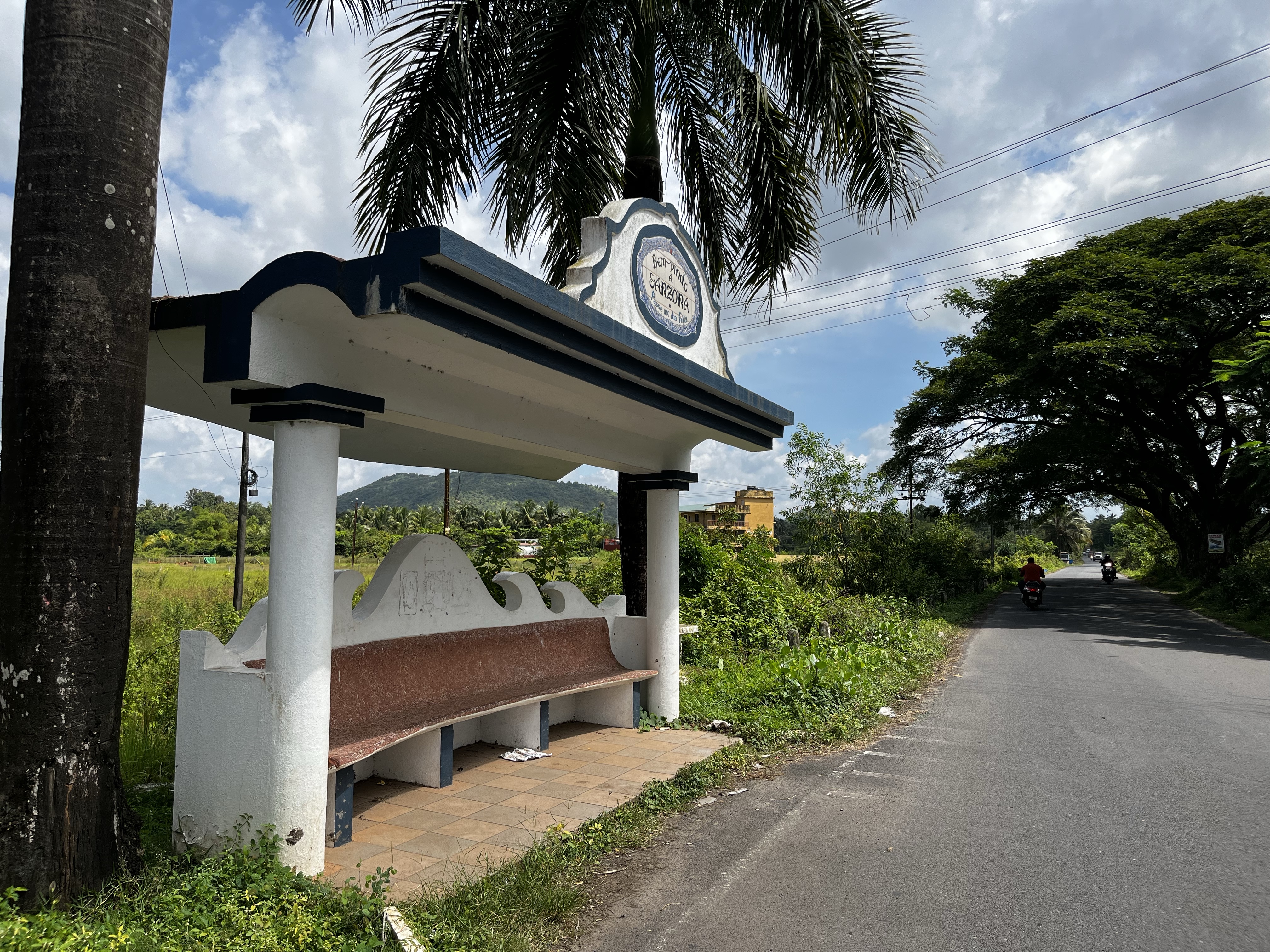
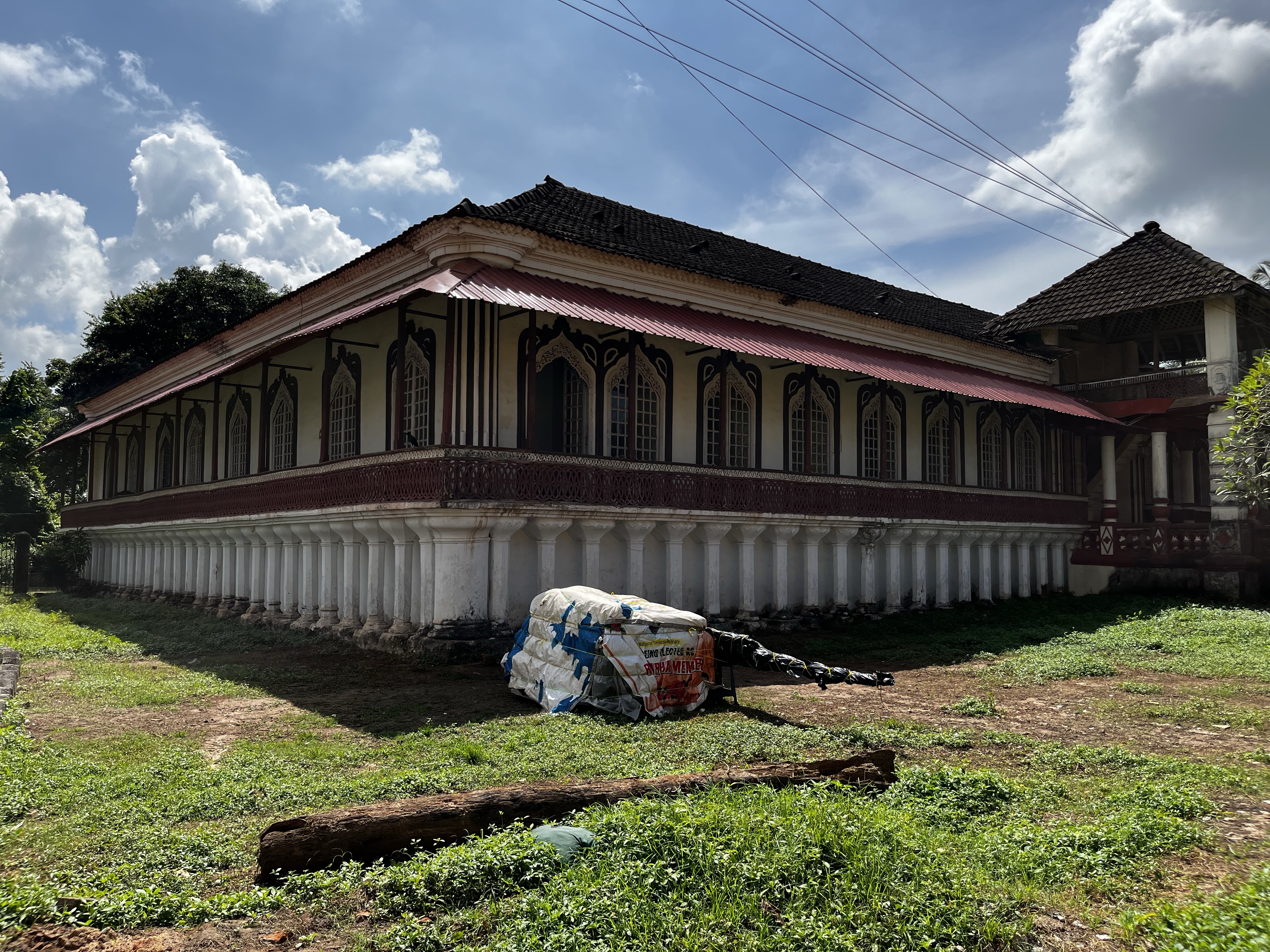
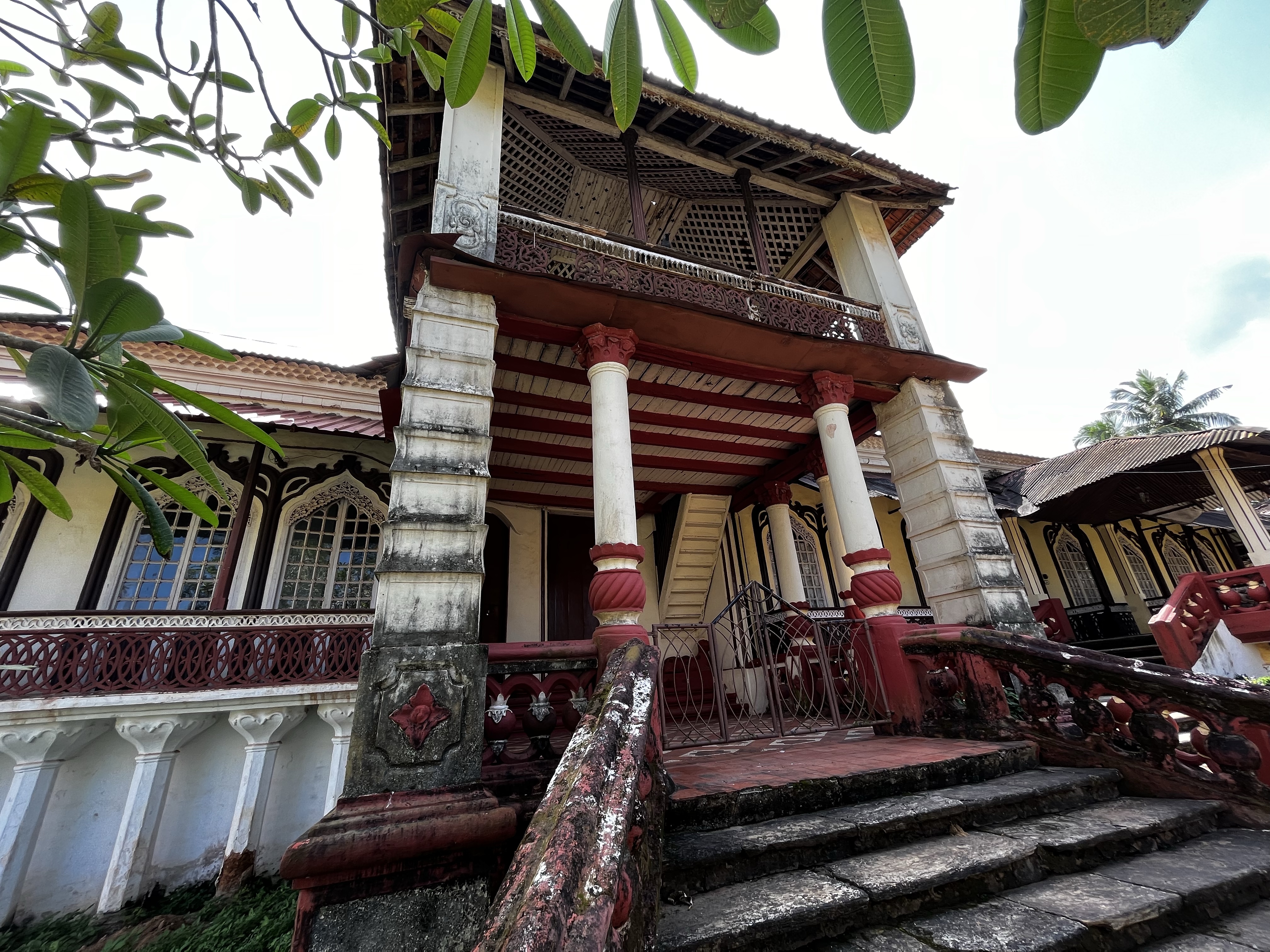
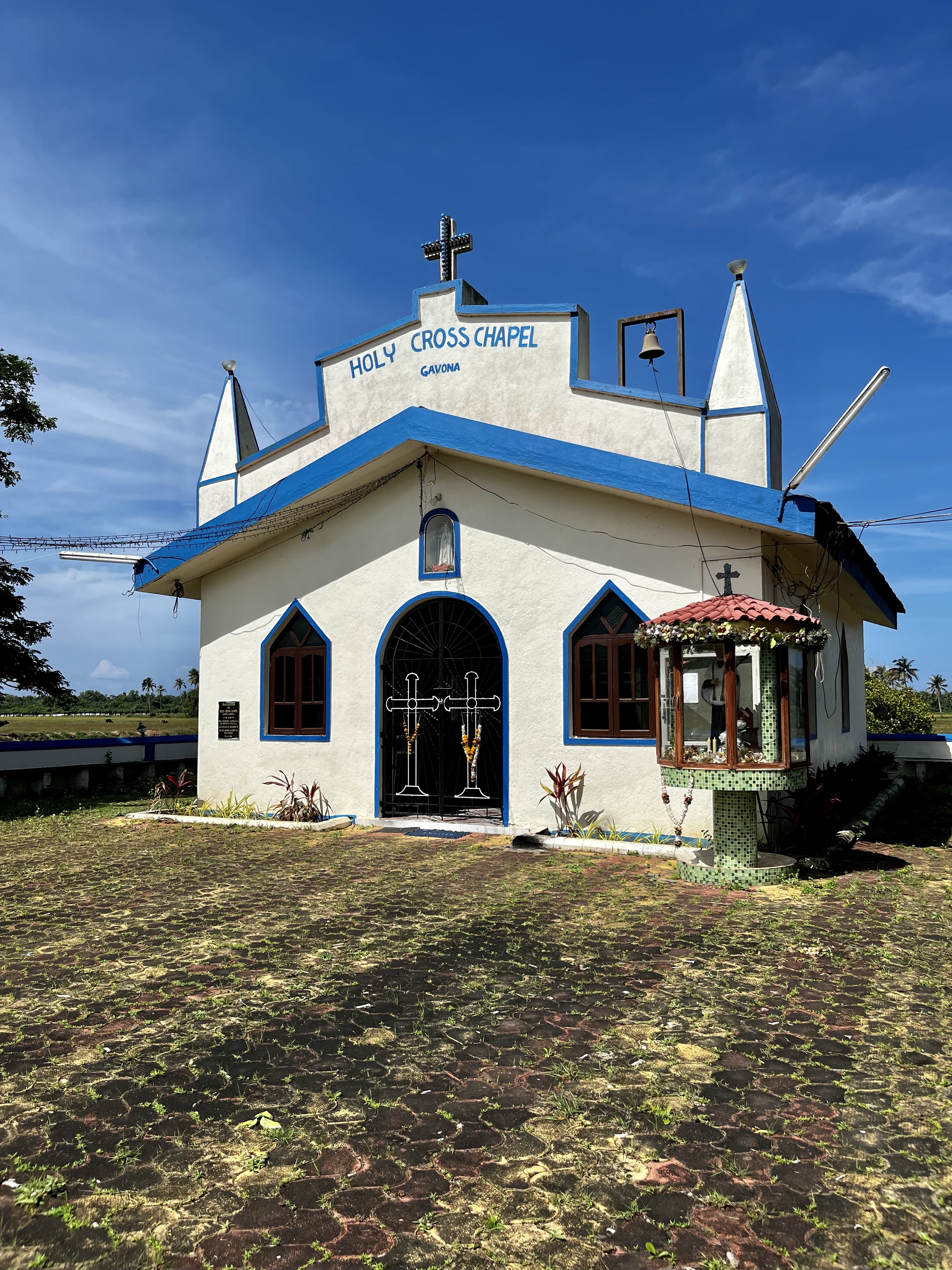
Home is where art is.Goans are not afraid of colours that much I can tell you – this was the house called Tiago Teles built in 1925 though the colours would have been more muted We will never know who Tiago Teles was but one thing we do know from the anchor he chose to inscribe in this house’s flooring is that he had found a home in India.Pale blue and lemon yellow would be more Portuguese in colour scape like this house This Santa Cruz chapel is quite similar in design and colour to other Portuguese churches Abandoned Portuguese homes are everywhere in GoaA commemoration to 500 years of maritime discovery probably built in 1998A nearby bus stop also borrows the chapel’s design Rota di India Probably need a rest after all that voyaging Rota di India – the route to IndiaCame by this abandoned house Beautiful windows And a grand entranceway Grand stairwell tooLarge homes would have not just meant wealth but also large families and connections with other large families. In the past both would be seen as an asset, now it large houses are a liability and many are in a sad state of affairs. Most chapels would have been in cooler tones of white and blue reminiscent of its European heritage Though the more earthy Indian shades of maroon has slowly made its way in following repairs
Anna dear, no post is ever complete without you reading it and posting a comment. Thank you always for being in the other side of my posts.
Luxury in today’s definition can be a Ferrari or a sparkly jewel or a work of art, but the kind of wealth our ancestors had, was a class apart in a literal sense – private chapels with relics from saints, a fruit orchard in the backyard tended by a gardener who’d bring you a papaya or a pomegranate for breakfast, a vantage point that gets the cool breeze from the sea (this one is priceless in today’s day and age), a private burial site – it’s different kind of riches. A few things like sea breeze, you can find in Oz and I envy you for that.
Yes you are so right… i actually like the “luxury” of the past as opposed to todays. A private chapel or one’s own orchard beats a modern day Ferrari in my opinion! I can definitely vouch for the seabreeze – its blowing a gale this afternoon! Lol. Always a pleasure reading your posts, they bring me such joy! Simple pleasures worth more than any riches! X










Wow I love these heritage houses! Such opulence!
Anna dear, no post is ever complete without you reading it and posting a comment. Thank you always for being in the other side of my posts.
Luxury in today’s definition can be a Ferrari or a sparkly jewel or a work of art, but the kind of wealth our ancestors had, was a class apart in a literal sense – private chapels with relics from saints, a fruit orchard in the backyard tended by a gardener who’d bring you a papaya or a pomegranate for breakfast, a vantage point that gets the cool breeze from the sea (this one is priceless in today’s day and age), a private burial site – it’s different kind of riches. A few things like sea breeze, you can find in Oz and I envy you for that.
Yes you are so right… i actually like the “luxury” of the past as opposed to todays. A private chapel or one’s own orchard beats a modern day Ferrari in my opinion! I can definitely vouch for the seabreeze – its blowing a gale this afternoon! Lol. Always a pleasure reading your posts, they bring me such joy! Simple pleasures worth more than any riches! X
🤗