Kaohsiung was known as the “harbour city”. Taiwan’s largest port is the 15th largest container port in the world. Before the export of Taiwan’s high precision goods, it was the port from where the humble banana too was exported. So prized was it to the Japanese that they even featured on their imperial currency.
🍌🍌🍌🍌🍌🍌🍌🍌
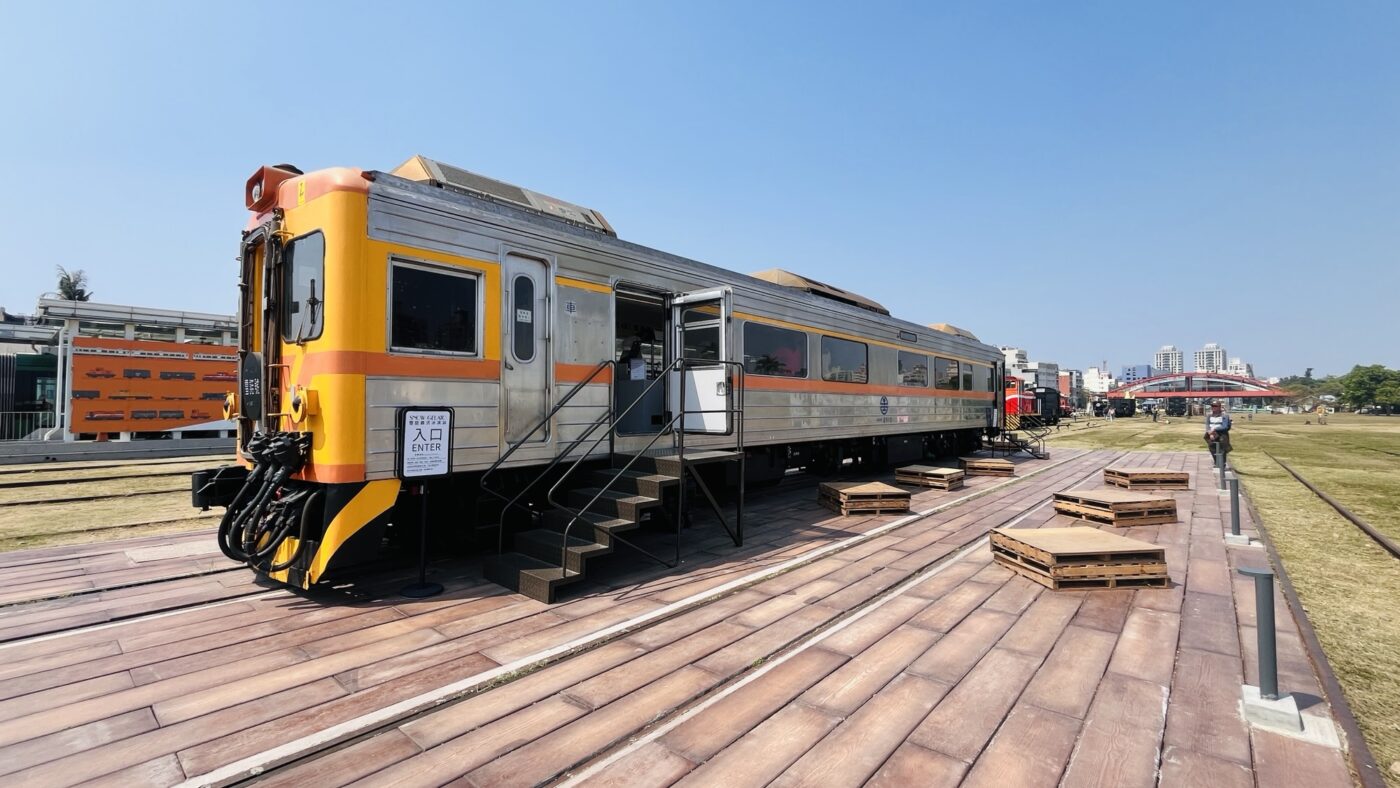
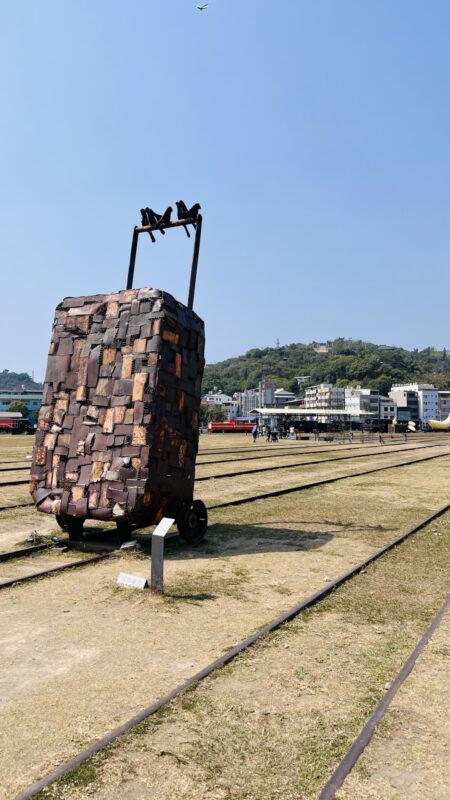
During Taiwan’s colonial times, the Japanese built railway network for military and industrial transportation at Hamasen in Kaohsiung, which is now home to a railway museum park. Hamasen means “beach railway line” and was the hub for ocean cargo. Today, the warehouses and godowns have been converted into a Railway Museum and Park.
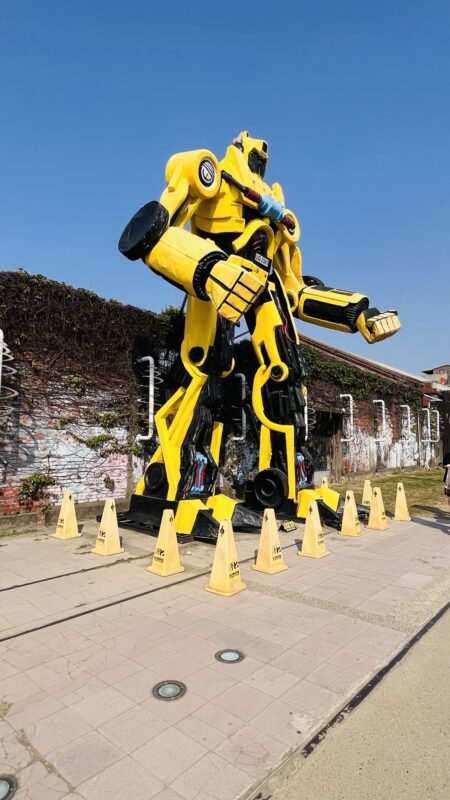
Goods and passenger carriages from the bygone era are parked in this exhibition area which attracts families and tourists alike. Some carriages are converted into cafes and gelaterias.
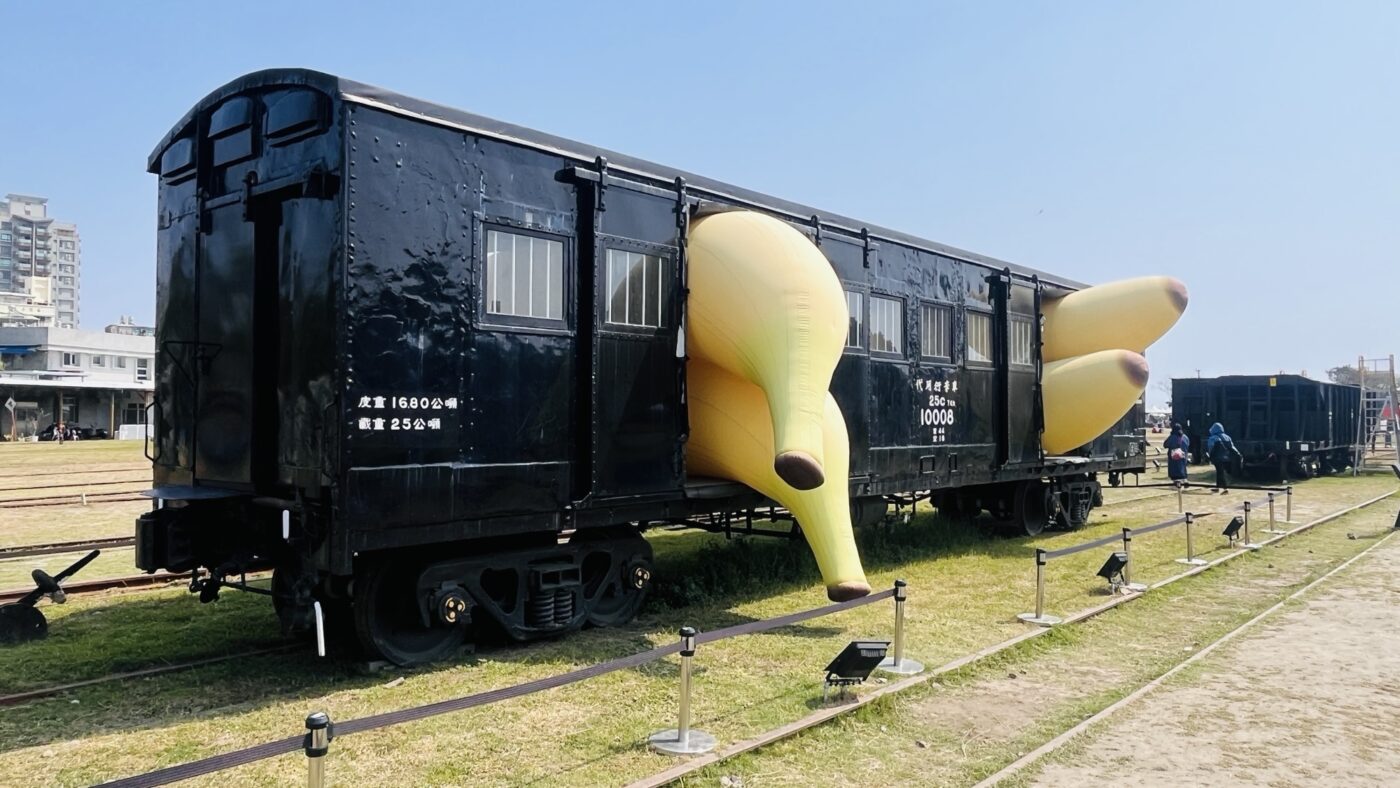
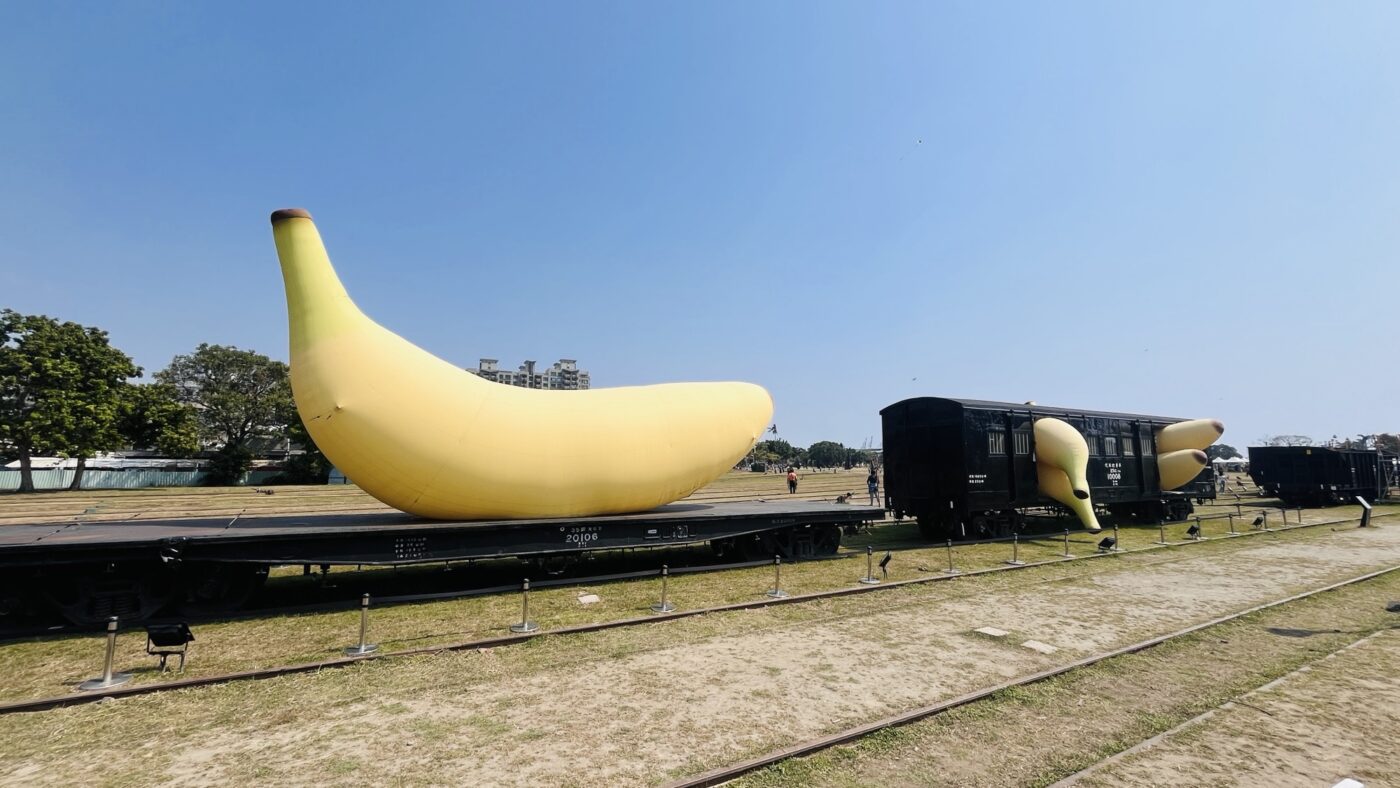
One particular carriage is filled with giant bananas and the history associated with it is rather fascinating, linking us all to the Banana Party we all belong to and contribute to in some way or the other.
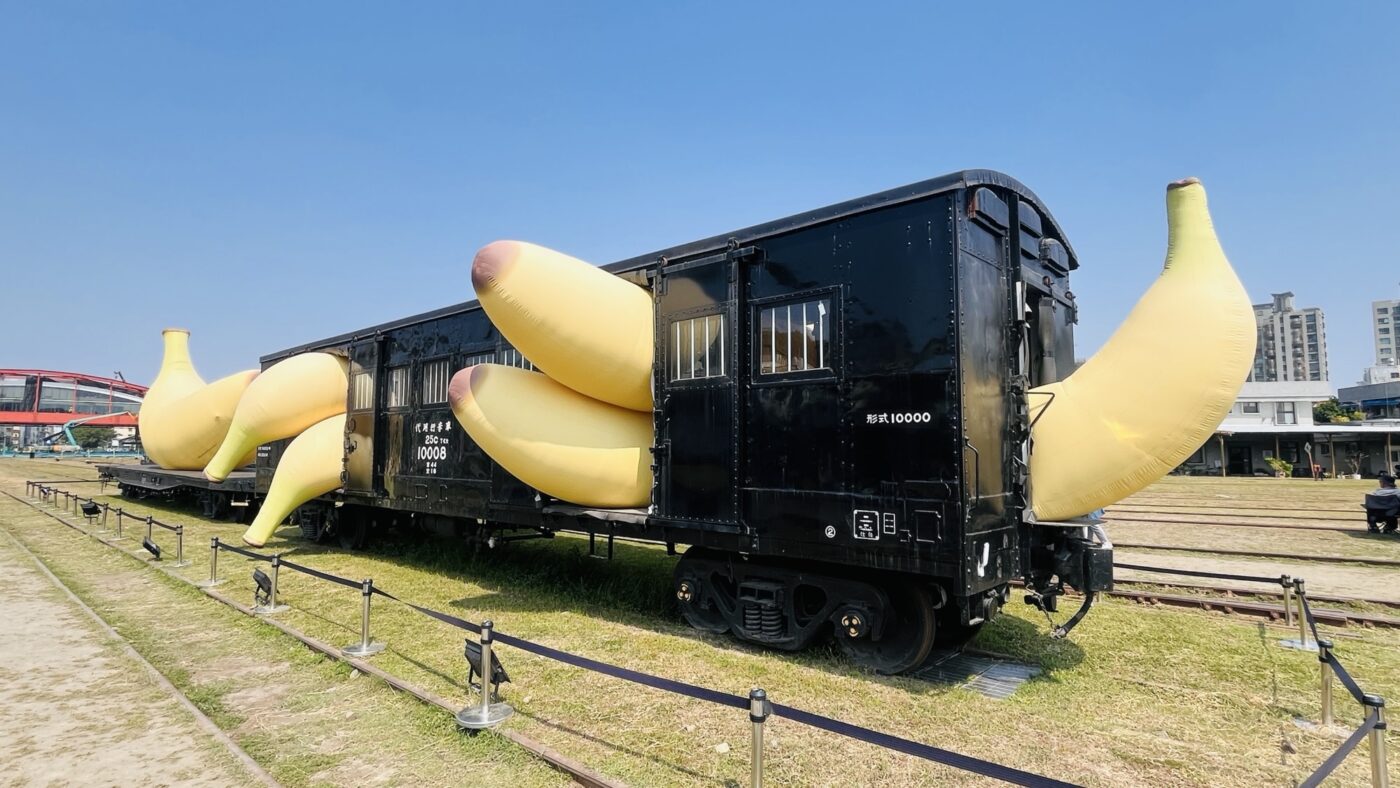
In the 1960s, Taiwan grew large quantities of bananas and exported them to Japan where they were seen as luxury items. The wealth earned through banana exports earned Taiwan the nickname “Banana Kingdom.”
Countries of Central America used to be called “Banana Republics”. Ecuador for instance, is the largest exporter of bananas. During 1960s, Taiwan was the 2nd largest exporter of bananas after Ecuador. Banana exports that earned only US$8 million in 1963 soared to US$107 million between 1965-66. The majority of banana exports were to Japan where the fruit was considered a novelty and prized highly.
It is said that the first banana ever brought to Japan was the one presented to the warrior Nobunaga Oda by a Portuguese missionary in the 16th century.
Bananas are still a novelty in Japan but in the bygone era, they were classed as rarity, worthy only of nobles and the royalty. With that came prestige, and the Japanese imported bananas to satiate local demand as well as exporting them to its colonies.
Cishan bananas in particular were of export quality and were transported to Japan through Kaohsiung port.
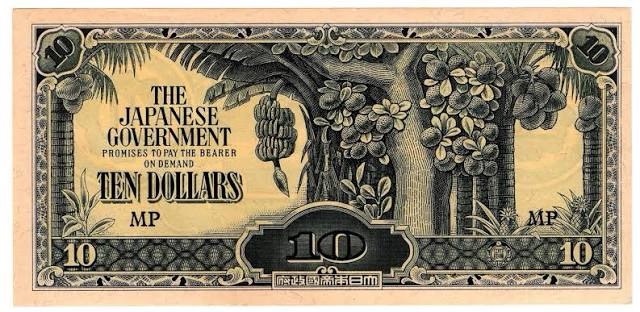
So prized were bananas by the Japanese that they even put them on their imperial-era currency that was circulated in Singapore, Malaya, North Borneo, Sarawak and Brunei. After Japan lost the war and retrenched from Singapore and Malaya, the currency became worthless though Japan has never bought them back. They are therefore called “Banana Money” or “duit pisang” for their worthlessness.
Banana farming in Taiwan is now facing stiff competition from the Philippines which has become the largest exporter to Japan, China, South Korea, Hong Kong, Singapore, New Zealand and Saudi Arabia.
To highlight the importance of local agriculture to the city’s development, the city’s cultural affairs bureau created a large-scale art installation by packing one of the carriages with giant bananas. The event was dubbed “Banana Party”.
There’s obviously a lot of money in bananas. The duct taped fresh banana by Italian artist, Maurizio Cattelan in 2019 about the absurdity of the art world which had then taken off largely because of NFTs was purchased by a crypto currency entrepreneur, Justin Sun for US$ 6.2 million in November 2024.
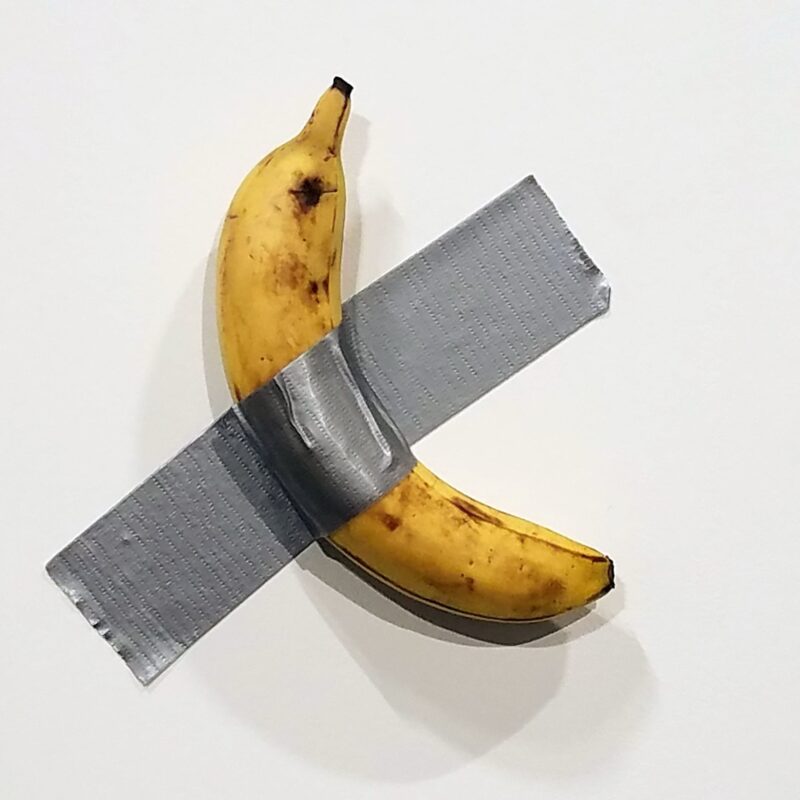
Sun even ate the banana to add to Cattelan’s joke. And we, the banana republic, watched this and gasped.
We’re all a part of that Banana Party.
🍌🍌🍌🍌🍌🍌🍌🍌🍌🍌🍌🍌🍌
What a fascinating history regarding Taiwan and bananas. I had no idea. It’s quite funny that you are the third person I know in recent times who has visited and posted articles/pics from Taiwan. It looks like an interesting place!
Oh Anna – oh oh oh. I think Taiwan doesn’t promote its tourism much and at a time when tourism is so commoditised, Taiwan manages to keep it real. A longer blog is due but do come if you can. A gem of a place. Banana Party was all new to me too. Greetings from Banana Kingdom 👋 😊🇹🇼