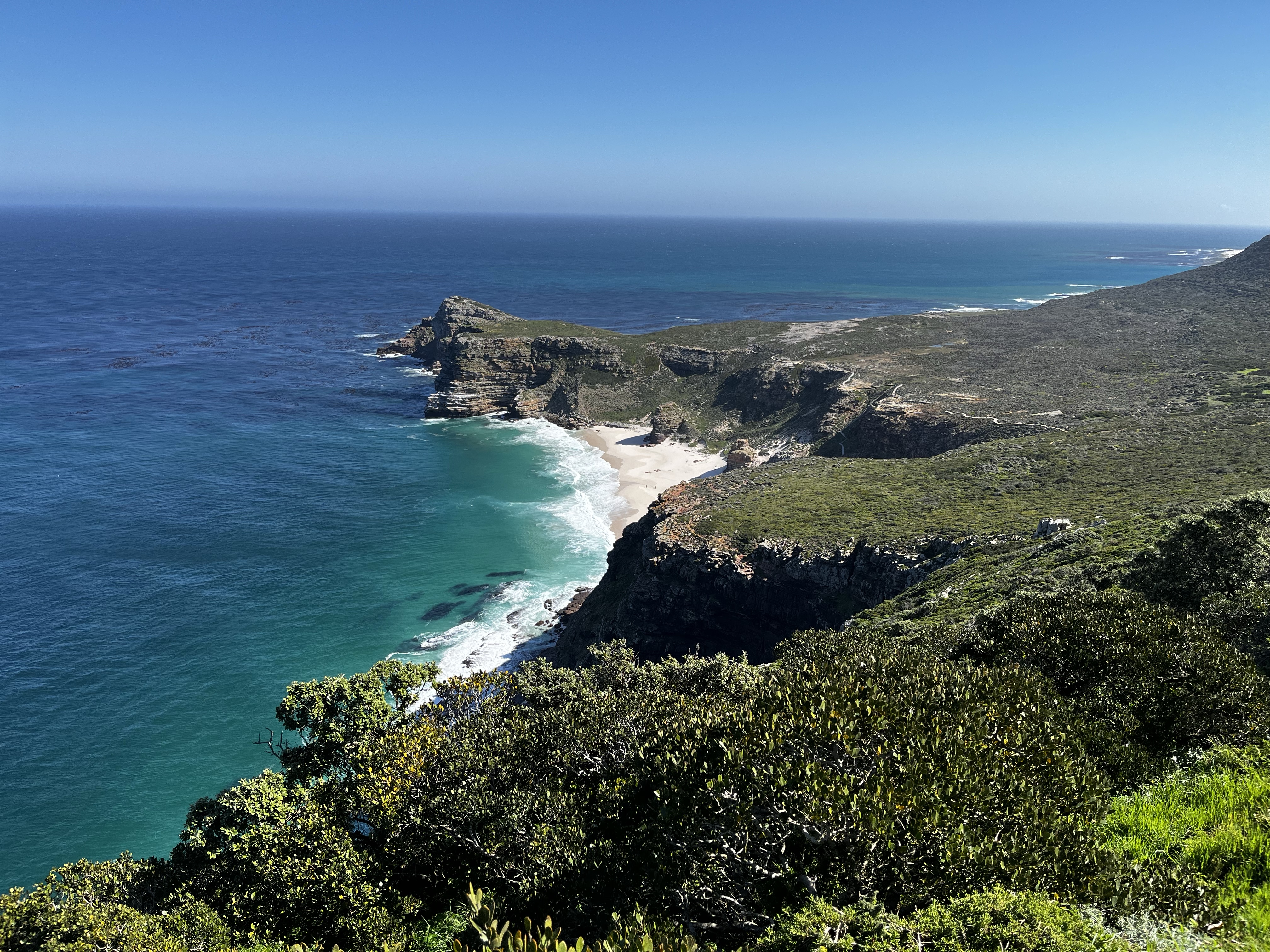
It would be months before the seamen would see land. Sea sick, smelly and full of scurvy, they would have literally kissed the earth when they touched the shores of the Cape. This was the midway point where the Atlantic and the Indian Ocean met before the traders and navigators set sail for the Spice Islands.

Oh! The Spice Islands. Will I ever tire myself of writing about it? If the land route from China to Europe was all about silk, the maritime route to Indonesia, Malaya, Ceylon and India was all about spices which the Dutch, the Portuguese and the English fought over for dominance.
Vasco Da Gama, the Portuguese explorer had just one mission (actually two): find the spice route which was dominated by the Arab traders (blame the Dark Ages and the church believing earth to be flat, the Europeans never sailed; also their food was rather bland); and the second one, to establish Christian diocese by conquering new land. The Portuguese Inquisition would be a terrible thing to write about so we’ll just focus on the spice trade instead.
Once the maritime route to India was established another set of explorers, the Dutch, who were at war with the Portuguese entered the spice trade themselves and later set up the Dutch East Company or the VOC (Verenigde Oost-indische Compagnie).

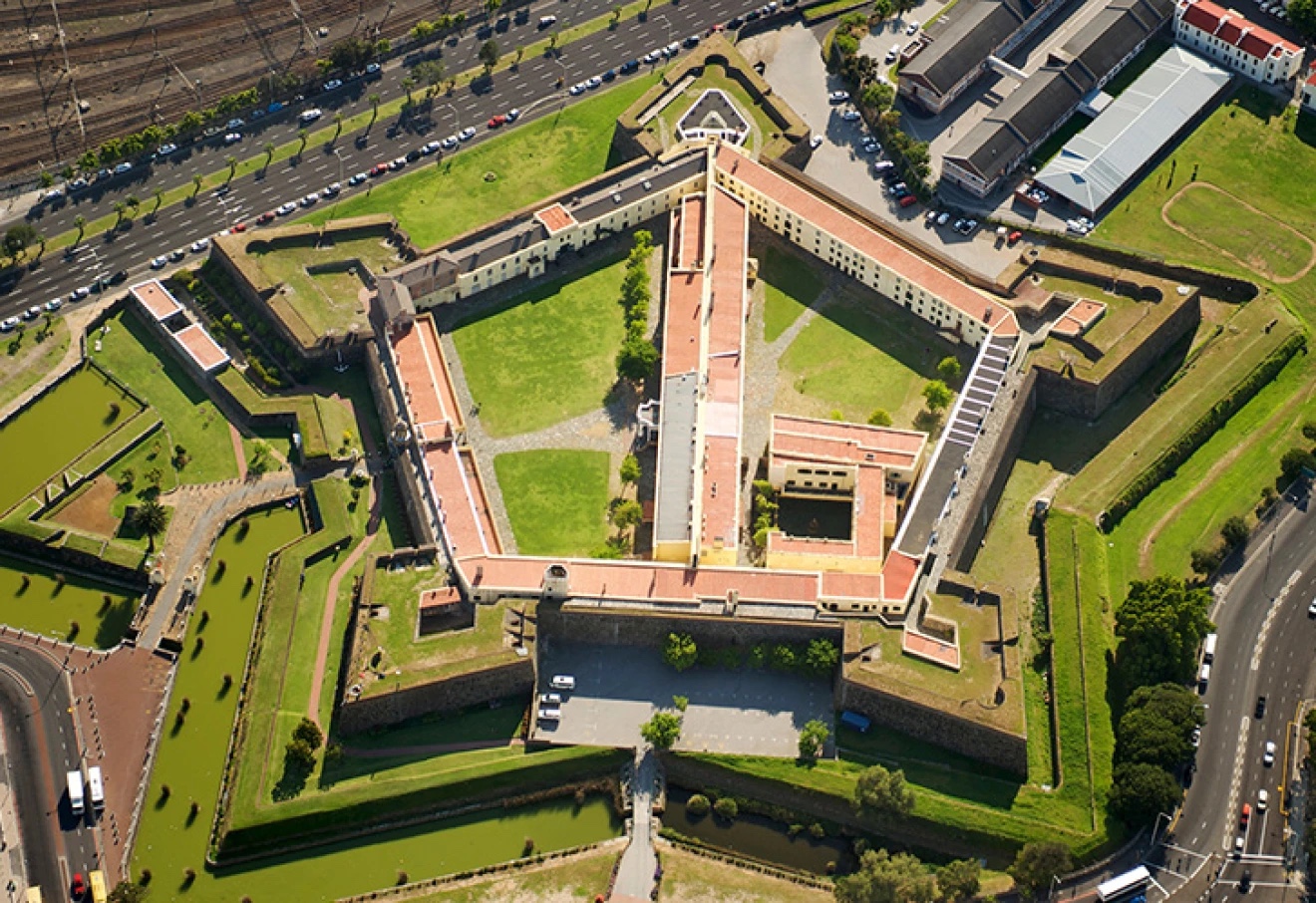
The VOC established the cape as a way-station for docking ships and brought Boers – Afrikaans word for farmers of Dutch, German and French Huguenot ancestry to cultivate the land for agriculture. The Boers then employed labour from Dutch colonies of Indonesia, India, Ceylon and Malaya to work on the farm.
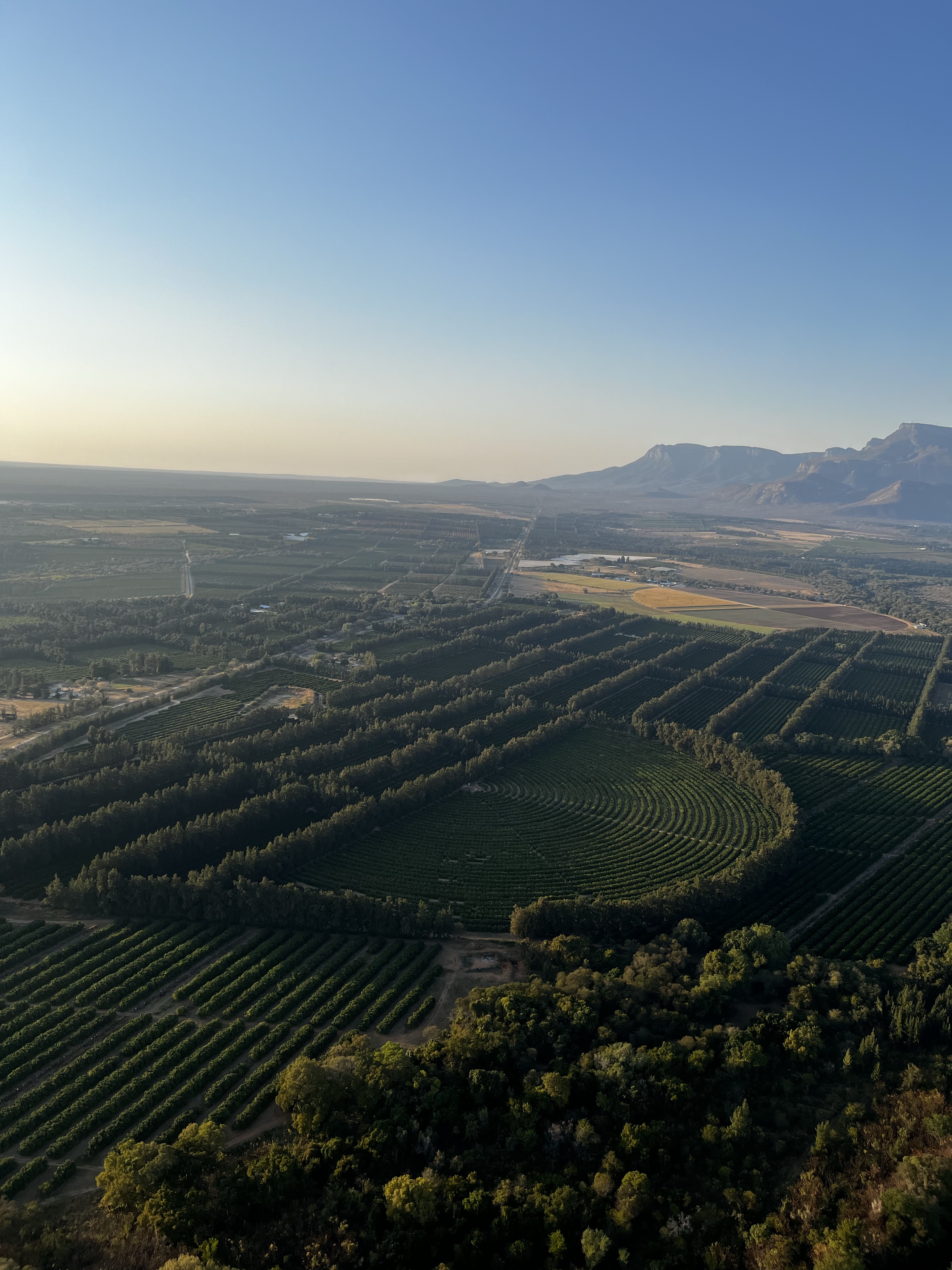
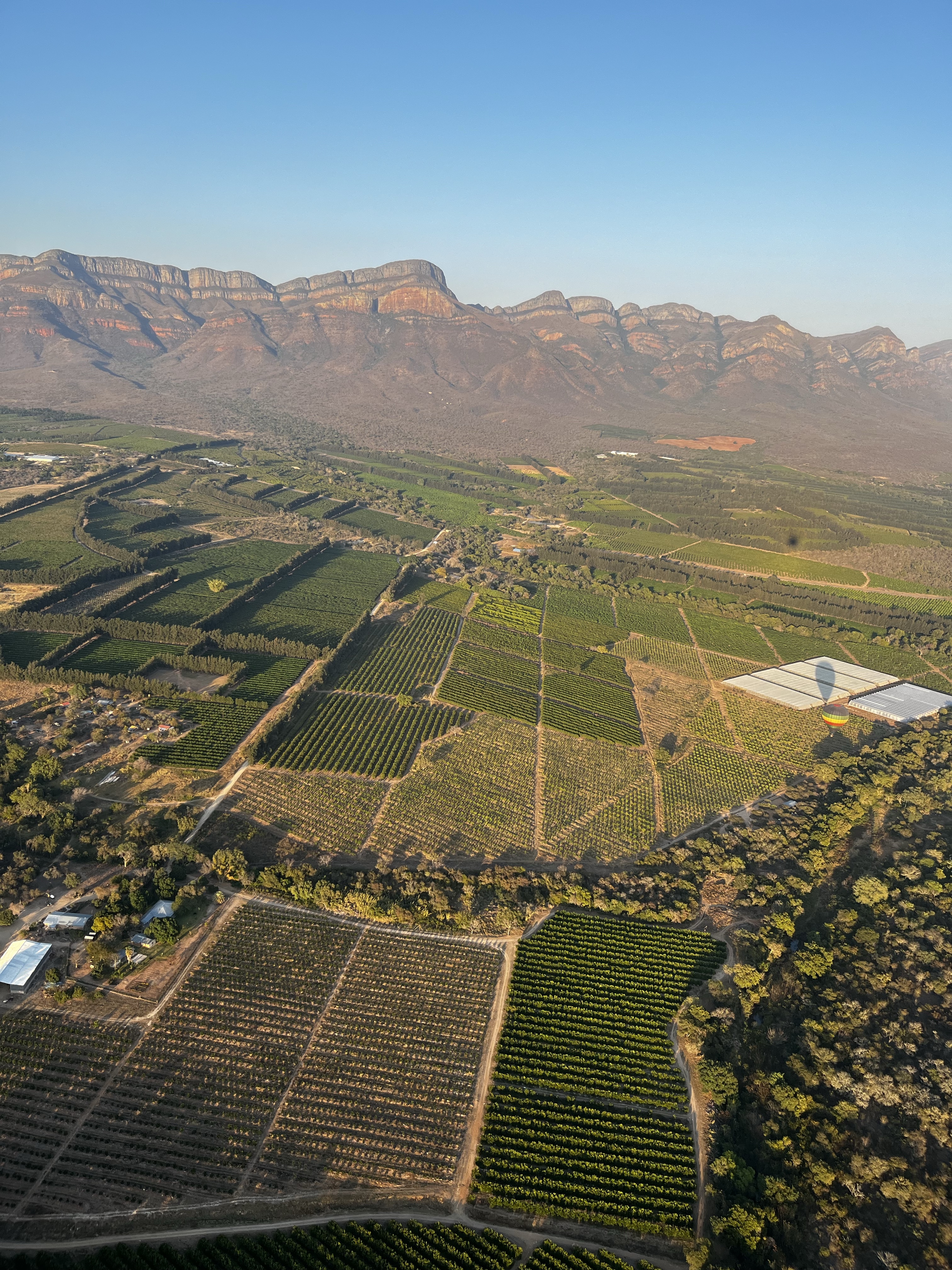
Oceans hold stories and interlocked histories between Europeans, Arabs, Africans and Asians. It is no surprise the shores they touch become melting pot of cultures. This can be seen here in the Cape. The colours, foods, architecture, language, attire, music and just about everything is a magical mix.
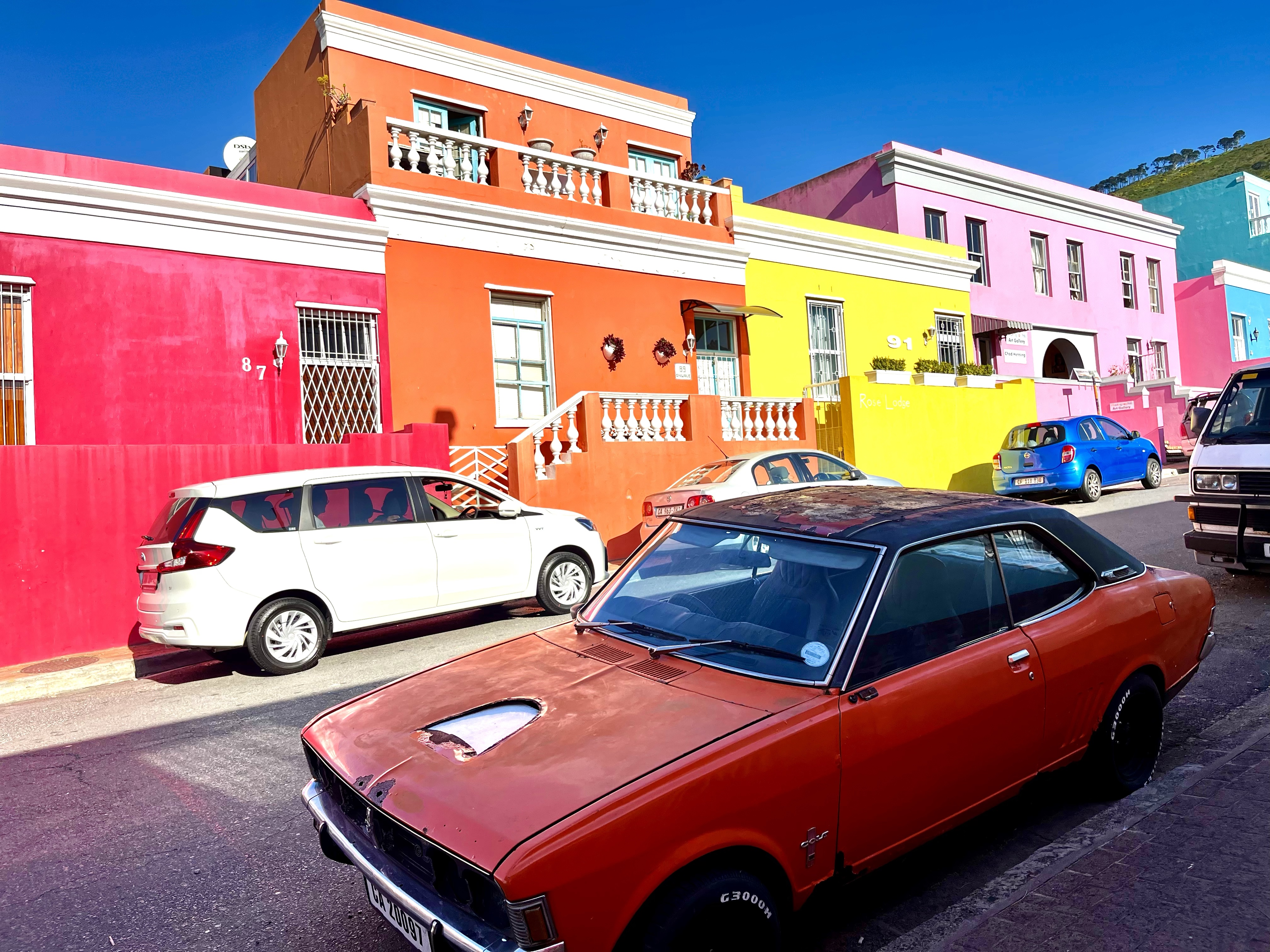
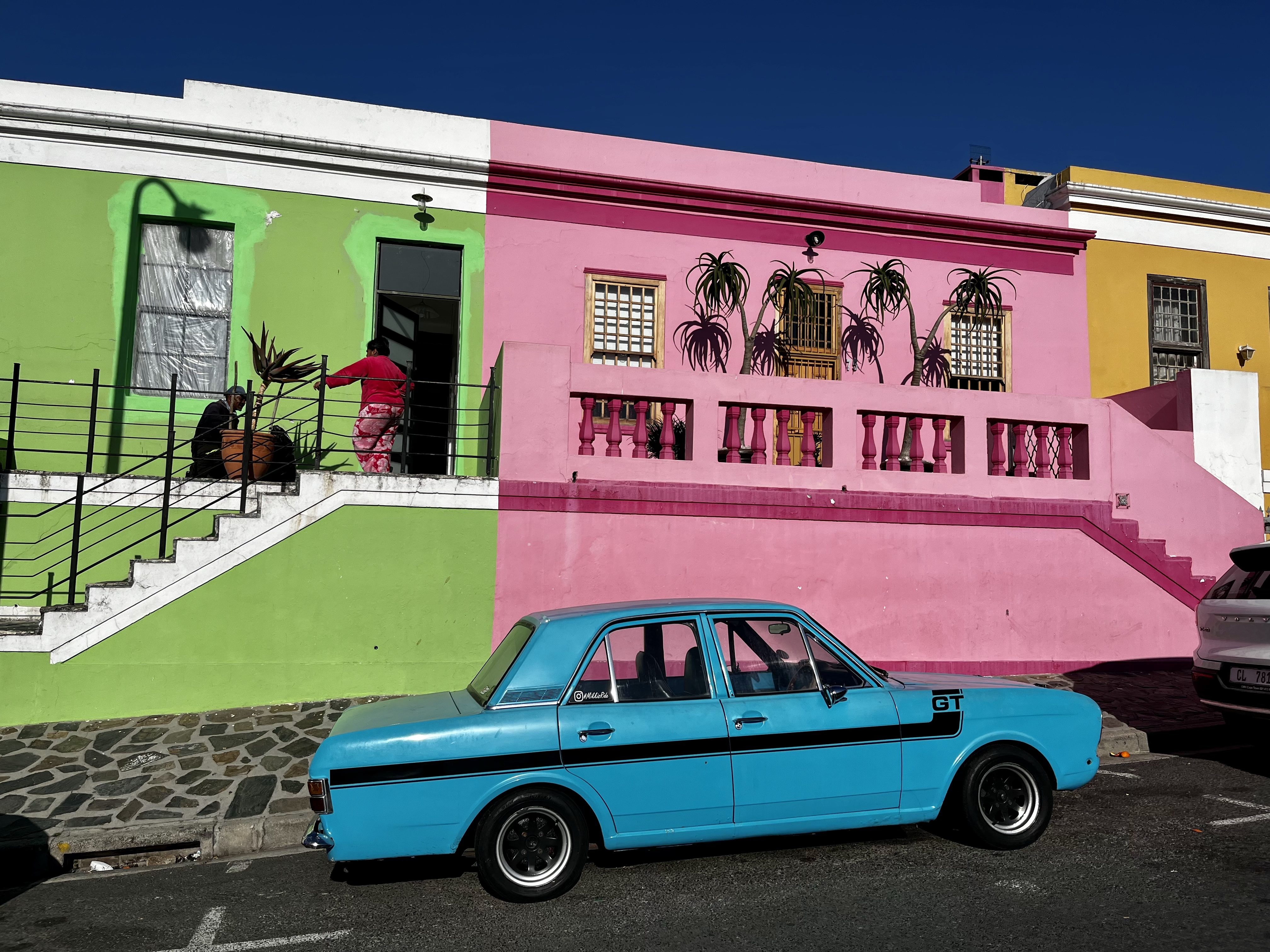
The midway point thrived and grew its own legislative system, post and communication, banks and insurance. Along the way, they even found gold (in Joburg) and diamond (in Kimberly).
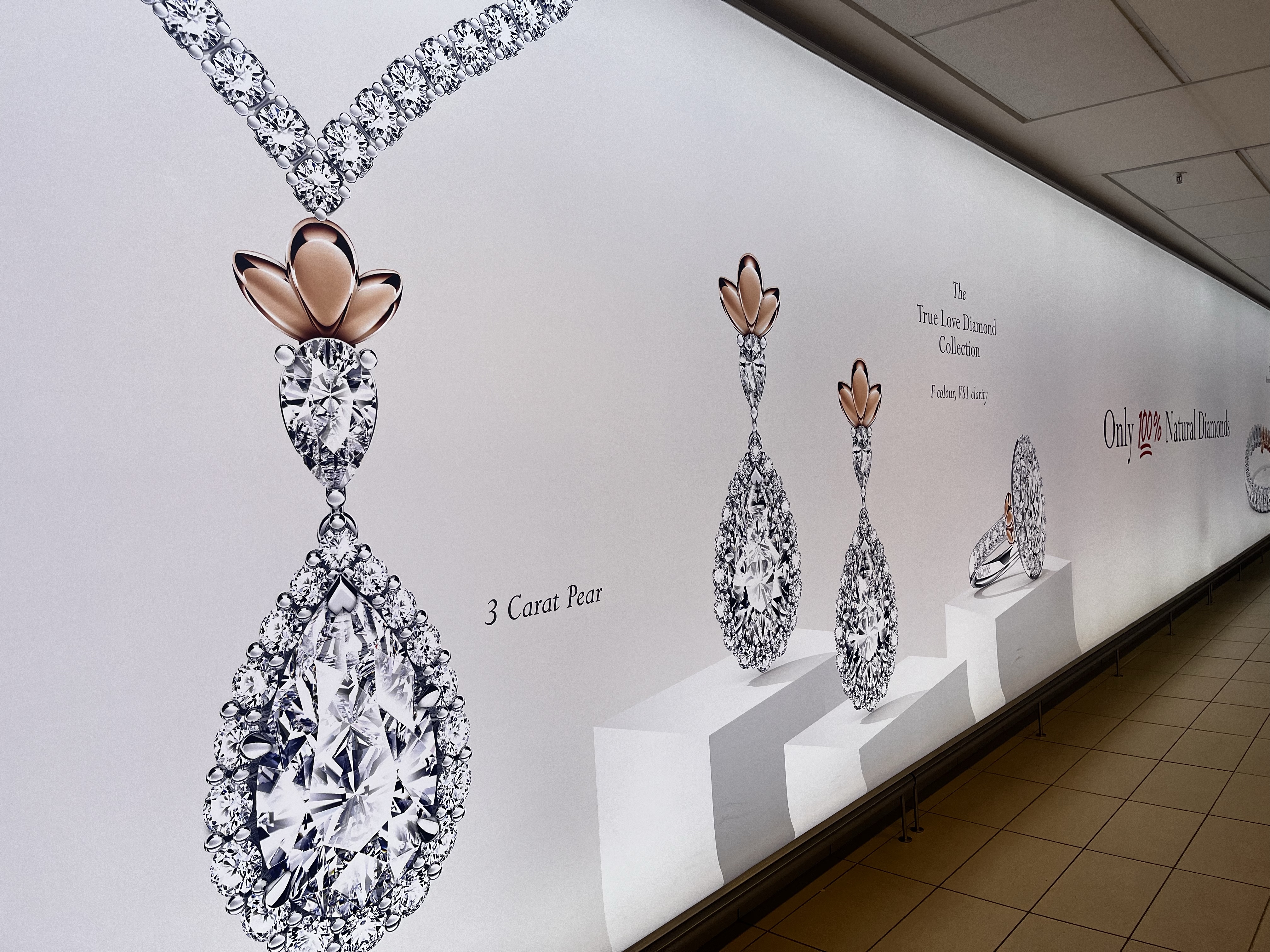
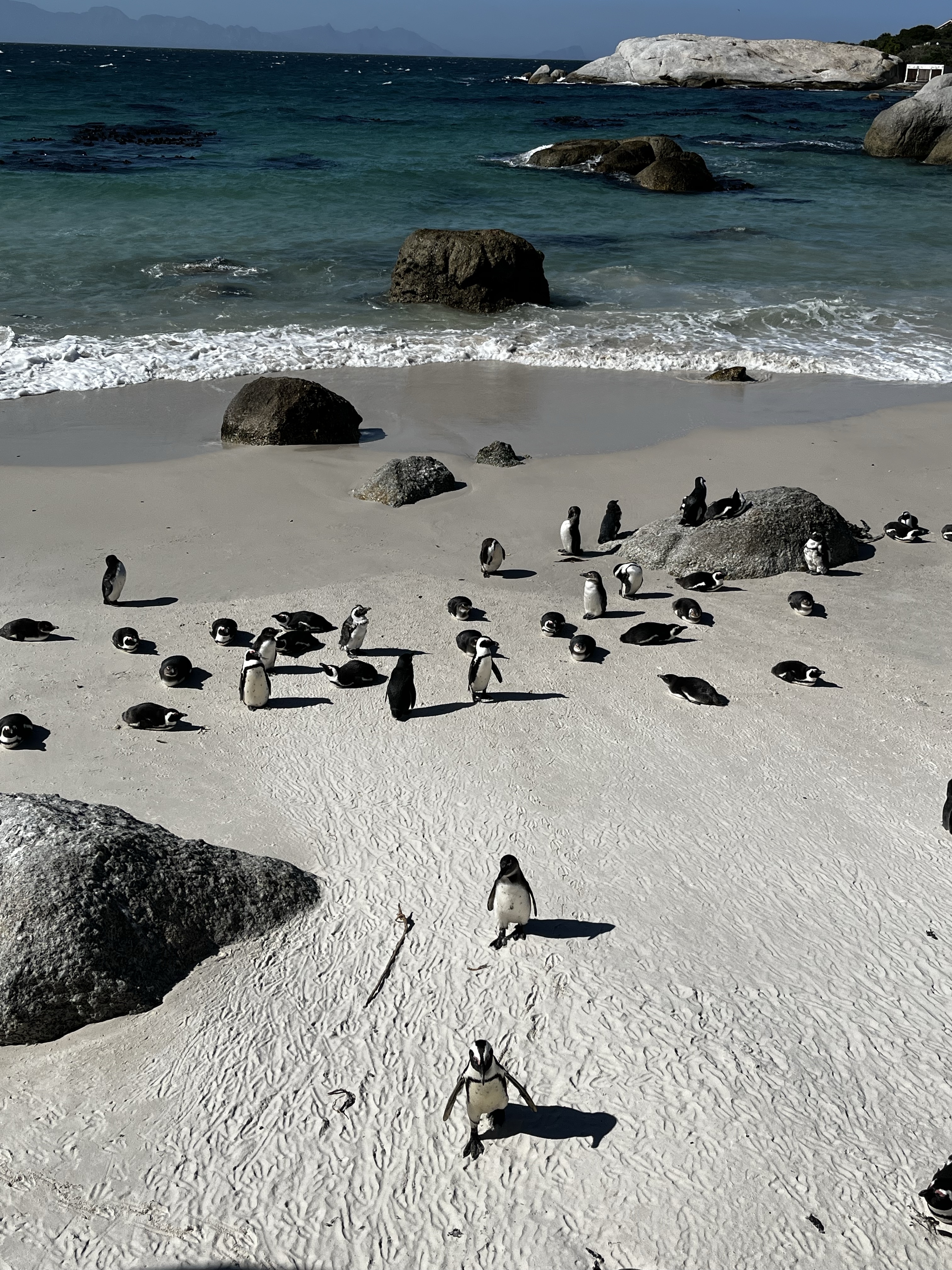
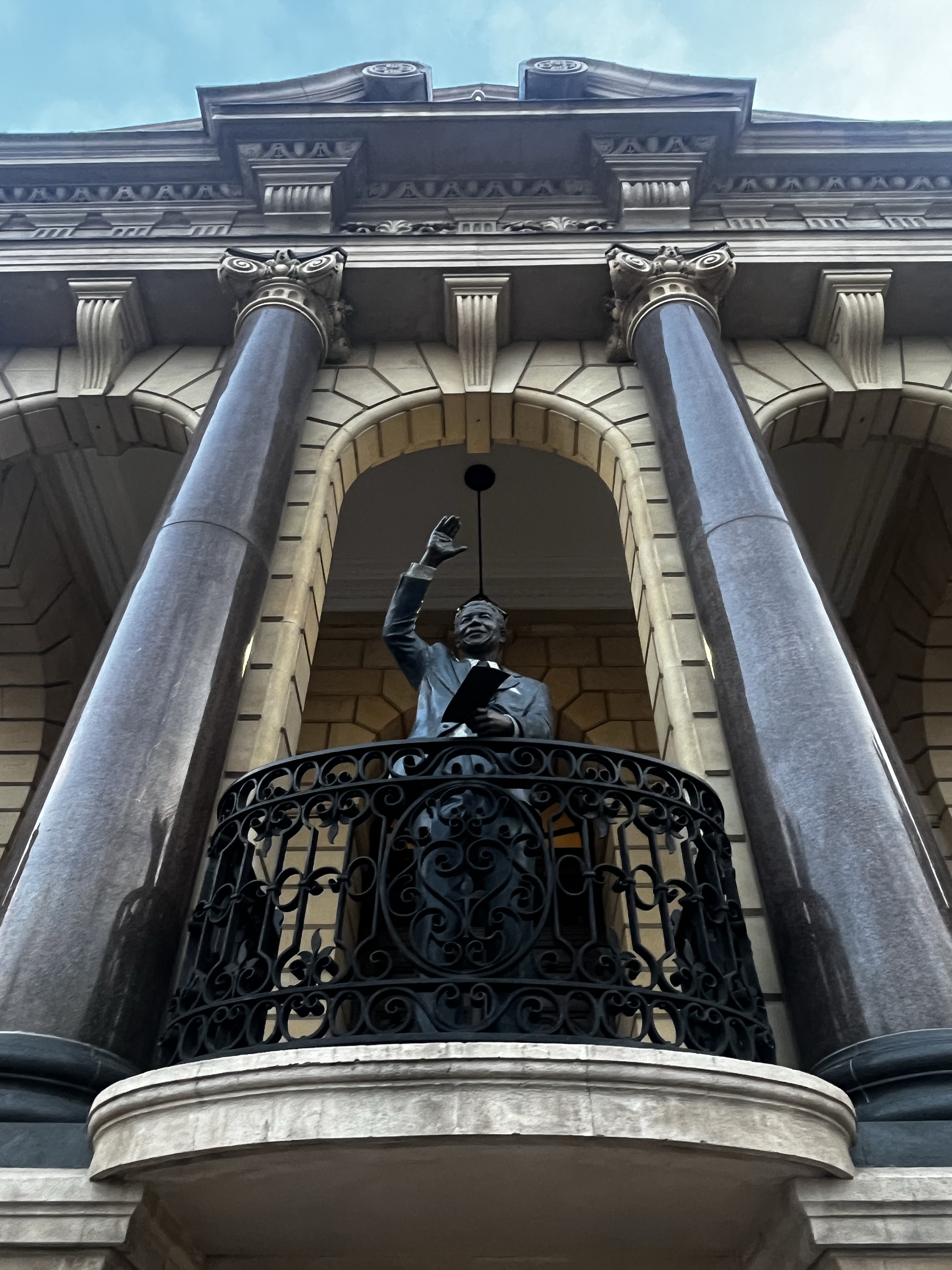
The Cape has made its mark in the history in many ways. Christian Barnard became the first surgeon to perform human-to-human heart transplant in 1967. The diamonds from its mines sanctify marriages around the world; wines from Stellenbosch and Franschhoek quench the thirst and make wedding feasts more delectable. It has exotic wildlife – whales in Hermanus and Penguins at Boulder Beach. And of course its performance at cricket and rugby is legendary.
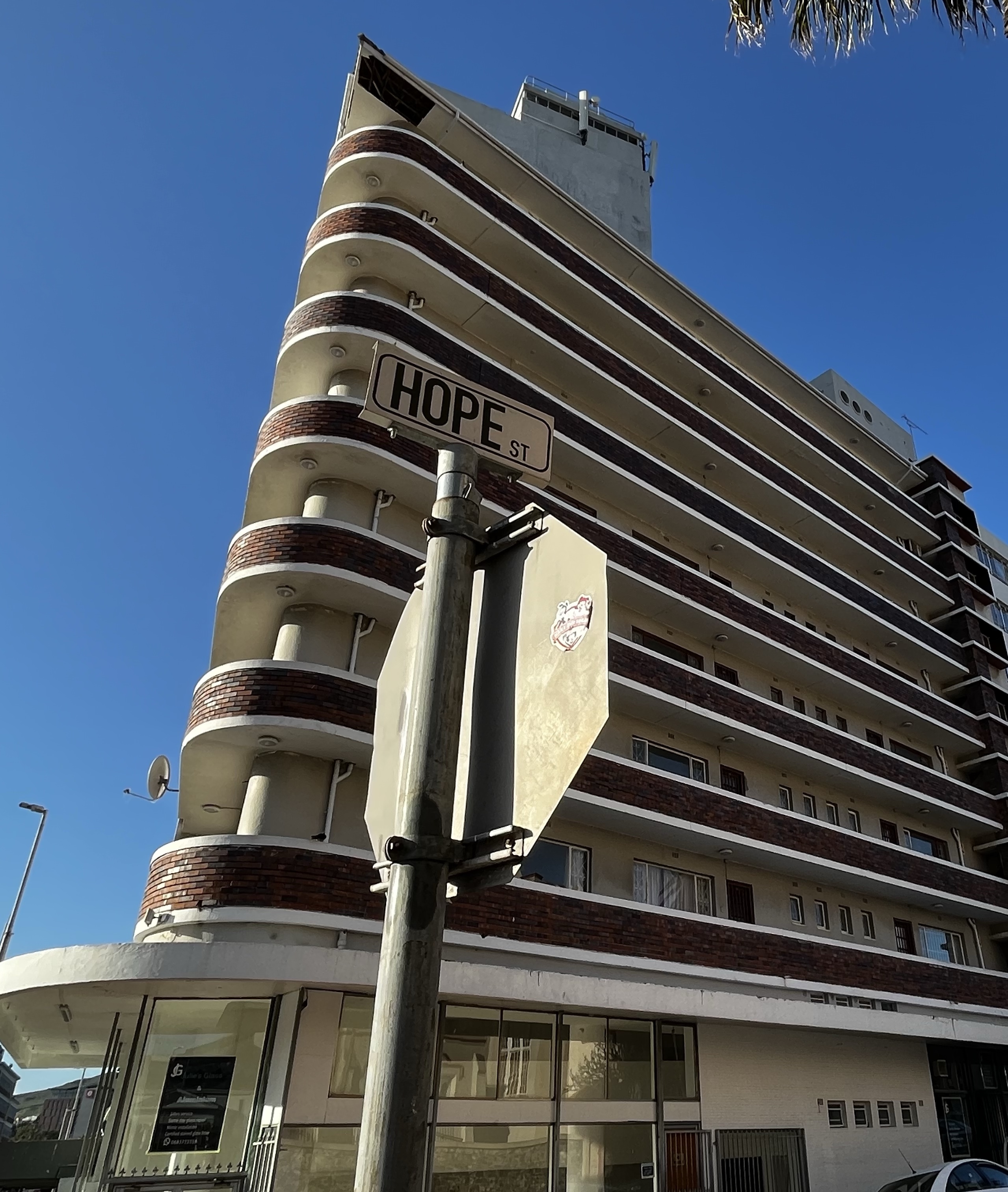
It is no wonder just about everything is called “Hope”. Hope is really a halfway point.
The colours of Bo kaap are so beautiful! What gorgeous colours! The beaches of white sand and the blue sea remind me alot of our souther coastline here too. Very similar to me.
Australia is beautiful, Anna. Something about the Southern Hemisphere. Great weather, delicious wines, even the crunch in the lettuce leaf is enviable. I can see many similarities too.