Mumbai – the all inclusive city, has a place for everyone. The city receives 200,000 immigrants every day who meld into this amorphous metropolis that is known for its ‘live and let live’ ethos.
From seaside high rises worth more than US$ 10m, to the glitzy Bollywood industry along Pali Hill, to the slums in Dharavi, Mumbai is home to cricket stars, industrialists, slum dwellers and also wildlife like pumas, flamingoes, tigers and deers. Low in crime rate and deemed the safest city in India, Mumbai has a wealth of kindness no other city can ever, ever have.
The original inhabitants of Mumbai were the fishermen who prayed to sea goddess, Mumba, who they affectionately called, Mother Mumba or Mumba aai; Aai, in the vernacular language being “mother”. From its original name, the city came under Portuguese domain who named it Bombay, from the phrase: Bom Bahai, meaning Good Port.
Marriage of state and Bombay as a dowry
India has seen many colonists – the Dutch, French, even Danes, but the most influential were the Portuguese and the British.
After Vasco da Gama discovered the sea route to India in 1498, progressively, all of India’s western coast came under Portuguese domain. The trade route was contested vigorously by the Dutch East India Company, the British East India Company and the Portuguese.
The devoutly Catholic Portuguese and the Protestant British were otherwise not compatible but agreed on one thing: the dominance over the profitable spice route. Thus entailed the “marriage of state”.
A contract between the two heads of state was signed, and on 21 May, 1662, 24-year old Catherine of Braganza married Charles II. Bombay was a part of the dowry to the British and Catherine subsequently became the Queen of England.
Point Zero
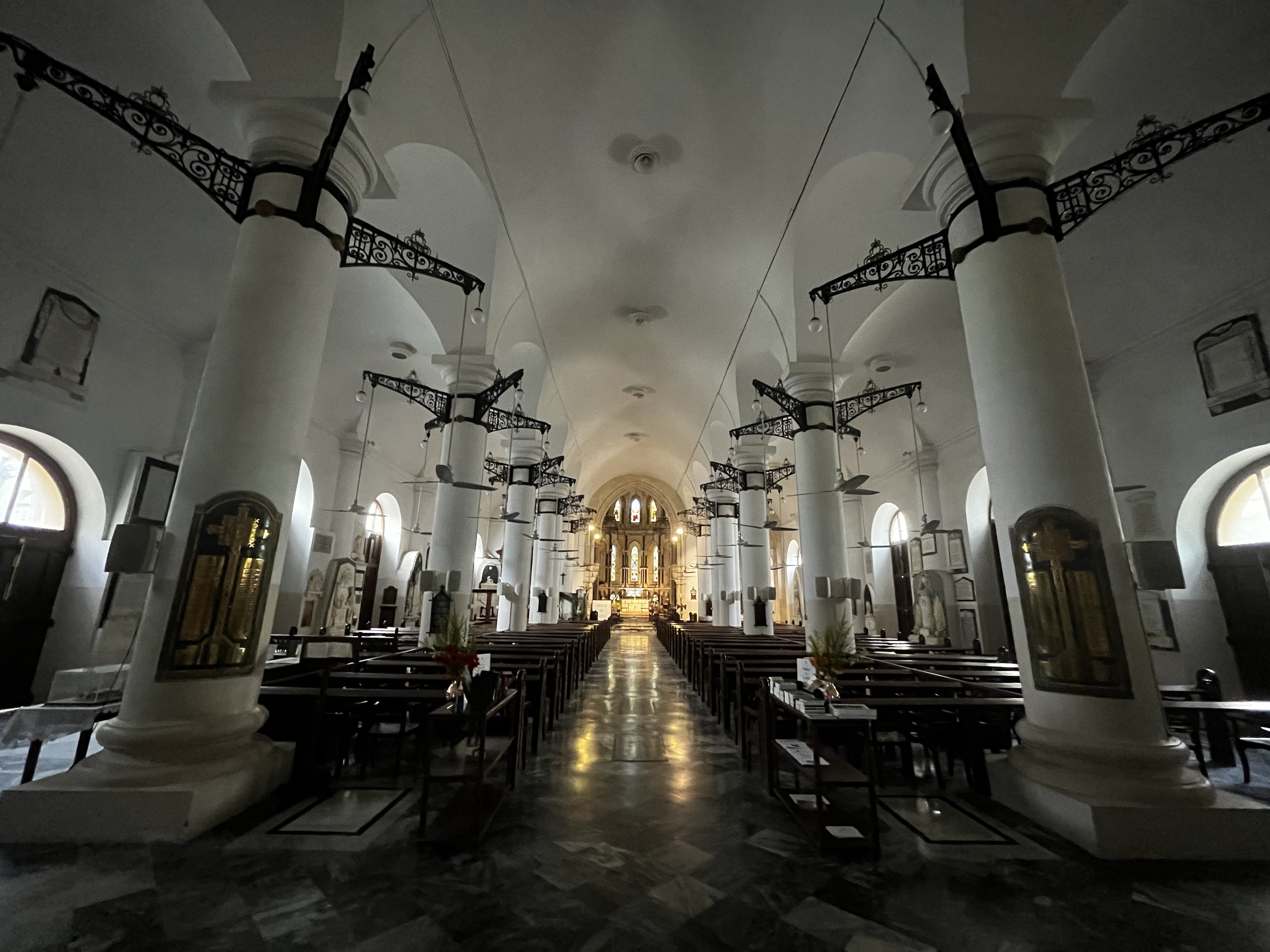
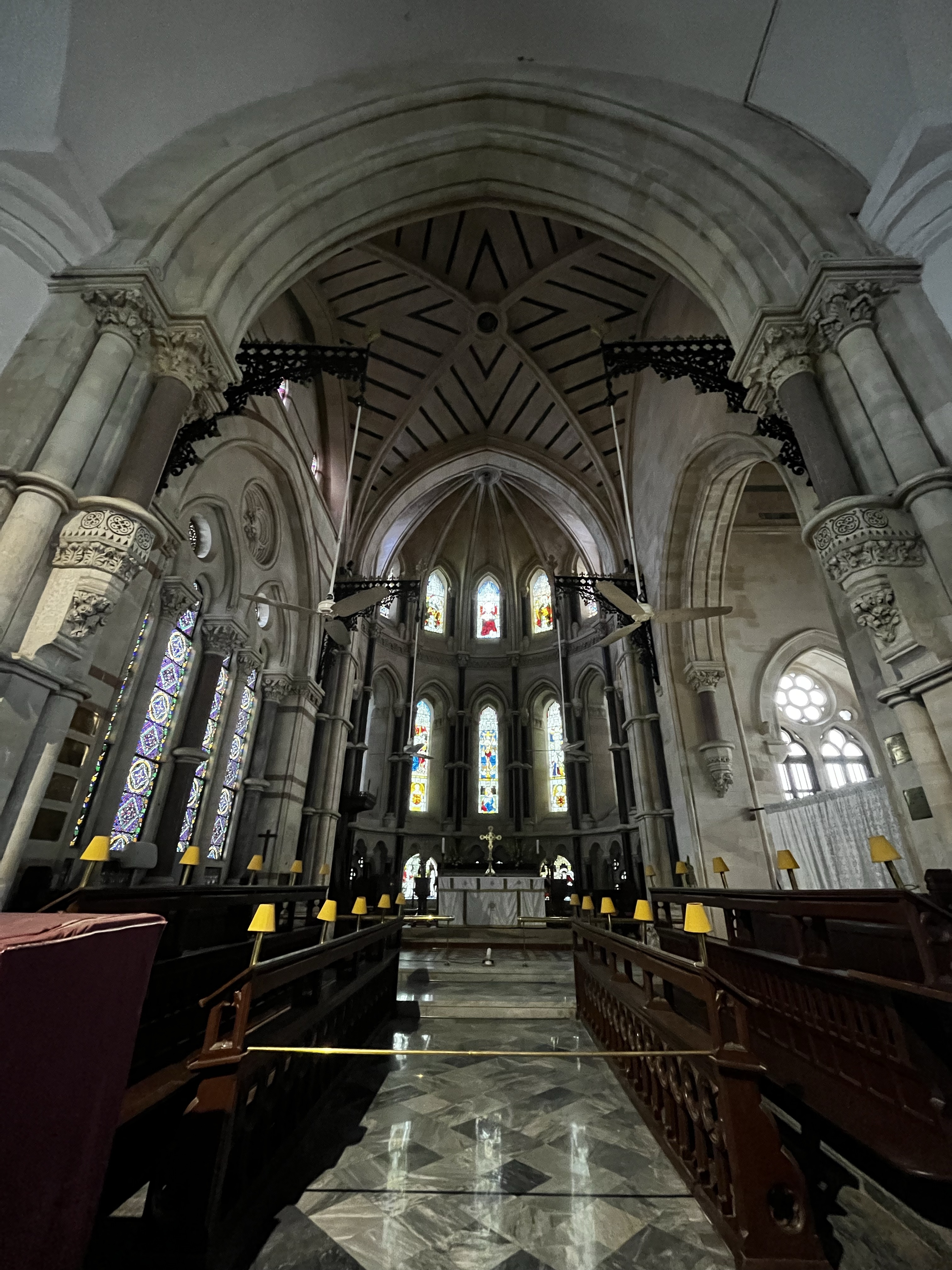
The British built large fortifications to protect Bombay and erected a church at the southern end of it. All of the fortifications have disappeared, but the 300-year old Saint Thomas Cathedral still stands. It came to be known as the Zero Point from where distances to all major roads and establishments were measured. The church’s foundation stone was laid in 1676 and open to services in 1718. It was the very first Anglican Church built in the country that will soon metamorphose into British India. The area near the cathedral is still called Churchgate.

Victoria Terminus
Bombay was originally a grouping of 7 islands that were hemmed together through land reclamation; the south side (often called the fort area), still has the most eclectic mix of architecture – from Victorian Gothic to Venetian Gothic to Art Deco, Edwardian, Palladian, Indo Saracenic and classic Roman.
From its northernmost suburbs to its southernmost tip, Mumbai stretches 45 kilometres, connected by local trains that tirelessly chug night and day, ending at Victoria Terminus (now called CST after the Maratha Emperor Chattrapati Shivaji).
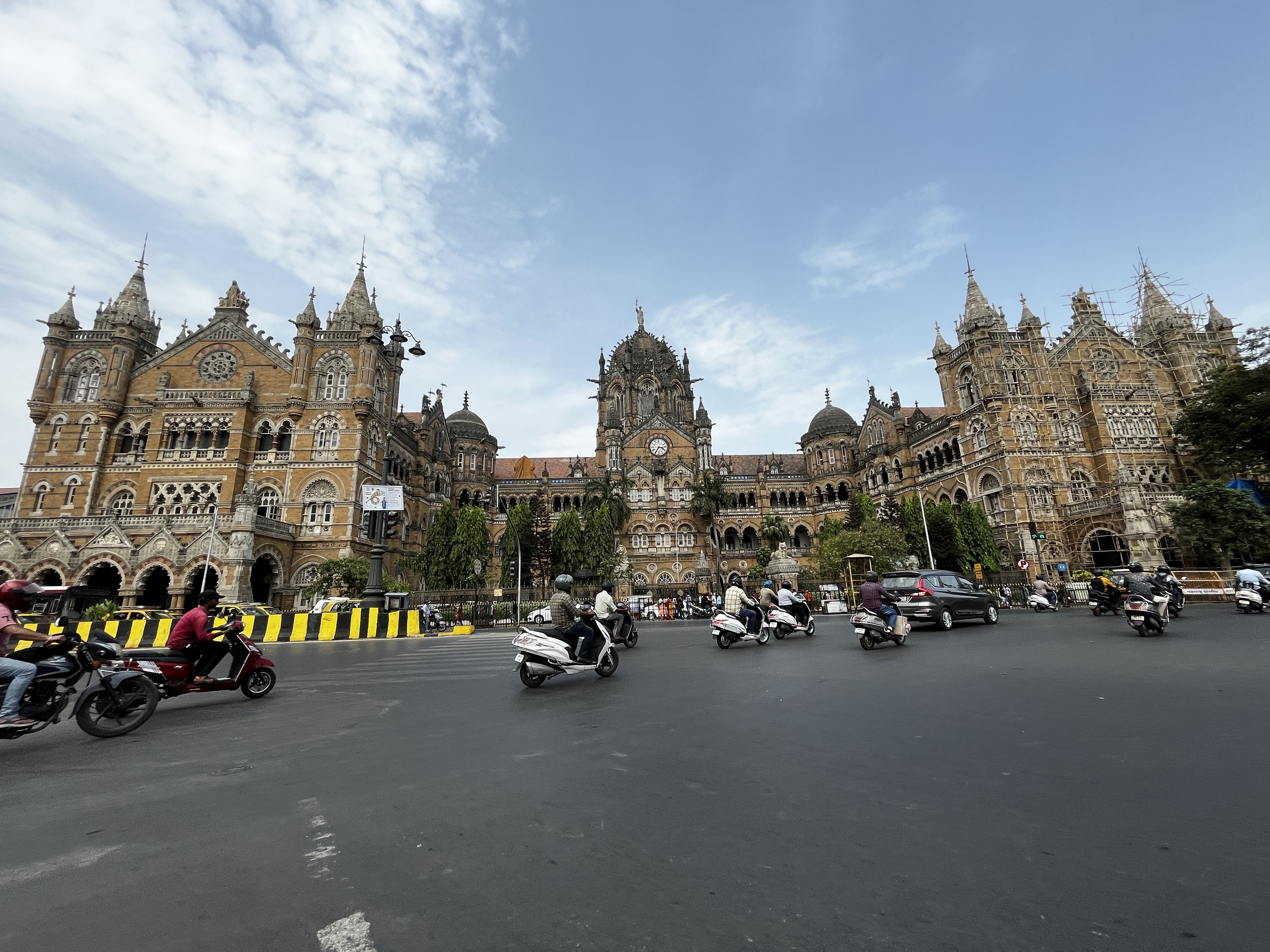
The Italian Gothic architecture was built in 1887 to mark the golden jubilee of Queen Victoria’s accession to the throne in 1837. It was headquarters to the great British invention and the emblem of industrial revolution – the steam engine.
With the railway, the British were able to connect all of British India – currently the countries of Pakistan, Afghanistan, Bangladesh, Myanmar (Burma) and Sri Lanka (Ceylon). The railways were also exported to British Malaya where some of the architecture bears resemblance to Indo Saracenic form of architecture like the Ipoh railway station.
Bombay, the Bhel Puri way
Unlike Delhi, which is dotted with Mughal architecture, Bombay’s character is marked primarily by the traders it attracted – Zoroastrians from Persia, Sindhis from Pakistan, Baghdadi Jews from Basra, as well as the British, Scotts, Irish, the Portuguese, Arabs and the Chinese. Each of them shaped the city’s history in myriad different ways, giving Bombay’s architecture a Bhel Puri heritage, a tangy and sweet concoction comprising puffed rice, vermicelli-like threads, tamarind sauce, raw onions mimicking its street culture, peanuts and fried bread (puri).
The Persian connection

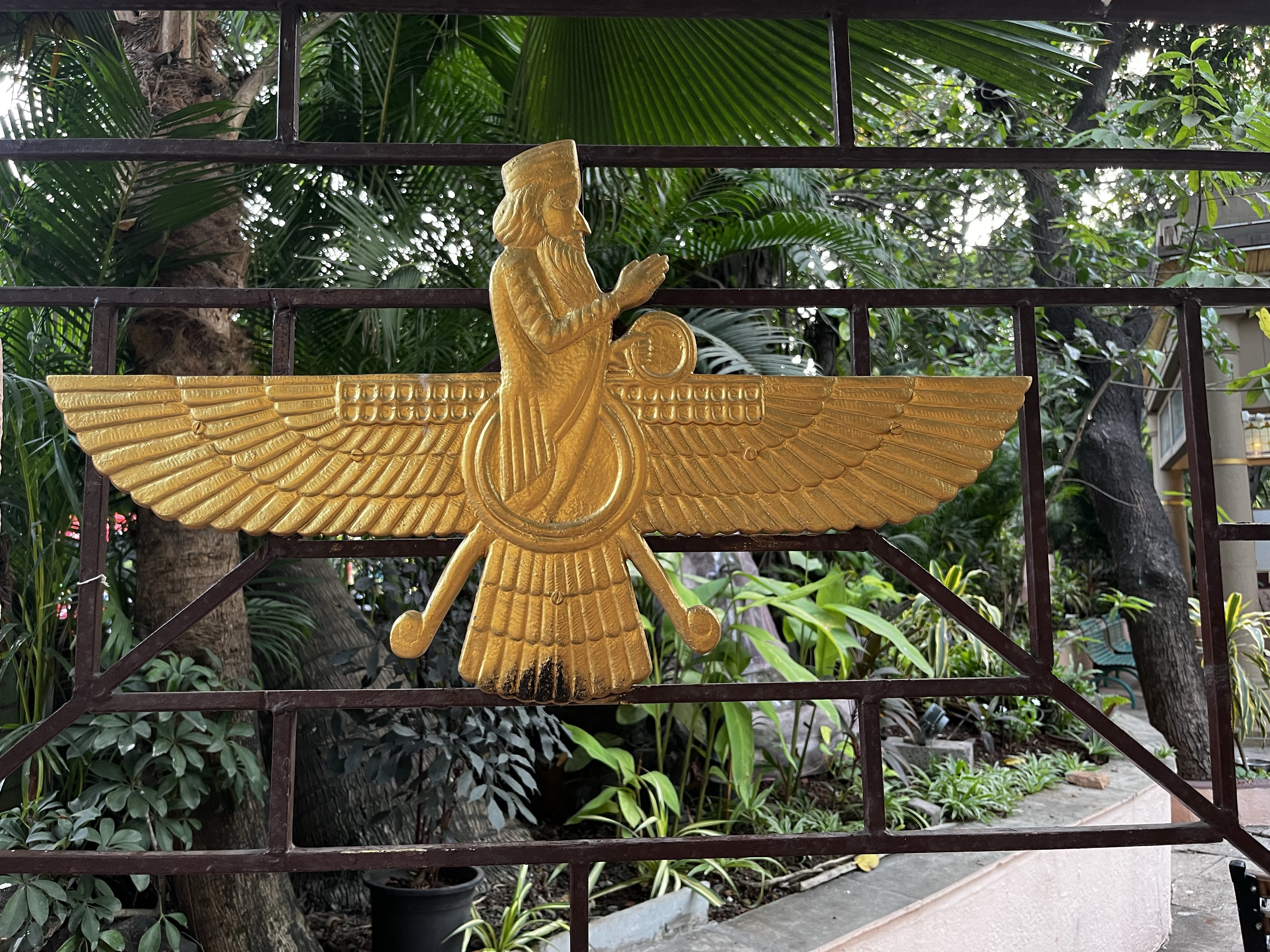
Bombay, or India as a whole, owes a debt of gratitude to the Parsis or the Zoroastrians who sought refuge in India after facing persecution in Iran (then known as Persia). Even today, some of the most successful businesses like Tata, Godrej, Wadia and Poonawala – the person behind the Covid vaccine development in India, belong to the Parsi community, who have made an indelible mark on their country of adoption through arts, culture, medicine, law, and of course philanthropy.
Jamsetji Tata, the founder of Tata Group is known to be the world’s most charitable donors, outshining the likes of Bill and Melinda Gates. The eminent, Ratan Tata, who passed away in October 2024, is another prominent example of a Parsi who gave India so much, including the Taj Group of Hotels, Tata Consultancy, Tanishq Jewellery, Titan Watches, Tata Housing as well as Tetley Tea and Jaguar cars.
Baghdadi Jews in Bombay
Another set of migrants to the city who escaped persecution and found refuge in Bombay, were the Baghdadi Jews. The Jewish community in India were originally from Babylon and settled in Basra in Iraq serving the Ottoman Pashas. Skilled traders, they spoke fluent Arabic and also picked up Hindustani. They became perfect go-betweens to the British and the local Muslim community.
Just like the Parsis, the Baghdadi Jewish community too adopted Indian ways of wearing sarees, speaking local dialects and contributing to the society. Known as Bene Israel, many were an integral part of Bombay’s film industry, its literary elite and of course, the originators of the beloved Irani bakeries that have made flaky khari biscuits and buttered bun or the brun maskas a morning staple with the daily paper.
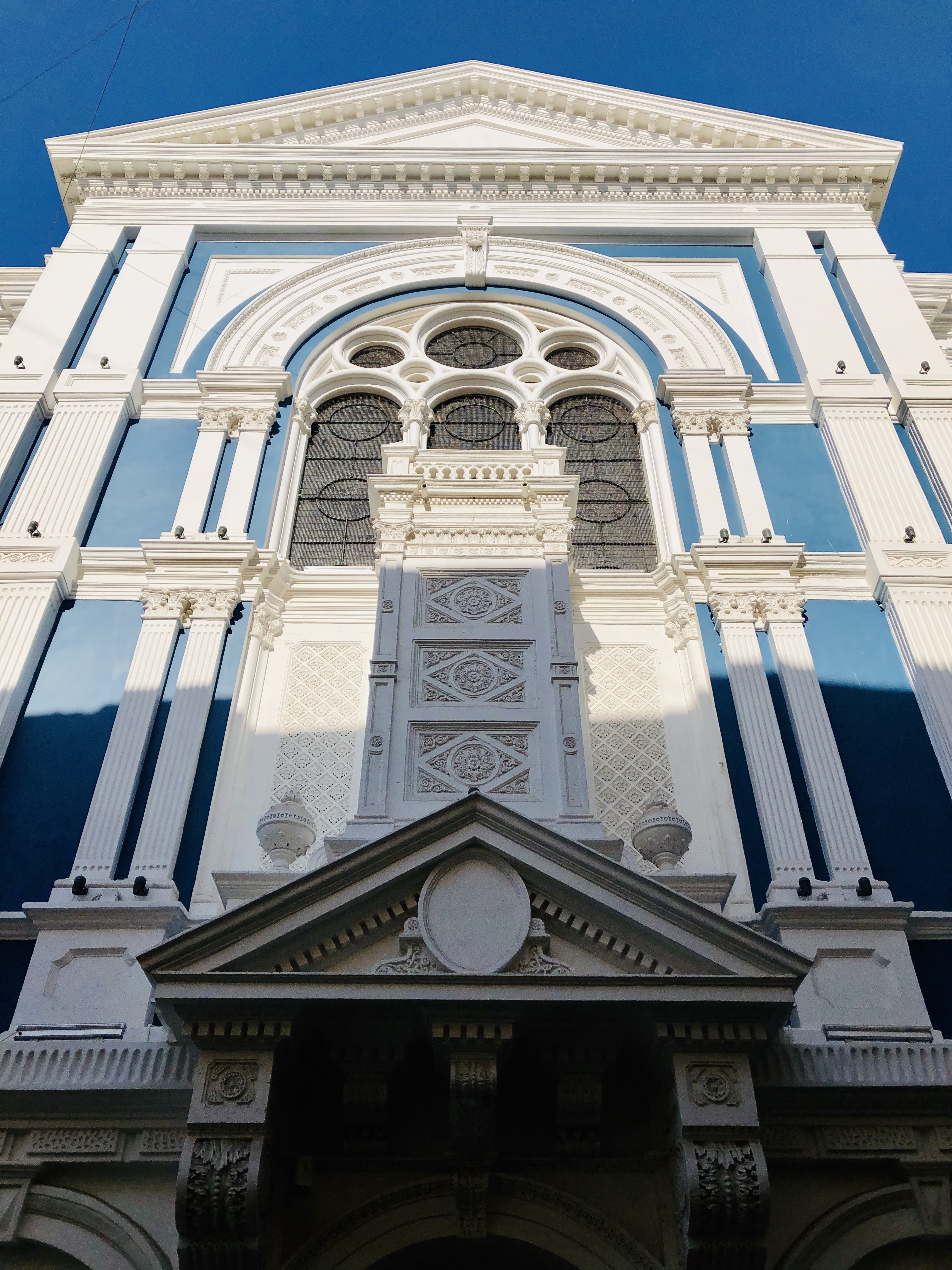
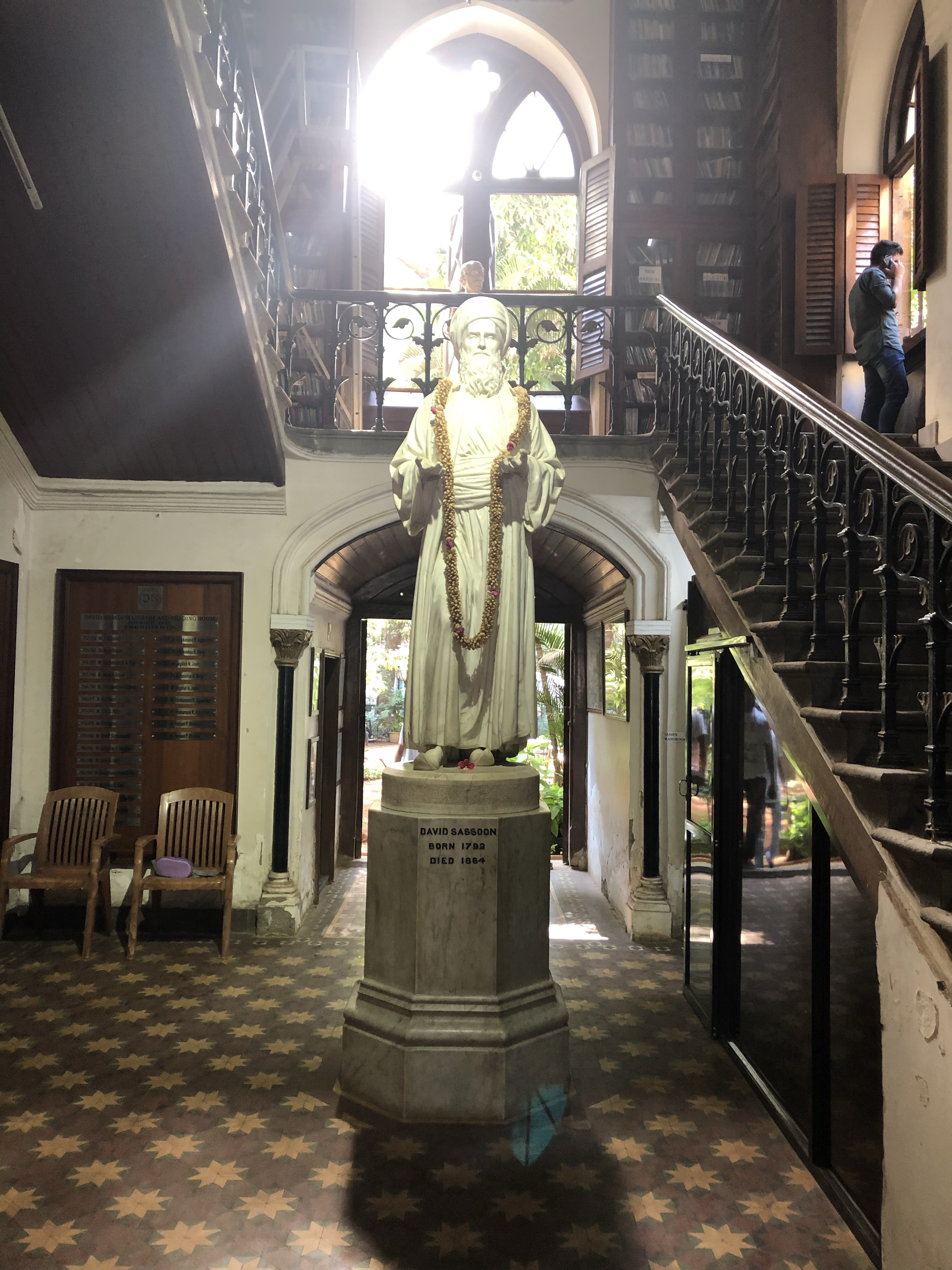
David Sassoon, an eminent Baghdadi Jew who served as the treasurer to the Pashas, came to Bombay via Surat in Gujarat to serve the British East India Company. From Bombay, many Jews migrated to Burma, Malaya, Singapore, Hong Kong and China, where they built hotels like The Peninsula and the Sassoon House.
A library with Mussolini connection
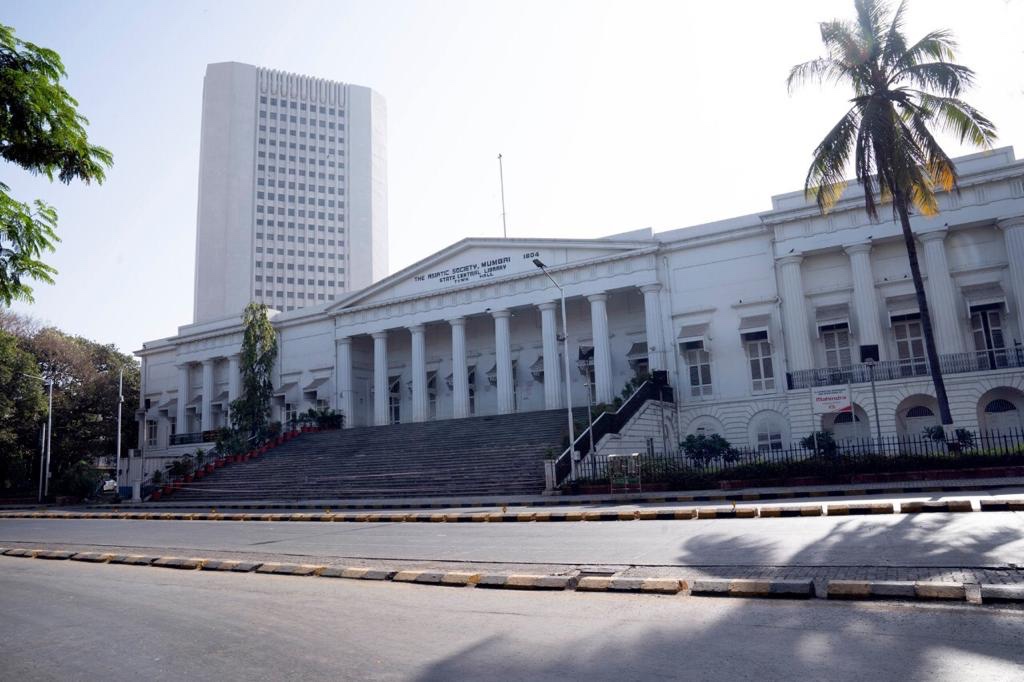
Yet another eminent library in Bombay is the Asiatic Society which was built in 1833 in Neo Classical style borrowing from the Grecian and Roman Palladian architecture. Dedicated to the learning of ancient Indian culture and civilisation, the Asiatic Library has among its collection, Dante’s Divine Comedy, which Mussolini once offered to buy for £1 million. It is safely kept in the library’s vaults.
Prince of Wales visit to India
Although Queen Victoria was the Empress of India, she never visited the country. The first monarch who travelled to India was Edward VII Prince of Wales. He arrived in 1875 in Bombay and travelled to Delhi by train.
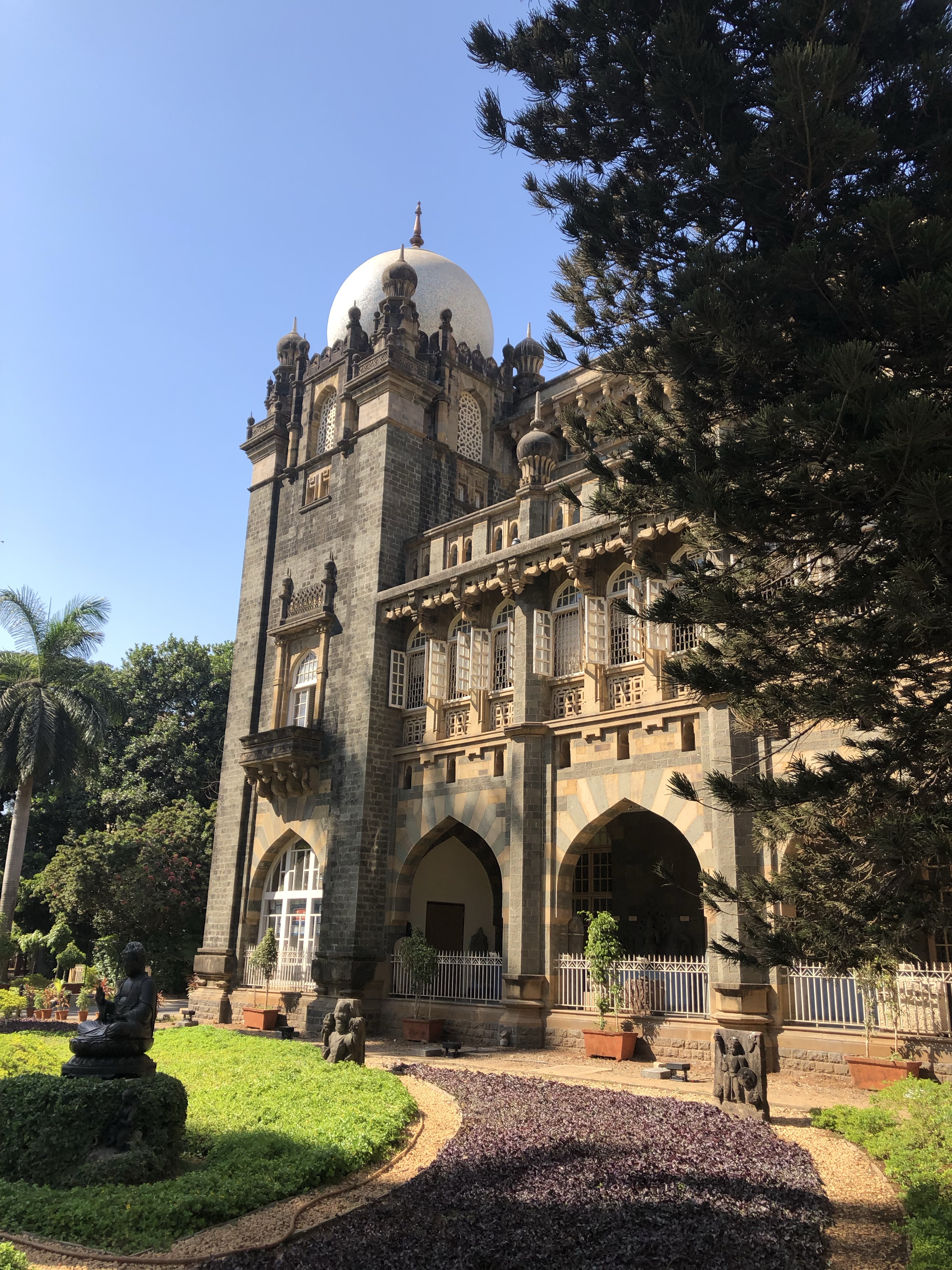
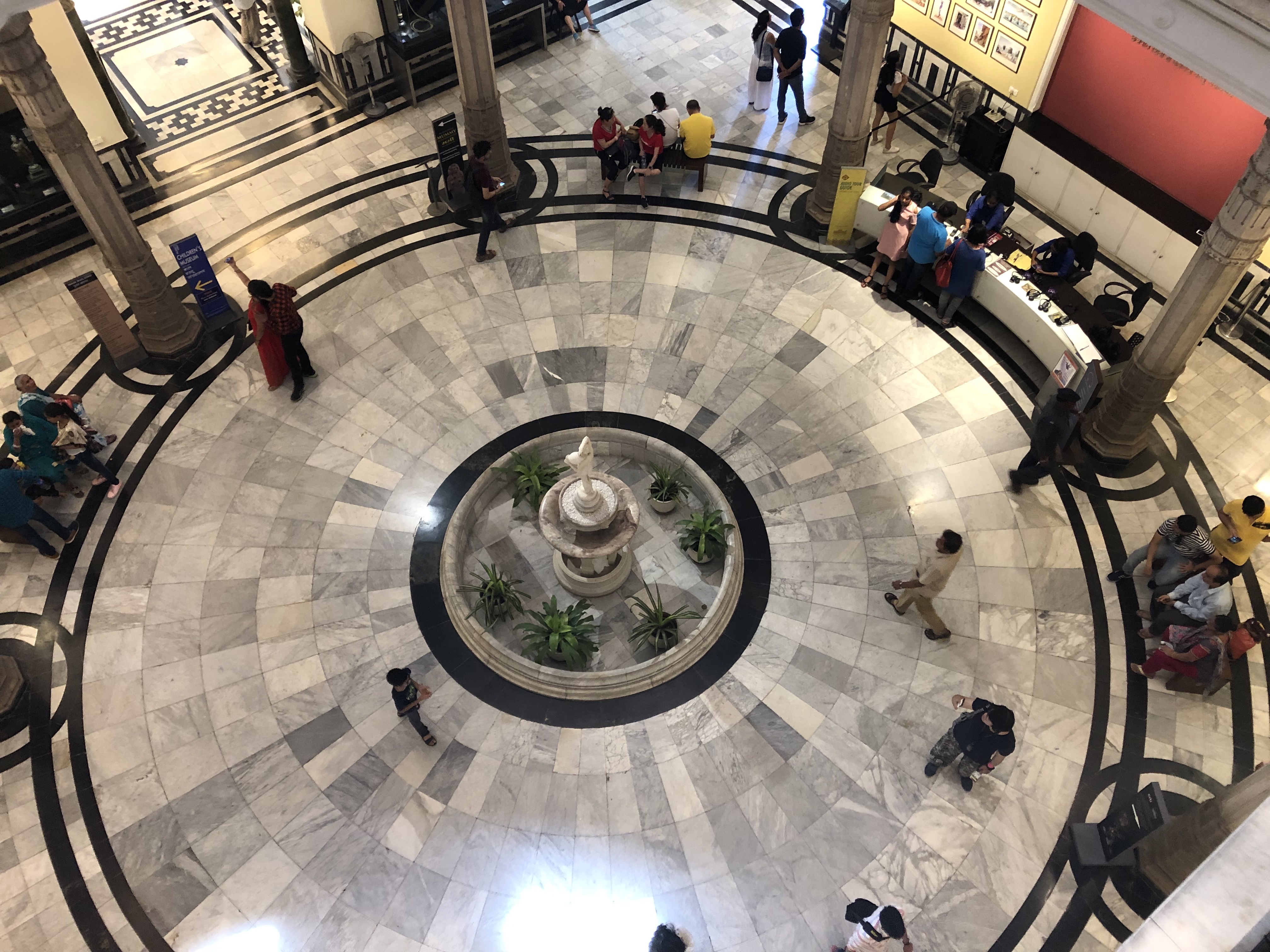
To commemorate King Edward’s visit to the then Bombay Presidency, architect, George Wittet was commissioned to build the Prince of Wales Museum. It was funded by the municipality and local businessmen.
Gateway of India

Perhaps the most admired landmark in Bombay is the iconic, Gateway of India. Designed by Scottish architect, George Wittet, it was commissioned in 1914 and completed a decade later. The memorial arch was erected to commemorate the arrival of King George V, who visited India in 1911, although the emperor only got to see a cardboard model of the monument.
George Wittet combined Roman triumphal arch design with the locally prevalent Islamic architecture, which is called the Indo Saracenic. The monument also became a triumphal arch signifying the conquest of India, then called the jewel in the British crown.
Bombay University
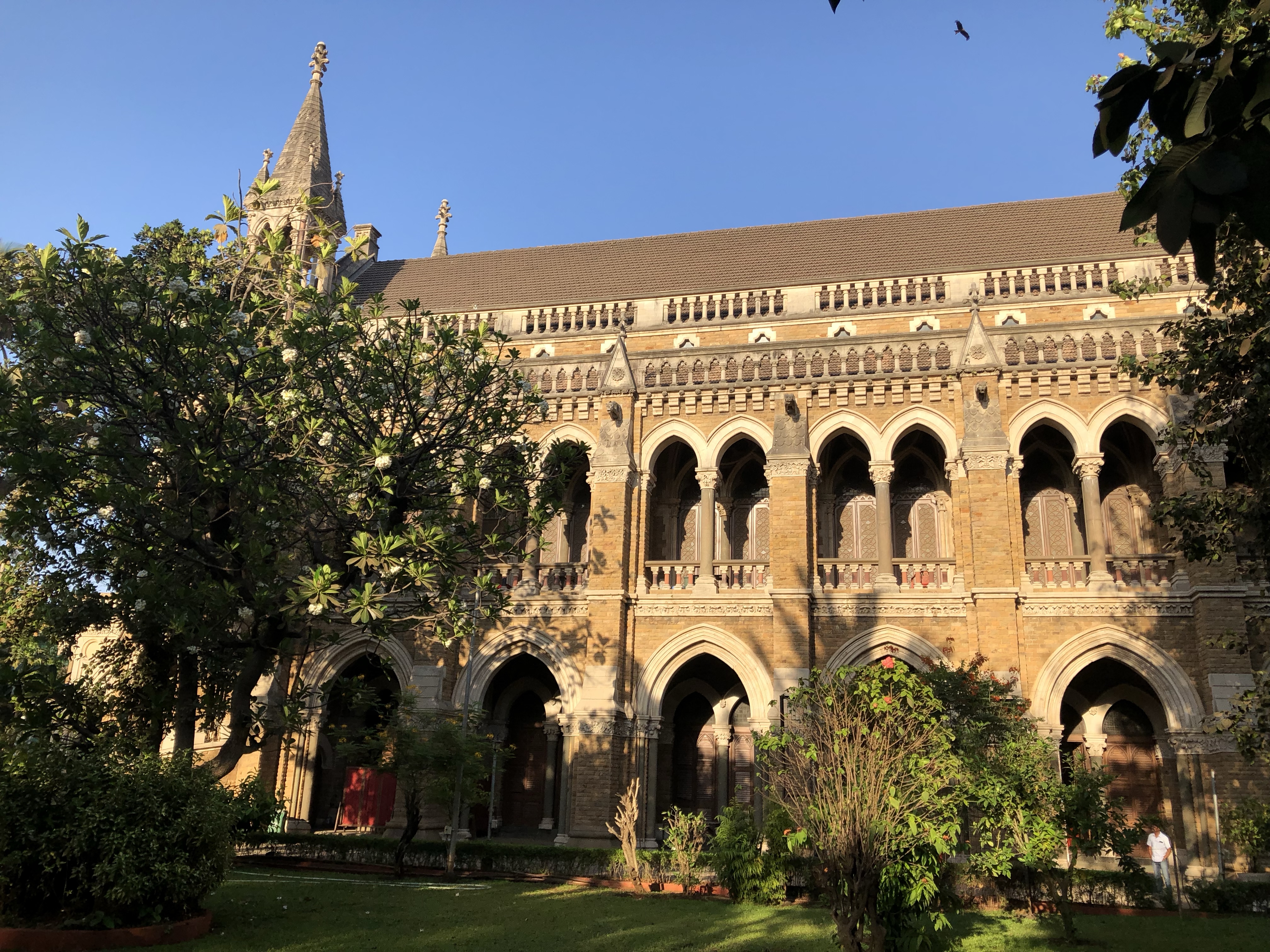
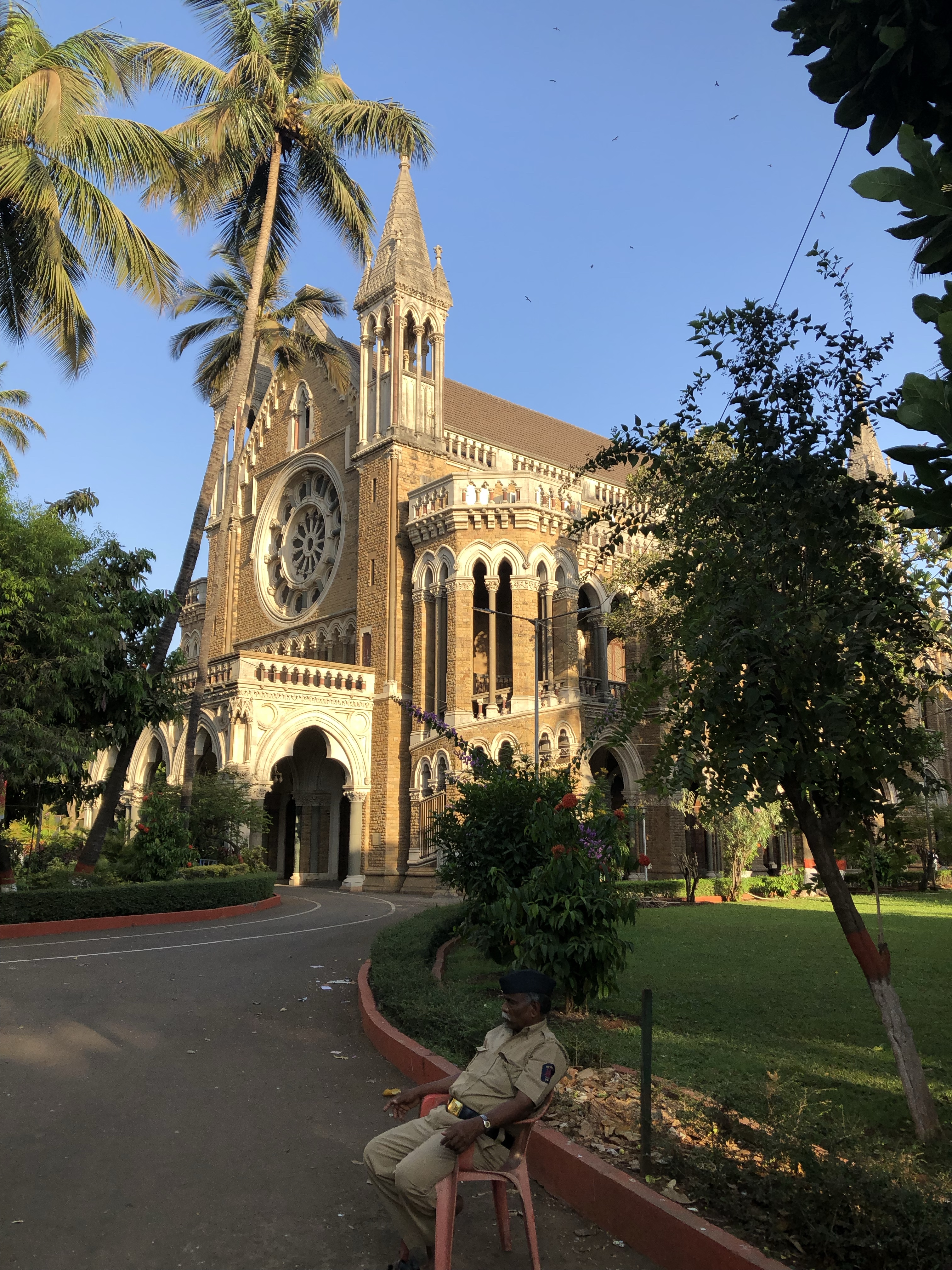
Bombay University was modelled after University of London; the adjacent Rajabhai Clock Tower too resembling the Westminister Palace. Built between 1869 to 1878 in a Venetian Gothic style, the stonework and masonry was done in the prestigious J. J. School of Arts. Incidentally, on the campus of J J School of Arts, stands Rudyard Kipling’s ancestral home. Kipling’s father was the first principal of the architecture school.
Bombay Municipal Corporation
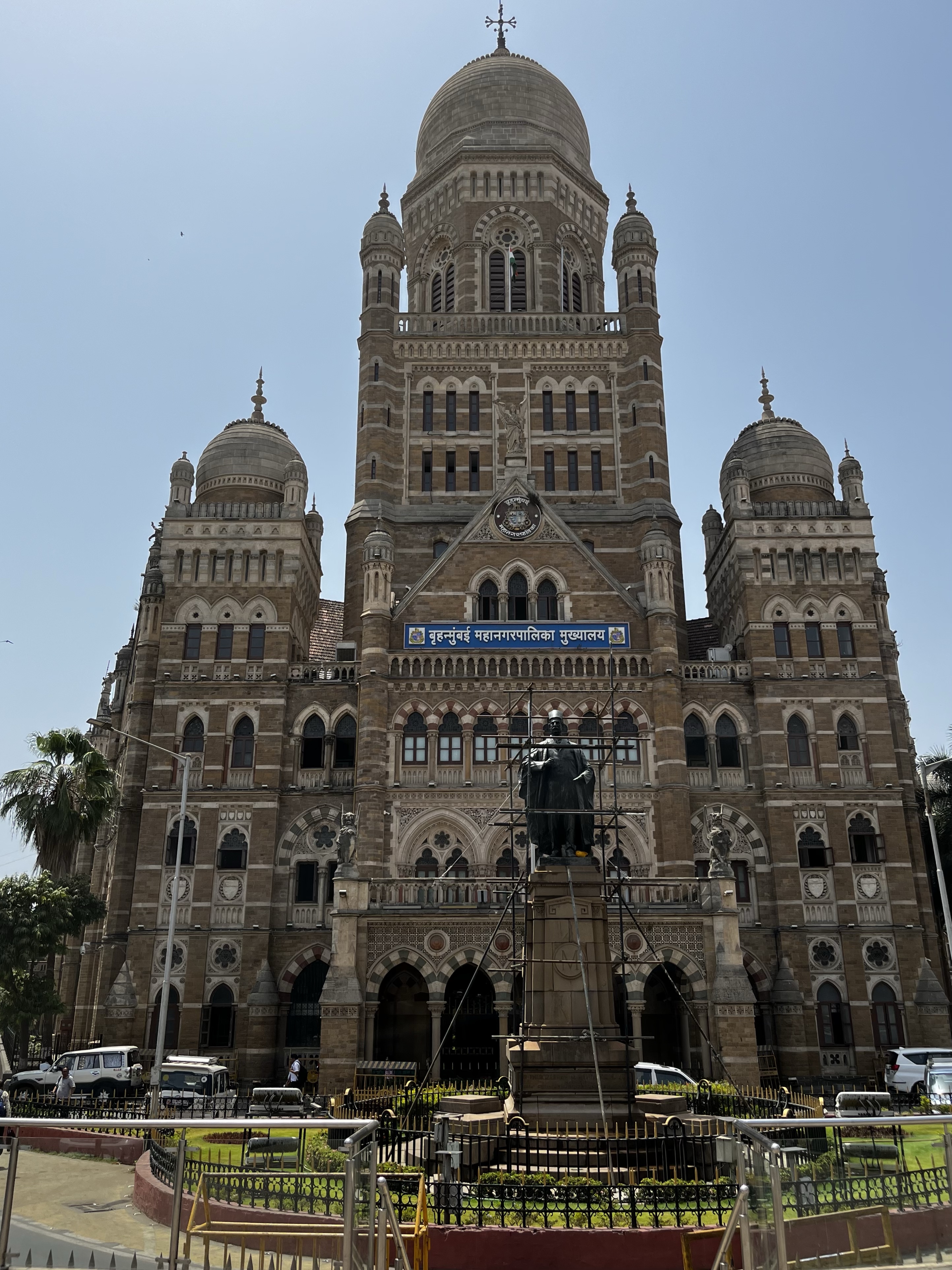
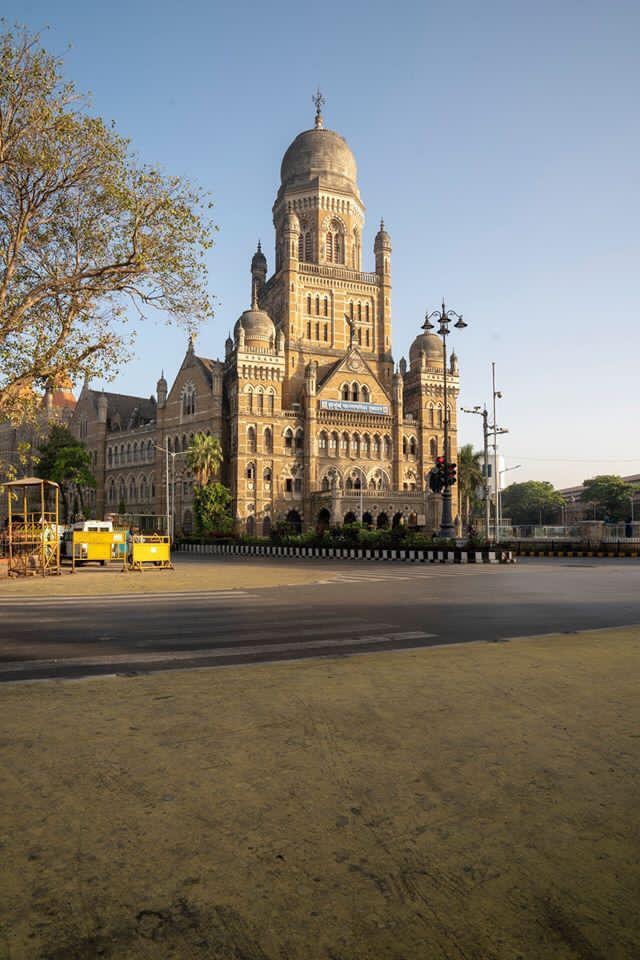
Another stunner of a building is the BMC, now called Bruhanmumbai Municipal Corporation.
Built in the typical Bhel Puri design, the architecture combines Gothic and Indo Saracenic style with gargoyles, tall arches, minarets and cupolas, blending Mughal era and Victorian style in a uniquely vernacular manner.
Standing right opposite the Victoria Terminus, the BMC building too was designed by the same architect of the train terminus: Frederick William Stevens.
Other architectural gems


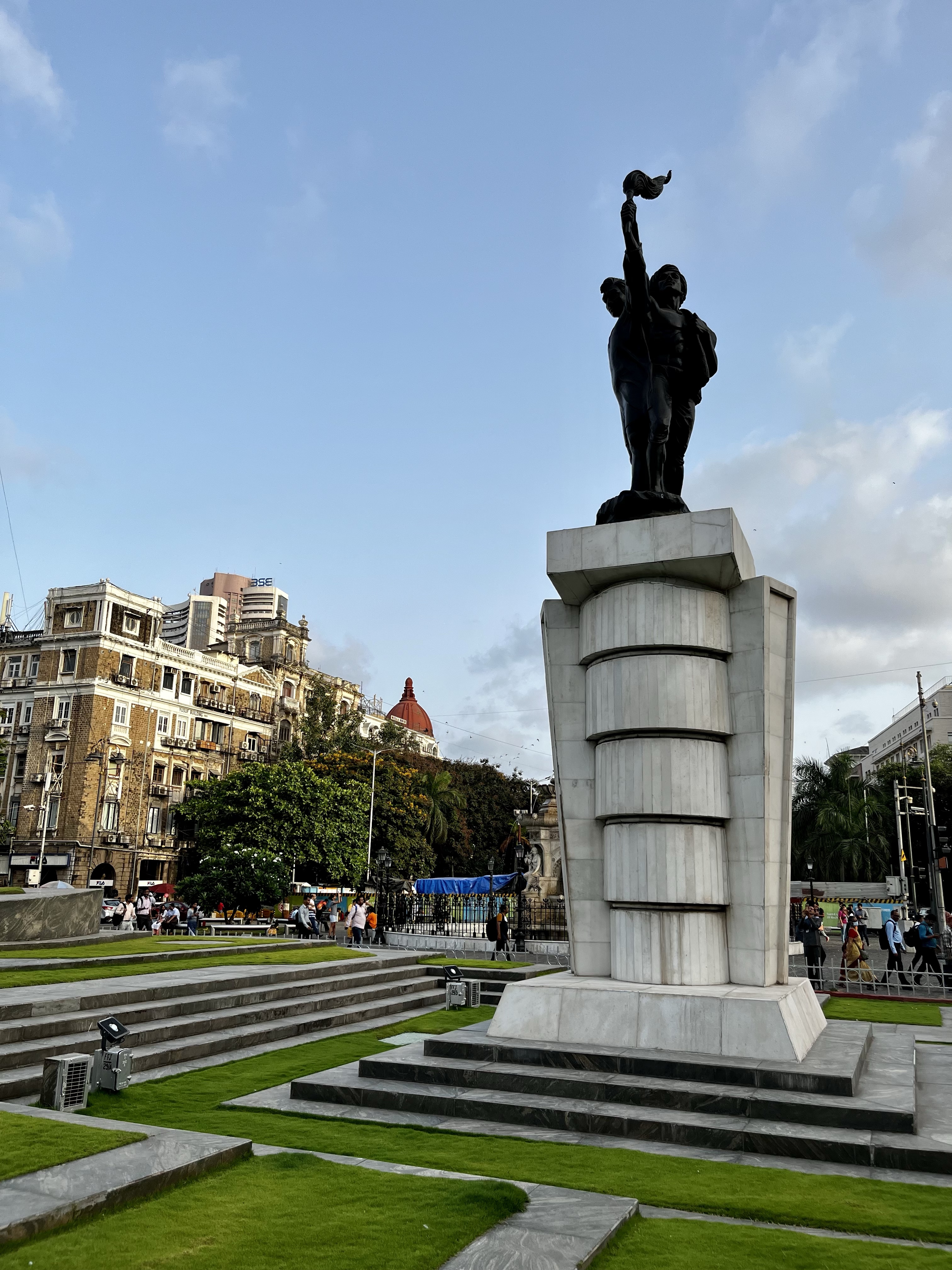
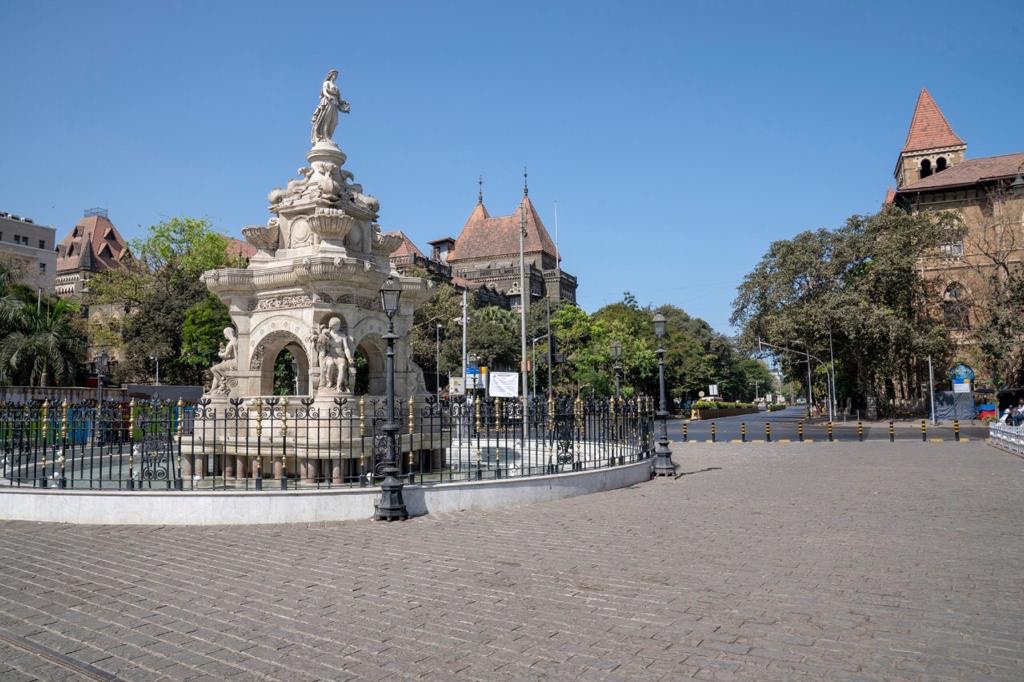
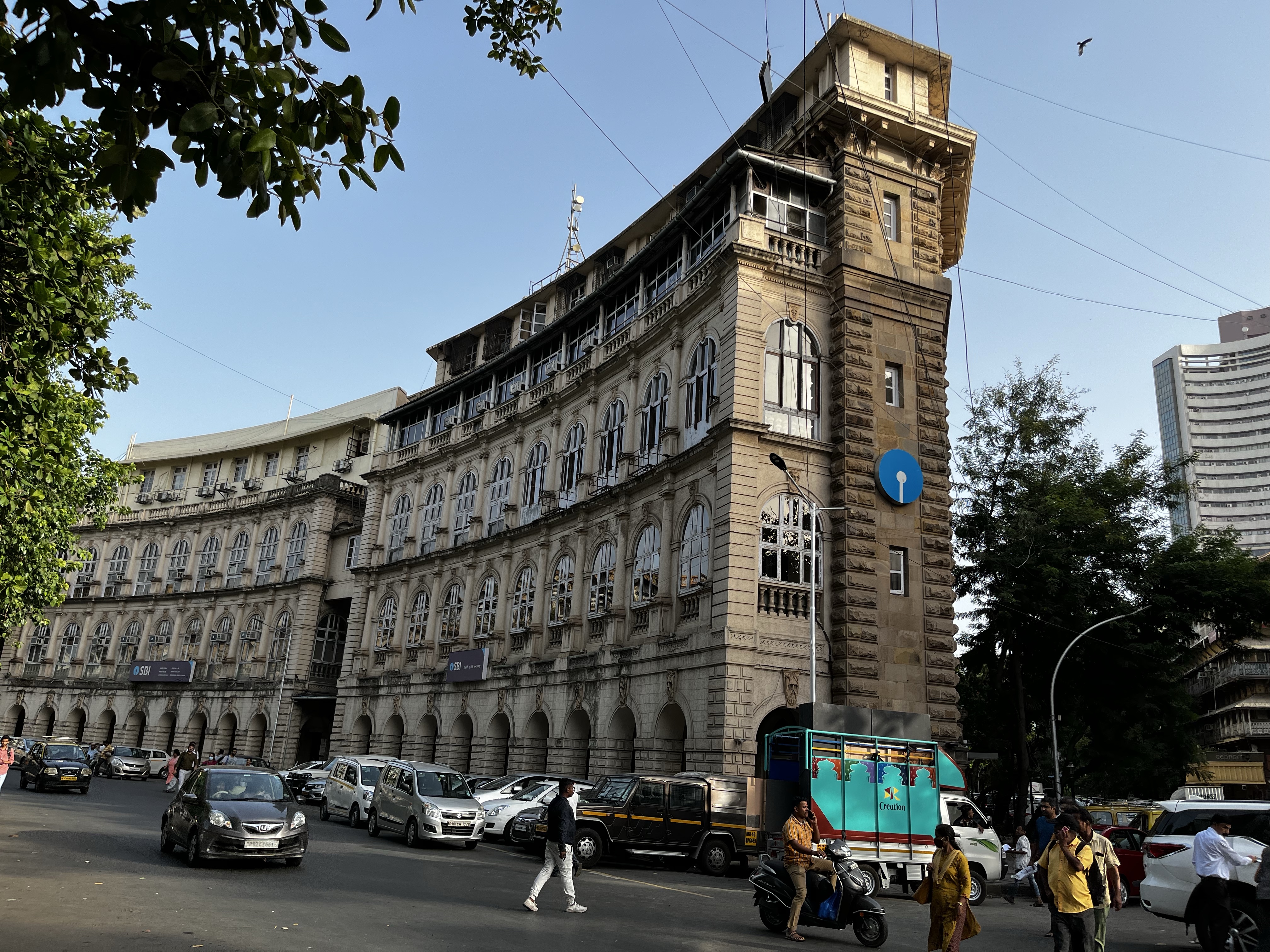
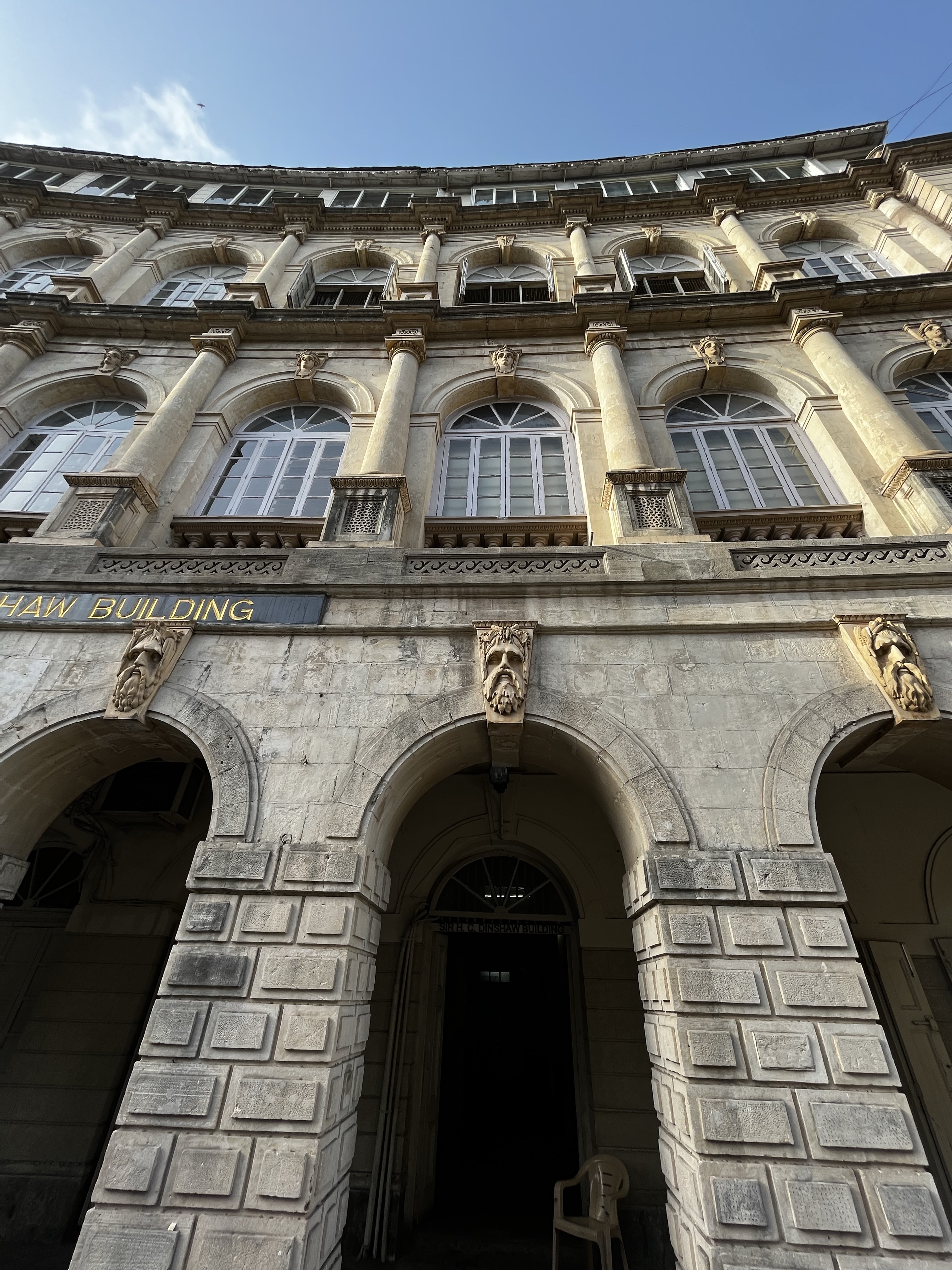
By the beach
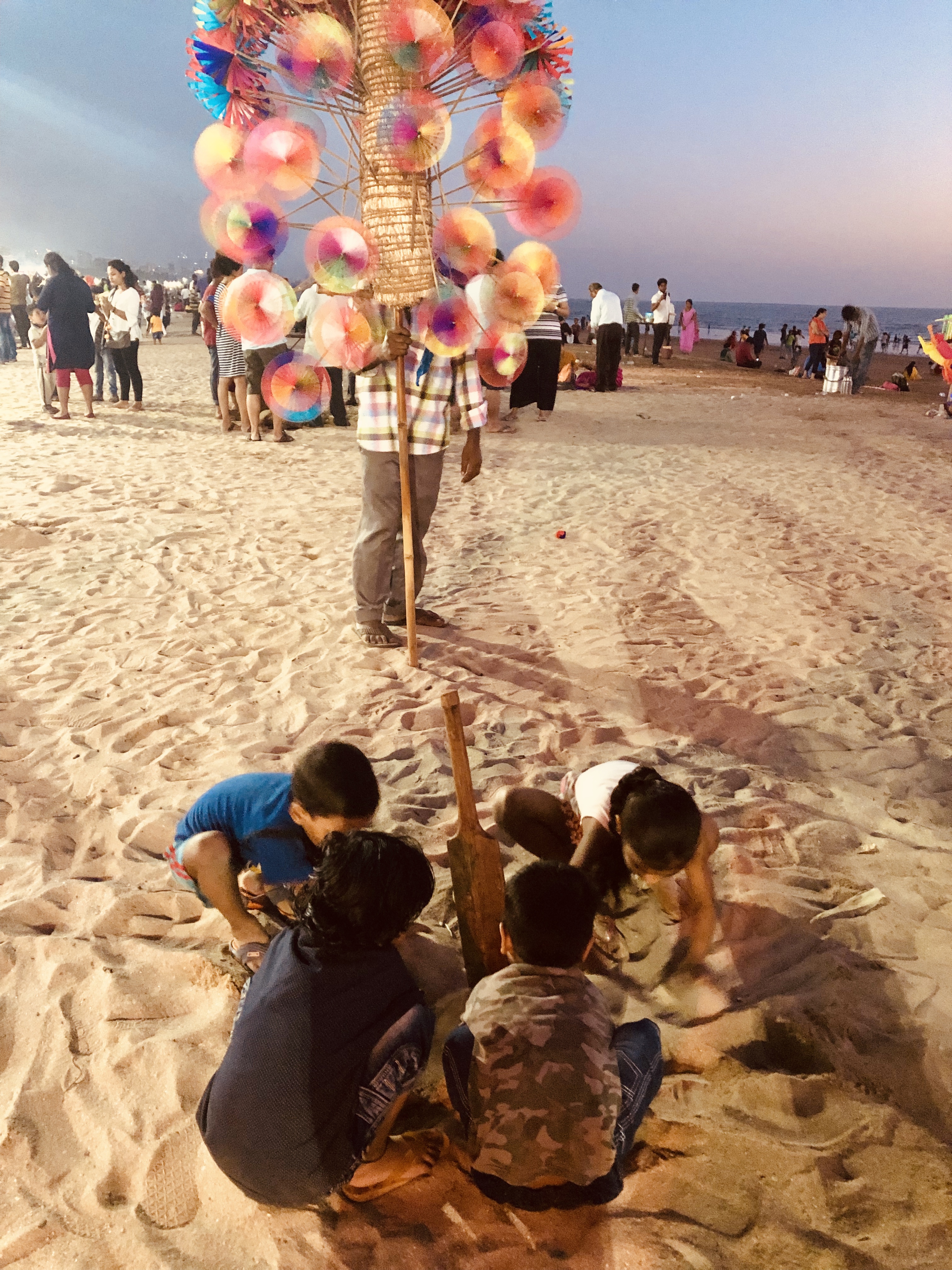
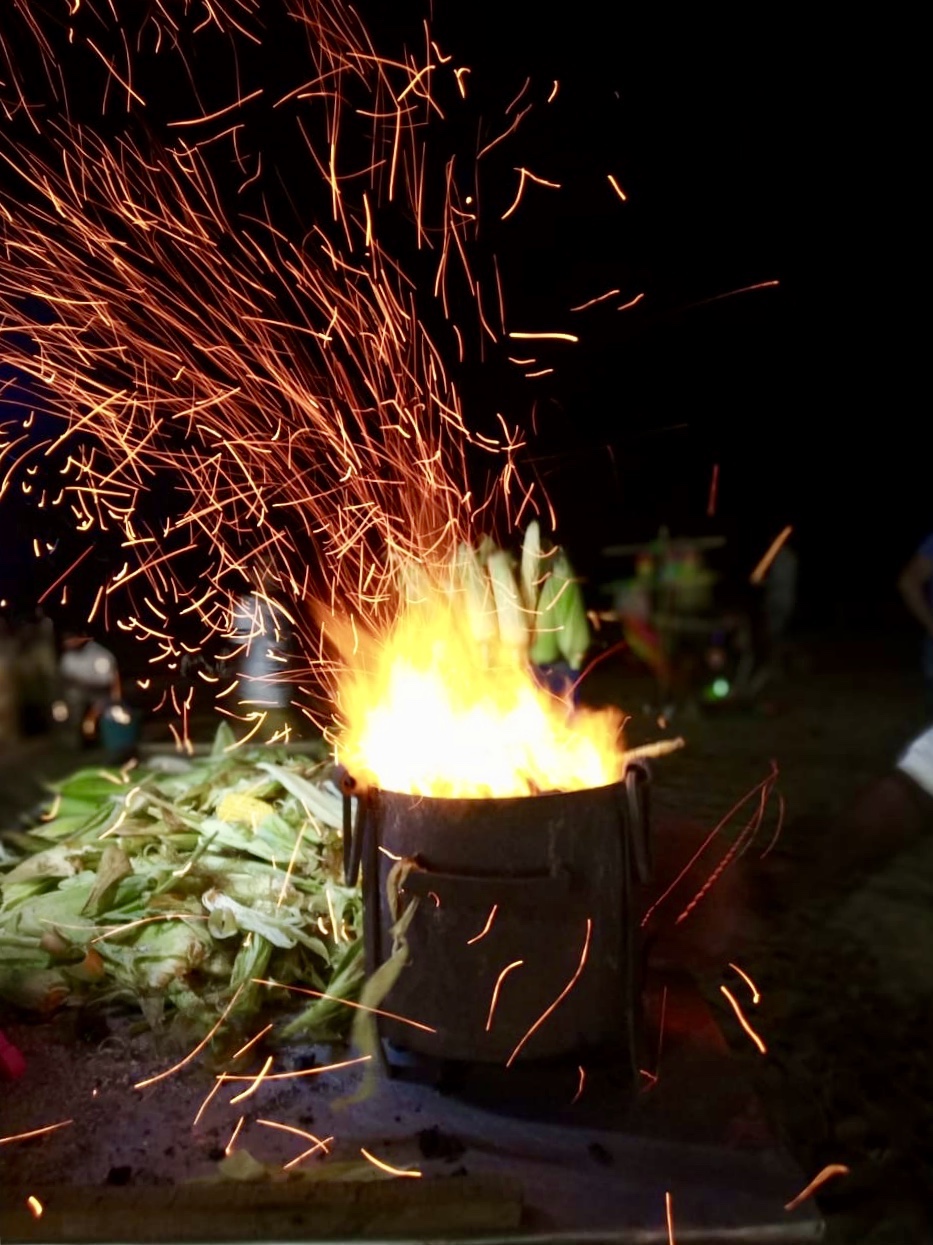
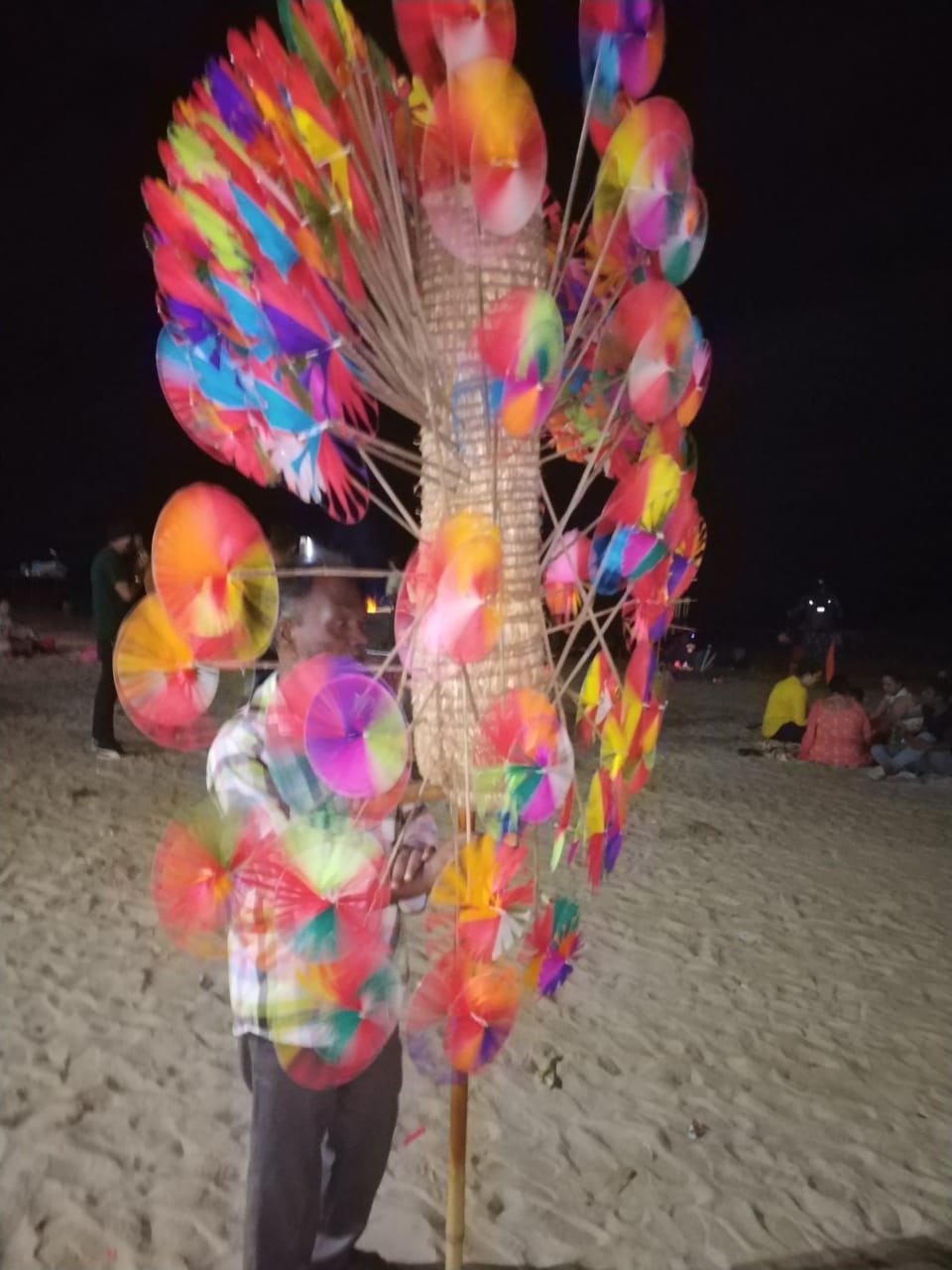
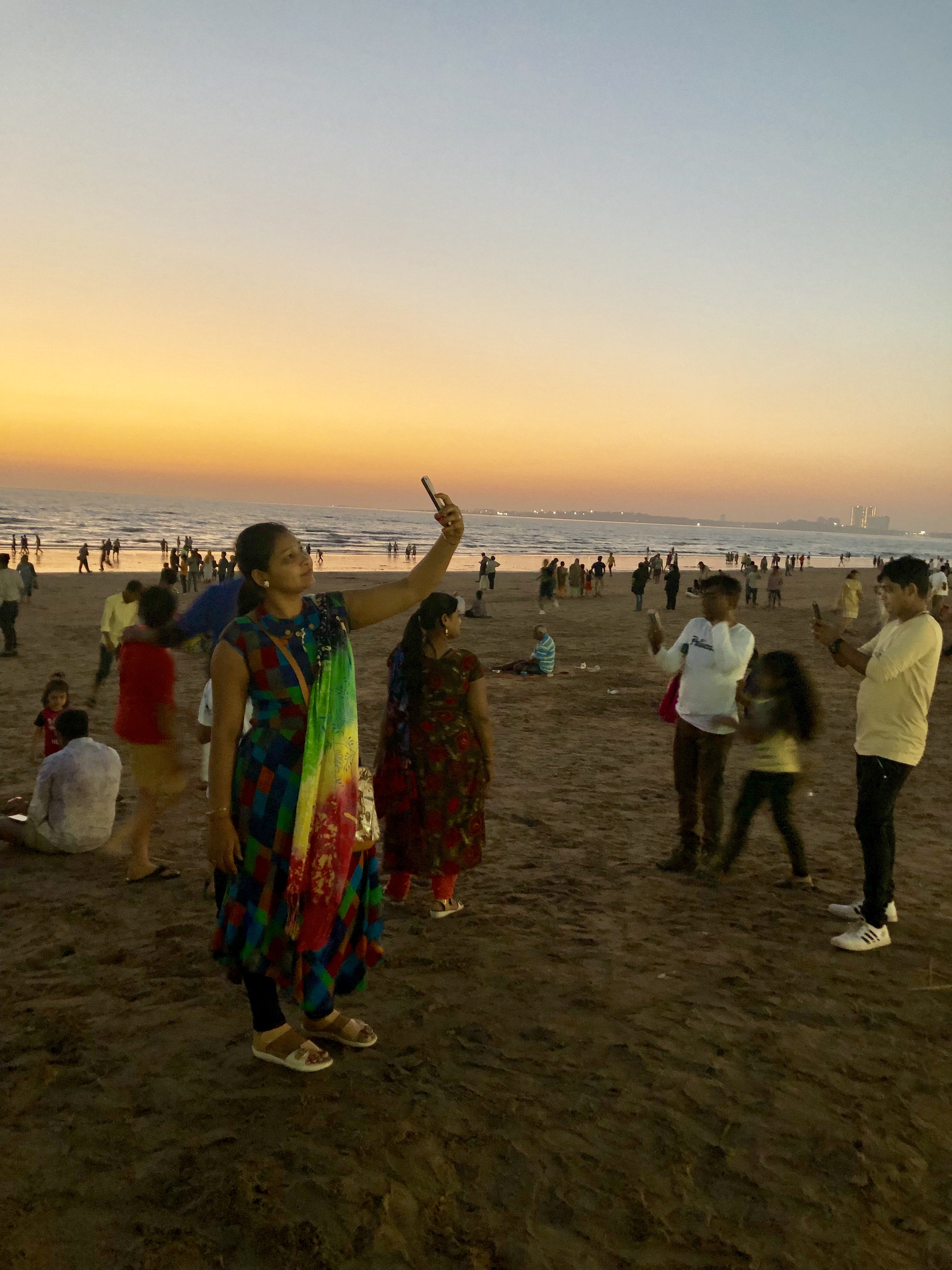
As you pan back from history, you realise, the one great unifier is the Arabian Sea – the long stretch of beach that brings the people of Bombay together to watch sunsets, snack corn on the cob, play in the sand, savour the shaved ice lollies and breath in the salty breeze.
You can choose Bombay for its rich and layered history or Mumbai for its beaches and local ways of life – in between these two eras lies a city that has so much to give; kindness above all else.
Here’s a poem by Rudyard Kipling to his city of birth.
To the City of Bombay
(Dedication to The Seven Seas)

The Cities are full of pride,
  Challenging each to each—
This from her mountain-side,
  That from her burthened beach.

Mother of Cities to me,
But I was born in her gate,
Between the palms and the sea,
Where the world-end steamers wait.

Her power is over mine,
  And mine I hold at her hands!
Such a melting pot of everything…. Different religions, architecture, cultures etc. Thanks for showing me this city!
Cheers Anna. Appreciate the comments. They do give me a boost. Side perks of travelling for work.
Oh you are so lucky to get to experience places through work. Even if only for a few days its better than nothing!