Breakfast in every Bhutanese home consists of nutty red rice, red chilli paste called Eezay and butter tea called Suja. The red chilli paste is so fiery that it is bound to burn a hole in your stomach. For a country with mild-mannered people, it is amazing the amount of chilli they consume with apparent ease.
Chilli for the Bhutanese is not a seasoning, but a main vegetable. Their national dish, Ema Datshi made with chilli and cheese is a part of their daily staple. Dry red chillis, green or ripe red ones are mixed with local cheese from cow, goat or yak and cooked together with onions and tree tomatoes and eaten with red rice.


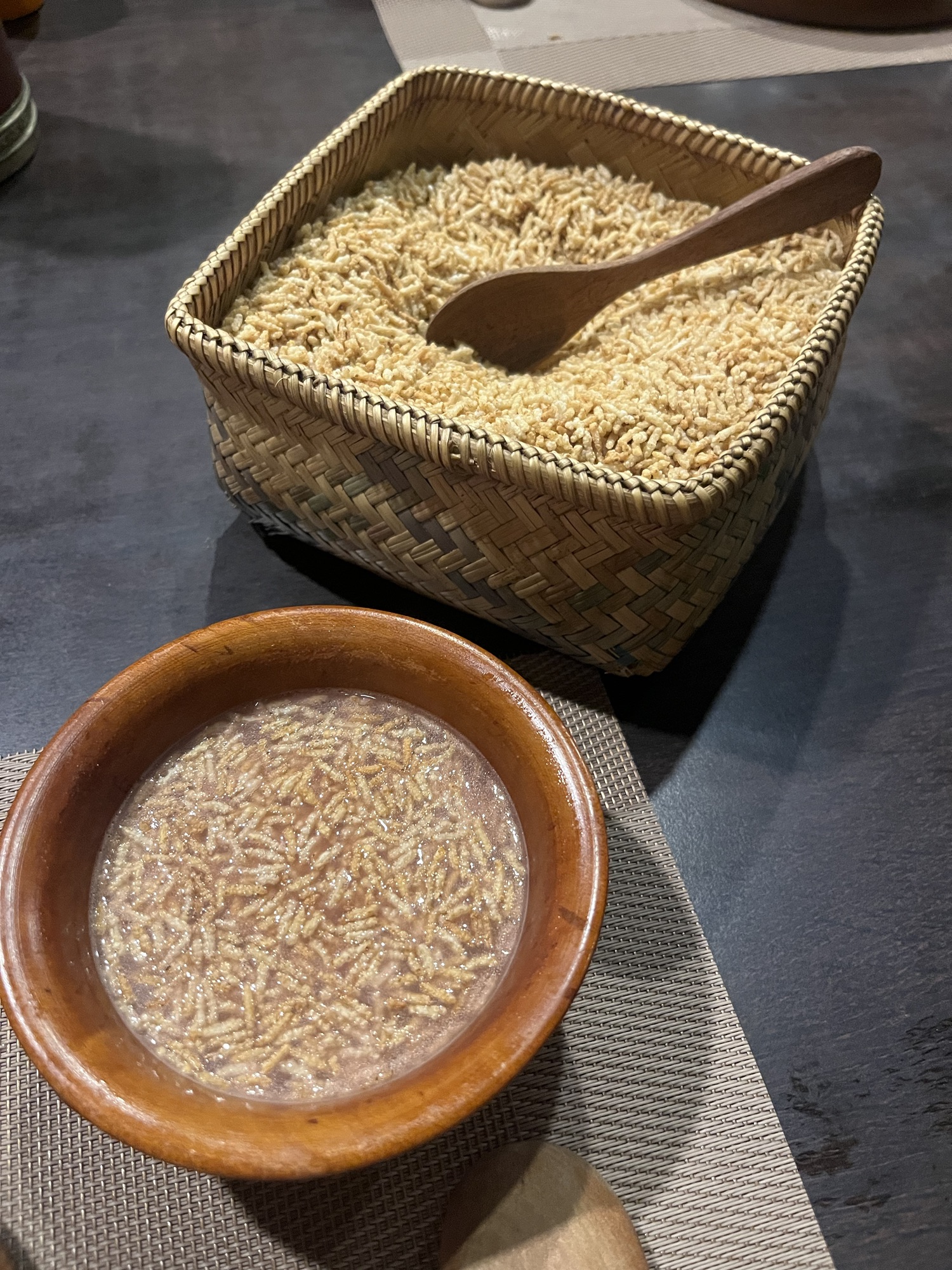
Every traditional Bhutanese meal begins with cups of pink-coloured butter tea or Suja and basket of Zao or roasted puffed red rice which you spoon into your tea.
The idea of savoury tea may not sound too appealing but it grows on you with every sip. Butter and salt is added to traditionally brewed tea and churned until it turns frothy. Served in small wooden cups, topped with Zao, it is crunchy and wholesome. Be assured you’ll love it.
Momos in Bhutan are made of yak cheese, yak meat or beef, accompanied with at least 3 kinds of the fiery Eezay and clear soup which you are meant to season with the red chilli dip. The local way of eating is to hold the tip of the dumplings with your thumb and forefinger, dip them in the Eezay and bite into the Momos or put the whole thing in your mouth. Follow it with the clear soup and wait for your senses to explode. To stop eating is not a choice your taste buds will offer.

Thukpa is another staple in the Bhutanese households. Originally Tibetan, like Momo, the wholesome Himalayan broth is made with buckwheat noodles, red rice, meat and truckload of vegetables, seasoned with local herbs and cooked in chicken broth, presenting an intense melange of flavours.
Bhaley or Bhutanese bread is another creation from buckwheat which is no bigger than a cookie and served with steam rising out of it. Golden hued, with notes of sweet and savoury, it is served with fresh unsalted butter. Take a Bhaley, slather it with indecent amount of butter, dip into a gravy. Hang onto a few precious moments for the bread to soak up the juices before biting into it. Your eyes are bound to close at their own accord. Chew slowly and let the soaked Bhaley work its magic. And magic it is.

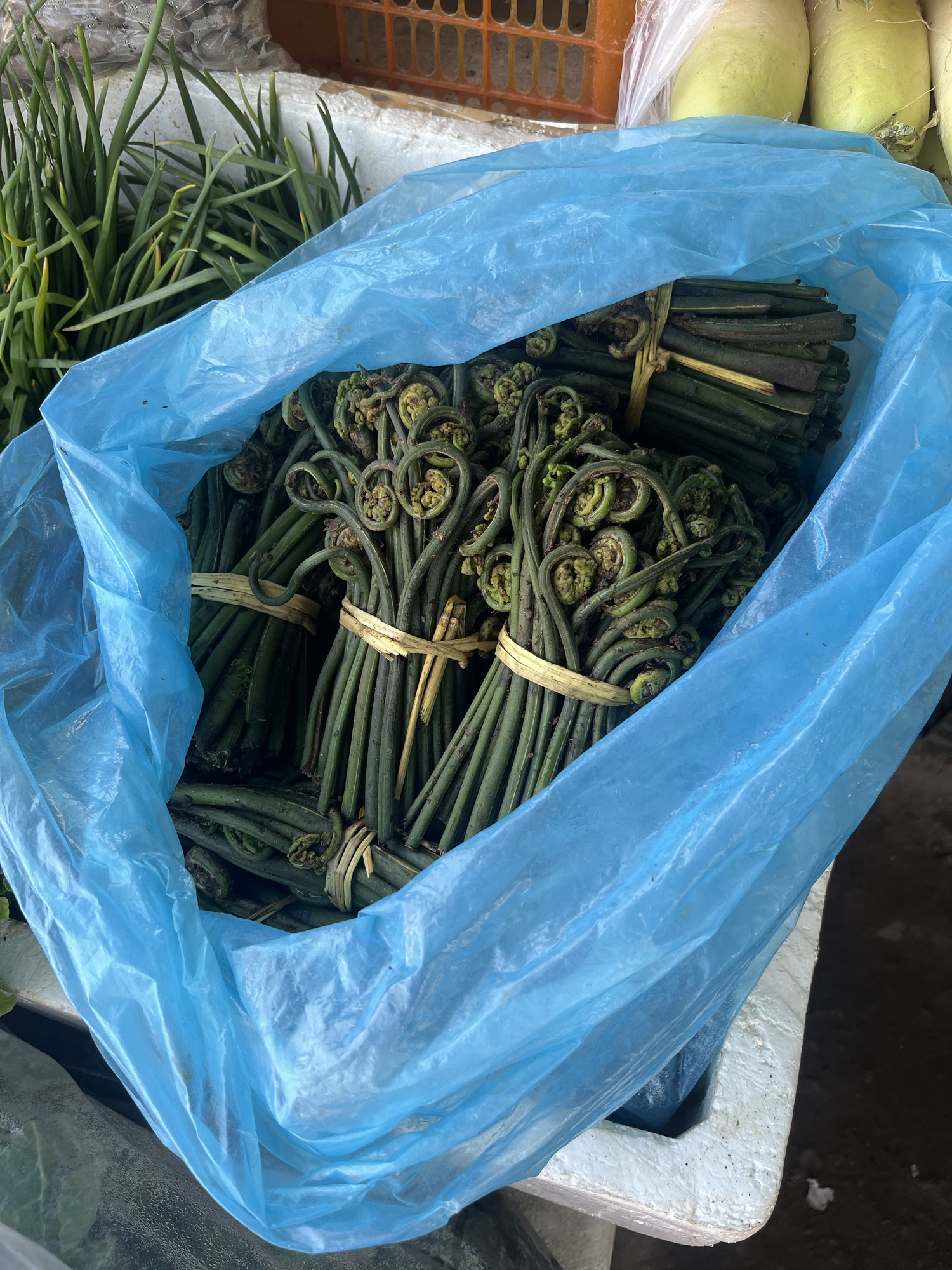
Just when you think, the Bhutanese couldn’t be more creative with cheese, their Nakey Datshi is guaranteed to find you a place in heaven. Fiddlehead fern mixed with cheese is what you have been waiting for all your life. Almost resembling asparagus, the wild fern is crunchy and succulent and mixed with rice, makes it a very unique combo.
In fact, cheese is mixed with many other vegetables like pumpkin, gourd and more commonly, potatoes – almost like a gratin but you’d have never imagined it being an accompaniment to rice.
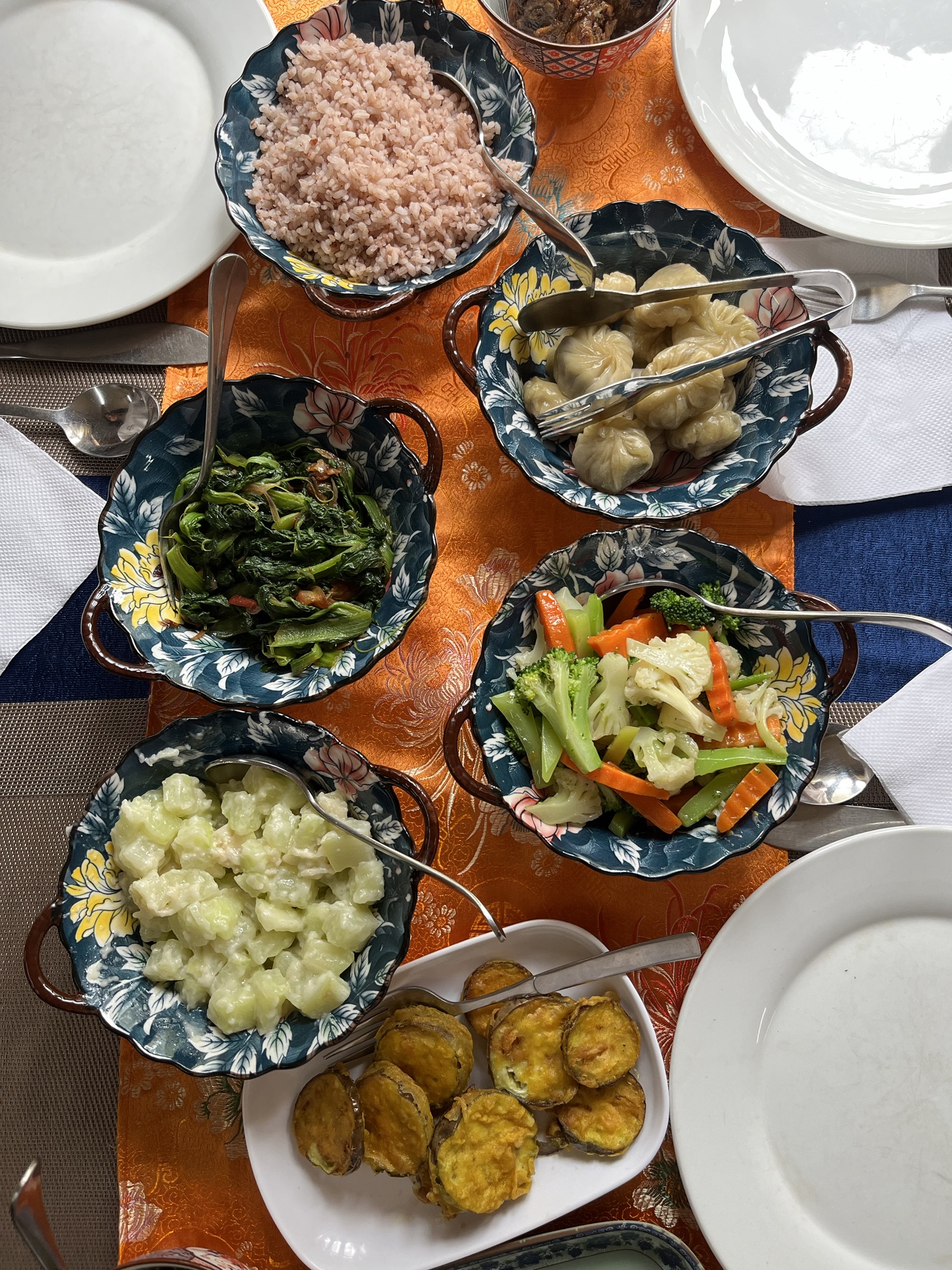
Bhutan is a place where people love their food as much as they love their tourists. It is a place you want to visit not just for their warm hospitality but also their most authentic and unique food.

Thanks for sharing this, it was great to learn about what they eat in Bhutan! I don’t think I’d survive all the chili though!!!
Ha haaa yes. It is rather spicy. The cheese is an interesting combo though. Almost like nacho cheese with jalapeño. Or potato gratin but with rice. The Bhutanese love chilli and eat it with such ease. Hope you can visit too. 🤗