Xi’an, formerly known as Chang’an, meaning “Eternal Peace”, was the capital of China at various points of time in history before Ming dynasty moved it to Beijing. The city was irrigated by 8 rivers, and as with all ancient civilisations that have thrived near river basins, Xi’an too was situated in the fertile valley between Wei and Yellow River.
Terracotta Army
Xi’an is a site of great historical relevance going as far back as 200 B.C. during the reign of Qin Shi Huang, the emperor known to have united China and built the capital just east of modern-day Xi’an. The word China also owes its origins to Emperor Qin who founded the country’s first dynasty.
Qin Shi Huang left behind several legacies – unifying China, launching economic reforms, initiating public works and defending the borders of unified China by constructing a wall – a precursor to the Great Wall, it was built to protect the trade route between China and Central Asia from being attacked and looted by the northern nomads.
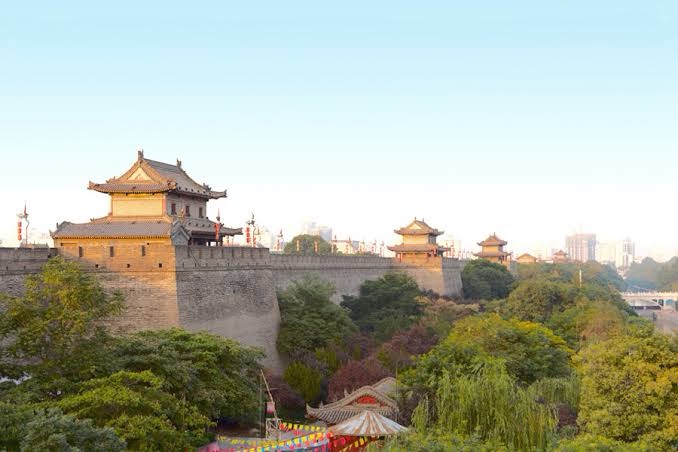
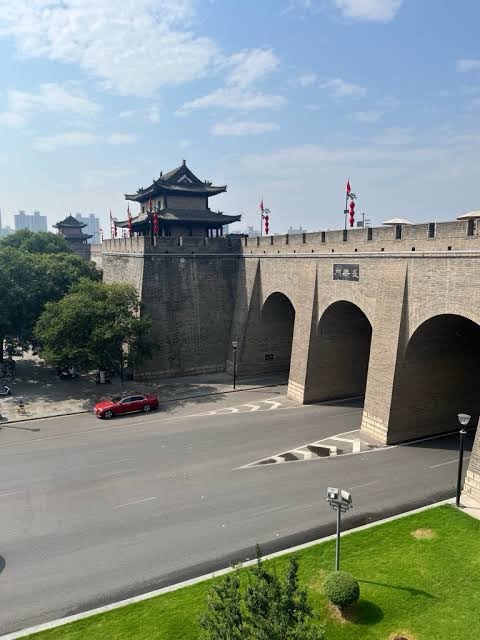
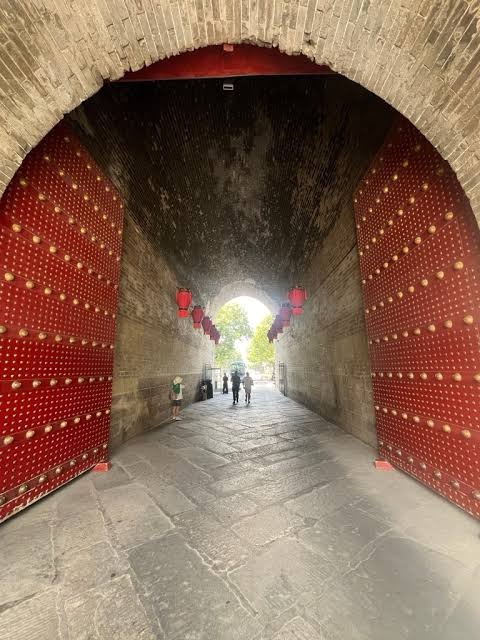
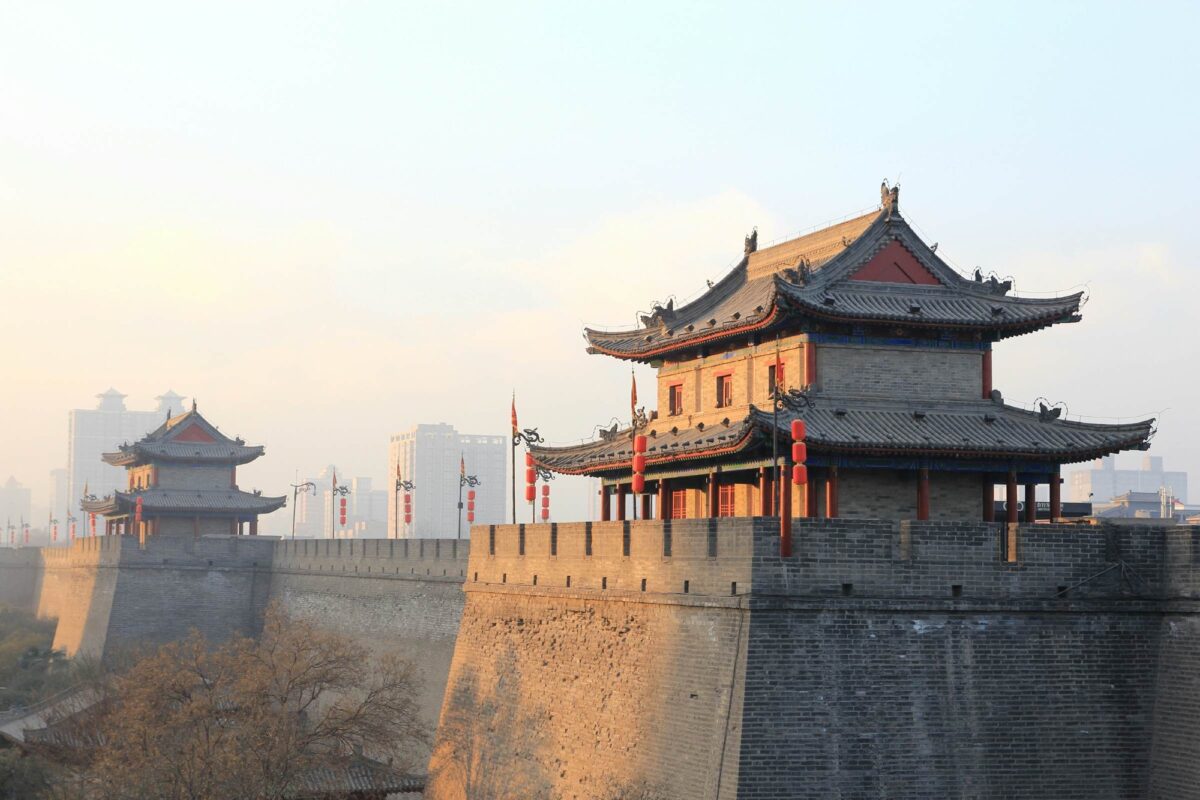

The Ming, Tang and Song dynasty rulers in Xi’an built many fortifications and used silk as payment for workers, armies and garrisons.
Like many other great emperors (including a certain Macedonian one we all know of), Qin Shi Huang too wanted to be immortal and sent many alchemists to find the elixir of life. He prepared well to reign in his afterlife and engaged 700,000 workers to build a mausoleum mirroring the grandeur of his palace.
Emperor Qin’s tomb remains undisturbed, where he rests until today, more than 2000 years since his burial, guarded by a Terracotta Army, court musicians, alchemists, acrobats and senior officials who were all interred with him in his tomb.
After his death, his kingdom fell apart and the tomb forgotten until a farmer inadvertently discovered terracotta figurines when digging a well. While the emperor’s tomb has been cited in historical records, the Terracotta soldiers were never mentioned until the chance discovery.
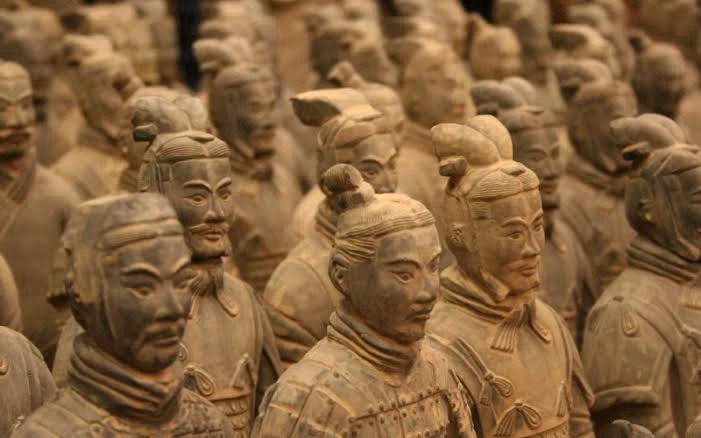
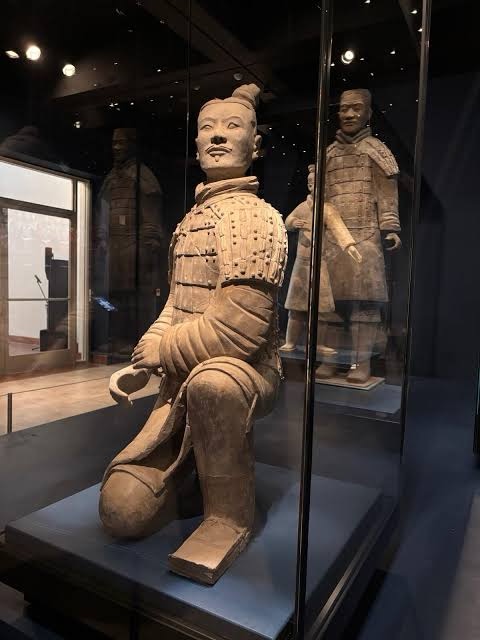
Given its significance in ancient China, Xi’an is the place with several historical sites including the awe-inspiring Terracotta Army, as the starting point of the 6,400 km Silk Route and the Ming dynasty old city that still has remnants of the fortress intact here.
Silk Route
The Silk Route started in 2nd century B.C. and lasted well until late 18th century when trade, tourism and archeological discoveries started to connect the dots relating to excavations that were left behind during Alexander The Great’s conquest of Persia, Africa, Central Asia and India; the Sogdian network of trade centred in the city of Samarkand; Marco Polo’s account of Cathay; and more recently the British East India Company that played a historical role in tea trade.
Traversing through Xinjiang, Türkiye, Afghanistan, Uzbekistan, Iran and beyond, the caravans brought silk to the Venetian traders who spun jacquard fabrics for the European royalty. Marco Polo, the famed Venetian explorer, travelled through the Silk Route and took back noodles and dumplings from ‘Cathay’ and popularised them in Italy as pasta and ravioli!
The Arabian traders bartered frankincense from Yemen and the Horn of Africa in Somaliland, Ethiopia and Eritrea, and sandalwood from India.
The Persians upgraded their threads to silk from the traditional wool to weave carpets for the Qajars and filled their tea houses with chatter and sweets (tea is Iran’s largest import). The spice merchants from Africa and India would take a whiff of the fragrant teas and concoct a brew called kahwa by mixing tea with cinnamon, cloves, saffron and cardamom.
Along the way, the caravans would pass by wine makers in Turpan, Shiraz and Fergana Valley (because hey! Before Islam, wine intoxicated artists, philosophers and poets in Iran, Xinjiang and Central Asia). Here, the caravans stopped for a night cap. With Islam, the layovers in the caravanserais served tea and candied nuts in the Choyxonas that dot Central Asia and Iran till today.
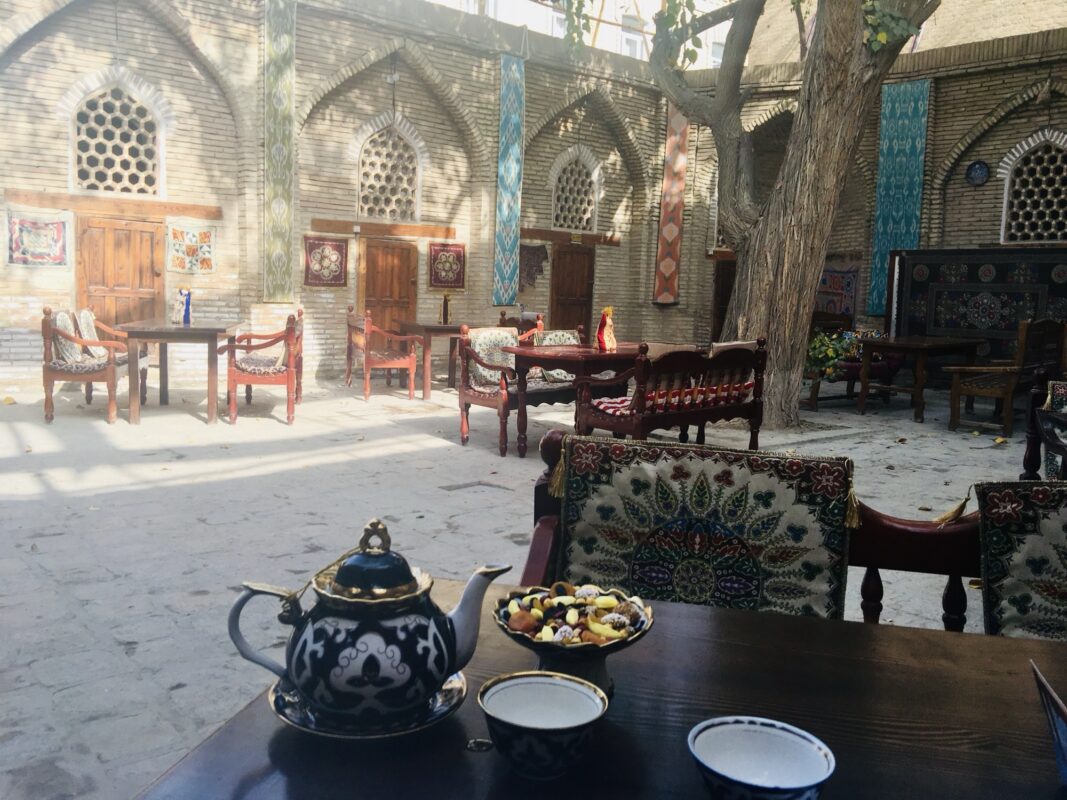
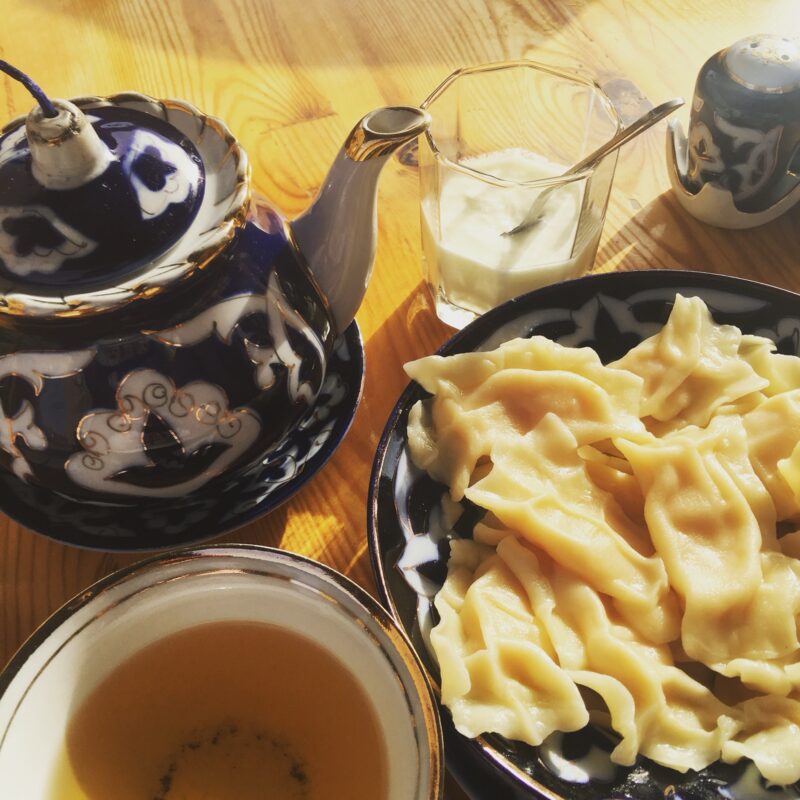
The Silk Route was also a cotton route (a paper route and a spice route) though silk was a symbolic commodity.
In Türkiye, calligraphers purchased precious paper for their intricate miniature artwork depicting heavenly abode from the Holy Qoran. There was lapis lazuli in Afghanistan, turquoise in Iran and jade in Xinjiang (the tomb of Tamerlane on Samarkand in Uzbekistan is entirely made from jade that was brought from Xinjiang).
The Chinese bought Arabian horses from Pamir mountains, dyes and indigo from Arabia and India and of course, there was the exchange of religion – Nestorian Christianity, Islam and Buddhism.
By the 16th century, the upper class English distinguished themselves from the common folk who frequented coffee houses, by elevating tea drinking in porcelain cups as a form of high-society etiquette. The Portuguese brought spices and Christianity via Macau and took back blue and white Ajulejo tiles to clad their buildings with to keep them cool.
Silk Route must have been magical. I don’t know if the stories were richer than tea or if tea was the riches that inspired stories.
The success of Silk Route has inspired the Chinese government to recreate the trade corridor, calling it the Belt and Road Initiative.
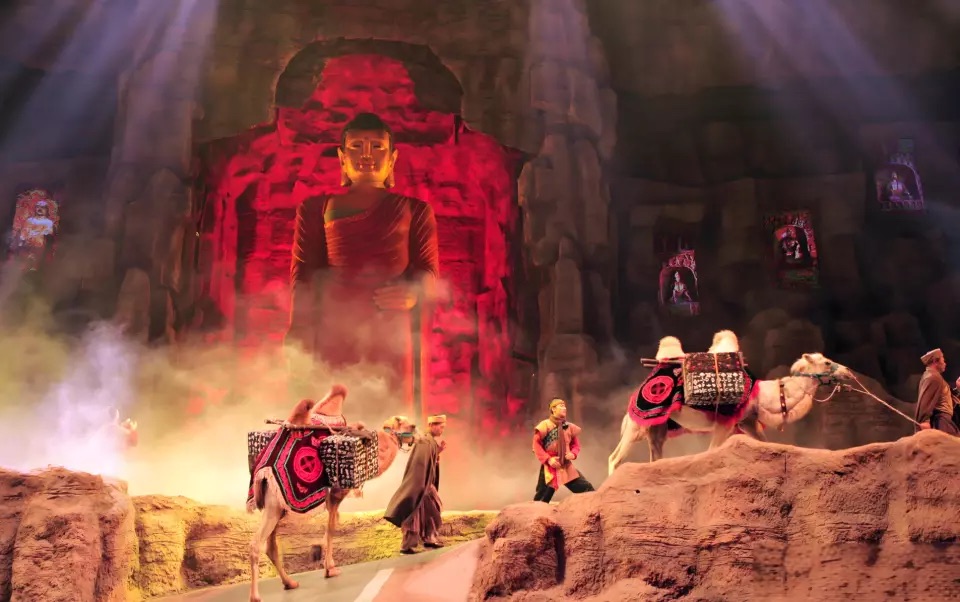
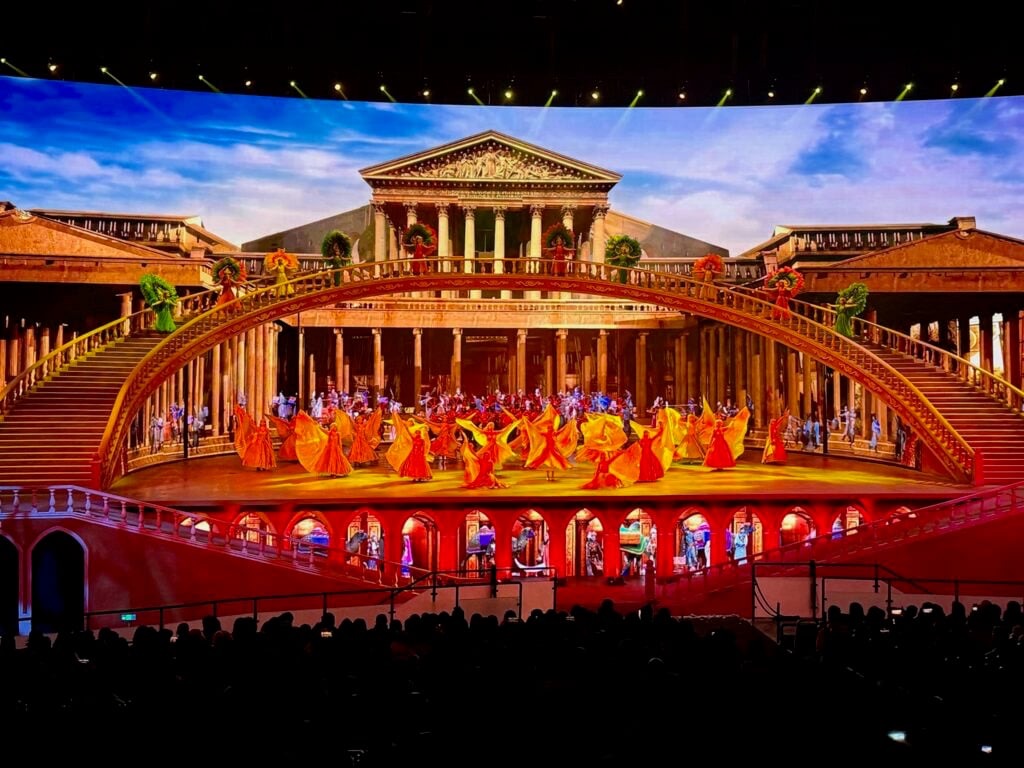
Proud of its ancient heritage, the city puts together the Legend of the Camel Bell show retracing the glory days of the Silk Route that built friendships, initiated diplomacy and bridged Asia with Europe.

Religion
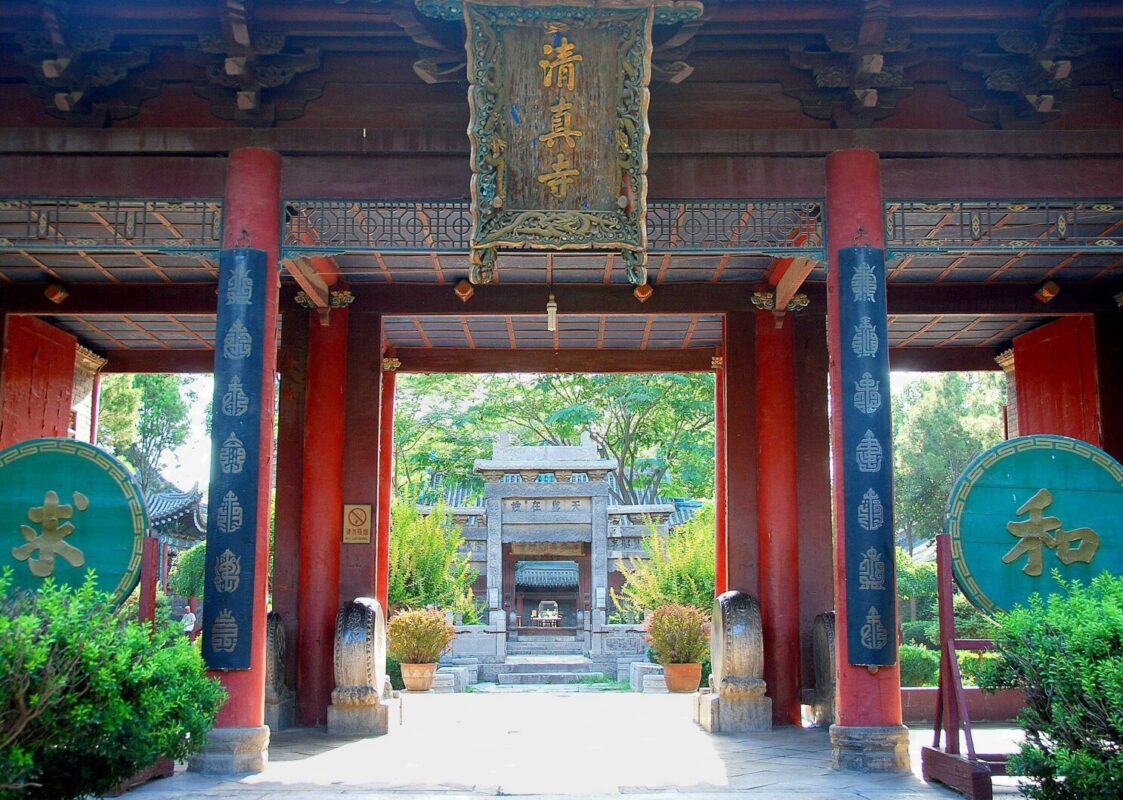
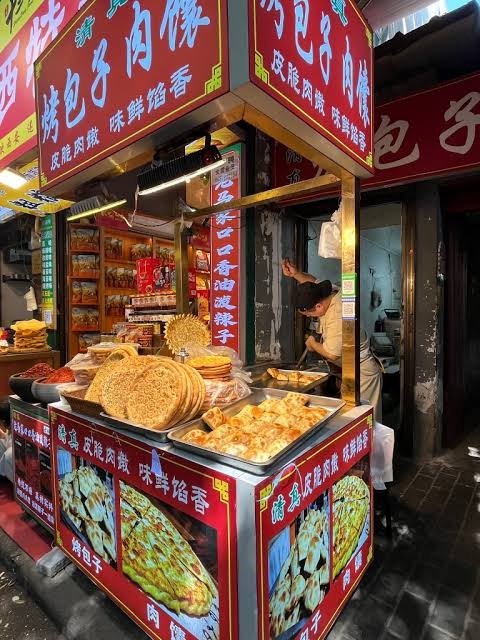
Muslim Quarter
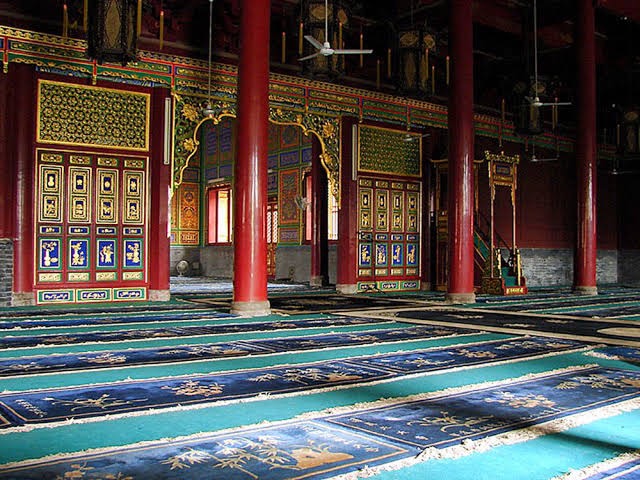
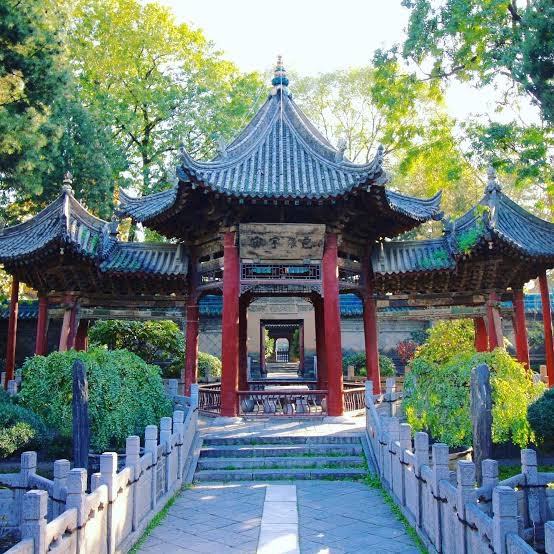
Sogdians, the Persian-speaking traders living in present-day Uzbekistan’s Samarkand, created a rich exchange of culture benefiting from Silk Route networks. They also came and settled in Xi’an, which now has a thriving population of Hui muslims who live, pray, eat and trade Halal food.
The Muslim Quarter in Xi’an is a curious mix between Chinese and Sunni beliefs.
Giant Wild Goose pagoda
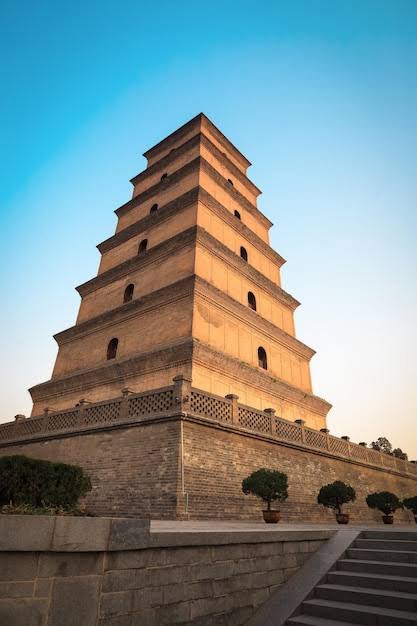
Buddhism reached China through Central Asia where it was the prevalent religion. With trade through the Silk Route, Buddhism travelled to China, although it was not thorough a direct source, therefore the accuracy of some of the Chinese texts was unclear.
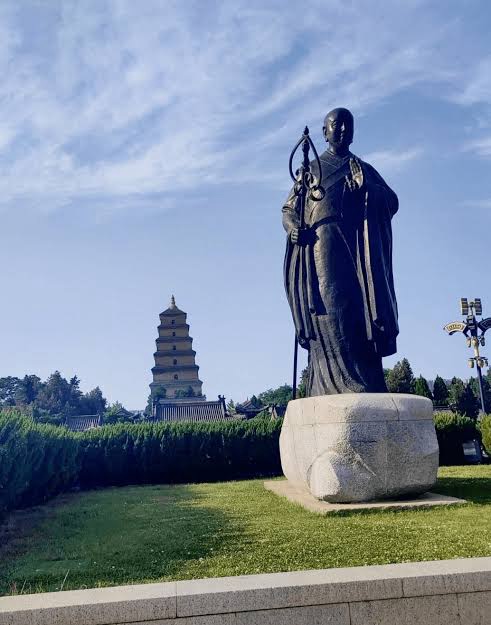
In 629 AD, Chinese monk Xuanzang left for India on foot via Central Asia to obtain documents about Buddhist teachings. He returned to China after 16 years, bringing with him the Sanskrit manuscripts which he translated to spread Buddhist teachings to people. At a time when long distance travel was fraught with risks, Xuanzang’s voyage to India was celebrated and the Big Goose Pagoda was built to store the original Sanskrit manuscripts.
A time warp
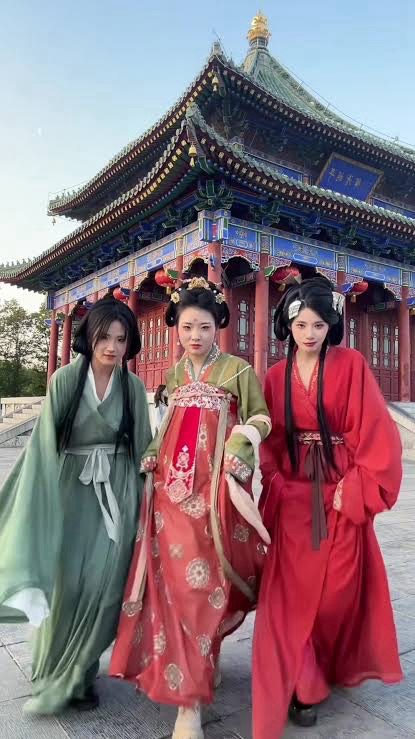
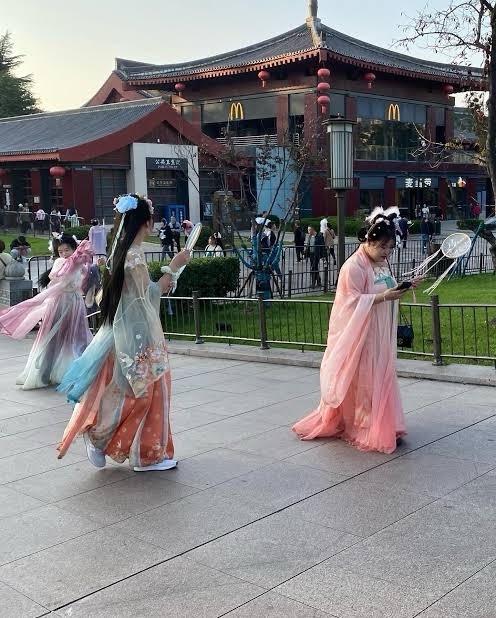
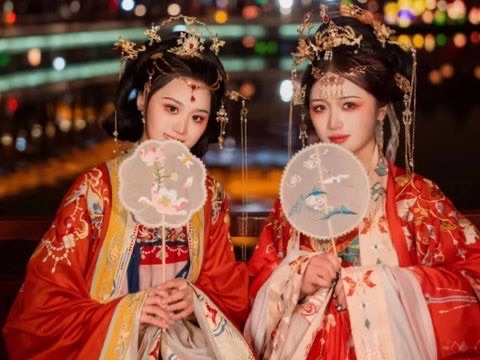
Xi’an today is a bustling metropolis with row upon row of buildings dwarfing the City Wall. The camel bells from the caravans have long gone silent. What is most alluring is its large youth population. Considering the city has 2000 years of history, Xi’an is very young. These youngsters relive its past glory by dressing up in Tang and Song dynasty costumes.
Whether drinking coffee, shopping in the malls, touring the historical sites, riding the subway or hanging out with mates, women don long flowing skirts, chiffon robes secured with a sash, elaborate hairdos with hair extensions held together with hair combs and ribbons, and translucent make-up mimicking the concubines with powdered faces touched up with rouge, glossy lips and long fake lashes that accentuate their eyes.
It’s as if every other young girl is a princess and we are stuck in a time warp.
Moden day princesses
Oh my! I must have missed this post as it was the day before my flight to Uzbekistan. That was a busy day! lol. Fantastic write up, I especially loved the bit on the Silk Road of course! I really enjoyed reading this post and learning alot! Xxx
Are you back Anna or still on the silk route?
Oh I’ve been back for a while! I only had 2 weeks to explore Uzbekistan.
I am still thirsting for more of your blogs from UZ, Anna. Hope you had a fab time there. I am travelling to your beautiful country in Dec this year. Going to Brisbane. Will soak up sunshine when there. 😊
Ah you should know me by now, I’m so slow with blog posts! Just not enough time in a day! They will slowly come! How nice to go to Brisbane, you should definitely get some sunshine there! X
No rush Anna. Will wait for the next ones when they come. I enjoyed the one from Khiva. Even though the culture of UZ comes from being a route, it has so much depth to its history. You’d think transience can’t offer much to humankind. But UZ proved me wrong. I remain amazed.
Thinking of writing about many degrees of happiness sunshine can bring when in Brisbane.